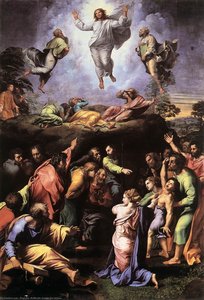
Obraz olejny na płótnie.

§ 1Dane katalogowe


§ 2Abstrakcja
Opis obiektu
Zapoznaj się z obrazem Rafaela „Trzy Grazie”! Podziwiaj piękno klasyczne, innowacyjną sztukę nude i harmonijną kompozycję w Musée Condé w Chantilly.
 Rozwiń treść
Biografia artysty
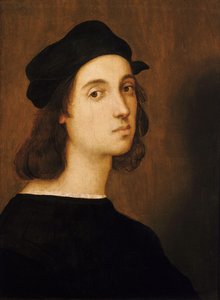
Rafael Santi (1483-1520): Wszechstronny malarz renesansu, znany z Madonn i fresków, takich jak "Szkoła Ateńska". Jego dzieła emanują elegancją i harmonią. Odkryj jego życie i twórczość!
§ 3Komentarz
Raphael’s Ode to Perfection: An Exploration of *The Three Graces*
Raphael’s *The Three Graces*, housed in the Musée Condé in Chantilly, France, transcends mere depiction; it's a profound statement of Renaissance ideals—a celebration of beauty, grace, and artistic mastery that continues to captivate audiences centuries after its creation. This oil painting on panel isn’t simply an illustration of Greek mythology; it’s a meticulously crafted meditation on femininity, harmony, and the pursuit of ideal form.
Subject & Mythological Resonance
The artwork portrays the three Graces – Chastity (represented by the veiled figure on the left), Beauty, and Voluptas (or mature joy)—daughters of Zeus and Euronyme. Their mythological origins imbue the painting with layers of significance beyond their visual splendor. Raphael subtly acknowledges the progression of womanhood, presenting each Grace as embodying distinct facets of feminine virtue and allure. The central figures hold aloft a radiant red sphere—a symbol frequently interpreted as referencing the apple of discord or aligning with celestial bodies. This deliberate choice underscores themes of love, desire, and divine grace.
A Symphony of Artistic Technique
*The Three Graces* exemplifies Raphael’s unparalleled command of *sfumato*, a technique pioneered by Leonardo da Vinci that achieves breathtaking subtlety through gradual shading—creating soft contours and ethereal luminescence. The composition is remarkably balanced and symmetrical, arranged in a gentle triangular formation that draws the viewer's gaze across the figures with effortless grace. This deliberate structuring reflects Renaissance principles of proportion and harmony, demonstrating Raphael’s dedication to achieving visual perfection.
What distinguishes Raphael’s approach is his daring innovation: he presents the nude female form from both frontal and dorsal perspectives—a revolutionary gesture for its time that showcased his profound understanding of human anatomy and sculptural artistry. The glazing technique employed—applying thin layers of translucent paint over subsequent coats—produces a luminous quality, enhancing the skin tones' radiant beauty and conveying an impression of otherworldly serenity.
Historical Context & Influences
Created around 1500 shortly after Raphael’s arrival in Urbino—a city renowned for its artistic patronage—*The Three Graces* embodies the Renaissance fervor for classical ideals. It reflects Federico Montefeltro's desire to elevate Urbino as a center of humanist learning and artistic excellence, mirroring the broader cultural movement that championed reason and beauty.
Symbolism & Emotional Impact
Beyond its technical brilliance, *The Three Graces* resonates deeply with viewers due to its symbolic richness. The spheres symbolize abundance and divine influence—a visual reminder of the harmonious order underlying creation. Raphael’s masterful rendering evokes a palpable sense of tranquility, grace, and timeless beauty—capturing the essence of Renaissance art's celebration of human form and idealized themes. It remains an enduring testament to Raphael’s genius and his unwavering commitment to elevating artistic expression.
Pytania i odpowiedzi
Czy Rafael, twórca "Trzy Grazie", jest znany pod innymi nazwiskami?
Inne znane nazwiska Rafael, twórcy "Trzy Grazie", to Raffaello Sanzio da Urbino, Raffaello Santi.
Czy mogę przyjrzeć się bliżej dziełu "Trzy Grazie"?
Widok rentgenowski dzieła „Trzy Grazie” – Rafael jest dostępny na stronie Analiza rentgenowska: to interaktywna analiza obrazu obejmująca jedenaście warstw optycznych.
Skąd pochodzą odwiedzający „Trzy Grazie” – Rafael?
Strona Statystyki wyświetleń dzieła „Trzy Grazie” – Rafael przedstawia statystyki odwiedzin: miesięczną liczbę wyświetleń tego dzieła, porównanie z najczęściej oglądanymi pracami artysty oraz informacje o pochodzeniu odwiedzających.


 Przełącz na wydania drukowane


 W przypadku dzieł sztuki lub reprodukcji, których którykolwiek z boków przekracza 105 cm (około 41 cali), rama zostanie wysłana w formie zestawu do samodzielnego montażu. Metoda ta zapewnia bezpieczną dostawę i zapobiega uszkodzeniom podczas transportu.