Życie i tożsamość Rafaela
Rafael, znany historii pod wieloma imionami, w tym jako Raffaello Sanzio, Raffaello Santi oraz Raffaello Sanzio da Urbino, był centralną postacią włoskiego dojrzałego renesansu. Jego życie definiowała podwójna biegłość w malarstwie i architekturze – wszechstronność, która pozwalała mu płynnie poruszać się między intymną skalą portretu a monumentalnymi wymaganiami papieskich budowli. Urodził się 6 kwietnia 1483 roku w Urbino, we Włoszech, w świecie tętniącym intelektualną i artystyczną aktywnością.
Jego kariera charakteryzowała się niewyobrażalną wręcz płodnością twórczą, która wymagała zarządzania rozległym warsztatem, aby sprostać potrzebom licznych mecenasów. Tej profesjonalnej sprawności towarzyszyła niezwykła ogłada towarzyska, dzięki której potrafił odnaleźć się w najwyższych kręgach dworu papieskiego. Przemierzał najważniejsze ośrodki artystyczne Italii, by ostatecznie osiedlić się w Rzymie, gdzie jego wpływ na fizyczny i wizualny krajobraz miasta okazał się niezmierzony. Był człowiekiem o wysokiej pozycji społecznej, często angażującym się w dialog z politycznymi i religijnymi liderami swojej epoki.
Drogę jego życia brutalnie przerwała śmierć w Rzymie, w Państwie Kościelnym. Zmarł 6 kwietnia 1520 roku, w wieku zaledwie 37 lat. Jego odejście zostało głęboko odczute na dworze papieskim, kończąc karierę, która zdążyła już na nowo zdefiniować standardy klasycznej kompozycji i projektowania architektonicznego. Pozostawił po sobie ogromny dorobek dzieł, które do dziś stanowią fundamentalny punkt odniesienia w badaniach nad ideałami renesansu.
Wczesne lata, rodzina i szkolenie
Cicha, intelektualna atmosfera Urbino położyła fundamenty pod przyszłość młodego Rafaela. Urodził się w świecie dworskiego wyrafinowania, jako syn Giovanniego Santi i Magii di Battista Ciarla. Jego ojciec, malarz na dworze księcia, zadbał o to, by wczesne lata chłopca były przesiąknięte humanistycznymi tradycjami włoskich dworów. To środowisko oferowało coś więcej niż tylko dom; stanowiło okno na zaawansowane idee artystyczne, które przepływały przez serce Italii. Gdy w 1494 roku uderzyła tragedia i ojciec zmarł, chłopiec miał zaledwie jedenaście lat. Ta strata wymusiła na nim przedwczesną dojrzałość, zmuszając do przejęcia odpowiedzialności za prowadzenie rodzinnego warsztatu.
Formalna edukacja artystyczna zaprowadziła go do pracowni Pietro Perugino w Perugii. Pod okiem tego mistrza Rafael chłonął styl umbryjski – metodę definiowaną przez miękkie modelowanie form oraz pełne spokoju sceny religijne. Szkolenie było rygorystyczne i niezwykle skuteczne. Zanim około 1500 roku został uznany za samodzielnego mistrza, jego ręka wykazywała już niezwykłą klarowność i swobodę. Wędrował przez miasta północnych Włoch, gromadząc wiedzę niczym podróżnik zbierający monety, zanim magnetyzm wielkich centrów artystycznych zaczął ostatecznie kształtować jego wizję świata.
Okres florencki i artystyczny rozkwit
Przybycie do Florencji w 1504 roku wprowadziło młodego malarza w samo serce miasta zdominowanego przez obecność artystycznych gigantów. Rafael nie tylko współistniał obok dzieł takich mistrzów jak Leonardo da Vinci czy Michał Anioł; on chłonął ich geniusz, wchłaniając go w sposób niemal instynktowny. Jego rozwój został ukształtowany przez wnikliwą analizę ich odmiennych podejść, wzbogaconą o wpływy Fra Bartolommeo oraz Masaccia. Ten czas nie był jednak zerwaniem z jego umbryjskimi korzeniami, lecz raczej wyrafinowaną syntezą stylu florenckiego. Rafael przejął anatomiczną precyzję i dramatyczny ciężar dzieł swoich współczesnych, integrując je w ramach bardziej zrównoważonego, klarownego języka wizualnego.
Właśnie w tej epoce artysta udoskonalił swoją zdolność do oddawania ludzkiej obecności, patrząc na świat zarówno przez pryzmat sacrum, jak i profanum. Między 1504 a 1507 rokiem stworzył serię Madonn, które stały się świadectwem jego rosnącego mistrzostwa w operowaniu kompozycją oraz emocjonalną przejrzystością. W tych latach ugruntował również swoją pozycję jako wybitny portrecista, wykraczając poza proste naśladownictwo rysów twarzy, by w swoich modelach potrafić uchwycić głębię godności. Twórczość z tego okresu odzwierciedla fascynującą transformację – przejście od łagodnych tradycji okresu nauki do monumentalnej jasności, która miała później zdefiniować jego triumfującą karierę w Rzymie.
Rzymskie lata i papieski mecenat
Wezwanie od papieża Juliusza II w 1508 roku nieodwracalnie zmieniło bieg życia Rafaela, wyrywając go z pełnej rywalizacji atmosfery Florencji i rzucając w monumentalną skalę Rzymu. Przybył do Wiecznego Miasta nie tylko jako malarz, lecz jako kluczowa postać kształtująca wizualny język papiestwa. Jego obecność w Watykanie charakteryzowała się niewyobrażalną wręcz płodnością twórczą, która uczyniła go ulubionym artystą Rzymu. Został powierzony dekorowanie apartamentów papieskich – odpowiedzialność ta wymagała od niego mistrzowskiego balansowania między intymnymi tematami dewocyjnymi a wielkimi, historycznymi narracjami. W tym okresie Rafael wyszedł poza ramy sztalugi, podejmując istotne wyzwania architektoniczne. Po śmierci Donato Bramante w 1514 roku, mianowano go architektem odpowiedzialnym za Bazylikę św. Piotra, co stanowiło wyraz ogromnego zaufania, jakim obdarzono jego zdolność do organizowania i realizowania złożonych, wielkoskalowych projektów.
Jego wpływ rozciągał się na kolejne rządy papieży, w tym Leona X, podczas gdy on sam z niezwykłą biegłością poruszał się w zawiłych hierarchiach społecznych i politycznych dworu papieskiego. Skala jego zleceń rosła wraz z jego sławą, co zmuszało go do zarządzania wyjątkowo licznym warsztatem, zdolnym sprostać wymaganiom mecenasów. O ile jego wczesne lata definiowało dążenie do subtelnej gracji, o tyle lata rzymskie stały pod znakiem poszukiwania ładu i monumentalnego przepychu. Stał się nieodłącznym elementem Watykanu, a jego ślad pozostaje widoczny w samej tkance najświętszych przestrzeni miasta.
Technika, styl i wizja artystyczna
Rafael posiadał rzadką zdolność syntetyzowania rozproszonych innowacji swoich współczesnych w jeden, spójny język wizualny. Nie ograniczał się do zwykłego naśladowania mistrzów, których spotkał we Florencji; zamiast tego, potrafił wydestylować ich najmocniejsze strony. Od Leonarda da Vinci przejął subtelne gradacje sfumato, podczas gdy anatomiczna precyzja i muskulatura dzieł Michała Anioła ukształtowały jego rozumienie ludzkiej formy. Ta niezwykła synteza pozwoliła mu wyjść poza ramy prostej imitacji, tworząc styl definiowany przez klarowność formy i nieuchwytną lekkość kompozycji. Jego postaci zamieszkują przestrzeń z naturalną gracją, unikając ciężkiego napięcia, które niekiedy charakteryzowało dzieła jego rówieśników.
Jego estetyka była głęboko zakorzeniona w neoplatońskim ideale ludzkiej wielkości, dążąc do przedstawienia godności jednostki poprzez harmonijne proporcje i świetlisty kolor. Wykorzystywał chiaroscuro, aby nadać obrazom głębię i trójwymiarowość, a jednak zawsze zachowywał poczucie ładu, które zapobiegało chaosowi w jego scenach. Ten balans między światłem a cieniem, między tym, co fizyczne, a tym, co idealne, nadawał jego pracom poczucie niebiańskiego spokoju. Nawet w najbardziej złożonych układach historycznych czy religijnych odczuwalna jest harmonia, która prowadzi wzrok widza przez płynącą z obrazu narrację.
Dążenie do doskonałości było najwyraźniej widoczne w licznych przedstawieniach Madonny, w których Rafael potrafił połączyć matczyną czułość ze zdyscyplinowaną, geometryczną gracją. Jego umiejętność połączenia naukowego obserwowania światła z idealistycznym poczuciem piękna sprawiała, że jego kompozycje wydawały się jednocześnie zakorzenione w rzeczywistości i wyniesione ku duchowości. Osiągnął wizualną stabilność, która stała się wzorcem dla dojrzałego renesansu, skupiając się na cichej sile wymownego spojrzenia czy precyzyjnym fałdzie szaty, aby przekazać najgłębsze ludzkie emocje.
Wielkie zamówienia i zarządzanie warsztatem
Skala rzymskiej kariery, którą zapisał Rafael, wymagała poziomu organizacji wykraczającego daleko poza tradycyjny model artystycznej pracowni. Aby sprostać niewyobrażalnym wymaganiom papieskiego dworu, zarządzał on niezwykle licznym warsztatem – tętniącym życiem centrum produkcyjnym, które funkcjonowało z precyzją małego przedsiębiorstwa. Choć to jego własna ręka prowadziła najbardziej znaczące kompozycje, duża część fizycznej realizacji jego wizji spoczywała na barkach asystentów. Ci wykwalifikowani uczniowie często tworzyli dzieła bezpośrednio na podstawie jego szkiców przygotowawczych, co zapewniało spójność stylu w ogromnej liczbie realizowanych projektów. Dzięki temu systemowi Rafael był w stanie utrzymać niezwykle wysoką wydajność, nawet gdy jego obowiązki rozszerzały się na obszary architektury i planowania urbanistycznego.
Jego wpływ w Watykanie był zarówno szeroki, jak i niezwykle głęboki. Powierzono mu szereg kluczowych zamówień na dekorację apartamentów papieskich, lecz jego autorytet wykraczał daleko poza ramy płótna. Rafael został postawiony na czele wszystkich projektów papieskich obejmujących architekturę, malarstwo, dekorację oraz konserwację antyków. Ta wieloaspektowa rola uczyniła go centralną postacią w kształtowaniu fizycznego i estetycznego oblicza rezydencji papieskiej. Jego praca projektowa nie ograniczała się jedynie do ścian i sufitów; tworzył on również projekty gobelinów przeznaczonych dla dworu, wplatając swoją estetykę w samą tkankę dworskiego życia.
Wybitne arcydzieła i słynne dzieła
Bogactwo jego twórczości najlepiej oddaje mnogość jego Madonn – dzieł, które zdefiniowały wizualny język matczynej łagodności. Obrazy te często emanowały ludzkim ciepłem i poczuciem pełnego spokoju, co stało się znakiem rozpoznawczym jego stylu. We Florencji jego eksperymenty z tą tematyką osiągnęły przełomowy moment w dziele La belle jardinière, ukończonym w 1507 roku. Praca ta odzwierciedla przejście od wczesnego, umbryjskiego wykształcenia ku bardziej wyrafinowanym kompozycjom, które w późniejszym czasie miały zdefiniować jego rzymski okres.
W Rzymie jego zlecenia nabrały monumentalnej skali w murach Watykanu. Został powierzony dekorowanie Stanza della Segnatura, gdzie stworzył rozległe cykle fresków, integrujące klasyczną filozofię z motywami religijnymi. Wśród nich Szkoła Ateńska pozostaje jego najsłynniejszym dziełem – ogromną kompozycją, która zgromadziła wielkich myślicieli antyku w jednej, harmonijnej przestrzeni. To osiągnięcie dowiodło jego niezwykłej zdolności do prowadzenia złożonych, wielkoskalowych narracji za pomocą precyzyjnej perspektywy i ładu.
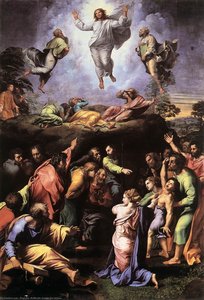
Ostatnie lata życia upłynęły mu pod znakiem ogromnej produktywności, której zwieńczeniem było jego największe dzieło na płótnie, Przemienienie, zamówione w 1517 roku. Ten obraz, nad którym pracował aż do śmierci, stanowi kulminację jego technicznego kunsztu oraz umiejętności operowania dramatyczną, monumentalną tematyką. Zdolność do balansowania tak intensywnych ludzkich emocji z klasyczną strukturą pozostała stałą cechą jego twórczości przez całą karierę.
Uczniowie, Rywale i Artystyczne Dziedzictwo
Rafael zajmował wyjątkową pozycję w dobie dojrzałego renesansu, tworząc wraz z Leonardo da Vinci i Michałem Aniołem triumwirat twórczych gigantów. Podczas gdy jego współcześni często wybierali odmienne ścieżki – od naukowej obserwacji po dramatyczne napięcie mięśniowe – Rafael pielęgnował styl oparty na klarowności i harmonii, który stał się wzorcem dla tradycji akademickiej. Ta równowaga nie była jedynie jego osobistym osiągnięciem, lecz również sukcesem pedagogicznym, gdyż jego niezwykle płodna twórczość wymagała prowadzenia doskonale zorganizowanego warsztatu, zdolnego sprostać ogromnym wymaganiom papieskich zamówień.
Zarządzanie pracownią stanowiło centralny punkt jego życia zawodowego. Jego uczniowie nie byli jedynie pomocnikami; byli szkoleni tak, aby podtrzymywać specyficzną estetykę jego szkoły. Wśród nich znaczącą postacią stał się Giulio Romano, któremu często powierzano realizację dzieł na podstawie oryginalnych szkiców Rafaela. Własny styl Romano ostatecznie poprowadził wpływ artysty w nowych kierunkach, często oddając echo kompozycji i form wypracowanych w Watykanie. To artystyczne dziedzictwo sprawiło, że nazwisko Rafaela pozostało synonimem szczególnego rodzaju wdzięku i porządku jeszcze długo po jego śmierci.
Mimo ogromnego sukcesu, jego karierze towarzyszył cień wielkiego rywala – Michała Anioła. Napięcie między ich odmiennymi podejściami – jednym faworyzującym harmonijne proporcje, a drugim dramatyczną, anatomiczną siłą – definiowało dużą część artystycznego dyskursu tamtej epoki. Choć wpływ Rafaela był głęboki, ciężar stylistycznego oddziaływania Michała Anioła często przeważał nad jego własnym w oczach kolejnych pokoleń, szczególnie w XVIII i XIX wieku. Ta rywalizacja dwóch odmiennych wizji ludzkiej wielkości pomogła kształtować trajektorię malarstwa zachodniego przez całe stulecia.
Koniec niezwykle płodnej kariery
Pęd kariery, która osiągnęła same szczyty papieskich laask, został przerwany z zaskakującą nagłością. 6 kwietnia 1520 roku, w dniu jego trzydziestych siódmych urodzin, Rafael zmarł niespodziewanie w Rzymie. Jego odejście zostało odczute jako głęboka strata na dworze papieskim, gdzie jego wpływ był tak silnie wpisany w tkankę życia religijnego i obywatelskiego, że sam Papież zamierzał wynieść go do godności kardynała. Tymczasem człowiek, który stał się wizualnym głosem papiestwa, odszedł, zanim takie zaszczyty zdążyły zostać mu przyznane.
W chwili śmierci wciąż aktywnie pracował nad swoim najbardziej monumentalnym przedsięwzięciem, wielkoformatowym płótnem Przemienienia. Dzieło to pozostało niedokończone w momencie jego odejścia, stanowiąc ostatni, trwający fragment życia zdefiniowanego przez niewyobrażalną wręcz płodność twórczą. Jego nagłe odejście pogrążyło Watykan i rzymskie środowisko artystyczne w żałobie, kładąc cichy kres epoce intensywnej ekspresji twórczej.
Jego szczątki spoczęły w Panteonie w Rzymie, we Włoszech, w miejscu o ogromnym znaczeniu historycznym i architektonicznym. To ostatnie miejsce spoczynku odzwierciedlało godność jego stanu oraz wysoki szacunek, jakim darzyli go władze Państwa Watykańskiego. Rafael pozostawił po sobie ogromny dorobek dzieł, które powstały dzięki doskonale zorganizowanemu warsztatowi, co sprawiło, że jego obecność w historii dojrzałego renesansu pozostała trwale utrwalona.
Gdzie dziś można podziwiać jego dzieła
Materialne świadectwa jego niezwykle płodnej twórczości są rozproszone po najważniejszych ośrodkach sztuki w całej Europie. W Rzymie znaczna część jego najbardziej doniosłych dokonań wciąż znajduje się w Pałacu Watykańskim, gdzie jego freski nieustannie kształtują wizualny język papieskich apartamentów. Te wybitne dzieła, wśród których znajduje się słynna Szkoła Ateńska, zajmują te same przestrzenie, które on sam pomagał zdobić w swoich najbardziej owocnych latach spędzonych w Wiecznym Mieście.
Poza Watykanem, obecność Rafaela jest odczuwalna w największych galeriach kontynentu. Luwr w Paryżu skrywa kilka jego płócien, podczas gdy National Gallery of Art w Waszyngtonie zachowuje jego dzieła dla współczesnych odbiorców. We Florencji Galleria degli Uffizi mieści wiele jego portretów, oferując wgląd w twarze renesansowej szlachty, które tak skrupulatnie oddał. Galeria Uffizi posiada również inne istotne dzieła, co sprawia, że jego wpływ pozostaje trwale zakorzeniony w tradycji włoskiej.
- Przemienienie, Muzea Watykańskie, Watykan
- Madonna della Seggiola, Palazzo Pitti, Florencja
- Portret Juliusza II, Galleria degli Uffizi, Florencja
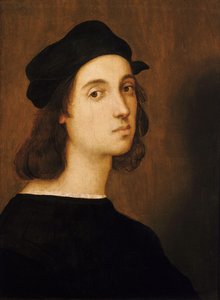
- Autoportret, Galleria degli Uffizi, Florencja
- Małżeństwo Najświętszej Marii Panny, Pinacoteca di Brera, Mediolan


 Rozwiń treść


 Przełącz na wydania drukowane


 W przypadku dzieł sztuki lub reprodukcji, których którykolwiek z boków przekracza 105 cm (około 41 cali), rama zostanie wysłana w formie zestawu do samodzielnego montażu. Metoda ta zapewnia bezpieczną dostawę i zapobiega uszkodzeniom podczas transportu.