


 Podgląd w skali 1:1

 Wyślij jako kartkę
 Udostępnij
 Szczegóły dzieła
 Przewodnik


 Pobierz obraz
 Podobne obiekty
 RTG
 Pokaz slajdów
 Pytania i odpowiedzi
 Statystyki
Evening

- 21.0 x 25.0 cm

 Rozwiń treść
Giclée / Wydruk artystyczny
Wydruki giclée lub płótna o jakości muzealnej, szybka realizacja i szeroki wybór opcji wykończenia. ( Zamów ręcznie malowaną reprodukcję Przejdź do wersji cyfrowej)
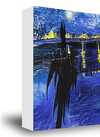
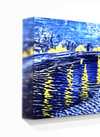
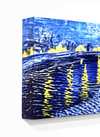
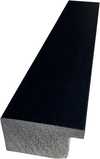
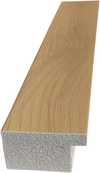
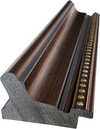
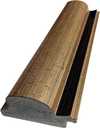
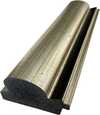
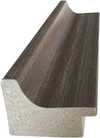
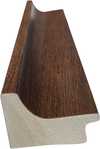
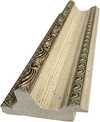
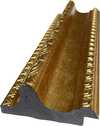
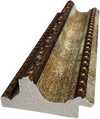
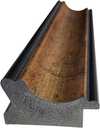
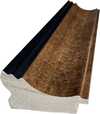
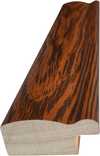
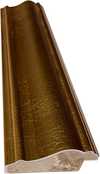
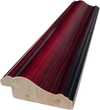
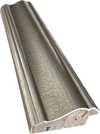
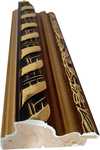
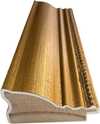
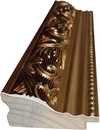
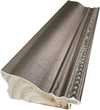
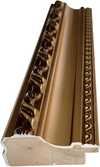
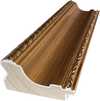
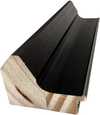
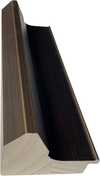
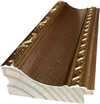
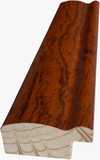
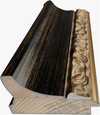
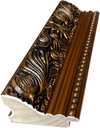
Wybierz spośród naszych standardowych rozmiarów, które zachowują oryginalne proporcje dzieła sztuki.

Wpisz wymaganą szerokość i wysokość, aby dopasować grafikę do ramy lub ściany. Wydruk można jedynie przyciąć, nigdy nie powiększając go poza oryginalny obraz, dlatego format o innych proporcjach spowoduje utratę części kompozycji. Przed rozpoczęciem druku prześlemy Ci cyfrowy podgląd do zatwierdzenia. Obraz wyświetlany na tej stronie nie pokazuje rzeczywistego przycięcia — jedynie podgląd oddaje ten efekt.
Dostawa na cały świat () w ciągu 2 tygodni zamiast standardowych 4/5 tygodni. (20 Listopad)

Bezpłatna ekspresowa wysyłka na cały świat

Wysokiej jakości płótno lniane

Pełne ubezpieczenie przesyłki

Gwarancja zwrotu należności celnych i podatków importowych

Gwarancja wiernego odwzorowania kolorów

100-dniowa polityka zwrotów (tylko w przypadku wad)

Gwarancja 100% zwrotu pieniędzy

Zniżka przy zakupie wielu sztuk
 Opcja ze szkłem jest dostępna wyłącznie w rozmiarach poniżej 110 cm

Evening
Giclée / Wydruk artystyczny
Wymiary reprodukcji
-


Cena całkowita
zł 253
Podobne dzieła


Biografia artysty
Early Life, Family and Artistic Training
Robert Burrows was born in Ipswich, Suffolk, in 1810. He was the eldest son of a silversmith, Robert Burrows, and Elizabeth Cordy. Growing up in a household shaped by the precise work of a silversmith, he eventually moved toward the study of fine art. He traveled to London to receive his training at the Royal Academy, where he learned the formal foundations of his craft.
His connection to the local art community in Ipswich remained strong throughout his life. Shortly after Henry Davy established the Ipswich Society of Professional & Amateur Artists in 1832, Robert Burrows joined the group. He became deeply involved in the organization's inner workings, eventually taking on the role of secretary. This involvement placed him at the center of the local creative circle during a period of significant change in how people captured the world around them.
The Landscapes of Ipswich and Suffolk
Burrows found his subject matter in the quiet corners of the Suffolk countryside. Much of his work focuses on the immediate surroundings of Ipswich, capturing the specific light and textures of the local terrain. He spent much of his time observing the way the landscape settled around the river valleys and the small lanes that connected the rural settlements.
In 1866, he painted Gainsborough’s Lane, a scene that looks closely at a typical Victorian village street. The work focuses on the cottages and the cobblestones under the afternoon light. His interest in the water is evident in his 1883 depictions, such as the Orwell River from Gainsborough Lane, Suffolk, and his views of Old Cauldwell. These paintings look at the Orwell River valley, focusing on the stillness of the water and the way the light sits upon the landscape. He also turned his attention to the architecture of the region, as seen in his 1883 painting of Old Gippeswyck Hall, Suffolk.
- Gainsborough's Lane (1866)
- Old Cauldwell (1883)
- River Orwell from Gainsborough Lane, Suffolk (1883)
- Old Gippeswyck Hall, Suffolk (1883)
Technique and Artistic Style
Burrows worked primarily with oil paints on canvas, applying pigment in thin layers to build a sense of light. His approach relied on meticulous observation and a steady hand. He favored controlled, deliberate brushstrokes that allowed him to capture the specific textures of the natural world. In his depictions of the Suffolk countryside, he focused on the way light interacts with different surfaces, particularly the movement of water and the density of foliage.
There is a quiet precision in how he handled tonal harmony. He did not rely on sudden shifts in color but instead worked through subtle gradations to create depth. This method is evident in his treatment of landscape elements, where he sought to replicate the actual appearance of the terrain through careful layering. His work often centers on the interplay between light and shadow in rural settings, such as the following pieces:
- Gainsborough's Lane (1866)
- Old Cauldwell (1883)
- River Orwell from Gainsborough Lane, Suffolk (1883)
His method required a patient, close-up study of his subjects. By prioritizing the physical reality of textures, he achieved a sense of atmospheric depth without losing the specific details of the landscape. This focus on the tangible qualities of nature—the roughness of a path or the stillness of a river—defines his visual language.
Legacy and Where to See the Works
Burrows represents a specific chapter in the history of Suffolk art and photography. His landscapes offer a way to see how Victorian life was perceived in the rural countryside. By using early photographic techniques, he showed an interest in capturing reality through these new mediums. His work remains a record of the changing landscape and the way light fell across the fields and river valleys of his home.
Several collections hold his paintings. The Darlington Library contains five of his works. In Ipswich, Christchurch Mansion holds two pieces. Other works can be found in the Sudbury Town Hall and the Sunderland Museum - Winter Gardens.

Robert Burrows
1810 - 1883
Krótka nota
- Artistic Movement Or Style: Romantic Landscape Painting
- Artists Or Movements Influenced By This Artist: ['Dutch Golden Age']
- Artists Who Influenced This Artist: ['John Constable']
- Date Of Birth: 1810
- Date Of Death: 1883
- Full Name: Robert Burrows
- Nationality: British
- Notable Artworks:
- Cattle Watering
- River Orwell from Gainsborough Lane, Suffolk
- Woodland Scene
- Place Of Birth: England