


 Zobacz w skali 1:1
 Wyślij
 Udostępnij
 Szczegóły
 Guide
Guide

 Pobierz plik obrazu
 Podobne obiekty
 RTG
RTG Pokaz slajdów
 Statystyki
A Cloudy Day, Bluebonnets near San Antonio, Texas


 Czytaj więcej
Ręcznie malowana reprodukcja olejowa
Ręcznie malowany obraz olejny na płótnie, wykonany na zamówienie przez naszych artystów w wybranym przez Ciebie wymiarze i oprawie. ( Przełącz na wersję drukowaną Przełącz na wersję cyfrową)




P118B $10

P118H $10

P118W $10

P438Z $10

P508JH $12

P508YH $12

P805H $10

P805Z $10

P919BZ $10

P919G $10

P919XJ $10

P959ZH $10

P968JZ $12

W106C $8

W218G $10

W218JH $8

W218Y $10

W307PJ $10

W316G $10

W316PJ $8

W316Y $10

W398PJ $8

W4111J $10

W500HY $15

W500JH $15

W692G $12

W849H $8

W940BG $15

W953PJ $8




Wybierz spośród naszych standardowych rozmiarów, które zachowują oryginalne proporcje dzieła sztuki.

Możesz wprowadzić własne wymiary, aby dopasować obraz do konkretnej ramy lub przestrzeni. Jeśli wybrany rozmiar nie będzie odpowiadał proporcjom oryginału, przytniecie dzieło sztuki lub rozszerzymy je o dodatkowe elementy, ręcznie domalowane przez artystę. Przed rozpoczęciem produkcji wyślemy projekt cyfrowy do Twojej akceptacji.
Należy pamiętać, że podgląd na ekranie nie odzwierciedla rzeczywistego przycinania ani rozszerzania obrazu. Tylko projekt dokładnie pokaże ostateczną kompozycję.
Choć oferujemy możliwość zamówienia niestandardowych rozmiarów, zalecamy wybór wymiaru z gotowej listy, aby zachować oryginalne proporcje dzieła.
Po złożeniu zamówienia zespół AllPaintingsStore.com skontaktuje się z klientem drogą mailową w celu uzyskania instrukcji i prześle wizualizację projektu
Dostawa na całym świecie () w ciągu 3–4 tygodni zamiast standardowych 5 tygodni. (21 Wrzesień). Bez kompromisów w kwestii jakości.

Bezpłatna ekspresowa wysyłka na cały świat

Wysokiej jakości płótno lniane

Pełne ubezpieczenie transportowe

Gwarancja zwrotu należności celnych i podatków importowych

Gwarancja idealnego odwzorowania barw

100-dniowy okres na zwrot dzieła w przypadku wykrycia wad produkcyjnych

Gwarancja 100% zwrotu pieniędzy

Oferta przy zakupie wielu sztuk
 Opcja ze szkłem jest dostępna wyłącznie w rozmiarach poniżej 110 cm

A Cloudy Day, Bluebonnets near San Antonio, Texas
Technika wykonania
Rozmiar reprodukcji
-


Suma do zapłaty
$ 258
A Cloudy Day, Bluebonnets near San Antonio, Texas: A Portrait of Texan Tranquility
Robert Julian Onderdonk’s “A Cloudy Day, Bluebonnets near San Antonio, Texas” is more than just a depiction of a Texas landscape; it's a poignant meditation on the region’s soul. Painted in 1918, this oil on canvas captures a fleeting moment of serene beauty – a field ablaze with bluebonnets under a softly clouded sky – offering a glimpse into the artistic vision of a man considered “the father of Texas painting.” The painting resides within the Amon Carter Museum of American Art, yet its essence transcends the walls of that institution, inviting viewers to experience the quiet grandeur of the Texan countryside.
- Subject Matter: The central focus is undeniably the vibrant bluebonnet field, a quintessential symbol of Texas. However, Onderdonk elevates this familiar scene through meticulous attention to detail – the delicate curves of the blossoms, the subtle variations in color, and the way they interact with the diffused light.
- Historical Context: Created during World War I, the painting reflects a period of introspection and a yearning for simpler times. The muted tones and tranquil subject matter offer a counterpoint to the anxieties of the era, suggesting a desire for peace and connection with nature.
The Impressionist Hand: Onderdonk’s Technique
Onderdonk's artistic style is firmly rooted in Impressionism, yet he imbued it with a distinctly Texan sensibility. His brushstrokes are soft and deliberate, creating an almost velvety texture that invites the viewer to linger on the surface of the painting. He masterfully employs color – particularly blues and purples – to capture the atmospheric effects of the cloudy sky, blending them seamlessly with the warm hues of the bluebonnets. This technique isn’t merely representational; it's a deeply felt response to the light and shadow that define the Texas landscape. The layering of paint creates an illusion of depth and volume, drawing the eye into the heart of the scene.
- Color Palette: The painting’s color scheme is dominated by cool blues and purples, contrasted with warmer tones in the blossoms and foliage. This juxtaposition creates a harmonious balance, reflecting the natural beauty of the Texas landscape.
- Brushwork: Onderdonk's loose, expressive brushstrokes contribute to the painting's overall sense of movement and atmosphere. They capture the fleeting effects of light and shadow, giving the impression that the scene is constantly changing.
Symbolism and Emotional Resonance
Beyond its aesthetic qualities, “A Cloudy Day, Bluebonnets near San Antonio, Texas” carries a subtle symbolic weight. The bluebonnets themselves represent resilience, beauty, and the enduring spirit of Texas. The cloudy sky suggests both mystery and tranquility, inviting contemplation. Onderdonk’s focus on capturing the *feeling* of the landscape – its quietude, its warmth, its connection to the earth – speaks to a deeper human desire for peace and harmony. It's a painting that evokes a sense of nostalgia, reminding us of simpler times and the enduring beauty of the natural world.
A Legacy Preserved: Reproduction Possibilities
AllPaintingsStore offers meticulously crafted hand-painted reproductions of Robert Julian Onderdonk’s “A Cloudy Day, Bluebonnets near San Antonio, Texas,” allowing you to bring this iconic piece into your own space. Each reproduction is created using the same techniques and attention to detail as the original, ensuring an authentic representation of Onderdonk's artistic vision. Whether for a gallery wall or a cherished interior design project, a AllPaintingsStore reproduction offers a timeless investment in art history.
Podobne dzieła


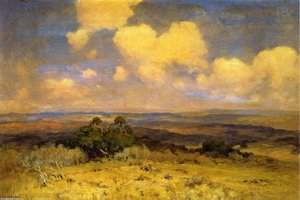


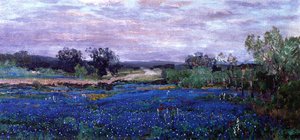


Biografia artysty
Robert Julian Onderdonk: The Texas Landscape Illuminated – A Life in Light and Color
Robert Julian Onderdonk, affectionately known as “the father of Texas painting,” wasn’t simply a recorder of the Lone Star State's beauty; he was its passionate interpreter, translating the spirit of the land onto canvas with an unparalleled sensitivity. Born in San Antonio on July 30, 1882, into an artistic lineage – his father, Robert Jenkins Onderdonk, being a respected painter himself – Julian’s life unfolded as a deeply personal and profoundly creative exploration of light, color, and the captivating essence of his native land. His early years were steeped in this artistic atmosphere, nurtured by a family that valued both intellectual pursuits and the expressive power of art; this foundation proved crucial, shaping a career dedicated to capturing the soul of Texas on canvas. The Onderdonk heritage also extended to education through his grandfather, Henry Onderdonk, who served as headmaster of Saint James School in Maryland, instilling a sense of refinement alongside artistic fervor. From these roots blossomed a talent that would come to define a distinctly Texan voice within the broader American Impressionist movement.From New York Studies to a Texan Vision
Onderdonk’s formal artistic journey began at West Texas Military Academy, where he simultaneously honed his skills and supported his education by teaching art. A pivotal moment arrived in 1901 when, through the generosity of a neighbor, he traveled to New York City. There, he immersed himself completely in the teachings of William Merritt Chase at Shinnecock Hills Summer School of Art on Long Island. This experience proved transformative, instilling within him a deep appreciation for *en plein air* painting – the practice of creating art directly from nature – and an unwavering focus on capturing those fleeting, ephemeral moments of light and atmosphere. He continued his studies with Chase for several years, absorbing not just techniques but also the philosophy behind them, learning to see the world through an artist’s eye. Despite initial attempts to establish himself in New York’s bustling art scene, where he married Gertrude Shipman and began a family, Onderdonk found an undeniable pull back towards the landscapes of his youth – the familiar hues and expansive vistas of Texas called to him with a powerful resonance. The vibrant colors and seemingly endless horizons of the Texan countryside promised a unique artistic inspiration that the urban environment simply couldn’t match.A Homecoming and the Bloom of Inspiration
The year 1909 marked a significant turning point as Onderdonk returned to San Antonio, bringing with him his family. This relocation ushered in what would become the most productive and celebrated period of his career. He wholeheartedly dedicated himself to portraying the beauty of the Texan countryside, quickly becoming renowned for his vibrant depictions of bluebonnet fields – scenes that would soon become inextricably linked with his artistic identity. Onderdonk’s paintings are characterized by a distinctive style: loose brushstrokes that seemed to dance across the canvas, a rich palette of colors drawn directly from the landscape itself, and an unwavering focus on capturing the fleeting qualities of light and atmosphere. He wasn't merely painting landscapes; he was conveying a feeling, an experience – the very soul of Texas. His paintings are imbued with a sense of warmth, nostalgia, and a deep connection to the land. Works like “Blue Bonnet Field, Early Morning, San Antonio Texas” (1914), “Road to the Hills” (1918), "Early Spring—Bluebonnets and Mesquite" (1919), “Coreopsis, near San Antonio, Texas” (1919), and “Dawn in the Hills” (1922) exemplify his mastery of Impressionistic techniques and his profound understanding of how to translate the essence of a Texan landscape onto canvas. He sought not just to represent what he saw, but *how* it felt to be immersed in that landscape – bathed in its light and air.Key Influences and Artistic Style
Onderdonk’s artistic development was shaped by several key influences. William Merritt Chase's emphasis on *en plein air* painting—working directly from nature—was particularly formative, instilling a deep respect for the immediacy of observation and the importance of capturing fleeting moments of light. The teachings of James Carroll Beckwith also played a role in shaping his approach to color and composition. However, it was his own unique connection to Texas that truly defined his style. He developed a distinctive palette—often dominated by blues, greens, and yellows—that perfectly captured the colors of the Texan landscape. His brushwork was loose and expressive, creating a sense of movement and vitality in his paintings. He wasn’t interested in photographic realism; instead, he aimed to evoke an emotional response in the viewer through color, light, and composition. He skillfully blended Impressionistic techniques with a distinctly Texan sensibility, resulting in works that are both beautiful and deeply evocative.Historical Significance and Legacy
Robert Julian Onderdonk's untimely death in 1922 at the age of forty tragically cut short a promising career, yet his legacy continues to resonate profoundly within Texan artistic circles and beyond. He is widely regarded as “the father of Texas painting,” a title earned through his unwavering dedication to portraying the unique beauty of the Texan landscape and establishing a distinctly Texan voice within American Impressionism. His influence extended far beyond his own creations, inspiring generations of artists to embrace regional subjects and develop their own distinctive styles rooted in the spirit of the Southwest. Recognition of his importance grew steadily over time, culminating in national acclaim – three of his paintings were even proudly displayed in the Oval Office during President George W. Bush’s administration. The Dallas Museum of Art houses a significant collection of his work, dedicating several rooms to showcase his artistic achievements and the evolution of his style. Furthermore, the preservation of his former art studio on the grounds of the Witte Museum in San Antonio serves as a tangible reminder of his enduring legacy – a place where visitors can step back in time and experience the world through the eyes of one of Texas’s most beloved artists. His work remains a powerful testament to the beauty and spirit of Texas, continuing to captivate audiences with its vibrant colors and evocative depictions of the natural world. His art is not merely a visual representation; it's an invitation to feel the warmth of the Texas sun and breathe in the scent of its wildflowers.
Robert Julian Onderdonk
1880 - 1922 , Stany Zjednoczone
Najważniejsze informacje
- Artistic Movement Or Style: Impresjonizm
- Artists Or Movements Influenced By This Artist: ['Texańscy artyści']
- Artists Who Influenced This Artist: ['William Chase']
- Date Of Birth: 30 lipca 1882
- Date Of Death: 27 października 1922
- Full Name: Robert Julian Onderdonk
- Nationality: Amerykański
- Notable Artworks:
- Pole z łubinów
- Droga do wzgórz
- Place Of Birth: San Antonio, USA
Zobacz także powiązane artykuły
10 Arcydzieł Impresjonizmu Krajobrazowego, Które Zdefiniowały Sztukę
Odkryj 10 arcydzieł impresjonizmu krajobrazowego! Poznaj historie Moneta, Renoir'a i Van Gogha. Inspiracje wnętrzarskie, techniki malarskie i piękne reprodukcje obrazów na AllPaintingsStore.com. Eksploruj kolekcję online!
Paul Cézanne: 25 Arcydzieł, które Zrewolucjonizowały Świat Sztuki | AllPaintingsStore
Odkryj 25 arcydzieł Paula Cézanne'a – od impresjonizmu po postimpresjonizm. Poznaj historie, techniki i inspiracje malarza, który zrewolucjonizował sztukę. Reprodukcje obrazów najwyższej jakości na AllPaintingsStore.com!

Robert Julian Onderdonk: Pioneering Texas Impressionism & Capturing Regional Light
Explore the life & art of Robert Julian Onderdonk, 'the Father of Texas Painting.' Discover his vibrant Impressionist landscapes, iconic bluebonnets, and lasting legacy. Learn about collecting Onderdonk's work today.

Romantyczny Krajobraz w Malarstwie: 10 Arcydzieł, Które Zdefiniowały Epokę | AllPaintingsStore.com
Odkryj 10 arcydzieł romantyzmu w malarstwie! Poznaj historie Caspara Davida Friedricha, Turnera i innych mistrzów. Inspiracje wnętrzarskie & reprodukcje obrazów najwyższej jakości na AllPaintingsStore.com. Eksploruj kolekcję online!

Evocations of Place: A Historical Journey Through Landscape Art
Explore the rich history of landscape art with AllPaintingsStore. Discover renowned artists, movements like Impressionism & Romanticism, and expert guidance for collecting timeless pieces. Find your perfect serene escape today!

