


 Podgląd w skali 1:1
 Wyślij jako kartkę
 Udostępnij
 Szczegóły dzieła
 Przewodnik

 Pobierz obraz
 Podobne obiekty
 RTG
RTG Pokaz slajdów
 Statystyki
Pieta
 Farba olejna na płycie
- Sztuka ścienna
- Gotyk wczesnoniderlandzki
 1450
1450- Renesans
 47.0 x 35.0 cm
 Muzeum Prado
 Rozwiń treść
Giclée / Wydruk artystyczny
Wydruki giclée lub płótna o jakości muzealnej, szybka realizacja i szeroki wybór opcji wykończenia. ( Zamów ręcznie malowaną reprodukcję Przejdź do wersji cyfrowej)




P118B zł10

P118H zł10

P118W zł10

P438Z zł10

P508JH zł12

P508YH zł12

P805H zł10

P805Z zł10

P919BZ zł10

P919G zł10

P919XJ zł10

P959ZH zł10

P968JZ zł12

W106C zł8

W218G zł10

W218JH zł8

W218Y zł10

W307PJ zł10

W316G zł10

W316PJ zł8

W316Y zł10

W398PJ zł8

W4111J zł10

W500HY zł15

W500JH zł15

W692G zł12

W849H zł8

W940BG zł15

W953PJ zł8




Wybierz spośród naszych standardowych rozmiarów, które zachowują oryginalne proporcje dzieła sztuki.

Wpisz wymaganą szerokość i wysokość, aby dopasować grafikę do ramy lub ściany. Wydruk można jedynie przyciąć, nigdy nie powiększając go poza oryginalny obraz, dlatego format o innych proporcjach spowoduje utratę części kompozycji. Przed rozpoczęciem druku prześlemy Ci cyfrowy podgląd do zatwierdzenia. Obraz wyświetlany na tej stronie nie pokazuje rzeczywistego przycięcia — jedynie podgląd oddaje ten efekt.
Dostawa na cały świat () w ciągu 2 tygodni zamiast standardowych 4/5 tygodni. (28 Październik)

Bezpłatna ekspresowa wysyłka na cały świat

Wysokiej jakości płótno lniane

Pełne ubezpieczenie przesyłki

Gwarancja zwrotu należności celnych i podatków importowych

Gwarancja wiernego odwzorowania kolorów

100-dniowa polityka zwrotów (tylko w przypadku wad)

Gwarancja 100% zwrotu pieniędzy

Zniżka przy zakupie wielu sztuk
 Opcja ze szkłem jest dostępna wyłącznie w rozmiarach poniżej 110 cm

Pieta
Giclée / Wydruk artystyczny
Wymiary reprodukcji
-


Cena całkowita
zł 246
Symfonia smutku: Wieczna łaska Piety Rogiera van der Weydena
W cichej ciszy połowy XV wieku, w krajobrazie sztuki północnoeuropejskiej dokonała się głęboka transformacja, odchodząc od stylizowanych ikon w stronę wizceralnej, żyjącej rzeczywistości. W samym sercu tego ruchu stoi Pieta Rogiera van der Weydena, arcydzieło, które nie tylko przedstawia biblijne wydarzenie, ale zaprasza widza do świętej przestrzeni wspólnej żałoby. Dokończona około 1450 roku, ta olejowa praca na dębowej desce służy jako monumentalne świadectwo ludzkiego cierpienia i boskiego współczucia. Scena ta uchwyciła ciężką, rozdzierającą serce chwilę, w której Matka Boża tuli bez życia ciało swojego syna, Jezusa Chrystusa, po jego zdjęciu z krzyża. Jest to kompozycja wykraczająca poza czas, oferująca okno do duszy okresu wczesnoniderlandzkiego.
Techniczna genialność van der Weydena jest po prostu niezwykła, odzwierciedlając jego wczesne przeszkolenie złotnicze. Tło to jest widoczne w skrupulatnej precyzji, z jaką oddaje każdą fałdę tkaniny i każdy błysk światła. Artysta stosuje wyrafinowane wykorzystanie chiaroscuro, tworząc dramatyczne kontrasty między głębokimi, aksamitnymi cieniami a świetlistymi rozjaśnieniami, które rzeźbią postacie z trójwymiarową obecnością. Jego mistrzostwo w posługiwaniu się medium olejnym pozwala na niemal dotykową jakość; można poczuć ciężar bezwładnych kończyn Chrystusa oraz ciężką, teksturalną draperię szat Maryi. Takie rzeźbiarskie podejście do malarstwa nadaje eterycznej tematyce ugruntowaną, namacalną rzeczywistość, sprawiając, że boska tragedia wydaje się intymnie ludzka.
Język pobożności i detalu
Poza swoją techniczną biegłością, Pieta jest mistrzowską lekcją realizmu psychologicznego i symbolicznej głębi. Podczas gdy wiele współczesnych dzieł opierało się na sztywnych, symbolicznych gestach, van der Weyden był pionierem języka emocjonalnego, który przemawia bezpośrednio do empatii widza. Wyraz twarzy nie są jedynie maskami żalu, lecz niuansowanymi studiami smutku, charakteryzującymi się cichą, godną agonią. Każdy element kompozycji został zaprojektowany tak, aby wywołać compassio — współcierpienie Matki Bożej z jej synem. Sposób rozmieszczenia postaci tworzy poczucie zamkniętej, intymnej przestrzeni, wciągając obserwatora w prywatną chwilę lamentu.
Dla wymagającego kolekcjonera lub projektanta wnętrz dzieło to oferuje coś więcej niż tylko estetyczne piękno; stanowi ono punkt centralny o głębokiej mocy kontemplacyjnej. Subtelna gra światła i cienia sprawia, że jest to wszechstronny element dla luksusowych przestrzeni, zdolny do nadania pomieszczeniu historycznej powagi i ponurej elegancji. Niezależnie od tego, czy zostanie umieszczona w galerii, czy jako centralny punkt starannie dobranej kolekcji renesansowych reprodukcji, Pieta przyciąga uwagę swoją zdolnością do wywoływania poczucia pokoju, czci i ponadczasowości. Pozostaje ona trwałym ikonem stylu gotyku międzynarodowego, łącząc przepaść między średniowieczną pobożnością przeszłości a humanistycznym realizmem rodzącego się Renesansu.
Pytania i odpowiedzi
Czy mogę zobaczyć „Pieta” – Rogier van der Weyden na własnej ścianie przed zakupem?
„Pieta” posiada podgląd w rozszerzonej rzeczywistości: strona Podgląd w AR pozwala zobaczyć dzieło w Twojej własnej przestrzeni na kompatybilnym urządzeniu.
Kto stworzył "Pieta"?
Autorem dzieła „Pieta” jest Rogier van der Weyden. Praca ta figuruje w katalogu pod nazwiskiem Rogier van der Weyden.
Kiedy powstało dzieło "Pieta" i do jakiego nurtu należy?
„Pieta” – Rogier van der Weyden datowane jest na 1450 rok i reprezentuje nurt Gotyk wczesnoniderlandzki.
Biografia artysty
A Master of Emotion: The Life and Legacy of Rogier van der Weyden
Rogier de la Pasture – known to history as Rogier van der Weyden – emerged around 1400 in the vibrant city of Tournai, nestled within what is now Belgium. His early life remains somewhat shrouded in mystery, but it’s believed he initially honed his skills not with brush and pigment alone, but as a goldsmith. This formative training instilled within him an unwavering dedication to meticulous detail and a refined sensibility for craftsmanship – qualities that would become hallmarks of his artistic style. The precision demanded by working with precious metals undoubtedly translated into the exquisite rendering of textures, fabrics, and expressions that define his masterpieces. He wasn’t merely depicting reality; he was recreating it with painstaking accuracy, imbued with an almost reverent attention to detail.From Tournai to Brussels: A Rising Star
By 1427, van der Weyden had ascended to the rank of master within the Guild of Saint Luke in Tournai, a testament to his burgeoning talent and skill. This marked a significant turning point, solidifying his position as a professional artist and opening doors to important commissions. His ascent continued when he entered the service of Philip the Good, Duke of Burgundy, in 1435 – a patronage that would profoundly shape his career for the remainder of his life. Serving as court painter afforded him not only financial security but also access to an elite circle of influence and exposure to some of the most discerning eyes of the era. It was during this period that van der Weyden’s artistic vision truly began to mature, moving away from the somewhat rigid conventions of earlier Netherlandish painters towards a more emotionally resonant and naturalistic approach. He wasn't simply painting religious scenes; he was striving to evoke genuine feeling in the viewer, to create an experience that transcended mere observation.The Language of Feeling: Style and Technique
Rogier van der Weyden’s artistic signature is immediately recognizable through several defining characteristics. His palette was remarkably rich and diverse, a vibrant tapestry of colors carefully chosen to avoid repetition and create depth and complexity within his compositions. He possessed an extraordinary ability to convey profound emotion – *pathos* – particularly in depictions of religious subjects like the Lamentation, where grief and sorrow are palpable. This emotional intensity wasn’t achieved through dramatic gestures or exaggerated expressions; rather, it was subtly woven into the very fabric of the painting, conveyed through delicate nuances of facial expression, body language, and composition. His figures, while adhering to the conventions of the time, demonstrate a growing interest in realistic representation – not just in anatomy and drapery, but also in capturing the psychological states of his subjects. They possess a dignified, almost sculptural quality, particularly evident in his grand triptychs, lending them an air of solemnity and reverence. He masterfully employed oil paint, building up layers of translucent glazes to achieve luminous effects and create a sense of depth and realism that was revolutionary for its time.Notable Works and Enduring Masterpieces
Throughout his prolific career, van der Weyden produced numerous works that stand as testaments to his artistic prowess. *St Luke Drawing a Portrait of the Madonna*, housed in the Museum of Fine Arts, Boston, showcases his mastery of oil on panel and meticulous observation. The *Lamentation*, residing in the Musée des Beaux-Arts Tournai, Belgium, is perhaps his most celebrated work – a powerfully emotive depiction of Christ’s mourning, renowned for its dramatic use of *chiaroscuro* and its ability to evoke profound sorrow in the viewer. Multiple versions of *The Deposition* exist, each demonstrating his skill in conveying grief and drama with breathtaking sensitivity. The *Annunciation*, a masterpiece of refined style and attention to detail, exemplifies his ability to imbue even the most traditional subjects with a sense of freshness and vitality. And finally, the intricate and richly detailed *Bladelin Triptych* stands as a monumental achievement – a complex altarpiece that showcases the full range of van der Weyden’s artistic abilities. These works, and many others, continue to captivate audiences today, solidifying his position as one of the most important painters of the 15th century.Lasting Influence: A Legacy Forged in Paint
Van der Weyden’s influence extended far beyond the borders of his native Flanders. His works were highly sought after throughout Europe, particularly in Italy and Spain, where they introduced a new level of emotional depth and naturalism to local artistic traditions. Although his fame experienced a period of relative decline in the 17th century, a rediscovery during the 19th century cemented his place as one of the most important painters of the 15th century. He stands alongside Jan van Eyck and Robert Campin as one of the “three great” Early Flemish masters, each contributing uniquely to the development of Northern Renaissance art. His innovative techniques and emotionally charged compositions paved the way for future generations of artists, inspiring countless imitators and influencing the course of Western painting for centuries to come. He helped establish oil painting as the dominant medium and elevated the status of the artist within society, transforming them from skilled craftsmen into revered creators. Rogier van der Weyden’s legacy continues to resonate today, a testament to his enduring genius and his profound understanding of the human condition.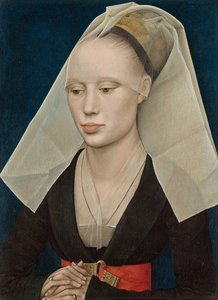
Rogier van der Weyden
1400 - 1464 , Belgia
Krótka nota
- Artistic Movement Or Style: Rannolatyńska malarstwo
- Artists Or Movements Influenced By This Artist:
- Włoskie renesans
- Hiszpańskie malarstwo
- Artists Who Influenced This Artist:
- Robert Campin
- Jan van Eyck
- Date Of Birth: c. 1400
- Date Of Death: 1464
- Full Name: Rogier van der Weyden
- Nationality: Belgijczyk
- Notable Artworks:
- Lamentacja
- Odpoczynek
- Obmówienie Marii
- Place Of Birth: Tournai, Belgia
Powiązane artykuły

Early Netherlandish Renaissance: A Professional Guide to Mastering Detail and Realism for Luxury Interior Design
Expert guide for hotel designers on sourcing Early Netherlandish Renaissance reproductions. Discover how the hyper-realism of Jan van Eyck can elevate hospitality interiors through high-quality, large-scale oil paintings and custom multi-panel installations.


