Gwarancja zwrotu pieniędzy · 100 dni Darmowa dostawa na cały świat
449 564dzieła sztuki 30 613artyści 4 660muzea 32język
Wpis do katalogu

Visitation

1445. Oil On Canvas, 57.0 x 36.0 cm. Museum der bildenden Künste.

Ryc. 1. Rogier van der Weyden, Visitation, 1445. Przedstawiono jako wybraną przez Ciebie reprodukcję: , .

§ 1Dane katalogowe

Wymiary
57.0 x 36.0 cm

§ 2Abstrakcja

Opis obiektu

Biografia artysty

Rogier van der Weyden (c. 1400-1464): Mistrz flamandzkiego malarstwa, znany z emocjonalnych obrazów religijnych i niezwykłej precyzji wykonania. Odkryj 'Lamentację' i więcej!

§ 3Komentarz

A Moment of Grace: Rogier van der Weyden’s “Visitation” – A Window into Early Netherlandish Devotion

Rogier van der Weyden's "Visitation," painted in 1445, isn’t merely a depiction of a biblical scene; it’s a profound meditation on faith, familial connection, and the quiet miracle at the heart of Christian belief. This intimate panel, measuring just 57 x 36 cm, radiates an almost palpable serenity, achieved through Van der Weyden's masterful command of detail and his revolutionary approach to portraying human emotion. The painting captures the moment when Mary receives a visit from Elizabeth, foretold in the Old Testament prophecies – a pivotal event that sets the stage for the arrival of John the Baptist and ultimately, the birth of Jesus Christ. The scene unfolds within a modestly furnished interior, suggesting a domestic setting rather than a grand religious space, which immediately draws the viewer into a sense of personal connection with this sacred narrative.

Technical Brilliance and the Art of Texture

Van der Weyden’s reputation rests firmly on his unparalleled skill in rendering texture and form. Observe meticulously how he builds up the fabrics – the voluminous folds of Mary's robe, the delicate draping around Elizabeth – not with broad strokes but with countless layers of thin paint, creating an illusion of incredible depth and tactile realism. This technique, perfected through his earlier experience as a goldsmith, is evident in every shimmering thread and subtle crease. The use of *sfumato*, a hazy effect achieved by blending colors subtly, softens the edges and contributes to the painting’s overall sense of atmosphere and intimacy. The artist's attention to detail extends beyond the figures themselves; note the meticulously rendered wooden beams of the architectural background, the delicate leaves of the potted plants – each element contributing to the illusionistic space.

  • Oil Paint Innovation: “Visitation” is considered a landmark work in the development of oil painting. Van der Weyden’s use of oil allowed for greater luminosity and richer colors than previous tempera techniques, enhancing the realism he sought.
  • Modeling with Light & Shadow: The subtle play of light across the figures and objects creates a powerful sense of volume and depth, further emphasizing the three-dimensionality of the scene.

Symbolism Woven into the Scene – Birds, Plants, and the Language of Faith

Beyond the central narrative, “Visitation” is rich in symbolic detail. The two birds soaring above the figures are often interpreted as representing the Holy Spirit, a divine messenger connecting Mary and Elizabeth across time and space. The presence of the three potted plants – a lily, a rose, and a plant with rounded leaves – adds a layer of botanical symbolism. Lilies traditionally represent purity and virginity, while roses symbolize love and devotion. The third plant, often identified as a rue or similar herb, may allude to repentance and humility. The very act of greeting and conversation between the two women underscores the importance of community and mutual support within the Christian faith.

Emotional Resonance: A Portrait of Maternal Grace

What truly elevates “Visitation” is its ability to evoke a profound sense of empathy and connection. Van der Weyden masterfully captures the quiet dignity and gentle affection between Mary and Elizabeth. Their expressions are not overtly ecstatic, but rather convey a deep understanding and mutual respect born from shared faith and divine grace. The painting speaks to the enduring power of family bonds – both earthly and spiritual – and the transformative nature of belief. It’s a scene that invites contemplation on themes of hope, lineage, and the quiet miracles that shape our lives. This reproduction allows you to bring this powerful image into your home, experiencing its emotional depth and technical brilliance firsthand.

Pytania i odpowiedzi

Jaki rozmiar wydruku jest zalecany dla dzieła "Visitation"?

Dla dzieła „Visitation” – Rogier van der Weyden sugerowana jest reprodukcja w formacie Medium. Rozmiar można dostosować, zachowując proporcje.

Czy "Visitation" to słynne dzieło nurtu Early Netherlandish Painting?

„Visitation” – Rogier van der Weyden jest klasyfikowane jako Recognized i należy do nurtu Early Netherlandish Painting.

Do jakiego pomieszczenia, biorąc pod uwagę kolorystykę, polecane jest dzieło „Visitation” – Rogier van der Weyden?

Biorąc pod uwagę jego Earthy kolorystykę, dzieło "Visitation" idealnie pasuje do Living Room.
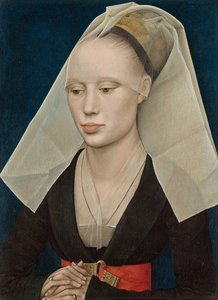
§ 4Artysta

Rogier van der Weyden

Rogier van der Weyden

1400 - 1464, Belgia

Krótkie informacje o Rogier van der Weyden

  • Artistic Movement Or Style: Rannolatyńska malarstwo
  • Artists Or Movements Influenced By This Artist:
    • Włoskie renesans
    • Hiszpańskie malarstwo
  • Artists Who Influenced This Artist:
    • Robert Campin
    • Jan van Eyck
  • Date Of Birth: c. 1400
  • Date Of Death: 1464
  • Full Name: Rogier van der Weyden
  • Nationality: Belgijczyk
  • Notable Artworks:
    • Lamentacja
    • Odpoczynek
    • Obmówienie Marii
  • Place Of Birth: Tournai, Belgia

Biografia artysty

A Master of Emotion: The Life and Legacy of Rogier van der Weyden

Rogier de la Pasture – known to history as Rogier van der Weyden – emerged around 1400 in the vibrant city of Tournai, nestled within what is now Belgium. His early life remains somewhat shrouded in mystery, but it’s believed he initially honed his skills not with brush and pigment alone, but as a goldsmith. This formative training instilled within him an unwavering dedication to meticulous detail and a refined sensibility for craftsmanship – qualities that would become hallmarks of his artistic style. The precision demanded by working with precious metals undoubtedly translated into the exquisite rendering of textures, fabrics, and expressions that define his masterpieces. He wasn’t merely depicting reality; he was recreating it with painstaking accuracy, imbued with an almost reverent attention to detail.

From Tournai to Brussels: A Rising Star

By 1427, van der Weyden had ascended to the rank of master within the Guild of Saint Luke in Tournai, a testament to his burgeoning talent and skill. This marked a significant turning point, solidifying his position as a professional artist and opening doors to important commissions. His ascent continued when he entered the service of Philip the Good, Duke of Burgundy, in 1435 – a patronage that would profoundly shape his career for the remainder of his life. Serving as court painter afforded him not only financial security but also access to an elite circle of influence and exposure to some of the most discerning eyes of the era. It was during this period that van der Weyden’s artistic vision truly began to mature, moving away from the somewhat rigid conventions of earlier Netherlandish painters towards a more emotionally resonant and naturalistic approach. He wasn't simply painting religious scenes; he was striving to evoke genuine feeling in the viewer, to create an experience that transcended mere observation.

The Language of Feeling: Style and Technique

Rogier van der Weyden’s artistic signature is immediately recognizable through several defining characteristics. His palette was remarkably rich and diverse, a vibrant tapestry of colors carefully chosen to avoid repetition and create depth and complexity within his compositions. He possessed an extraordinary ability to convey profound emotion – *pathos* – particularly in depictions of religious subjects like the Lamentation, where grief and sorrow are palpable. This emotional intensity wasn’t achieved through dramatic gestures or exaggerated expressions; rather, it was subtly woven into the very fabric of the painting, conveyed through delicate nuances of facial expression, body language, and composition. His figures, while adhering to the conventions of the time, demonstrate a growing interest in realistic representation – not just in anatomy and drapery, but also in capturing the psychological states of his subjects. They possess a dignified, almost sculptural quality, particularly evident in his grand triptychs, lending them an air of solemnity and reverence. He masterfully employed oil paint, building up layers of translucent glazes to achieve luminous effects and create a sense of depth and realism that was revolutionary for its time.

Notable Works and Enduring Masterpieces

Throughout his prolific career, van der Weyden produced numerous works that stand as testaments to his artistic prowess. *St Luke Drawing a Portrait of the Madonna*, housed in the Museum of Fine Arts, Boston, showcases his mastery of oil on panel and meticulous observation. The *Lamentation*, residing in the Musée des Beaux-Arts Tournai, Belgium, is perhaps his most celebrated work – a powerfully emotive depiction of Christ’s mourning, renowned for its dramatic use of *chiaroscuro* and its ability to evoke profound sorrow in the viewer. Multiple versions of *The Deposition* exist, each demonstrating his skill in conveying grief and drama with breathtaking sensitivity. The *Annunciation*, a masterpiece of refined style and attention to detail, exemplifies his ability to imbue even the most traditional subjects with a sense of freshness and vitality. And finally, the intricate and richly detailed *Bladelin Triptych* stands as a monumental achievement – a complex altarpiece that showcases the full range of van der Weyden’s artistic abilities. These works, and many others, continue to captivate audiences today, solidifying his position as one of the most important painters of the 15th century.

Lasting Influence: A Legacy Forged in Paint

Van der Weyden’s influence extended far beyond the borders of his native Flanders. His works were highly sought after throughout Europe, particularly in Italy and Spain, where they introduced a new level of emotional depth and naturalism to local artistic traditions. Although his fame experienced a period of relative decline in the 17th century, a rediscovery during the 19th century cemented his place as one of the most important painters of the 15th century. He stands alongside Jan van Eyck and Robert Campin as one of the “three great” Early Flemish masters, each contributing uniquely to the development of Northern Renaissance art. His innovative techniques and emotionally charged compositions paved the way for future generations of artists, inspiring countless imitators and influencing the course of Western painting for centuries to come. He helped establish oil painting as the dominant medium and elevated the status of the artist within society, transforming them from skilled craftsmen into revered creators. Rogier van der Weyden’s legacy continues to resonate today, a testament to his enduring genius and his profound understanding of the human condition.

§ 5Podobne dzieła

§ 6Pytania

Najważniejsze informacje

  • Artist: Rogier van der Weyden
  • Dimensions: 57 x 36 cm
  • Artistic style: Realistic detail
  • Notable elements: Birds, plants
  • Year: 1445

Quiz o sztuce

Do każdego pytania dotyczy tylko jedna poprawna odpowiedź.

Pytanie 1:
The painting ‘Visitation’ by Rogier van der Weyden primarily depicts which biblical event?
Pytanie 2:
What is a notable characteristic of Rogier van der Weyden’s artistic style, evident in ‘Visitation’?
Pytanie 3:
The presence of birds in the background of ‘Visitation’ likely symbolizes which concept?
Pytanie 4:
In what year was ‘Visitation’ painted, according to the provided information?
Pytanie 5:
Rogier van der Weyden’s early training as a goldsmith influenced his artistic approach. What specific quality did this training likely contribute to his work?

§ 7Cytuj ten wpis

AllPaintingsStore.com, “Rogier van der Weyden, Visitation (1445)”, https://allpaintingsstore.com/pl/art/rogier-van-der-weyden-visitation-8Y3M4W-en/ArtistReproduction/ (dostęp dnia 6 Październik 2026).

§ 8Reprodukcja dzieła

Ręcznie malowana reprodukcja olejowa

Ręcznie malowany obraz olejny na płótnie, wykonany na zamówienie przez naszych artystów w wybranym przez Ciebie wymiarze i oprawie. ( Przełącz na wydania drukowane Przejdź do wersji cyfrowej)

Informacja ta widnieje na marginesie arkusza zamówienia; obecny stan tego arkusza przedstawia się następująco.

Visitation

Technika reprodukcji

Wymiary reprodukcji

-

Wybitny mistrz artystyczny

Większa szczegółowość, finezja i dodatkowy czas na realizację

-

Opcje oprawy reprodukcji

-

-

W przypadku dzieł sztuki lub reprodukcji, których którykolwiek z boków przekracza 105 cm (około 41 cali), rama zostanie wysłana w formie zestawu do samodzielnego montażu. Metoda ta zapewnia bezpieczną dostawę i zapobiega uszkodzeniom podczas transportu.

Wymagany profesjonalny montaż – nie jest to produkt typu DIY.
Zestaw musi zostać złożony, a płótno naciągnięte przez doświadczonego profesjonalnego ramiarza, przy użyciu kleju do drewna (brak w zestawie), kleszczy do naciągania płótna oraz ścisków, które utrzymają krosna w równej pozycji podczas schnięcia kleju. Nieprawidłowy montaż lub nierównomierne napięcie płótna może trwale uszkodzić dzieło sztuki i nie podlega naszej gwarancji.

  • W zestawie znajdują się wszystkie listwy z litego drewna, precyzyjnie docięte do wymiarów.

  • Montaż odbywa się przy użyciu dołączonych wkrętów oraz kleju do drewna do łączenia narożników, którego zestaw nie zawiera i który musi zostać dostarczony przez ramiarza.

  • Wymagane są profesjonalne narzędzia, których nie ma w zestawie: kleszcze do naciągania płótna (napinacz) oraz zaciski, które pozwolą utrzymać listwy w równej pozycji podczas schnięcia kleju.

Ważne:
Do połączenia narożników niezbędny jest klej do drewna, listwy należy unieruchomić za pomocą ścisków do momentu całkowitego wyschnięcia kleju, a naciągnięcie płótna na złożoną ramę wymaga użycia kleszczy do naciągania płótna. Żaden z tych elementów nie jest dołączony do zestawu. Przed zamówieniem tego rozmiaru zalecamy konsultację z doświadczonym ramiarzem.

Etykieta obiektu

-

-

Lakier ochronny

Lakier z połyskiem (pogłębia kolory, chroni przed światłem i wilgocią)

-

Personalizacja dzieła

Przykłady możliwości personalizacji: zastąp twarz zdjęciem klienta; dodaj zwierzę domowe (np. zamień kota na psa); umieść ukrytą wiadomość w tle; zmień krajobraz lub elementy tła.

-

Ekspresowa

Dostawa na cały świat () w ciągu 3–4 tygodni zamiast standardowych 5 tygodni. (3 Listopad). Bez kompromisów w kwestii jakości.

-

Przesyłka ekspresowa

Dostawa na cały świat () w ciągu 5 tygodni. (10 Listopad).

W cenie

Cena całkowita

zł 1009

W każdym zamówieniu

  • Bezpłatna ekspresowa wysyłka na cały świat
  • Wysokiej jakości płótno lniane
  • Pełne ubezpieczenie przesyłki
  • Gwarancja zwrotu należności celnych i podatków importowych
  • Gwarancja wiernego odwzorowania kolorów
  • 100-dniowa polityka zwrotów (tylko w przypadku wad)
  • Gwarancja 100% zwrotu pieniędzy
  • Zniżka przy zakupie wielu sztuk
Arkusz zamówień