

1952. Acrylic On Canvas.

§ 1Dane katalogowe


Ten utwór podlega ochronie prawem autorskim
Dzieło sztuki prezentowane na tej stronie podlega ochronie prawem autorskim, co oznacza, że nie mamy prawa do tworzenia ani sprzedaży jego identycznej reprodukcji. Ochrona ta jest egzekwowana na mocy umów międzynarodowych, takich jak Konwencja berneńska oraz przez przepisy prawa krajowego, w tym te określone w Prawo autorskie USA – Tytuł 17.
Jako pełną szacunku i legalną alternatywę oferujemy personalizowane, malowane ręcznie dzieła sztuki inspirowane oryginałem. Nasi wykwalifikowani i profesjonalni artyści starannie analizują styl, nastrój oraz artystyczną esencję pierwowzoru, aby stworzyć nowe, unikalne dzieło, które przywołuje te same emocje – pozostając jednocześnie w pełni oryginalną kreacją.
Metoda ta jest w pełni zgodna z przepisami prawa autorskiego, ponieważ nie polega na kopiowaniu ani powielaniu chronionego dzieła. Stanowi ona kreatywną reinterpretację – nowy obraz, który czerpie inspirację z oryginału, ale nie jest z nim tożsamy.
 Dowiedz się więcej
§ 2Abstrakcja
Opis obiektu
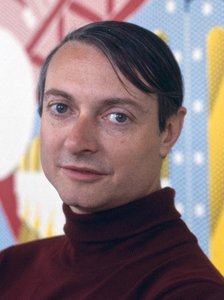
Biografia artysty
Roy Lichtenstein – pionier Pop Artu, znany z Ben-Day dots i inspiracji komiksami, krytyk konsumpcjonizmu oraz twórca ikon takich dzieł jak 'Whaam!' i 'Drowning Girl'. Odkryj jego wpływ na sztukę współczesną!
§ 3Komentarz
A Cherokee Brave by Roy Lichtenstein: Decoding Pop Art’s Bold Narrative
Roy Lichtenstein's "A Cherokee Brave," painted in 1952, stands as a cornerstone of American Pop Art—a movement that irrevocably challenged the conventions of fine art and embraced imagery derived from popular culture. More than just a visually striking composition featuring birds and cats, this artwork embodies Lichtenstein’s meticulous approach to translating comic strip aesthetics into monumental canvases, offering a profound commentary on visual language and societal anxieties of the mid-century era.The Comic Strip Influence: A Formal Innovation
At its core, Lichtenstein's technique—characterized by Ben-Day dots—directly borrows from halftone printing processes used in newspaper comics. These dots create an illusion of shading and texture, mimicking the printed image with remarkable accuracy. This stylistic choice wasn’t merely decorative; it was a deliberate rejection of traditional oil painting methods, signaling a decisive break from artistic traditions rooted in realism. The artist meticulously recreated the visual language of comic strips—bold outlines, simplified forms, and vibrant colors—transforming familiar motifs into powerful statements about perception and representation.Symbolism Within Simplicity: Birds, Cats, and Narrative Tension
The painting’s imagery is deceptively straightforward. Two birds perched atop each other convey a dynamic relationship – one larger dominates the scene, suggesting hierarchy or perhaps vulnerability. The presence of three cats adds another layer of complexity, their watchful gaze hinting at observation and potentially unease. These animals aren't merely decorative elements; they contribute to an unspoken narrative tension—a subtle suggestion of conflict or interaction that resonates beyond the literal depiction. Lichtenstein’s masterful use of visual cues invites contemplation about themes of dominance, vulnerability, and the anxieties inherent in everyday life.Historical Context: Postwar America and Artistic Rebellion
“A Cherokee Brave” emerged during a period of significant social and cultural upheaval following World War II. The postwar era witnessed an explosion of consumer culture and mass media—influences that profoundly impacted artistic sensibilities. Lichtenstein’s embrace of Pop Art reflected this broader societal shift, aligning with the burgeoning interest in vernacular imagery and rejecting the elitism associated with Abstract Expressionism. By appropriating comic strip conventions, Lichtenstein positioned himself as a provocateur, questioning established artistic hierarchies and engaging in dialogue with the anxieties of his time—a conversation that continues to captivate audiences today.Emotional Impact: Bold Color Palette and Visual Rhythm
The painting’s vibrant color palette – predominantly reds, yellows, and blues – amplifies its emotional impact. Lichtenstein deliberately avoids nuanced shading or expressive brushstrokes, prioritizing visual rhythm and clarity. This stylistic decision serves not only to reproduce the comic strip aesthetic but also to convey a sense of immediacy and excitement. The bold colors and simplified forms contribute to an overall feeling of dynamism—a deliberate attempt to capture the energy and pace of modern life. “A Cherokee Brave” remains a testament to Lichtenstein’s ability to distill complex ideas into visually arresting images, leaving viewers with a lingering impression of both beauty and intellectual engagement.Pytania i odpowiedzi
Czy dzieło „A Cherokee Brave” – Roy Lichtenstein jest jasne czy ciemne?
Pod względem postrzeganej jasności, „A Cherokee Brave” – Roy Lichtenstein jest bright.
Czy mogę użyć rozszerzonej rzeczywistości, aby zobaczyć „A Cherokee Brave” – Roy Lichtenstein w swoim pokoju?
Strona Podgląd w AR dzieła „A Cherokee Brave” – Roy Lichtenstein wykorzystuje rozszerzoną rzeczywistość, aby dzięki kompatybilnemu urządzeniu pokazać obraz w Twojej własnej przestrzeni.
Pod jakimi innymi nazwiskami znany jest Roy Lichtenstein?
Roy Lichtenstein jest znany/a również pod pseudonimami: Roy Fox Lichtenstein.


 Przełącz na wydania drukowane


 W przypadku dzieł sztuki lub reprodukcji, których którykolwiek z boków przekracza 105 cm (około 41 cali), rama zostanie wysłana w formie zestawu do samodzielnego montażu. Metoda ta zapewnia bezpieczną dostawę i zapobiega uszkodzeniom podczas transportu.


