


 Podgląd w skali 1:1
 Wyślij jako kartkę
 Udostępnij
 Szczegóły dzieła
 Przewodnik

 Pobierz obraz
 Podobne obiekty
 RTG
RTG Pokaz slajdów
 Pytania i odpowiedzi
 Statystyki
Standing Rib


 Rozwiń treść
Otrzymaj plik gotowy do druku, którego jakość znacznie przewyższa podgląd internetowy. Każdy sprzedawany przez nas obraz cyfrowy pochodzi z wysokorozdzielczego pliku wzorcowego w naszej bazie — zazwyczaj o szerokości od 5 000 do 15 000 pikseli — dzięki czemu możesz drukować w dużym formacie, mocno kadrować lub z pełnym przekonaniem odwzorowywać najdrobniejsze detale.
Żaden plik nie opuszcza naszego studia bez odpowiedniej obróbki. Ekspert ds. cyfrowej edycji sprawdza zgodność kolorów z oryginałem i w razie potrzeby je koryguje, a następnie za pomocą profesjonalnych narzędzi do retuszu poprawia ostrość oraz szczegółowość — zawsze zachowując wierność pociągnięciom pędzla i stylowi artysty. Rezultatem jest obraz, który wygląda jak prawdziwe dzieło, a nie jak przefiltrowany skan.
Zatwierdzasz przed finalizacją zamówienia: nasz ekspert prześle obraz drogą mailową w ciągu 72 godzin do Twojego wglądu. Nie jesteś zadowolony? Poproś o poprawki lub korektę, bądź o zwrot kosztów, jeśli jakość nie spełnia oczekiwań.
To jakość, na której polegają wydawcy, studia projektowe, galerie oraz drukarnie.
Obraz cyfrowy
Pobierz plik o wysokiej rozdzielczości do osobistego użytku, druku oraz projektów kreatywnych. ( Przełącz na wydania drukowane Zamów ręcznie malowaną reprodukcję)
W każdym zamówieniu na obraz cyfrowy znajduje się
Profesjonalna dostawa cyfrowa z gwarancją
Wybierając AllPaintingsStore.com, nie otrzymujesz jedynie obrazu – otrzymujesz profesjonalnie udoskonalone cyfrowe dzieło sztuki, stworzone z najwyższą precyzją i objęte gwarancją satysfakcji. Oto wszystko, co automatycznie dołączane jest do Twojego zamówienia:

Błyskawiczna wysyłka e-mailowa
Plik z obrazem cyfrowym w wysokiej rozdzielczości zostanie przesłany na Twój adres e-mail w ciągu 72 godzin od złożenia zamówienia – gotowy do natychmiastowego użycia.

Plik cyfrowy wzbogacony przez AI
Twoja grafika została profesjonalnie zoptymalizowana przy użyciu zaawansowanych narzędzi AI oraz ręcznej edycji, co zapewnia maksymalną szczegółowość, klarowność i wierność kolorów.

Darmowe ponowne przesyłki dożywotnio
Przypadkowo usunąłeś lub zgubiłeś swój plik? Bez obaw – prześlemy go Tobie ponownie w dowolnym momencie, bez żadnych opłat.

Bez opłat importowych – zawsze
Ciesz się swoją sztuką natychmiast, bez żadnych opłat celnych, należności ani kosztów dostawy – pliki cyfrowe są zawsze wolne od podatku.

Gwarancja wierności kolorów
Dzięki zastosowaniu profesjonalnych narzędzi i procesów zarządzania barwą zapewniamy, że Twoje cyfrowe zdjęcie odzwierciedla oryginalne kolory tak wiernie, jak to tylko możliwe.

Gwarancja satysfakcji przez 100 dni
Jeśli nie będziesz zadowolony ze swojego cyfrowego obrazu, dokonamy jego poprawki lub zwrócimy 100% kosztów w ciągu 100 dni – bez zbędnych pytań.

100% Gwarancja zwrotu pieniędzy
Nie jesteś zadowolony? Otrzymaj pełny zwrot kosztów w ciągu 100 dni od otrzymania pliku cyfrowego – bez zbędnych pytań.

Rabaty przy zamówieniach hurtowych
Kup 3 obrazy, oszczędź 10% - Kup 5, oszczędź 15% - Kup 10+, oszczędź 20%. Idealne do projektów kreatywnych, galerii i agencji.
Roy Lichtenstein's "Standing Rib": A Pop Art Icon
Roy Lichtenstein’s “Standing Rib,” created in 1962, is more than just a painting of meat; it’s a meticulously crafted statement about consumerism, mass culture, and the very nature of representation. This seemingly simple image – a raw beef rib presented on a stark white plate – embodies the core tenets of Lichtenstein's groundbreaking Pop Art style. The work immediately confronts the viewer with its bold, graphic execution, a deliberate departure from the traditional notions of artistic subject matter and technique that had dominated Western art for centuries.
- Subject Matter: The choice of a commonplace object – a piece of meat – was revolutionary. Lichtenstein elevated the mundane to the level of high art, challenging viewers to reconsider their perceptions of value and beauty.
- Style & Technique: Executed in Lichtenstein’s signature style, “Standing Rib” employs hard-edge techniques borrowed from commercial printing processes, particularly comic strips. The use of flat planes of color, Ben-Day dots (simulated through carefully placed small circles), and a limited palette – primarily reds, whites, and blacks – creates an illusion of depth and texture while simultaneously flattening the image, mimicking the effect of a printed illustration.
The Genesis of Pop Art & American Identity
“Standing Rib” emerged during a pivotal moment in art history: the rise of Pop Art in the 1960s. This movement, spearheaded by artists like Lichtenstein, Andy Warhol, and Claes Oldenburg, reacted against Abstract Expressionism’s emphasis on individual emotion and subjective experience. Instead, Pop Art embraced imagery from popular culture – advertising, comic books, consumer products – reflecting the growing influence of mass media and the burgeoning American economy. The painting's subject matter directly engages with themes prevalent in American society at the time: abundance, consumption, and the idealized image of the ‘American’ meal.
Lichtenstein’s background also played a crucial role. His early training in realistic drawing instilled a technical proficiency that he then deliberately subverted, using his skills to create deliberately artificial representations. This approach was influenced by his exposure to jazz music – a key element of the burgeoning counterculture – which valued improvisation and disruption of established norms.
Symbolism & Emotional Impact
While seemingly straightforward, “Standing Rib” is rich in symbolic meaning. The stark white plate acts as a stage, isolating the meat and emphasizing its presentation. The vibrant red color of the rib draws attention to its texture and form, almost fetishizing the object. The painting’s impact lies not in depicting beauty but in provoking thought about our relationship with consumer culture and the way we are bombarded with images that shape our desires. It's a deceptively simple work that continues to resonate today, prompting questions about authenticity, representation, and the role of art in society.
The meticulous detail captured in the painting – the sheen of the meat, the subtle variations in color – is a testament to Lichtenstein’s technical skill. It's a powerful reminder that even seemingly banal subjects can be transformed into compelling works of art through careful observation and innovative technique.
Pytania i odpowiedzi
Do którego etapu twórczości Roy Lichtenstein należy dzieło „Standing Rib”?
„Standing Rib” pochodzi z okresu Pop Art w twórczości Roy Lichtenstein. Klasyfikacja ta wiąże dzieło z rozwojem artysty.
Czy mogę przyjrzeć się bliżej dziełu "Standing Rib"?
Widok rentgenowski dzieła „Standing Rib” – Roy Lichtenstein jest dostępny na stronie Analiza rentgenowska: to interaktywna analiza obrazu obejmująca jedenaście warstw optycznych.
Kto jest autorem dzieła "Standing Rib"?
„Standing Rib” zostało stworzone przez Roy Lichtenstein. Informacje na tej stronie dotyczą oryginalnego dzieła autorstwa Roy Lichtenstein.
Podobne dzieła


Biografia artysty
The Genesis of a Pop Visionary
Roy Fox Lichtenstein, born in the vibrant metropolis of New York City on October 27, 1923, indelibly altered the landscape of twentieth-century art. Emerging as a pivotal figure within the Pop Art movement, Lichtenstein didn’t simply reflect his era; he actively interrogated it, transforming commonplace imagery into compelling artistic statements. His upbringing in an upper-middle-class Jewish family fostered both a cultural awareness and an early artistic inclination. Childhood exposure to museums and concerts, coupled with a deep appreciation for jazz music, laid the groundwork for a creative spirit that would challenge conventional notions of fine art. Though initially drawn to realistic drawing and painting during his formative years, Lichtenstein’s formal training commenced at the Art Students League in 1939 under Reginald Marsh, followed by studies at Ohio State University – interrupted briefly by wartime service in the Army. These experiences provided a robust technical foundation that would later be brilliantly re-contextualized through the lens of mass culture and commercial aesthetics. The seeds of his signature style weren’t sown within the hallowed halls of artistic tradition but rather in the often-overlooked world of everyday imagery, particularly comic books and advertising.From Abstraction to Appropriation: A Pivotal Shift
Lichtenstein's early work demonstrated a clear engagement with Abstract Expressionism, mirroring the dominant aesthetic trends of the post-war period. Figures like Jackson Pollock and Willem de Kooning were significant influences during this phase, reflecting the dynamism and emotional intensity that characterized the movement. However, this phase proved transitional, a stepping stone towards his revolutionary style. A crucial moment arrived during his tenure at Rutgers University where he encountered Allan Kaprow, whose influence reignited Lichtenstein’s interest in proto-pop imagery – artists like Robert Rauschenberg were already experimenting with collage and assemblage. This encounter sparked a critical shift in his artistic trajectory, leading him to question the established boundaries between “high” and “low” art. He began looking beyond the subjective expression of Abstract Expressionism towards the objective language of popular culture – specifically, comic books and advertising. The year 1961 marked a turning point with *Look Mickey*, a work that boldly appropriated characters from Disney comics, signaling the beginning of his signature style. This wasn’t mere imitation; it was an act of artistic re-evaluation, elevating commonplace imagery to the status of fine art. He didn't simply copy comic strips; he meticulously recreated them using techniques mimicking commercial printing processes, a deliberate blurring of the lines between original artwork and mass production. This appropriation wasn’t about celebrating consumerism uncritically but rather examining its pervasive influence on American society and challenging traditional artistic hierarchies.The Language of Ben-Day Dots and Bold Lines
Lichtenstein's artistic vocabulary is instantly recognizable: bold, primary colors, thick black outlines, and most famously, Ben-Day dots – a technique borrowed directly from the mechanical reproduction of comic books. These dots weren’t merely decorative; they were integral to his conceptual framework, representing the very process of mass production and challenging the traditional emphasis on the artist's hand. His paintings often enlarged details from comic strips to monumental scale, forcing viewers to confront the aesthetic qualities of an art form typically dismissed as trivial. Works like *Whaam!* (1963), *Drowning Girl* (1963), and *Oh, Jeff…I Love You, Too…But…* (1964) became iconic representations of Pop Art, capturing the anxieties and desires of a rapidly changing consumer culture. These weren’t simply depictions of comic book scenes; they were commentaries on themes of war, romance, and societal expectations, filtered through the visual language of mass media. He aimed to strip away any pretense of artistic subjectivity, presenting his work as objective reflections of American society – a mirror held up to its own manufactured reality. The deliberate flatness and lack of painterly gesture further emphasized this detachment, mimicking the impersonal nature of commercial printing.Major Achievements and Lasting Impact
Roy Lichtenstein’s influence extends far beyond the realm of painting. His innovative use of commercial techniques and appropriation paved the way for new generations of artists exploring themes of consumerism, media saturation, and cultural identity. The sale of *Masterpiece* in 2017 for $165 million solidified his position as one of the most commercially successful American artists of all time, but his legacy is not solely defined by monetary value. He challenged traditional notions of artistic authorship and originality, forcing a re-evaluation of what constitutes “art” itself. His work continues to inspire graphic designers, illustrators, and visual artists across various disciplines.- Major Achievements: Pioneered Pop Art style; achieved international recognition with groundbreaking exhibitions.
- Notable Works: *Whaam!*, *Drowning Girl*, *Oh, Jeff…I Love You, Too…But…*, *Masterpiece*.
- Teaching Career: Influenced aspiring artists at SUNY Oswego and Rutgers University.
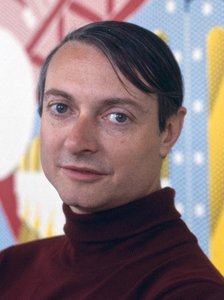
Roy Lichtenstein
1923 - 1997 , Stany Zjednoczone
Krótka nota
- Artistic Movement Or Style: Pop Art
- Artists Or Movements Influenced By This Artist:
- Graficy
- Ilustratorzy
- Artists Who Influenced This Artist:
- Reginald Marsh
- Allan Kaprow
- Date Of Birth: 27 października 1923
- Date Of Death: 29 września 1997
- Full Name: Roy Fox Lichtenstein
- Nationality: Amerykański
- Notable Artworks:
- Whaam!
- Drowning Girl
- Oh, Jeff...
- Masterpiece
- Place Of Birth: Nowy Jork, USA