


 Podgląd w skali
 Wyślij jako kartkę
 Udostępnij
 Szczegóły dzieła

 Pobierz
 Podobne obiekty
 RTG
RTG Pokaz slajdów
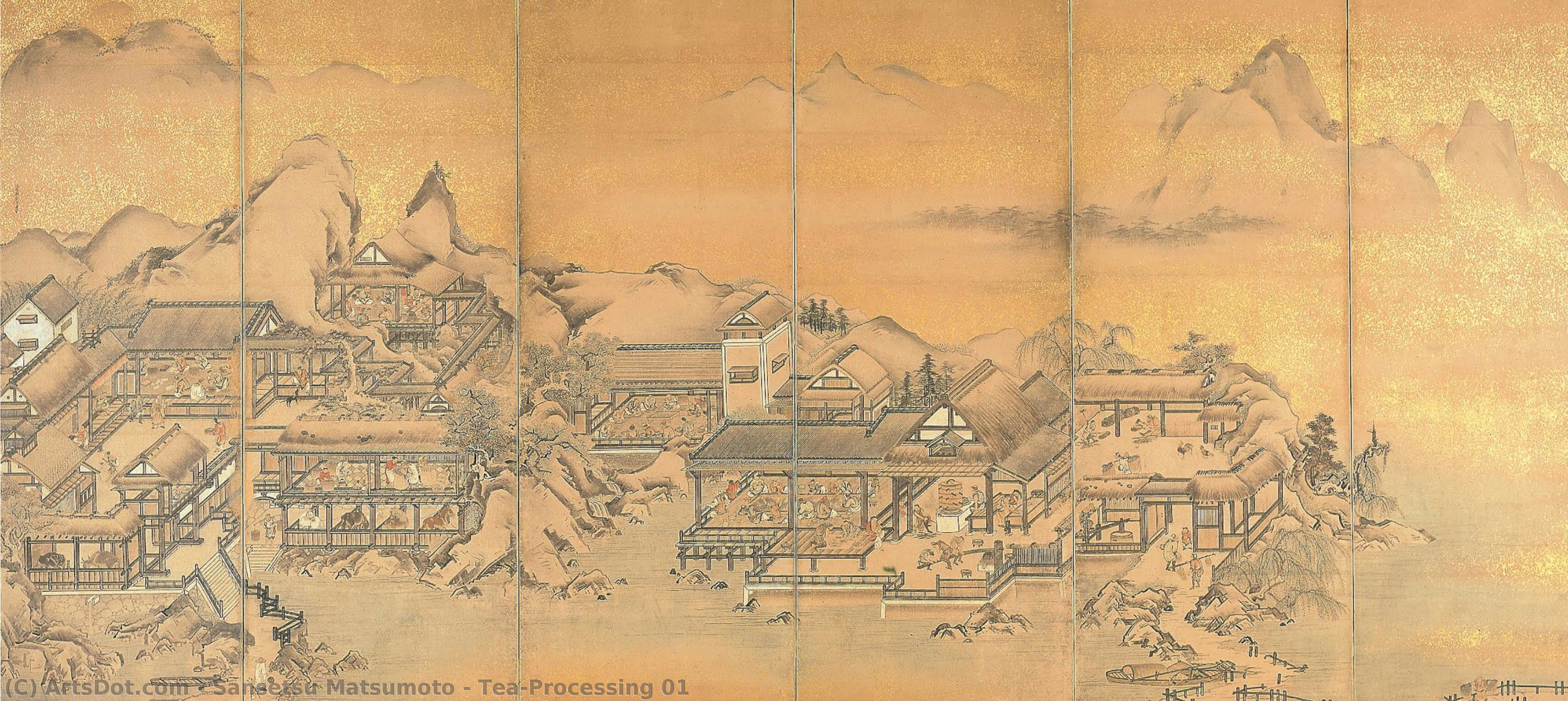
Tea-Processing 01
 161.0 x 360.0 cm
 Rozwiń treść
Ręcznie malowana reprodukcja olejowa
Ręcznie malowany obraz olejny na płótnie, wykonany na zamówienie przez naszych artystów w wybranym przez Ciebie wymiarze i oprawie. ( Zamów wydruk Kup obraz wysokiej rozdzielczości)




































Wybierz spośród naszych standardowych rozmiarów, które zachowują oryginalne proporcje dzieła sztuki.

Możesz wprowadzić własne wymiary, aby dopasować obraz do konkretnej ramy lub przestrzeni. Jeśli wybrany rozmiar nie będzie odpowiadał proporcjom oryginału, przytniecie dzieło sztuki lub rozszerzymy je o dodatkowe elementy, ręcznie domalowane przez artystę. Przed rozpoczęciem produkcji wyślemy projekt cyfrowy do Twojej akceptacji.
Należy pamiętać, że podgląd na ekranie nie odzwierciedla rzeczywistego przycinania ani rozszerzania obrazu. Tylko projekt dokładnie pokaże ostateczną kompozycję.
Choć oferujemy możliwość zamówienia niestandardowych rozmiarów, zalecamy wybór wymiaru z gotowej listy, aby zachować oryginalne proporcje dzieła.
Po złożeniu zamówienia zespół AllPaintingsStore.com skontaktuje się z klientem drogą mailową w celu uzyskania instrukcji i prześle wizualizację projektu
Dostawa na całym świecie () w ciągu 3–4 tygodni zamiast standardowych 5 tygodni. (20 Sierpień). Bez kompromisów w kwestii jakości.

Bezpłatna ekspresowa wysyłka na cały świat

Wysokiej jakości płótno lniane

Pełne ubezpieczenie przesyłki

Gwarancja zwrotu należności celnych i podatków importowych

Gwarancja wiernego odwzorowania kolorów

Polityka 60-dniowego zwrotu (tylko w przypadku wad)

Gwarancja 100% zwrotu kosztów

Zniżka przy zamówieniu wielu produktów
 Opcja ze szkłem jest dostępna wyłącznie w rozmiarach poniżej 110 cm

Tea-Processing 01
Technika reprodukcji
Wymiary reprodukcji
-


Cena całkowita
$ 258
Podobne dzieła


O artyście
Sansetsu Matsumoto: Harmony Between Man and Nature in Edo Period Ink Paintings
Sansetsu Matsumoto (松本人左衛門), born around 1589 and died in Kyoto in 1651, stands as a pivotal figure within the artistic landscape of Japan’s Edo period—a time marked by social stability under Tokugawa rule and an unparalleled flourishing of cultural expression. Though biographical details remain somewhat sparse due to the limitations of historical records, Matsumoto's legacy rests firmly upon his mastery of *sumō* (墨画), specifically landscapes rendered in monochrome ink wash technique, which cemented his reputation as one of Kyoto’s most esteemed court painters. His work embodies a profound aesthetic sensibility rooted in Zen Buddhism and Confucian ideals—a dedication to capturing the essence of nature not merely as an object of observation but as a conduit for spiritual contemplation.- Early Life and Training: Matsumoto's origins are shrouded in obscurity, with scant documentation regarding his family lineage or formative years. However, he emerged from Kyoto’s artistic milieu—a tradition steeped in meticulous craftsmanship and philosophical depth—where he honed his skills under the tutelage of influential masters like Kobori Fumio (後藤藤三郎), a renowned landscape architect who championed the principles of *wabi-sabi* (侘寂)—the beauty of imperfection and transience. This training instilled within Matsumoto a deep appreciation for simplicity, asymmetry, and the subtle nuances of natural phenomena.
- Service to Iyo Matsuyama Han: Matsumoto’s artistic career gained considerable prominence through his service as a court painter for Iyo Matsuyama han (伊予松山藩), a feudal domain governed by Tokugawa Yoshimune. During this period, he produced a prolific body of work—primarily landscapes—that served both decorative and propagandistic purposes. These paintings skillfully conveyed the grandeur of the han’s territory while simultaneously reflecting the Confucian emphasis on benevolent governance and harmonious relations between ruler and subject.
- Notable Landscapes: Among Matsumoto's celebrated works are depictions of Mount Yoshino (吉野山), a sacred site revered for its cherry blossoms, and landscapes surrounding Kyoto’s Kamigamo Shrine (貴神神社). These paintings exemplify his ability to convey not just visual information but also emotional resonance—a palpable sense of tranquility and reverence for the natural world. The meticulous detail with which Matsumoto rendered individual trees, rocks, and ripples on water speaks volumes about his dedication to artistic precision.
- Influence and Legacy: Matsumoto’s influence extended far beyond his immediate contemporaries, shaping the trajectory of Edo period landscape painting and establishing a benchmark for aesthetic excellence. His unwavering adherence to *wabi-sabi* principles—the acceptance of imperfection as inherent beauty—became a cornerstone of Japanese artistic philosophy. Subsequent generations of painters drew inspiration from Matsumoto's masterful technique and profound contemplative spirit, ensuring that his legacy endured throughout the centuries.

sansetsu matsumoto
1676 - , Japan
Krótka nota
- Artistic Movement Or Style: Edo Period
- Full Name: sansetsu matsumoto
- Nationality: Japanese
- Notable Artworks: ['Tea-Processing 01']
- Place Of Birth: Japan


