


 Podgląd w skali 1:1
 Wyślij jako kartkę
 Udostępnij
 Szczegóły dzieła
 Przewodnik

 Pobierz obraz
 Podobne obiekty
 RTG
RTG Pokaz slajdów
 Statystyki
ML, sitting
 Painting
- Neue Wilde
 1993
1993- Contemporary
 188.0 x 227.0 cm
 Albertina Klosterneuburg
 Rozwiń treść
Dzieło sztuki prezentowane na tej stronie podlega ochronie prawem autorskim, co oznacza, że nie mamy prawa do tworzenia ani sprzedaży jego identycznej reprodukcji. Ochrona ta jest egzekwowana na mocy umów międzynarodowych, takich jak Konwencja berneńska oraz przez przepisy prawa krajowego, w tym te określone w Prawo autorskie USA – Tytuł 17.
Metoda ta jest w pełni zgodna z przepisami prawa autorskiego, ponieważ nie polega na kopiowaniu ani powielaniu chronionego dzieła. Stanowi ona kreatywną reinterpretację – nowy obraz, który czerpie inspirację z oryginału, ale nie jest z nim tożsamy.
Giclée / Wydruk artystyczny
Wydruki giclée lub płótna o jakości muzealnej, szybka realizacja i szeroki wybór opcji wykończenia. ( Zamów ręcznie malowaną reprodukcję Przejdź do wersji cyfrowej)




P118B zł10

P118H zł10

P118W zł10

P438Z zł10

P508JH zł12

P508YH zł12

P805H zł10

P805Z zł10

P919BZ zł10

P919G zł10

P919XJ zł10

P959ZH zł10

P968JZ zł12

W106C zł8

W218G zł10

W218JH zł8

W218Y zł10

W307PJ zł10

W316G zł10

W316PJ zł8

W316Y zł10

W398PJ zł8

W4111J zł10

W500HY zł15

W500JH zł15

W692G zł12

W849H zł8

W940BG zł15

W953PJ zł8




Wybierz spośród naszych standardowych rozmiarów, które zachowują oryginalne proporcje dzieła sztuki.

Wpisz wymaganą szerokość i wysokość, aby dopasować grafikę do ramy lub ściany. Wydruk można jedynie przyciąć, nigdy nie powiększając go poza oryginalny obraz, dlatego format o innych proporcjach spowoduje utratę części kompozycji. Przed rozpoczęciem druku prześlemy Ci cyfrowy podgląd do zatwierdzenia. Obraz wyświetlany na tej stronie nie pokazuje rzeczywistego przycięcia — jedynie podgląd oddaje ten efekt.
Dostawa na cały świat () w ciągu 2 tygodni zamiast standardowych 4/5 tygodni. (25 Październik)

Bezpłatna ekspresowa wysyłka na cały świat

Wysokiej jakości płótno lniane

Pełne ubezpieczenie przesyłki

Gwarancja zwrotu należności celnych i podatków importowych

Gwarancja wiernego odwzorowania kolorów

100-dniowa polityka zwrotów (tylko w przypadku wad)

Gwarancja 100% zwrotu pieniędzy

Zniżka przy zakupie wielu sztuk
 Opcja ze szkłem jest dostępna wyłącznie w rozmiarach poniżej 110 cm

ML, sitting
Giclée / Wydruk artystyczny
Wymiary reprodukcji
-


Cena całkowita
zł 246
An Intimate Encounter with Solitude
In the evocative masterpiece ML, sitting, created in 1993, the viewer is invited into a profound moment of quiet introspection. The painting presents a portrait of a woman seated upon a chair, her form partially obscured by her own hands as they cover her face. This gesture, central to the composition, immediately establishes a sense of mystery and vulnerability. Clad in a serene blue shirt and a simple skirt, the subject rests against white cushions that offer a stark, clean contrast to the deeper tones of the piece. The background, rendered in lush, verdant greens, does more than merely provide depth; it creates an atmospheric cocoon that isolates the figure, drawing the eye inward toward her silent, internal struggle or perhaps her peaceful retreat from the world.
The work serves as a poignant window into the psyche, where the physical act of hiding one's face becomes a powerful symbol of the universal human experience. It speaks to those moments of grief, shame, or even deep meditation where the external world must be shut out to process the internal landscape. For the collector or interior designer, this piece offers a sophisticated emotional anchor, providing a focal point that encourages contemplation and stillness within a living space.
The Expressive Legacy of the Neue Wilde
To understand the technical brilliance and emotional weight of ML, sitting, one must look to the artistic lineage of its creator, Siegfried Anzinger. As a pivotal figure in the Neue Wilde movement, Anzinger brought a raw, uninhibited energy to the canvas, challenging the sterile academicism of his era with vibrant color and existential urgency. This painting, though possessing a certain stillness, carries the DNA of that movement through its intense engagement with color and form.
Anzinger’s technique is characterized by an almost obsessive layering of emotion and pigment. In this work, the interplay between the cool blues of the subject's attire and the deep, enveloping greens of the background demonstrates a masterful command over color temperature to evoke mood. The brushwork, while contributing to a cohesive scene, retains a palpable sense of life, ensuring that the painting feels less like a static image and more like a captured breath. It is this tension between the stillness of the subject and the vibrant energy of the execution that makes Anzinger’s work so enduringly captivating for modern audiences.
A Timeless Addition to the Curated Home
For those seeking to infuse their interiors with art that possesses both intellectual depth and aesthetic grace, ML, sitting stands as an exemplary choice. The large-scale presence of the work—measuring an impressive 188 x 227 cm—allows it to command a room, acting as a window into a different emotional dimension. Its palette of blues, whites, and greens is versatile enough to complement contemporary minimalist decors or more traditional, classic settings, providing a sophisticated touch of Austrian expressionism.
Owning a high-quality reproduction of such a significant work allows for the appreciation of Anzinger's complex textures and profound themes. It is an investment in atmosphere, bringing into a home a piece that does not merely decorate a wall but narrates a story of human resilience, privacy, and the beautiful complexity of the soul. Whether placed in a quiet study or a grand salon, this painting promises to spark conversation and provide a lasting source of visual and emotional inspiration.
Pytania i odpowiedzi
W jaki sposób kolory dzieła „ML, sitting” – Siegfried Anzinger korespondują z jego ładunkiem emocjonalnym?
„ML, sitting” – Siegfried Anzinger łączy w sobie Neutrals paletę barw z Melancholic tonem.
Z jakiego okresu pochodzi „ML, sitting” – Siegfried Anzinger?
Dzieło „ML, sitting” – Siegfried Anzinger pochodzi z okresu Contemporary. Klasyfikacja ta pozwala umiejscowić pracę w kontekście historii sztuki.
Jak opisany jest nastrój dzieła „ML, sitting” – Siegfried Anzinger?
Ogólny nastrój dzieła „ML, sitting” – Siegfried Anzinger to Dramatic. Nastrój ten oddaje ogólną atmosferę pracy.
Podobne dzieła


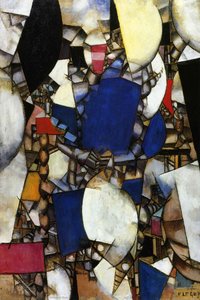


Biografia artysty
Siegfried Anzinger: A Chronicle of Intense Color and Existential Exploration
Siegfried Anzinger, born in Weyer, Austria, on February 25, 1953, is a pivotal figure within the “Neue Wilde” movement – a group that challenged established artistic norms with its raw emotion, vibrant color palettes, and often unsettling subject matter. His work, deeply rooted in Austrian identity yet resonating globally, explores fundamental human experiences: love, pain, sexuality, loneliness, and ultimately, mortality. Anzinger’s career is characterized by an almost obsessive engagement with his chosen medium, a relentless cycle of creation and re-creation that results in paintings layered with complexity and imbued with a palpable sense of urgency.Early Years and Artistic Formation
Anzinger's artistic journey began at the Academy of Fine Arts in Vienna (1971-1977), where he studied under Professor Maximilian Melcher. This formative period laid the groundwork for his distinctive style, though it was a conscious departure from traditional academic training. He sought to dismantle conventional approaches and forge his own path, driven by a desire to push the boundaries of painting itself. Following his time in Vienna, Anzinger relocated to Cologne in 1981, immersing himself within the burgeoning avant-garde scene of West Germany. This move proved crucial, exposing him to new influences and solidifying his position within the “Neue Wilde” collective – a group that prioritized direct emotional expression over meticulous representation.The "Neue Wilde" Aesthetic: Color, Texture, and Raw Emotion
Central to Anzinger’s artistic identity is his association with the “Neue Wilde.” This movement, emerging in the late 1970s and early 1980s, rejected the polished surfaces and intellectualism of previous generations. Instead, it embraced a visceral approach, utilizing bold colors, broad brushstrokes, and often fragmented compositions to convey intense emotional states. Anzinger’s paintings are immediately recognizable for their saturated hues – fiery reds, deep blues, and acidic yellows – applied with a frenetic energy that suggests both urgency and exhaustion. His technique is characterized by a layering process; he repeatedly adds and subtracts paint, building up complex textures and creating an illusion of constant evolution within each work. This “non-finito” quality—a deliberate avoidance of completion—is not simply a stylistic choice but reflects the artist’s engagement with the inherent instability of human experience.Key Exhibitions and Recognition
Anzinger's work has been consistently recognized through numerous solo and group exhibitions both nationally and internationally. A significant milestone occurred in 1988 when he participated in the Austrian Pavilion at the Venice Biennale, a testament to his growing recognition within the art world. His inclusion in documenta 7 (1982) further cemented his position as a leading contemporary artist. Throughout his career, Anzinger has exhibited at prestigious galleries and museums worldwide, including the Gemeentemuseum Den Haag and the Max Weber Gallery. In 2003, he received the Austrian State Prize for Fine Arts, acknowledging his enduring contribution to Austrian art.Themes of Existentialism and Personal Reflection
Beneath the vibrant surface of Anzinger’s paintings lies a profound exploration of existential themes. He frequently tackles subjects such as love, pain, sexuality, loneliness, fear, and death – fundamental aspects of the human condition that he approaches with unflinching honesty. His work is not didactic; it doesn't offer easy answers or resolutions. Instead, it presents these complex emotions in a raw and immediate manner, inviting viewers to confront their own experiences of vulnerability and uncertainty. As one source notes, his paintings “deal with basic existential problems such as love, sexuality, pain, loneliness, fear and death.” His oeuvre is a testament to the enduring power of art to grapple with the most challenging aspects of our shared human experience.- Notable Works: Untitled (1997) – A layered oil painting exploring atmospheric hues and subtle figures.
- Influences: John van ‘t Slot, Bacon
- Current Status: Still actively creating and exhibiting.
For further information, please refer to the resources listed below:

Siegfried Anzinger
1953 - , Austria
Krótka nota
- Full Name: Siegfried Anzinger
- Nationality: Austrian
- Date Of Birth: 1953
- Place Of Birth: Weiz, Austria
- Notable Artworks:
- Untitled (1997)
- Various paintings
- Artistic Movement Or Style: Neue Wilde
- Artists Who Influenced This Artist: ['Maximilian Melcher']
- Artists Or Movements Influenced By This Artist:
- Franz Kaiser
- John van ‘t Slot”
Powiązane artykuły

Azure Visions: Exploring Representations of the Blue Dress in Western Art History
Explore the rich history of the blue dress in Western art! Discover its symbolism, from Renaissance masterpieces to modern interpretations by artists like Martin & Schiele. Uncover cultural meanings and artistic techniques.

Błękit w Sztuce: Symbolika, Historia i Psychologiczne Oddziaływanie Koloru
Odkryj fascynującą historię błękitu w sztuce! Poznaj symbolikę, psychologię i wpływ tego koloru na arcydzieła renesansu i współczesne trendy. Ekspercka analiza dla miłośników sztuki.
Claude Monet: 25 Najlepszych Arcydzieł Impresjonizmu | Reprodukcje Obrazów Online
Odkryj 25 najpiękniejszych arcydzieł Claude Moneta – impresjonistycznych pejzaży, nymfeii i słonecznych krajobrazów. Poznaj historię sztuki i zainspiruj się do dekoracji wnętrz z AllPaintingsStore.com! Eksploruj pełną kolekcję online.
Top 10 Sławnych Obrazów w Odcieniach Szaroniebieskiego – Inspiracje dla Wnętrz | AllPaintingsStore.com
Odkryj 10 najsłynniejszych obrazów w odcieniach szaroniebieskiego! Poznaj historie Claude Moneta, Degasa i Van Gogha. Inspiracje wnętrzarskie i reprodukcje najwyższej jakości na AllPaintingsStore.com – sztuka dla Twojego domu.

Nowa Rzeczowość: Obiektywizm i Krytyka Społeczna w Niemieckiej Sztuce Międzywojennej
Poznaj Nową Rzeczowość – niemiecki ruch artystyczny po I wojnie światowej. Analiza twórczości Grosza, Dixa i innych mistrzów realizmu społecznego. Ekspercka wiedza dla kolekcjonerów sztuki.

