


 Zobacz w skali 1:1
 Wyślij
 Udostępnij
 Szczegóły
 Przewodnik

 Pobierz plik obrazu
 Podobne obiekty
 RTG
RTG Pokaz slajdów
 Statystyki
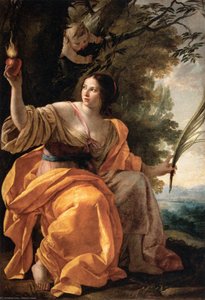
Gaucher de Châtillon, Connétable
 Oil On Canvas
- WallArt
- Baroque Painting
 1632
1632 218.0 x 137.0 cm
 Luwr
Luwr
 Czytaj więcej
Ręcznie malowana reprodukcja olejowa
Ręcznie malowany obraz olejny na płótnie, wykonany na zamówienie przez naszych artystów w wybranym przez Ciebie wymiarze i oprawie. ( Przełącz na wersję drukowaną Przełącz na wersję cyfrową)




P118B zł10

P118H zł10

P118W zł10

P438Z zł10

P508JH zł12

P508YH zł12

P805H zł10

P805Z zł10

P919BZ zł10

P919G zł10

P919XJ zł10

P959ZH zł10

P968JZ zł12

W106C zł8

W218G zł10

W218JH zł8

W218Y zł10

W307PJ zł10

W316G zł10

W316PJ zł8

W316Y zł10

W398PJ zł8

W4111J zł10

W500HY zł15

W500JH zł15

W692G zł12

W849H zł8

W940BG zł15

W953PJ zł8




Wybierz spośród naszych standardowych rozmiarów, które zachowują oryginalne proporcje dzieła sztuki.

Wpisz wymaganą szerokość i wysokość, aby obraz pasował do Twojej ramy lub ściany. Ponieważ jest to dzieło malowane ręcznie, w przypadku rozmiaru o innym proporcji artysta może domalować nieco więcej wokół obrazu lub przyciąć fragmenty — wybór należy do Ciebie. Przed rozpoczęciem pracy prześlemy Ci cyfrową wizualizację do zatwierdzenia. Obraz widoczny na tej stronie nie przedstawia rzeczywistego efektu — jedynie wizualizacja oddaje realny rezultat.
Po złożeniu zamówienia zespół AllPaintingsStore.com skontaktuje się z klientem drogą mailową w celu uzyskania instrukcji i prześle wizualizację projektu
Dostawa na całym świecie () w ciągu 3–4 tygodni zamiast standardowych 5 tygodni. (23 Październik). Bez kompromisów w kwestii jakości.

Bezpłatna ekspresowa wysyłka na cały świat

Wysokiej jakości płótno lniane

Pełne ubezpieczenie transportowe

Gwarancja zwrotu należności celnych i podatków importowych

Gwarancja idealnego odwzorowania barw

100-dniowy okres na zwrot dzieła w przypadku wykrycia wad produkcyjnych

Gwarancja 100% zwrotu pieniędzy

Oferta przy zakupie wielu sztuk
 Opcja ze szkłem jest dostępna wyłącznie w rozmiarach poniżej 110 cm

Gaucher de Châtillon, Connétable
Technika wykonania
Rozmiar reprodukcji
-


Suma do zapłaty
zł 993
A Noble Portrait in Baroque Grace: Simon Vouet’s Gaucher de Châtillon
Simon Vouet's "Gaucher de Châtillon, Connétable" – painted in 1632 – is more than just a portrait; it’s a meticulously crafted window into the heart of 17th-century French nobility and the burgeoning Baroque artistic movement. The painting depicts Gaucher V de Châtillon, a pivotal figure in French history as Constable of Champagne and later Constable of France, rendered with an arresting blend of realism and idealized elegance. Vouet, a key figure in transitioning French art from Mannerism to the dramatic flair of the Baroque, masterfully captures not just the subject’s likeness but also his status, bearing, and a subtle air of contemplative dignity.
The composition itself is carefully orchestrated. Gaucher dominates the frame, positioned slightly off-center, lending him an approachable yet undeniably regal presence. His gaze, directed towards the viewer with a quiet intensity, invites engagement. The rich fabrics – the deep blue doublet and flowing orange robe – are rendered with astonishing detail, showcasing Vouet’s skill in capturing texture and light. Notice how the folds of the garments seem to ripple and move, creating a dynamic sense of volume that elevates the portrait beyond a static representation.
The Baroque Palette and Painterly Technique
Vouet's mastery lies not only in his ability to depict form but also in his innovative use of color and technique. He moved away from the flat, stylized approaches of earlier Renaissance portraiture, embracing a more atmospheric and luminous style influenced by his time spent in Italy. The painting’s palette is dominated by earthy tones – ochres, browns, and deep reds – creating a sense of warmth and gravitas. However, these are punctuated with vibrant blues and subtle greens, particularly in the landscape backdrop, adding depth and visual interest.
Vouet employed a technique known as “alla prima,” meaning he painted directly onto the canvas without extensive underdrawing or layering. This resulted in a remarkably smooth surface and a sense of immediacy. The brushstrokes are visible yet controlled, contributing to the painting’s overall richness and texture. He skillfully used light and shadow – *chiaroscuro* – to sculpt Gaucher's features and create a three-dimensional effect, further enhancing his presence within the scene.
Historical Context: A Nobleman in Turbulent Times
To fully appreciate “Gaucher de Châtillon,” it’s essential to understand its historical context. The painting was created during a period of significant political and social upheaval in France – the reign of Louis XIII and the rise of Cardinal Richelieu, who commissioned many portraits for his collection. Gaucher himself played a crucial role in French politics, serving as Constable during a time of war and instability. His position demanded both military prowess and diplomatic skill.
The inclusion of a landscape – rolling hills under a cloudy sky – subtly reinforces this historical setting. It’s not merely decorative; it provides a sense of place and suggests the challenges faced by Gaucher in his role as a protector of the realm. The painting, therefore, becomes a visual testament to both an individual's life and the broader currents of French history.
Symbolism and Emotional Resonance
Beyond its historical significance, “Gaucher de Châtillon” is rich in symbolic meaning. The noble attire signifies his status and authority, while the contemplative expression suggests a man burdened by responsibility yet possessing inner strength. The composition itself – with Gaucher centrally positioned – conveys a sense of dignity and importance.
Ultimately, Vouet’s portrait transcends mere likeness; it captures something deeper—the essence of a nobleman navigating a complex world. It's a powerful image that speaks to themes of leadership, duty, and the enduring legacy of a remarkable figure in French history. Reproductions of this masterpiece offer a captivating glimpse into a bygone era, inviting viewers to contemplate the artistry and historical significance of this exceptional work.
Pytania i odpowiedzi
Jaki dominujący odcień przenika „Gaucher de Châtillon, Connétable” autorstwa Simon Vouet?
„Gaucher de Châtillon, Connétable” skłania się ku Amber to Saffron tonacji.
Czy „Gaucher de Châtillon, Connétable” autorstwa Simon Vouet należy do najbardziej pożądanych dzieł w nurcie Baroque Painting?
„Gaucher de Châtillon, Connétable” jest sklasyfikowane jako Recognized wśród dzieł z nurtu Baroque Painting w katalogu.
Jaki nastrój towarzyszy stylowi Baroque Painting w dziele „Gaucher de Châtillon, Connétable”?
Reflective emocja dzieła „Gaucher de Châtillon, Connétable” współgra z jego stylem Baroque Painting.
Podobne dzieła


Biografia artysty
Simon Vouet: Francuski Pionier Baroku
Simon Vouet, urodzony w Paryżu 9 stycznia 1590 roku i zmarły tamże 30 czerwca 1649 roku, to postać kluczowa w historii sztuki francuskiej. Jego twórczość stanowiła pomost pomiędzy manieryzmem a dynamicznym, pełnym ekspresji stylem barokowym, który na dobre wrył się w europejską kulturę artystyczną XVII wieku. Pochodząc z rodziny związanej ze sztuką – jego ojciec Laurent był malarzem, a brat Aubin również podążył śladami rodziny – Vouet od najmłodszych lat otoczony był środowiskiem artystycznym, co zaowocowało wczesnym talentem i niezwykłą wrażliwością na piękno.
Wczesne lata jego kariery naznaczone były portreturami, które szybko przyniosły mu uznanie. Już jako czternastoletni chłopak został wezwany do Londynu, aby namalować portret angielskiej królowej – świadectwo rosnącej sławy i niezwykłego talentu młodego artysty. Kolejnym etapem jego edukacji artystycznej było udanie się na służbę barona de Sancy, ambasadora Francji w Imperium Osmańskim. Ta podróż, która poprowadziła go przez Stambuł, a następnie do Wenecji w 1612 roku, otworzyła przed nim nowe horyzonty i pozwoliła zgłębić bogactwo kultur oraz stylów artystycznych. Weneckie pejzaże i koloryt wywarły na nim ogromny wpływ, który później znalazł odzwierciedlenie w jego własnej twórczości.
Rzymski Rozkwit i Inspiracje
Najważniejszy rozdział w życiu artystycznym Voueta to trzynastoletni pobyt w Rzymie (1614-1627). To właśnie tam, w sercu europejskiego baroku, doskonalił swoje umiejętności, studiując dzieła mistrzów i czerpiąc inspirację z bogatego środowiska artystycznego. Zafascynowany dramatycznym światłem Caravaggia, Vouet opanował technikę chiaroscuro, nadając swoim obrazom głębię i ekspresję. Analizował również kompozycje Paolo Veronesego, zwracając szczególną uwagę na palety barw i mistrzowskie wykorzystanie perspektywy di sotto in su. Nie mniej istotny był wpływ szkoły bolońskiej, reprezentowanej przez Carracciego, Guercino, Lanfranco i Guido Reniego – Vouet zręcznie łączył elementy ich stylów, tworząc własną, unikalną wizję artystyczną.
Sukces w Rzymie nie mógł pozostać niezauważony. W 1624 roku Vouet został wybrany na prezydenta prestiżowej Akademii św. Łukasza – najwyższe uznanie dla jego talentu i umiejętności, potwierdzone przez środowisko artystyczne. To właśnie w tym okresie jego styl nabiera charakteru barokowego, charakteryzującego się monumentalnością, dynamizmem i bogactwem dekoracyjnym.
Powrót do Francji i Wpływ na Sztukę Narodową
W 1627 roku Vouet powrócił do Francji, gdzie został mianowany Premier peintre du Roi – Pierwszym Malarzem Króla. To wydarzenie oznaczało początek nowego rozdziału w jego życiu i karierze artystycznej. Jako nadworny malarz Louisa XIII, Vouet miał możliwość kształtowania gustów dworskich i wpływania na rozwój sztuki francuskiej. Jego zadaniem było wprowadzenie do Francji stylu barokowego, który już od dawna królował w Rzymie i Wenecji.
Vouet nie tylko tworzył własne dzieła, ale również prowadził rozległą pracownię, kształcąc kolejne pokolenia artystów. Do jego uczniów należeli m.in. Charles Le Brun – późniejszy organizator wszystkich prac malarskich w Wersalu – Valentin de Boulogne, Charles Alphonse du Fresnoy, Pierre Mignard i Eustache Le Sueur. Dzięki nim styl Voueta rozprzestrzenił się po całej Francji, tworząc silną szkołę barokową, której wpływ można dostrzec w monumentalnych dekoracjach pałacowych i kościelnych.
Dziedzictwo
Simon Vouet pozostaje jedną z najważniejszych postaci w historii sztuki francuskiej. Jego twórczość stanowiła pomost pomiędzy tradycją manieryzmu a nowym, dynamicznym stylem barokowym. Dzięki niemu Francja mogła podziwiać bogactwo i ekspresję włoskiego baroku, a jego uczniowie przyczynili się do rozwoju sztuki narodowej. Dziedzictwo Voueta jest żywe po dziś dzień – jego obrazy zachwycają swoją monumentalnością, dynamizmem i niezwykłą dbałością o szczegóły, stanowiąc cenne świadectwo epoki.

Simon Vouet
1590 - 1649 , Francja
Najważniejsze informacje
- Artyści, Którzy Wpłynęli:
- Caravaggio
- Paolo Veronese
- Guido Reni
- Artyści/Ruch Wpływani Przez Artystę:
- Charles Le Brun
- Eustache Le Sueur
- Data Urodzenia: 9 stycznia 1590
- Data Śmierci: 30 czerwca 1649
- Miejsce Urodzenia: Paryż, Francja
- Narodowość: Francuski
- Pełne Imię: Simon Vouet
- Styl Artystyczny: Barokowy
- Znaczące Dzieła:
- Zwiastowanie (ok. 1620)
- Dawid i Goliat (1621)
- Portret Marcantonio Dorii (1621)
- Niedobrana para (Vanitas) (ok. 1621)
- Kuszenie św. Franciszka (1623)
- Mistyczne zaślubiny św. Katarzyny
- Św. Hieronim i anioł (ok. 1625)
Zobacz także powiązane artykuły

Barokowy Dramat we Wnętrzach: Sztuka Przepychu i Elegancji w Twoim Domu
Odkryj świat barokowego przepychu! Porady ekspertów jak wprowadzić elegancję i dramat do Twojego wnętrza. Inspiracje, charakterystyka stylu i praktyczne wskazówki.

Barokowe arcydzieła: 10 obrazów, które zdefiniowały epokę | AllPaintingsStore.com
Odkryj 10 arcydzieł baroku! Caravaggio, Rembrandt, Rubens i inni artyści, którzy zdefiniowali epokę. Poznaj historie, techniki i inspiracje tych niezwykłych obrazów. Reprodukcje najwyższej jakości na AllPaintingsStore.com – idealne do Twojego wnętrza!
Francisco Goya: 25 Arcydzieł Genialnego Malarza Hiszpańskiego | AllPaintingsStore.pl
Odkryj 25 arcydzieł Francisco Goyi – od portretów królewskich po dramatyczne 'Czarne Malowidła'. Poznaj historię, technikę i emocje hiszpańskiego mistrza. Reprodukcje obrazów najwyższej jakości na AllPaintingsStore.com! Eksploruj kolekcję online.

O nas
Odkryj naszą historię! Wprowadzamy światowej klasy sztukę do Twojego życia dzięki starannie dobranym dziełom, personalizowanym kreacjom i bezpłatnym podglądom. Cenione przez osoby prywatne i firmy od 2000 roku.

Simon Vouet: A Baroque Master's Journey from Italian Influence to French Classicism
Explore the life & art of Simon Vouet, a pivotal French Baroque painter who introduced Italian styles to France. Discover his masterpieces and lasting influence on 17th-century art.


