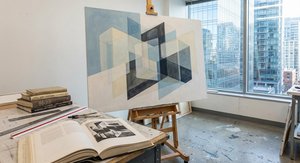
Wood, 500.0 x 500.0 cm. CAMUSAC Cassino Museum of Contemporary Art.

§ 1Catalogue data

- 500.0 x 500.0 cm


Ten utwór podlega ochronie prawem autorskim
Dzieło sztuki prezentowane na tej stronie podlega ochronie prawem autorskim, co oznacza, że nie mamy prawa do tworzenia ani sprzedaży jego identycznej reprodukcji. Ochrona ta jest egzekwowana na mocy umów międzynarodowych, takich jak Konwencja berneńska oraz przez przepisy prawa krajowego, w tym te określone w Prawo autorskie USA – Tytuł 17.
Jako pełną szacunku i legalną alternatywę oferujemy personalizowane, malowane ręcznie dzieła sztuki inspirowane oryginałem. Nasi wykwalifikowani i profesjonalni artyści starannie analizują styl, nastrój oraz artystyczną esencję pierwowzoru, aby stworzyć nowe, unikalne dzieło, które przywołuje te same emocje – pozostając jednocześnie w pełni oryginalną kreacją.
Metoda ta jest w pełni zgodna z przepisami prawa autorskiego, ponieważ nie polega na kopiowaniu ani powielaniu chronionego dzieła. Stanowi ona kreatywną reinterpretację – nowy obraz, który czerpie inspirację z oryginału, ale nie jest z nim tożsamy.
 Dowiedz się więcej
§ 2Abstract
Opis obiektu
Explore Sol LeWitt’s ‘Cubo,’ a monumental 1970s wooden sculpture embodying minimalist abstraction. This large-scale, textured piece evokes geometric order & natural forms – a captivating modern artwork.
Biografia artysty
Poznaj sztukę minimalistyczną i konceptualną Sol LeWitta (1928-2007). Znany z rysunków ściennych, struktur i pionierskiej abstrakcji geometrycznej, jego twórczość wywarła ogromny wpływ na sztukę nowoczesną.
§ 3Commentary
The Geometry of Being: Exploring Cubo
To stand before Cubo is to encounter a profound meditation on structure itself. This monumental sculpture, rendered in raw wood and grounded by a solid concrete base, does not merely occupy space; it defines it. It presents itself as an aggregation—a dense, overlapping constellation of roughly hewn wooden blocks assembled with meticulous, almost architectural intention. The sheer scale, suggested by its dimensions, imbues the viewer with a sense of being enveloped by pure geometric thought. One cannot look at Cubo and remain detached; it demands an engagement that is both intellectual and visceral.
A Dialogue Between Nature and Abstraction
The material choice speaks volumes about the artist's philosophical leanings. The wood, in its varied tones and visible grain, carries the unmistakable signature of nature—the organic record of growth and time. Yet, these natural elements are subjected to the rigorous discipline of geometry. This tension forms the core narrative of the piece: the struggle, or perhaps the harmonious coexistence, between the wild randomness of the forest and the absolute order imposed by human intellect. It is a visual thesis on how structure can emerge from seemingly disparate parts.
Echoes of Modernist Thought
While its specific provenance remains unknown, Cubo resonates deeply with the currents of early to mid-twentieth-century modernism, particularly those movements that sought to strip art down to its most fundamental components. The work channels the spirit of constructivism and minimalism—art forms that dared to question what a sculpture needed to be beyond mere representation. It echoes the conceptual rigor championed by artists like Solomon Lewitt, who prioritized the idea over ornamentation. Here, the concept of 'assembly' becomes the primary aesthetic event.
Symbolism and Emotional Resonance
What does this towering cube whisper to the contemporary observer? Symbolically, Cubo can be interpreted as a commentary on order in a chaotic world. It suggests that meaning—be it societal structure, personal belief, or artistic form—is built block by painstaking block. For the collector or designer, owning such a piece is not merely acquiring décor; it is curating an intellectual anchor for a space. It introduces a necessary moment of contemplation, forcing the viewer to slow down and consider the underlying framework that supports beauty.
Craftsmanship and Reproduction
The technique employed—the manual assembly of countless individual wooden units—is breathtaking in its apparent simplicity and profound difficulty. Each joint, each overlapping plane, speaks to hours of patient labor. For those seeking to bring this monumental feeling into a different setting, understanding the craftsmanship is key. A high-quality reproduction must honor this tactile quality; it must replicate not just the form, but the palpable weight and texture of the assembled wood, allowing the viewer to feel the conceptual density that Cubo embodies.
Pytania i odpowiedzi
Jaki nastrój oddaje styl Minimalism w dziele „Cubo”?
W nurcie Minimalism dzieło „Cubo” zostało ujęte w Reflective tonie.
Jaki jest ogólny nastrój dzieła „Cubo” – Sol Lewitt?
"Cubo" ma Minimalist atmosferę.
Jaki kolor dominuje w kompozycji „Cubo” – Sol Lewitt?
Dominującym kolorem dzieła „Cubo” – Sol Lewitt jest Celadon (#c2d2c1).


 Przełącz na wydania drukowane


 W przypadku dzieł sztuki lub reprodukcji, których którykolwiek z boków przekracza 105 cm (około 41 cali), rama zostanie wysłana w formie zestawu do samodzielnego montażu. Metoda ta zapewnia bezpieczną dostawę i zapobiega uszkodzeniom podczas transportu.