


 Podgląd w skali 1:1
 Wyślij jako kartkę
 Udostępnij
 Szczegóły dzieła
 Przewodnik

 Pobierz obraz
 Podobne obiekty
 RTG
RTG Pokaz slajdów
 Statystyki
Na Wolność
 Olej na płótnie
- Sztuka ścienna
- Romantic Realism
 1867
1867 91.0 x 142.0 cm
 Metropolitan Museum of Art
 Rozwiń treść
Ręcznie malowana reprodukcja olejowa
Ręcznie malowany obraz olejny na płótnie, wykonany na zamówienie przez naszych artystów w wybranym przez Ciebie wymiarze i oprawie. ( Przełącz na wydania drukowane Przejdź do wersji cyfrowej)




P118B zł10

P118H zł10

P118W zł10

P438Z zł10

P508JH zł12

P508YH zł12

P805H zł10

P805Z zł10

P919BZ zł10

P919G zł10

P919XJ zł10

P959ZH zł10

P968JZ zł12

W106C zł8

W218G zł10

W218JH zł8

W218Y zł10

W307PJ zł10

W316G zł10

W316PJ zł8

W316Y zł10

W398PJ zł8

W4111J zł10

W500HY zł15

W500JH zł15

W692G zł12

W849H zł8

W940BG zł15

W953PJ zł8




Wybierz spośród naszych standardowych rozmiarów, które zachowują oryginalne proporcje dzieła sztuki.

Wpisz wymaganą szerokość i wysokość, aby obraz pasował do Twojej ramy lub ściany. Ponieważ jest to dzieło malowane ręcznie, w przypadku rozmiaru o innych proporcjach artysta może domalować nieco więcej wokół obrazu lub przyciąć jego fragmenty — wybór należy do Ciebie. Przed rozpoczęciem pracy prześlemy Ci cyfrową wizualizację do zatwierdzenia. Obraz widoczny na tej stronie nie przedstawia rzeczywistego efektu — jedynie wizualizacja oddaje realny rezultat.
Po złożeniu zamówienia zespół AllPaintingsStore.com skontaktuje się z klientem drogą mailową w celu uzyskania instrukcji i prześle wizualizację projektu
Dostawa na całym świecie () w ciągu 3–4 tygodni zamiast standardowych 5 tygodni. (27 Październik). Bez kompromisów w kwestii jakości.

Bezpłatna ekspresowa wysyłka na cały świat

Wysokiej jakości płótno lniane

Pełne ubezpieczenie przesyłki

Gwarancja zwrotu należności celnych i podatków importowych

Gwarancja wiernego odwzorowania kolorów

100-dniowa polityka zwrotów (tylko w przypadku wad)

Gwarancja 100% zwrotu pieniędzy

Zniżka przy zakupie wielu sztuk
 Opcja ze szkłem jest dostępna wyłącznie w rozmiarach poniżej 110 cm

Na Wolność
Technika reprodukcji
Wymiary reprodukcji
-


Cena całkowita
zł 991
Na Wolność
“Before coming to the United States in 1850, Kaufmann studied painting in Düsseldorf and Munich and fought in the 1848 popular uprisings in favor of German national unity. As a Union soldier in the American Civil War, he may have seen Confederate troops retreating with enslaved men, leaving behind women and children. Here, his portrayal of a group of fleeing figures indicates the lack of a clear route to liberty.” – This poignant observation encapsulates the essence of Theodore Kaufmann’s masterpiece, “On to Liberty,” a monumental oil painting completed in 1867 that transcends mere depiction; it embodies a profound meditation on hope and disillusionment amidst turbulent times. The artwork presents a dramatic tableau set within an African woodland landscape—a setting deliberately chosen by Kaufmann to amplify the narrative's core theme. Thirteen individuals, rendered with meticulous detail, navigate through dense foliage, carrying backpacks and handbags, their faces etched with determination and apprehension. The artist’s masterful brushstrokes capture not only the physicality of movement but also the palpable anxiety radiating from each figure—a visual representation of the arduous journey toward emancipation. Kaufmann's gaze isn't focused on triumphant victory; rather, it confronts us with the sobering reality that freedom is rarely achieved without considerable sacrifice and uncertainty. Stylistically, “On to Liberty” firmly establishes Kaufmann within the Romantic tradition, inheriting influences from artists like Cornelius and Kaulbach who championed expressive color palettes and dynamic compositions. However, a subtle yet significant connection emerges when considering Kaufmann’s inspiration—the Brazilian painting by François-Auguste Biard, produced in 1859. This shared artistic lineage underscores a broader cultural preoccupation with themes of migration, resilience, and the elusive promise of liberation – concepts powerfully conveyed through Kaufmann's masterful use of chiaroscuro, creating dramatic contrasts between light and shadow that heighten the emotional intensity of the scene. Technically, Kaufmann’s technique is characterized by thick impasto—a deliberate layering of paint that imparts texture and physicality to the canvas surface. This bold approach lends itself beautifully to capturing the ruggedness of the woodland environment and conveying the urgency of the depicted movement. The artist skillfully blends tonal variations with vibrant hues, particularly in the depiction of foliage and clothing, creating a rich visual tapestry that draws the viewer into the narrative’s emotional core. Ultimately, “On to Liberty” resonates deeply with its viewers due to its unflinching portrayal of human vulnerability amidst adversity. Kaufmann doesn't offer easy answers or comforting illusions; instead, he compels us to confront the complexities of pursuing freedom and acknowledges the profound psychological toll it exacts. It remains a testament to Kaufmann’s artistic vision—a timeless masterpiece that continues to inspire contemplation on themes of courage, perseverance, and the enduring human desire for self-determination.Pytania i odpowiedzi
Czy w „Na Wolność” – Theodore Kaufmann zastosowano silne kontrasty czy raczej łagodne harmonie?
W "Na Wolność" Delikatny kontrast łączy się z Silna spójność kolorystyczna harmonią.
Jaka jest luminancja dzieła „Na Wolność” – Theodore Kaufmann?
Kolory dzieła "Na Wolność" charakteryzują się luminancją na poziomie Najciemniejszy.
Jaki rozmiar wydruku jest zalecany dla dzieła "Na Wolność"?
Dla dzieła „Na Wolność” – Theodore Kaufmann sugerowana jest reprodukcja w formacie Duży format. Rozmiar można dostosować, zachowując proporcje.
Podobne dzieła


Biografia artysty
Theodore Kaufmann: A Pioneer of Dramatic Military Art
Theodore Kaufmann (1814-1896) stands as a singular figure in American art history—a German immigrant who forged an indelible mark on the landscape of late 19th-century painting, particularly renowned for his powerfully emotive depictions of military campaigns and historical narratives. Born in Uelzen, Germany, Kaufmann’s artistic journey began with apprenticeships in commerce and formal training under prominent Düsseldorf and Munich masters like Peter von Cornelius and Wilhelm von Kaulbach, grounding him in classical traditions before he embraced the burgeoning Impressionist movement. His involvement in the Dresden Revolution of 1848 solidified his commitment to liberal ideals and ultimately propelled him toward emigration to the United States in 1850. Settling in New York City, Kaufmann initially struggled as a school director and painter—a testament to the challenges faced by ambitious artists navigating unfamiliar cultural landscapes. However, he persevered, transforming into an itinerant photographer and portrait artist, capturing the spirit of his era with meticulous detail. Notably, he mentored Thomas Nast, a celebrated editorial illustrator whose satirical cartoons shaped public opinion during Reconstruction. Kaufmann’s artistic output wasn't solely focused on individual portraits; he passionately pursued historical subjects, notably documenting the American Civil War—a period that profoundly impacted his worldview and fueled his artistic endeavors. He served as a correspondent-artist for St. Louis City Directories in 1864 and 1865, bringing visual documentation to the forefront of journalistic reporting.- Key Artistic Style: Kaufmann’s distinctive style blended Romanticism with Impressionistic techniques, prioritizing dramatic lighting and expressive brushwork to convey emotion and psychological depth.
- Notable Works: Among his most celebrated paintings are “On to Liberty,” a monumental canvas capturing the fervor of the 1848 uprising, and numerous military portraits depicting officers and soldiers—works that exemplify his unwavering dedication to portraying heroism and resilience.
- Influence & Legacy: Kaufmann’s influence extended beyond his immediate students; he championed Louis Prang's lithograph reproductions of his paintings, ensuring their widespread dissemination and cementing his place as a pivotal figure in the popularization of Impressionist art.
Exploring Kaufmann’s Artistic Development & Influences
Kaufmann’s artistic education instilled in him a deep appreciation for classical aesthetics—particularly Cornelius and Kaulbach's emphasis on anatomical accuracy and compositional balance. Yet, he swiftly embraced the Impressionist movement, recognizing its ability to capture fleeting moments of light and color with unprecedented vibrancy. This stylistic fusion is evident throughout his oeuvre, demonstrating Kaufmann’s intellectual curiosity and willingness to experiment with innovative artistic approaches. His exposure to German Romanticism undoubtedly shaped his sensibility—a fascination for grandeur, emotion, and the sublime that permeated his canvases.The Civil War Canvas: Kaufmann's Contribution to Pictorial History
Kaufmann’s involvement in the American Civil War served as a catalyst for artistic innovation. Driven by a desire to document the conflict’s impact on individuals and communities, he undertook extensive sketching expeditions—capturing scenes of battlefields and portraits of soldiers with remarkable sensitivity. These paintings aren't merely representations of historical events; they are imbued with psychological insight—reflecting the anxieties, hopes, and sacrifices inherent in wartime experience. Kaufmann’s artistic vision aligns seamlessly with the broader humanist impulse of the era, prioritizing human emotion and narrative over mere visual spectacle.Beyond Painting: Photography & Artistic Patronage
While Kaufmann achieved considerable renown as a painter, he also cultivated an interest in photography—a medium that offered new possibilities for capturing reality with unprecedented precision. He established a studio in New York City and produced numerous portraits documenting the lives of prominent figures—further demonstrating his versatility as an artist and his commitment to preserving visual records of his time. Kaufmann’s patronage extended beyond artistic endeavors; he actively supported fellow artists, fostering a vibrant creative environment within the burgeoning American art scene.
Theodore Kaufmann
1814 - 1896 , Germany
Krótka nota
- Artistic Movement Or Style: Romanticism
- Artists Or Movements Influenced By This Artist: ['Louis Prang']
- Artists Who Influenced This Artist:
- Peter von Cornelius
- Wilhelm von Kaulbach
- Date Of Birth: 1814
- Date Of Death: 1896
- Full Name: Theodore Kaufmann
- Nationality: German-American
- Notable Artworks: ['On to Liberty']
- Place Of Birth: Uelzen, Germany
Powiązane artykuły

Echa Miejsca: Historyczna Podróż przez Sztukę Krajobrazu
Odkryj historię sztuki krajobrazu – od romantycznych wizji Friedricha po surrealistyczne pejzaże Dalego. Analizy, inspiracje i reprodukcje obrazów najwyższej jakości na AllPaintingsStore.com.

Evocations of Place: A Historical Journey Through Landscape Art
Explore the rich history of landscape art with AllPaintingsStore. Discover renowned artists, movements like Impressionism & Romanticism, and expert guidance for collecting timeless pieces. Find your perfect serene escape today!
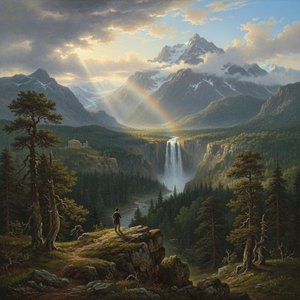
Evoking Nature's Sublime: A Comprehensive Exploration of 19th-Century Landscape Painting
Explore the captivating world of 19th-century landscape painting! Discover renowned artists like Friedrich & Monet, key movements, and find the perfect artwork to bring nature's serenity into your home. Expert insights at AllPaintingsStore.

Romantyczny Krajobraz w Malarstwie: 10 Arcydzieł, Które Zdefiniowały Epokę | AllPaintingsStore.com
Odkryj 10 arcydzieł romantyzmu w malarstwie! Poznaj historie Caspara Davida Friedricha, Turnera i innych mistrzów. Inspiracje wnętrzarskie & reprodukcje obrazów najwyższej jakości na AllPaintingsStore.com. Eksploruj kolekcję online!

John Constable: 25 Najlepszych Obrazów Mistrza Angielskiego Krajobrazu | AllPaintingsStore
Odkryj 25 arcydzieł Johna Constable'a – mistrza angielskiego krajobrazu! Poznaj romantyczne pejzaże, technikę malarską i inspiracje z Dedham Vale. Reprodukcje obrazów najwyższej jakości na AllPaintingsStore.com. Eksploruj pełną kolekcję online!


