


 Podgląd w skali 1:1
 Wyślij jako kartkę
 Udostępnij
 Szczegóły dzieła
 Przewodnik

 Pobierz obraz
 Podobne obiekty
 RTG
RTG Pokaz slajdów
 Q&A
Q&A Statystyki
Tomasz Ware
 Olej na płótnie
- Sztuka ścienna
- 18th-century British landscape
 1756
1756 76.0 x 63.0 cm
 Gainsborough's House
 Rozwiń treść
Giclée / Wydruk artystyczny
Wydruki giclée lub płótna o jakości muzealnej, szybka realizacja i szeroki wybór opcji wykończenia. ( Zamów ręcznie malowaną reprodukcję Przejdź do wersji cyfrowej)




P118B zł10

P118H zł10

P118W zł10

P438Z zł10

P508JH zł12

P508YH zł12

P805H zł10

P805Z zł10

P919BZ zł10

P919G zł10

P919XJ zł10

P959ZH zł10

P968JZ zł12

W106C zł8

W218G zł10

W218JH zł8

W218Y zł10

W307PJ zł10

W316G zł10

W316PJ zł8

W316Y zł10

W398PJ zł8

W4111J zł10

W500HY zł15

W500JH zł15

W692G zł12

W849H zł8

W940BG zł15

W953PJ zł8




Wybierz spośród naszych standardowych rozmiarów, które zachowują oryginalne proporcje dzieła sztuki.

Wpisz wymaganą szerokość i wysokość, aby dopasować grafikę do ramy lub ściany. Wydruk można jedynie przyciąć, nigdy nie powiększając go poza oryginalny obraz, dlatego format o innych proporcjach spowoduje utratę części kompozycji. Przed rozpoczęciem druku prześlemy Ci cyfrowy podgląd do zatwierdzenia. Obraz wyświetlany na tej stronie nie pokazuje rzeczywistego przycięcia — jedynie podgląd oddaje ten efekt.
Dostawa na cały świat () w ciągu 2 tygodni zamiast standardowych 4/5 tygodni. (31 Październik)

Bezpłatna ekspresowa wysyłka na cały świat

Wysokiej jakości płótno lniane

Pełne ubezpieczenie przesyłki

Gwarancja zwrotu należności celnych i podatków importowych

Gwarancja wiernego odwzorowania kolorów

100-dniowa polityka zwrotów (tylko w przypadku wad)

Gwarancja 100% zwrotu pieniędzy

Zniżka przy zakupie wielu sztuk
 Opcja ze szkłem jest dostępna wyłącznie w rozmiarach poniżej 110 cm

Tomasz Ware
Giclée / Wydruk artystyczny
Wymiary reprodukcji
-


Cena całkowita
zł 249
Thomas Vere – Portret Wczesnego Renesansu
Obraz "Thomas Vere" autorstwa Thomasa Gainsborougha, namalowany w 1756 roku, to więcej niż tylko portret mężczyzny. To fascynujący okno na świat angielskiego społeczeństwa wczesnych lat XVIII wieku, uchwycone w subtelnej elegancji i precyzji artystycznej. Gainsborough, jeden z najwybitniejszych przedstawicieli brytyjskiego malarstwa epoki, z niezwykłą wrażliwością oddaje charakter swojego podopiecznego – Thomasa Vere’a, przedstawiając go w stroju, który od razu kojarzy się z arystokracją i powściągliwą grzecznością. Zauważmy szczegóły: biały kołnierzyk jego garnituru, starannie ułożone włosy na głowie, a przede wszystkim – bezpośredni, przenikliwy wzrok skierowany wprost do widza. To spojrzenie, pełne pewności siebie i subtelnej inteligencji, zaprasza nas do rozmowy, do zgłębiania historii tego człowieka.
Obraz ten, wykonany techniką oleju na płótnie, mierzy 76 x 63 cm. Zauważmy delikatność pędzla Gainsborougha – jego charakterystyczne, lekkie linie tworzą wrażenie ruchu i powietrza, nadając obrazowi niezwykłą lekkość i żywiorowość. Kolorystyka jest stonowana, oparta na odcieniach beżu, szarości i błękitu, co podkreśla elegancję postaci i buduje atmosferę spokoju i powagi. Widać tu wpływ francuskiego malarstwa, które Gainsborough studiował podczas pobytu w Paryżu, a jednocześnie zachowuje unikalny, brytyjski styl.
Thomas Gainsborough – Artysta z Sudbury
Historia Thomasa Gainsborougha jest fascynującą opowieścią o artystzie, który narodził się i rozwijał w spokojnym miasteczku Sudbury, w hrabstwie Suffolk. Syn tkacza i kupca, od najmłodszych lat wykazywał niezwykłą wrażliwość na sztukę – tworzył miniaturki i rysunki, zanim jeszcze nauczył się czytać. Jego ojciec, widząc talent syna, wspierał jego pasję, oddalając go od tradycyjnego życia rodzinnego. To właśnie w Sudbury Gainsborough uczył się obserwować naturę, doskonalić swoje umiejętności i kształtować swój unikalny styl. Warto wspomnieć, że Gainsborough był członkiem Royal Academy, co świadczy o jego ogromnym wpływie na rozwój brytyjskiego malarstwa.
Obraz "Thomas Vere" jest przykładem tego, jak Gainsborough łączył w swoich pracach obserwację rzeczywistości z subtelną interpretacją psychologiczną. Nie przedstawia on jedynie portret mężczyzny, ale również jego charakter, jego postawę i stan ducha. Zauważmy, że Thomas Vere ubrany jest w sposób, który podkreśla jego status społeczny i powagę. Jego pozycja, wyprostowana i pewna siebie, świadczy o jego pozycji w społeczeństwie.
Symbolika i Kontekst Historyczny
Obraz "Thomas Vere" powstał w burzliwych czasach Wielkiej Brytanii – okresie transformacji społecznej i politycznej. Wczesne lata XVIII wieku to czas wzrostu bogactwa, rozwoju handlu i rosnącej potęgi arystokracji. Portrety takie jak ten, malowane przez Gainsborougha, były nie tylko formą zapisu pamięci, ale również sposobem na podkreślenie statusu społecznego i majątku swoich zleceniodawców. Zauważmy, że Thomas Vere, jako przedstawiciel arystokracji, jest przedstawiony w sposób, który podkreśla jego bogactwo i pozycję społeczną.
Warto również wspomnieć o Gainsborough’s House w Sudbury, gdzie można podziwiać oryginalny obraz oraz inne dzieła artysty. To muzeum oferuje fascynujące spojrzenie na życie i twórczość jednego z najwybitniejszych brytyjskich malarzy. Obraz "Thomas Vere" jest więc nie tylko pięknym przykładem sztuki, ale również cennym źródłem wiedzy o historii i kulturze Anglii wczesnego renesansu.
Reprodukcja – Odkryj Elegancję Gainsborougha
W AllPaintingsStore.com oferujemy wysokiej jakości reprodukcje obrazów Thomasa Gainsborougha, w tym "Thomas Vere". Nasze ręcznie malowane reprodukcje zachowują wszystkie detale i atmosferę oryginału, dzięki czemu są idealnym wyborem dla miłośników sztuki i osób poszukujących unikalnych dekoracji wnętrz. Dzięki naszej reprodukcji możesz przenieść się w świat angielskiego arystokracji i podziwiać piękno dzieła Gainsborougha z bliska.
Pytania i odpowiedzi
Jak intensywne są kolory w „Tomasz Ware” – Tomasz Gainsborough?
Kolory w „Tomasz Ware” – Tomasz Gainsborough charakteryzują się Monochromatyczność intensywnością.
Jaki jest format i wymiary dzieła "Tomasz Ware"?
Format dzieła "Tomasz Ware" to Portret, a wymiary oryginału wynoszą 76 x 63 cm. Obie te informacje są przydatne przy planowaniu reprodukcji.
Czy dzieło "Tomasz Ware" jest dostępne jako wysokiej jakości wydruk artystyczny?
Aby zamówić wydruk dzieła „Tomasz Ware” – Tomasz Gainsborough, wystarczy przejść na jego stronę Wydruk artystyczny premium: szlachetna odbitka na płótnie bawełnianym lub archiwalnym papierze o strukturze płótna.
Podobne dzieła


Biografia artysty
A Suffolk Beginning: The Early Life and Artistic Awakening
The story of Thomas Gainsborough, one of Britain’s most celebrated artists, unfolds not within the confines of a grand academy or bustling metropolis, but in the tranquil market town of Sudbury, Suffolk. Born in 1727, the youngest son of John Gainsborough, a weaver and wool merchant, young Thomas displayed an innate artistic sensibility from a remarkably early age. While his siblings pursued more conventional paths, Thomas’s world rapidly became consumed by drawing and painting – miniature self-portraits and delicate landscapes blossoming from his hand even before he reached ten years old. This precocious talent wasn't merely a childhood pastime; it was the burgeoning of a vision that would reshape British art. His father, recognizing this unique gift, encouraged its development, setting young Thomas on a path diverging sharply from the family trade. The Suffolk countryside itself became his first studio, imbuing his later works with a deep and abiding love for the natural world – a characteristic that would distinguish him throughout his career. This early immersion in landscape wasn’t simply about replicating what he saw; it was about *feeling* the essence of the English countryside, an emotional resonance that would permeate his canvases for decades to come.London and the Shaping of a Style: Influences and Early Commissions
In 1740, at the age of thirteen, Gainsborough journeyed to London, embarking on formal artistic training under Hubert Gravelot, a French engraver renowned for his elegant rococo style. This exposure proved pivotal, introducing him to refined techniques and fashionable aesthetics. However, it was his association with William Hogarth and the St Martin’s Lane Academy that truly began to mold his artistic identity. Initially influenced by Hogarth's narrative approach – his focus on social commentary and moral lessons – Gainsborough soon charted his own course, developing a distinctive style characterized by its lightness of touch, fluid brushwork, and subtle color palettes. He absorbed lessons from various masters, including the Dutch landscape painters whose atmospheric effects he admired, yet resisted strict adherence to any single school, forging a path that blended observation with imagination. Returning to Sudbury after marrying Margaret Burr in 1746, Gainsborough established himself as a portraitist for the local gentry. This period honed his skills in capturing likenesses and character, but it was during his subsequent move to Ipswich, and later Bath, that he began attracting a more sophisticated clientele – individuals who appreciated not just accurate representation, but also artistic flair and emotional depth.Bath and Beyond: Portraiture, Landscape, and Royal Patronage
The years spent in Bath (1759-1774) marked a significant turning point in Gainsborough’s career. The city was a hub of fashionable society, providing him with ample opportunities to paint portraits of the wealthy and influential. He quickly gained renown for his ability to capture not only physical resemblance but also the personality and social standing of his sitters. His portraits weren't merely depictions; they were statements about identity and status. He experimented with new techniques, incorporating elements of Rococo style while retaining a distinctly English sensibility. However, even amidst the demands of portraiture, Gainsborough never abandoned his passion for landscape painting. In fact, he often seamlessly integrated landscapes into his portraits, creating compositions that celebrated both human subjects and the beauty of the natural world. This innovative approach – a hallmark of his style – set him apart from many of his contemporaries. The culmination of his success came with his move to London in 1774, where he established a studio on Pall Mall and became a founding member of the Royal Academy. He also secured royal patronage, becoming a favorite painter of King George III and Queen Charlotte, further solidifying his position as one of Britain’s leading artists. *Mrs. Thomas Gainsborough*, painted in 1785, exemplifies this period – an elegant portrait showcasing rococo style and muted tones.A Legacy of Innovation: Enduring Appeal and Influence
Thomas Gainsborough died in 1788, leaving behind a body of work that continues to captivate audiences today. His influence on subsequent generations of British artists is undeniable. He liberated portraiture from rigid formality, infusing it with spontaneity and emotional resonance. His loose brushwork and atmospheric effects paved the way for the Impressionists, while his lyrical landscapes inspired artists like John Constable, who deeply admired Gainsborough’s ability to capture the spirit of the English countryside. Gainsborough's legacy extends beyond technique; it lies in his profound understanding of human character and his unwavering commitment to artistic expression. He wasn’t simply a painter of portraits or landscapes; he was a storyteller, a poet of light and color, and a visionary who transformed British art.Exploring Gainsborough's World Today
Gainsborough’s House, in his birthplace of Sudbury, stands as a testament to his life and work, offering visitors an intimate glimpse into his early influences and artistic development. Christchurch Mansion in Ipswich houses a significant collection of Gainsborough paintings alongside works by Constable and other masters. Numerous museums across the United Kingdom and internationally display his masterpieces, including the National Gallery in London and the Metropolitan Museum of Art in New York. His work continues to be studied, analyzed, and celebrated, ensuring that his artistic vision will endure for generations to come. The enduring appeal of Gainsborough’s art lies not only in its technical brilliance but also in its timeless beauty and emotional depth – qualities that resonate with viewers across centuries. His paintings are a testament to the power of observation, imagination, and the enduring allure of the English landscape.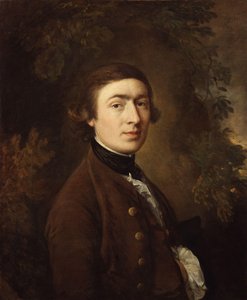
Tomasz Gainsborough
1727 - 1788 , Wielka Brytania
Krótka nota
- Artistic Movement Or Style: Rokok, Portret
- Artists Or Movements Influenced By This Artist:
- John Constable
- Impressioniści
- Artists Who Influenced This Artist:
- Hubert Gravelot
- William Hogarth
- Date Of Birth: 1727
- Date Of Death: 1788
- Full Name: Thomas Gainsborough
- Nationality: Brytyjski
- Notable Artworks:
- Pan i Pani Andrews
- Chłopiec niebieski
- Place Of Birth (City And Country): Sudbury, Anglia
Powiązane artykuły

Reflecting Nobility & Nuance: 18th-Century Portraiture as a Window into Societal Values
Explore the world of 18th-century portraiture with AllPaintingsStore. Discover symbolism, artistic innovation & societal values reflected in masterpieces by Reynolds, Hogarth & more. Expert insights for collectors.

Arcydzieła XVIII Wieku: 10 Obrazów, Które Zdefiniowały Epokę | AllPaintingsStore
Odkryj 10 arcydzieł XVIII wieku! Poznaj historie Watteau, Fragonarda i Canaletta. Reprodukcje obrazów w stylu rokoko i klasycyzmu idealne do Twojego wnętrza. Inspiracje artystyczne na AllPaintingsStore.com

Thomas Phillips: Portraiture, Patronage & the Rise of Victorian Society Art
Explore the life & work of Thomas Phillips (1770-1845), a leading Victorian portrait painter renowned for his captivating portrayals of Britain's 'men of genius'. Discover his artistic journey, patronage, and lasting legacy.
Thomas Hudson: A Study in 18th-Century Portraiture & British Artistic Identity
Explore the life & work of Thomas Hudson, a leading 18th-century British portraitist. Discover his mastery of the 'Grand Manner,' influential style, and lasting impact on British art. Learn about his notable portraits like Judge William Noel & Alexander Van Aken.

Trwała Spuścizna Formalnego Portretu: Władza, Tożsamość i Artystyczna Eksploracja
Odkryj fascynującą historię portretu formalnego – od antycznych korzeni po renesansowe arcydzieła. Analiza wpływu władzy, tożsamości i technik artystycznych na rozwój tego wyjątkowego gatunku sztuki.


