


 Podgląd w skali 1:1

 Wyślij jako kartkę
 Udostępnij
 Szczegóły dzieła
 Karta informacyjna


 Pobierz obraz
 Podobne obiekty
 RTG
 Pokaz slajdów
 Pytania i odpowiedzi

 Statystyki
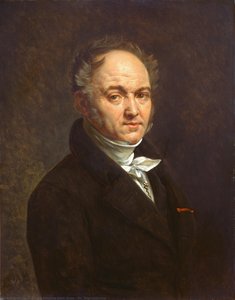
6th Lord Byron


 Rozwiń treść
Otrzymaj plik gotowy do druku, którego jakość znacznie przewyższa podgląd internetowy. Każdy sprzedawany przez nas obraz cyfrowy pochodzi z wysokorozdzielczego pliku wzorcowego w naszej bazie — zazwyczaj o szerokości od 5 000 do 15 000 pikseli — dzięki czemu możesz drukować w dużym formacie, mocno kadrować lub z pełnym przekonaniem odwzorowywać najdrobniejsze detale.
Żaden plik nie opuszcza naszego studia bez odpowiedniej obróbki. Ekspert ds. cyfrowej edycji sprawdza zgodność kolorów z oryginałem i w razie potrzeby je koryguje, a następnie za pomocą profesjonalnych narzędzi do retuszu poprawia ostrość oraz szczegółowość — zawsze zachowując wierność pociągnięciom pędzla i stylowi artysty. Rezultatem jest obraz, który wygląda jak prawdziwe dzieło, a nie jak przefiltrowany skan.
Zatwierdzasz przed finalizacją zamówienia: nasz ekspert prześle obraz drogą mailową w ciągu 72 godzin do Twojego wglądu. Nie jesteś zadowolony? Poproś o poprawki lub korektę, bądź o zwrot kosztów, jeśli jakość nie spełnia oczekiwań.
To jakość, na której polegają wydawcy, studia projektowe, galerie oraz drukarnie.
Obraz cyfrowy
Pobierz plik o wysokiej rozdzielczości do osobistego użytku, druku oraz projektów kreatywnych. ( Wydruk galeryjny Obraz olejny
)
W każdym zamówieniu na obraz cyfrowy znajduje się
Profesjonalna dostawa cyfrowa z gwarancją
Wybierając AllPaintingsStore.com, nie otrzymujesz jedynie obrazu – otrzymujesz profesjonalnie udoskonalone cyfrowe dzieło sztuki, stworzone z najwyższą precyzją i objęte gwarancją satysfakcji. Oto wszystko, co automatycznie dołączane jest do Twojego zamówienia:

Błyskawiczna wysyłka e-mailowa
Plik z obrazem cyfrowym w wysokiej rozdzielczości zostanie przesłany na Twój adres e-mail w ciągu 72 godzin od złożenia zamówienia – gotowy do natychmiastowego użycia.

Plik cyfrowy wzbogacony przez AI
Twoja grafika została profesjonalnie zoptymalizowana przy użyciu zaawansowanych narzędzi AI oraz ręcznej edycji, co zapewnia maksymalną szczegółowość, klarowność i wierność kolorów.

Darmowe ponowne przesyłki dożywotnio
Przypadkowo usunąłeś lub zgubiłeś swój plik? Bez obaw – prześlemy go Tobie ponownie w dowolnym momencie, bez żadnych opłat.

Bez opłat importowych – zawsze
Ciesz się swoją sztuką natychmiast, bez żadnych opłat celnych, należności ani kosztów dostawy – pliki cyfrowe są zawsze wolne od podatku.

Gwarancja wierności kolorów
Dzięki zastosowaniu profesjonalnych narzędzi i procesów zarządzania barwą zapewniamy, że Twoje cyfrowe zdjęcie odzwierciedla oryginalne kolory tak wiernie, jak to tylko możliwe.

Gwarancja satysfakcji przez 100 dni
Jeśli nie będziesz zadowolony ze swojego cyfrowego obrazu, dokonamy jego poprawki lub zwrócimy 100% kosztów w ciągu 100 dni – bez zbędnych pytań.

100% Gwarancja zwrotu pieniędzy
Nie jesteś zadowolony? Otrzymaj pełny zwrot kosztów w ciągu 100 dni od otrzymania pliku cyfrowego – bez zbędnych pytań.

Rabaty przy zamówieniach hurtowych
Kup 3 obrazy, oszczędź 10% - Kup 5, oszczędź 15% - Kup 10+, oszczędź 20%. Idealne do projektów kreatywnych, galerii i agencji.
The Portrait of the 6th Lord Byron
In this portrait, titled 6th Lord Byron, the English painter Thomas Phillips captures the likeness of George Gordon Byron, 6th Baron Byron. The work presents a formal study of the man, focusing on his upper body and his steady, serious gaze. Phillips, who was born in Dudley, United Kingdom, in 1770, brings a meticulous attention to the subject's features and the textures of his attire. The sitter is positioned slightly off-center, looking toward his left, which lends a sense of quiet introspection to the composition.
The artist, who passed away in London on 20 April 1845, utilizes a dark, receding background to ensure the viewer's attention remains fixed upon the subject. This choice of lighting creates a chiaroscuro effect, highlighting the contours of the face and the white of the shirt against the darker tones of the coat. There is a palpable sense of dignity in the subject's expression, a quality Phillips often sought when portraying the prominent figures of his era. The painting remains a significant example of the artist's ability to render both physical presence and character through oil on canvas.
Composition and Visual Elements
The composition focuses on the subject's upper body, with the figure cropped just below the waist. He is positioned slightly off-center, gazing toward his left with a serious expression that suggests a sense of dignity and status. This deliberate placement avoids a static, frontal view, lending a quiet gravity to his presence. The dark background recedes into obscurity, which serves to emphasize the figure and create a palpable sense of depth within the frame.
Lighting is used with precision, concentrated primarily on the man's face and upper body. This creates a chiaroscuro effect, where strong contrasts between light and shadow define his features and the folds of his attire. The interplay of light and dark provides a sculptural quality to the portrait, pulling the viewer's attention toward the sitter's contemplative gaze and the subtle textures of his clothing.
Technique and Artistic Style
Executed in oil on canvas, this portrait adheres closely to the formal traditions of the late 18th and early 19th centuries. The artist employs a meticulous realism, focusing on the precise rendering of the subject's features and the specific textures of his attire. Through a disciplined application of paint, the work achieves a smooth finish where brushstrokes remain largely invisible to the eye. This controlled approach allows the viewer to focus entirely on the character and presence of the sitter rather than the hand of the painter.
The technical proficiency is most evident in the handling of light and material. There is a sophisticated contrast between the surfaces depicted; the artist has successfully captured the subtle sheen of the white shirt against the matte quality of the dark coat. This interplay of light and shadow, achieved through careful blending and the layering of paint, provides the figure with a tangible, three-dimensional presence. The result is a portrait that prioritizes a quiet, dignified accuracy over dramatic flourish.
Related Works by Thomas Phillips
The artist's engagement with the Romantic era is perhaps most visible through his various depictions of the poet. In 1813, he produced Lord Byron in Albanian Dress, a work that captures the subject in traditional costume. This particular theme was revisited in a 1835 version of Lord Byron in Albanian Dress, which is currently held in the National Portrait Gallery, London. He also completed a Portrait of Lord Byron in 1814, offering a different perspective on the same figure.
Beyond his portraits of literary figures, Phillips demonstrated a keen ability to render the likenesses of significant intellectuals and professionals. His 1807 portrait of William Blake remains a notable example of his skill. He continued this practice into the following decades, producing a portrait of Sir Francis Chantrey in 1818 and a work featuring George Crabbe in 1819.
Pytania i odpowiedzi
Jaka paleta i dominujący kolor definiują "6th Lord Byron"?
„6th Lord Byron” charakteryzuje się paletą Earthy, w której dominuje Black (#060201).
Jak kolory w dziele "6th Lord Byron" współgrają ze sobą?
Kolory dzieła „6th Lord Byron” – Thomas Phillips wykazują Strong Color Unity harmonię. Harmonia ta opisuje wzajemne relacje między barwami.
Z jakich materiałów wykonano "6th Lord Byron" i w jakim stylu?
W "6th Lord Byron" technika Oil On Canvas łączy się z nurtem Romanticism.
Podobne dzieła




O artyście
Early Life and Artistic Foundations
Thomas Phillips, born in Dudley, Worcestershire, in 1770, emerged from relatively modest beginnings to become a prominent figure in the British art scene of the late 18th and early 19th centuries. His initial artistic training wasn’t within the traditional confines of painting, but rather in the craft of glass-painting under Francis Eginton in Birmingham. This foundational experience instilled in him a meticulous attention to detail and an understanding of color and light – skills crucial for capturing the nuances of human expression – that would later characterize his portraiture. The intricate designs and vibrant hues of stained glass demanded precision and a keen eye for composition, qualities Phillips readily applied to his future work on canvas. A pivotal moment arrived in 1790 when Phillips journeyed to London, armed with an introduction to Benjamin West, a leading artist of the time and a key figure in the Royal Academy. West’s guidance proved invaluable, securing him employment on the painted-glass windows of St George's Chapel at Windsor Castle – a project that allowed him to hone his skills within a grand architectural context and provided exposure to large-scale decorative work. This early immersion in elaborate designs undoubtedly shaped his compositional sensibilities and appreciation for narrative storytelling in art, influencing the dramatic lighting and carefully arranged elements often found in his portraits. In 1791, Phillips formally enrolled as a student at the Royal Academy, marking the beginning of his formal artistic education and his integration into the established art world.A Rising Portraitist: Style and Subject Matter
Phillips quickly found his niche in portraiture, though not without navigating a competitive landscape already populated by renowned artists like Thomas Lawrence and John Hoppner. Initially, his sitters were largely unknown individuals – members of the gentry, clergymen, and local notables – but through dedication and skill, he steadily ascended the social ladder, attracting increasingly prominent figures to his studio. His style was characterized by a meticulous realism, reflecting both the influence of his early training in glass-painting and the prevailing artistic tastes of the era. He possessed an ability to capture not just physical likeness, but also something of the sitter’s character and intellect – a subtle expression of their personality that went beyond mere representation. This talent proved particularly valuable when portraying the “men of genius” – scientists, writers, poets, and explorers – who became a recurring theme in his work. He was known for his ability to convey not just outward appearance but also inner thoughts and emotions through carefully observed details: the furrowed brow suggesting contemplation, the twinkle in the eye hinting at wit and intelligence. His portraits were often imbued with a sense of dignity and gravitas, reflecting the status and accomplishments of their subjects.Royal Patronage and Academic Recognition
The year 1804 marked a significant turning point in Phillips’ career with his election as an associate of the Royal Academy, alongside William Owen. This recognition solidified his position within the artistic establishment and signaled growing confidence in his abilities. Shortly thereafter, he relocated to 8 George Street, Hanover Square, a prestigious address that would remain his home and studio for the next four decades – a symbol of his rising status and access to influential circles. His clientele continued to expand, encompassing members of the royal family, including Prince William IV, as well as prominent figures from Parliament, the military, and the literary world. He painted portraits of the Prince of Wales (later George IV), the Marchioness of Stafford, and Lord Thurlow, among others – each portrait a testament to his skill and ability to capture the essence of his subjects. In 1824, Phillips achieved full academician status, presenting his diploma work *Venus and Adonis*, considered one of his most imaginative compositions, demonstrating a departure from purely portraiture into more ambitious narrative painting. The subject matter – inspired by the classical poet—showcased his evolving artistic vision and his willingness to experiment with allegorical themes.Later Years: Professorship and Legacy
Phillips’s contributions to the art world extended beyond his own paintings. In 1825, he was appointed Professor of Painting at the Royal Academy, succeeding Henry Fuseli – a position he held until 1832. This role allowed him to share his knowledge and expertise with aspiring artists, shaping the next generation of British painters. He published *Lectures on the History and Principles of Painting* in 1833, offering insights into his artistic philosophy and pedagogical approach—a valuable resource for students eager to understand the foundations of art. His lectures emphasized careful observation, meticulous technique, and a deep understanding of composition and color theory. While his later years saw a slight decline in public acclaim – partly due to shifts in artistic taste – Phillips remained a respected figure within the art community until his death in 1845. His legacy lies not only in the numerous portraits he created – capturing the likenesses of many notable figures of his time—but also in his dedication to artistic education and his contribution to the development of British portraiture. He left behind a body of work that reflects both the technical skill and the intellectual curiosity of an artist deeply engaged with the cultural landscape of his era, demonstrating a remarkable ability to capture not just outward appearance but also inner thoughts and emotions. His attention to detail, combined with a sensitivity to character, ensures his place as a significant figure in 19th-century British art.
Thomas Phillips
1770 - 1845 , Wielka Brytania
Szybki podgląd
- Artistic Movement Or Style: Romanticizm
- Artists Or Movements Influenced By This Artist: ['Benjamin West']
- Artists Who Influenced This Artist: ['Benjamin West']
- Date Of Birth: 1770
- Date Of Death: 1845
- Full Name: Thomas Phillips
- Nationality: Brytyjski
- Notable Artworks:
- Venus i Adonis
- Lord Byron
- Place Of Birth: Dudley, UK