


 Zobacz w skali 1:1
 Wyślij
 Udostępnij
 Szczegóły
 Przewodnik

 Pobierz plik obrazu
 Podobne obiekty
 RTG
RTG Pokaz slajdów
 Statystyki
Shearing the rams
 Oil On Board
- WallArt
- Australian Impressionism
 1890
1890- 19th Century
 122.0 x 183.0 cm
 National Gallery of Victoria
 Czytaj więcej
Giclée / Wydruk artystyczny
Wydruki giclée lub płótna o jakości muzealnej, szybka realizacja i szeroki wybór opcji wykończenia. ( Kup ręcznie malowany obraz Przełącz na wersję cyfrową)




P118B zł10

P118H zł10

P118W zł10

P438Z zł10

P508JH zł12

P508YH zł12

P805H zł10

P805Z zł10

P919BZ zł10

P919G zł10

P919XJ zł10

P959ZH zł10

P968JZ zł12

W106C zł8

W218G zł10

W218JH zł8

W218Y zł10

W307PJ zł10

W316G zł10

W316PJ zł8

W316Y zł10

W398PJ zł8

W4111J zł10

W500HY zł15

W500JH zł15

W692G zł12

W849H zł8

W940BG zł15

W953PJ zł8




Wybierz spośród naszych standardowych rozmiarów, które zachowują oryginalne proporcje dzieła sztuki.

Wpisz wymaganą szerokość i wysokość, aby dopasować grafikę do ramy lub ściany. Wydruk można jedynie przyciąć, nigdy nie powiększając go poza oryginalny obraz, dlatego format o innym proporcji spowoduje utratę części kompozycji. Przed rozpoczęciem druku prześlemy Ci cyfrowy podgląd do zatwierdzenia. Obraz wyświetlany na tej stronie nie pokazuje rzeczywistego przycięcia — jedynie podgląd oddaje ten efekt.
Dostawa na cały świat () w ciągu 2 tygodni zamiast standardowych 4/5 tygodni. (24 Październik)

Bezpłatna ekspresowa wysyłka na cały świat

Wysokiej jakości płótno lniane

Pełne ubezpieczenie transportowe

Gwarancja zwrotu należności celnych i podatków importowych

Gwarancja idealnego odwzorowania barw

100-dniowy okres na zwrot dzieła w przypadku wykrycia wad produkcyjnych

Gwarancja 100% zwrotu pieniędzy

Oferta przy zakupie wielu sztuk
 Opcja ze szkłem jest dostępna wyłącznie w rozmiarach poniżej 110 cm

Shearing the rams
Giclée / Wydruk artystyczny
Rozmiar reprodukcji
-


Suma do zapłaty
zł 245
A Masterpiece of Australian Identity
In the golden light of the late nineteenth century, Tom Roberts captured more than just a moment in time; he immortalized the very soul of a burgeoning nation. Shearing the Rams, completed in 1890, remains one of the most profound and evocative works of the Heidelberg School. This large-scale oil painting does not merely depict a routine agricultural task; it serves as a monumental tribute to the rugged, masculine labor that defined the Australian pastoral identity. As the viewer enters the scene, they are transported into the rustic, timbered interior of a shearing shed at Brocklesby Station, where the air feels thick with the scent of wool, sweat, and the quiet dignity of hard work.
The composition is a masterful orchestration of human activity and animal grace. Roberts meticulously arranges fourteen figures within the shed, creating a sense of rhythmic, communal effort. At the heart of this industrious tableau, the sheep are rendered with a tactile presence that invites the eye to linger on the textures of their fleece. The central focus on the shearing process—the physical connection between man and beast—symbolizes the symbiotic relationship between the Australian people and the land they inhabit. Through this lens, the painting transcends mere genre art to become a powerful statement on the strength and resilience required to carve a life out of the vast, untamed bush.
Impressionistic Light and Textural Brilliance
Technically, Shearing the Rams is a triumph of Australian Impressionism. Roberts, having been deeply influenced by his travels in Europe and his observations of the unique Southern Hemisphere light, employs a palette that vibrates with warmth and luminosity. His brushwork is characteristically loose and expressive, a hallmark of the Heidelberg School’s plein air philosophy. Rather than relying on rigid, clinical lines, Roberts uses dappled light and energetic strokes to capture the atmospheric quality of the shed—the way sunlight filters through gaps in the timber to illuminate patches of dust and wool.
For the discerning collector or interior designer, the painting offers an extraordinary depth of color and texture. The interplay between the earthy tones of the wooden structure and the brilliant, sun-drenched highlights on the sheep’s backs creates a visual dynamism that commands attention in any space. This technique does more than replicate reality; it evokes the feeling of heat, the movement of hands, and the heavy atmosphere of a working day. The painting possesses an inherent warmth that can anchor a room, providing a sophisticated focal point that speaks to both historical importance and aesthetic excellence.
An Enduring Legacy for the Modern Collector
Beyond its technical brilliance, the emotional impact of Roberts’ work lies in its ability to evoke nostalgia and national pride. There is a profound sense of respect embedded in every stroke—a reverence for the "strong, masculine labour" that built the foundations of the Australian economy. To possess a high-quality reproduction of this masterpiece is to bring a piece of history into the contemporary home. It is an invitation to contemplate themes of tradition, perseverance, and the sublime beauty found in the most humble of settings.
Whether placed in a grand gallery setting or as a soulful addition to a curated living space, Shearing the Rams continues to inspire awe. It remains a cornerstone of art history, offering a window into a pivotal era of human endeavor. For those seeking to decorate with pieces that possess narrative depth and historical weight, this work stands as an incomparable choice, bridging the gap between the rugged past and the refined present.
Pytania i odpowiedzi
Jak intensywne są kolory dzieła "Shearing the rams"?
Dzieło „Shearing the rams” autorstwa Tom Roberts zostało utrwalone z nasyceniem na poziomie Balanced Soft oraz intensywnością Balanced.
Czy dostępna jest możliwość pobrania obrazu "Shearing the rams"?
„Shearing the rams” autorstwa Tom Roberts można pobrać ze strony Pobierz dzieła jako wysokiej rozdzielczości cyfrowe zdjęcie do pobrania.
Jaki nastrój ma "Shearing the rams"?
"Shearing the rams" ma Calm atmosferę.
Podobne dzieła


Biografia artysty
Pionier australijskiego światła: życie i sztuka Toma Robertsa
Urodzony 8 marca 1856 roku w Dorchester, hrabstwo Dorset, w Anglii, Thomas William Roberts stał się kluczową postacią w rozwoju odrębnej australijskiej tożsamości artystycznej. Jego wczesne życie naznaczone było przeprowadzką rodziny do Melbourne w 1869 roku – podróżą, która nieodwracalnie ukształtowała jego wizję artystyczną. Rozległe krajobrazy i wyjątkowe światło Australii rozbudziły w nim pasję do uchwycenia esencji swojej nowej ojczyzny. Początkowo pracując jako asystent fotografa, Roberts doskonalił swoje umiejętności obserwacyjne i wypracował oko do kompozycji – cechy, które stały się znakiem rozpoznawczym jego słynnych obrazów. Jednocześnie podjął formalne szkolenie artystyczne, studiując u Louisa Buvelota, którego wpływ zaszczepił w nim miłość do malarstwa krajobrazowego i fundament tradycyjnych technik. Jednak to pobyt w Europie w 1881 roku naprawdę poszerzył jego horyzonty artystyczne.Narodziny australijskiego impresjonizmu
Czas Robertsa w Europie, a zwłaszcza studia w Royal Academy w Londynie, wystawiły go na najnowsze prądy artystyczne, w tym rozwijający się ruch impresjonistyczny. Opanował techniki malowania en plein air – pracy bezpośrednio z natury na świeżym powietrzu – oraz skupienie się na uchwyceniu ulotnych chwil światła i atmosfery. Po powrocie do Australii w 1885 roku przywiózł ze sobą nie tylko umiejętności techniczne, ale także gorące pragnienie stworzenia sztuki autentycznie australijskiej. Ta ambicja doprowadziła go do współpracy z innymi artystami, Frederickiem McCubbinem, Arthurem Streetonem i Charlesem Conderem, tworząc jądro tego, co stało się znane jako Heidelberg School, czyli australijski impresjonizm. Grupa założyła obozy artystyczne w Box Hill i Eaglemont, przyjmując styl życia poświęcony obserwacji i malowaniu australijskiego buszu. Nie były to tylko przedsięwzięcia artystyczne; były to deklaracje niezależności kulturowej, odrzucające konwencje europejskie na rzecz świętowania unikalnego charakteru swojego narodu. Wystawa impresjonistyczna z 1889 roku, prezentująca małe obrazy na pokrywkach cedrowych skrzynek do cygar, była śmiałą deklaracją tej nowej wizji artystycznej – wyzywającym zaprzeczeniem ustalonych norm i przełomowym momentem w historii australijskiej sztuki.Narracje narodowe i trwałe dziedzictwo
Choć głęboko oddany zasadom impresjonizmu, Roberts nie zadowalał się jedynie naśladowaniem krajobrazów. Dążył do tworzenia „narracji narodowych” – obrazów przedstawiających sceny codziennego australijskiego życia i celebrujących jego mieszkańców. Shearing the Rams (1890), prawdopodobnie jego najbardziej znany utwór, doskonale ilustruje tę ambicję. Obraz to potężne przedstawienie wiejskiego wysiłku, uchwycające energię i kameradztwo owczarzy przy pracy. To nie tylko zapis czynności; to celebracja australijskiej męskości i znaczenia pastoralnej gospodarki. A Break Away! (1891), z dynamiczną kompozycją i oświetlonym słońcem klimatem, podobnie uchwyciła kwintesencję chwili życia australijskiego – grupę stokerów pędzących bydłem przez równiny. Bailed Up (1895), choć mniej celebracyjne, oferuje fascynujący wgląd w realia pogranicznego życia, przedstawiając powóz zatrzymany przez zbójców. Te prace nie były tylko estetycznie przyjemne; były próbami zdefiniowania tego, co to znaczy być Australijczykiem poprzez sztukę. Poza tymi kultowymi obrazami Roberts wniósł również istotny wkład jako portrecista i w 1903 roku ukończył The Big Picture, monumentalne dzieło zamówione na otwarcie pierwszego australijskiego parlamentu – wizualny zapis narodzin narodu.Orędownik sztuki australijskiej
Wpływ Toma Robertsa wykraczał daleko poza jego własne obrazy. Był niestrudzonym rzecznikiem rozwoju sceny artystycznej w Australii, aktywnie promując prace swoich kolegów i wspierając powstanie krajowych instytucji mających na celu wsparcie i prezentację australijskiego talentu. Z pasją wierzył w znaczenie stworzenia odrębnej australijskiej tożsamości artystycznej – jednej, która odzwierciedla unikalne krajobrazy, ludzi i doświadczenia narodu. Był pierwszym, który publicznie opowiadał się za powstaniem Australijskiej Galerii Portretów Narodowych, uznając moc portrety w uchwyceniu ducha narodu. Jego oddanie budowaniu żywej kultury artystycznej umocniło jego pozycję nie tylko jako czołowego artysty, ale także jako wizjonerskiego lidera, który pomógł ukształtować bieg historii australijskiej sztuki. Jego dziedzictwo nadal inspiruje kolejne pokolenia artystów i pozostaje świadectwem trwałej mocy sztuki w definiowaniu i celebrowaniu tożsamości narodowej.Kolekcje i dalsza eksploracja
- Odkryj prace Toma Robertsa na AllPaintingsStore.com.
- Poznaj więcej o jego życiu i twórczości poprzez wpis na Wikipedii o Tomie Robertsie.
- Odkryj kolekcję australijskiej sztuki Galerii Narodowej wiktoriańskiej, w tym prace Robertsa, w Ian Potter Centre w Federation Square w Melbourne.
- Zagłęb się głębiej w jego biografię i rozwój artystyczny dzięki zasobom takim jak Australijskie Słownik Biografii.

Tom Roberts
1856 - 1931 , Wielka Brytania
Najważniejsze informacje
- Artyści-Inspiracje:
- Louis Buvelot
- Whistler
- Velazquez
- Data Urodzenia: 8 marca 1856
- Data Śmierci: 14 września 1931
- Miejsce Urodzenia: Dorchester, Wielka Brytania
- Narodowość: Australijczyk
- Pełne Imię: Thomas William Roberts
- Ruchy/Artyści Pod Wpływem:
- Heidelberg School
- Sztuka australijska
- Styl Artystyczny: Impresjonizm australijski
- Znaczące Dzieła:
- Shearing the Rams
- A Break Away!
- Bailed Up
Zobacz także powiązane artykuły

Robert Julian Onderdonk: Pioneering Texas Impressionism & Capturing Regional Light
Explore the life & art of Robert Julian Onderdonk, 'the Father of Texas Painting.' Discover his vibrant Impressionist landscapes, iconic bluebonnets, and lasting legacy. Learn about collecting Onderdonk's work today.

Hubert Robert: Picturing Ruins, Preserving Memory – A Study of Romantic Antiquarianism & Artistic Innovation
Explore the captivating world of Hubert Robert, master of Romantic landscape painting & 'capriccio' ruins. Discover his historical context, artistic innovations, and collecting insights with AllPaintingsStore.

Impressionizm w Obrazach: 10 Arcydzieł Pełnych Światła i Koloru | AllPaintingsStore
Odkryj 10 arcydzieł impresjonizmu! Poznaj historie Claude Moneta, Degasa i Van Gogha. Reprodukcje obrazów najwyższej jakości – pejzaże pełne światła i koloru do Twojego wnętrza. AllPaintingsStore.

Robert Bevan: Pioneering British Post-Impressionism & the Camden Town Group's Intimate Vision
Explore the life & work of Robert Bevan, a pioneer of British Post-Impressionism and founding member of the Camden Town Group. Discover his vibrant landscapes and lasting impact on early 20th-century art.
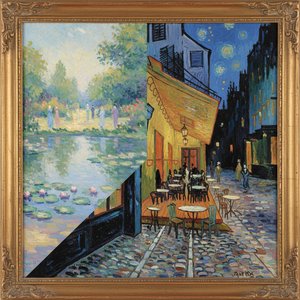
Poza Światłem i Kolorem: Impresjonizm a Postimpresjonizm dla Wymagającego Kolekcjonera
Poznaj subtelne różnice między impresjonizmem a postimpresjonizmem. Ekspercka analiza dla wymagających kolekcjonerów sztuki. Inwestycje, historia i wartość dzieł.

