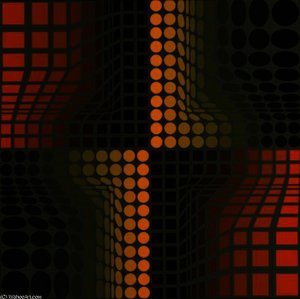
Acrylic On Canvas.

§ 1Catalogue data


Ten utwór podlega ochronie prawem autorskim
Dzieło sztuki prezentowane na tej stronie podlega ochronie prawem autorskim, co oznacza, że nie mamy prawa do tworzenia ani sprzedaży jego identycznej reprodukcji. Ochrona ta jest egzekwowana na mocy umów międzynarodowych, takich jak Konwencja berneńska oraz przez przepisy prawa krajowego, w tym te określone w Prawo autorskie USA – Tytuł 17.
Jako pełną szacunku i legalną alternatywę oferujemy personalizowane, malowane ręcznie dzieła sztuki inspirowane oryginałem. Nasi wykwalifikowani i profesjonalni artyści starannie analizują styl, nastrój oraz artystyczną esencję pierwowzoru, aby stworzyć nowe, unikalne dzieło, które przywołuje te same emocje – pozostając jednocześnie w pełni oryginalną kreacją.
Metoda ta jest w pełni zgodna z przepisami prawa autorskiego, ponieważ nie polega na kopiowaniu ani powielaniu chronionego dzieła. Stanowi ona kreatywną reinterpretację – nowy obraz, który czerpie inspirację z oryginału, ale nie jest z nim tożsamy.
 Dowiedz się więcej
§ 2Abstract
Opis obiektu
Experience Victor Vasarely’s iconic Op Art masterpiece, Andromeda, a mesmerizing geometric design in red, white, and black that evokes an egg or sphere. This captivating artwork from the 1960s invites you to explore its dynamic patterns and own a piece of art history.
Biografia artysty
Victor Vasarely (1906-1997) – pionier op-art i sztuki kinetycznej. Jego geometryczne abstrakcje, iluzje optyczne i wpływ na współczesny design są niezapomniane.
§ 3Commentary
A Universe Condensed: Exploring Victor Vasarely’s “Andromeda”
Victor Vasarely's "Andromeda" isn't merely a painting; it’s an invitation into a realm where perception itself becomes the subject. This striking composition, dominated by a meticulously rendered geometric pattern of red, white, and black, embodies the core tenets of Op Art – Optical Art – a movement that emerged in the mid-20th century to challenge our fundamental understanding of how we see. The image presents an almost hypnotic effect, drawing the viewer into its intricate depths, mirroring the artist’s deliberate manipulation of visual space.
The Genesis of Illusion: Vasarely and Op Art
Born in 1906 in Pécs, Croatia (then part of Austria-Hungary), Károly Vaszary – later Victor Vasarely – embarked on a remarkable artistic journey. Initially drawn to medicine, he ultimately found his true calling in the burgeoning world of abstraction, heavily influenced by the Bauhaus movement and Sándor Bortnyik’s “Műhely” workshop. This environment fostered an intense exploration of geometric forms and their impact on visual perception. Vasarely wasn't simply creating pretty pictures; he was conducting a rigorous experiment with color, line, and space, aiming to generate optical illusions that would force the viewer to actively participate in the creation of the image.
Decoding the Pattern: Technique and Symbolism
The painting’s surface is characterized by a precise application of paint, creating a series of interlocking shapes – circles, squares, and lines – arranged with mathematical precision. This technique, central to Op Art, aims to stimulate specific visual responses in the viewer's eye. The deliberate use of red, white, and black amplifies this effect, playing with contrasts and creating a dynamic sense of movement and depth. While Vasarely himself resisted assigning definitive symbolic meaning to his work, many interpret the composition as representing the universe itself – a microcosm of cosmic order contained within a single, captivating form. The egg or sphere shape evokes primordial creation, while the geometric precision speaks to the underlying mathematical structure of reality.
A Legacy of Visual Perception
"Andromeda" stands as a testament to Victor Vasarely’s pioneering role in shaping modern art. Its influence can be seen in countless subsequent works exploring optical illusions and abstract geometry. This reproduction captures not just an image, but the very essence of Vasarely's artistic vision – a bold exploration of perception, color, and form that continues to resonate with viewers today. It’s a piece perfect for collectors seeking a statement of sophisticated design or interior designers looking to inject a dynamic, visually stimulating element into any space.
Pytania i odpowiedzi
Jaki jest dominujący kolor w „Andromeda” – Wiktór Wasaryli?
Dominującym kolorem dzieła „Andromeda” – Wiktór Wasaryli jest Espresso (#503530).
W jaki sposób Op Art dzieła „Andromeda” nawiązuje do kraju pochodzenia artysty?
"Andromeda" powstało dzięki Wiktór Wasaryli, urodzonemu w Chorwacja, w ramach nurtu Op Art. Pochodzenie artysty wiąże to dzieło z Op Art w wydaniu twórców z Chorwacja.
Czy dzieło „Andromeda” – Wiktór Wasaryli jest jasne czy ciemne?
Postrzegana jasność dzieła „Andromeda” – Wiktór Wasaryli wynosi balanced. Można ją dopasować do oświetlenia w docelowym pomieszczeniu.


 Przełącz na wydania drukowane


 W przypadku dzieł sztuki lub reprodukcji, których którykolwiek z boków przekracza 105 cm (około 41 cali), rama zostanie wysłana w formie zestawu do samodzielnego montażu. Metoda ta zapewnia bezpieczną dostawę i zapobiega uszkodzeniom podczas transportu.