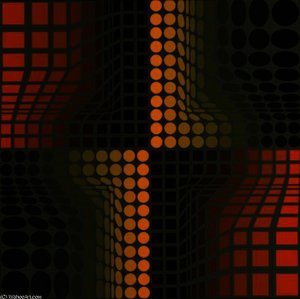
1963. Akryl na płótnie.

§ 1Catalogue data


Ten utwór podlega ochronie prawem autorskim
Dzieło sztuki prezentowane na tej stronie podlega ochronie prawem autorskim, co oznacza, że nie mamy prawa do tworzenia ani sprzedaży jego identycznej reprodukcji. Ochrona ta jest egzekwowana na mocy umów międzynarodowych, takich jak Konwencja berneńska oraz przez przepisy prawa krajowego, w tym te określone w Prawo autorskie USA – Tytuł 17.
Jako pełną szacunku i legalną alternatywę oferujemy personalizowane, malowane ręcznie dzieła sztuki inspirowane oryginałem. Nasi wykwalifikowani i profesjonalni artyści starannie analizują styl, nastrój oraz artystyczną esencję pierwowzoru, aby stworzyć nowe, unikalne dzieło, które przywołuje te same emocje – pozostając jednocześnie w pełni oryginalną kreacją.
Metoda ta jest w pełni zgodna z przepisami prawa autorskiego, ponieważ nie polega na kopiowaniu ani powielaniu chronionego dzieła. Stanowi ona kreatywną reinterpretację – nowy obraz, który czerpie inspirację z oryginału, ale nie jest z nim tożsamy.
 Dowiedz się więcej
§ 2Abstract
Opis obiektu
Odkryj abstrakcyjną piękno obrazu Victora Vasarely'ego "Beryll". Geometryczne kola i żywe kolory – ikona Op Art, która demokratyzuje doświadczenie wzrokowe.
Biografia artysty
Victor Vasarely (1906-1997) – pionier op-art i sztuki kinetycznej. Jego geometryczne abstrakcje, iluzje optyczne i wpływ na współczesny design są niezapomniane.
§ 3Commentary
Beryll – Geometry’s Dance with Perception
Victor Vasarely's "Beryll" (1963) isn’t merely a painting; it’s an invitation into a realm where visual illusion reigns supreme. Captured in this striking photograph, the artwork presents a mesmerizing collage of circles—a deliberate orchestration of shapes and hues that speaks volumes about Vasarely’s groundbreaking approach to artistic expression. Thirteen distinct circles dominate the canvas, each varying subtly in size and position, creating a dynamic interplay between order and spontaneity. The dominant palette is dominated by vibrant reds and pinks – colors chosen not just for their visual appeal but also for their psychological resonance. This bold chromatic scheme immediately draws the eye, establishing an atmosphere of energy and excitement.The Bauhaus Influence: Seeds of Geometric Abstraction
Vasarely’s artistic journey began at Sándor Bortnyik’s Műhely – a school deeply rooted in the principles of Bauhaus design. This formative experience instilled within him a profound understanding of functional aesthetics combined with geometric abstraction, concepts that would become central to his distinctive style. The Bauhaus movement championed simplicity and clarity, rejecting ornamentation in favor of rational forms—a philosophy perfectly aligned with Vasarely’s desire to explore the fundamental mechanisms underlying visual perception. He sought to distill art down to its purest essence: geometry itself.Op Art: Challenging Reality Through Illusion
“Beryll” exemplifies Op Art – Optical Art – a movement that emerged in the mid-1960s and irrevocably altered the landscape of modern art. Artists like Vasarely deliberately manipulated visual stimuli to create illusions of movement, vibration, and depth without any physical alteration of the artwork. This technique relies on exploiting the human eye’s sensitivity to patterns and angles, prompting viewers to question their assumptions about what they see. Vasarely's meticulous arrangement of circles isn’t simply decorative; it actively engages the viewer’s brain, stimulating neural pathways and producing a captivating sensory experience.Symbolism Hidden in Plain Sight
While seemingly abstract, "Beryll" carries subtle symbolic undertones reflecting Vasarely’s fascination with mathematical concepts and his belief in their ability to convey profound ideas. The circles themselves represent wholeness, unity, and cyclical patterns – themes frequently explored by philosophers and mathematicians throughout history. Their repetition reinforces this notion of constancy amidst apparent randomness, suggesting a harmonious balance between opposing forces. Furthermore, the vibrant reds and pinks evoke feelings of passion, vitality, and optimism—colors that resonate with the optimistic spirit of the era in which Vasarely created his masterpiece.A Legacy of Innovation: Vasarely’s Enduring Influence
Victor Vasarely's contribution to art history transcends mere stylistic innovation; he fundamentally redefined how artists approached visual representation. “Beryll” stands as a testament to his unwavering commitment to exploring the boundaries of perception and transforming abstract geometric forms into powerful vehicles for emotional expression. Its enduring appeal lies in its ability to captivate audiences with its mesmerizing visual effects while simultaneously prompting contemplation on the nature of reality itself—a legacy that continues to inspire artists and designers worldwide.Pytania i odpowiedzi
Czy Wiktór Wasaryli, twórca "Beryll", jest znany pod innymi nazwiskami?
Inne znane nazwiska Wiktór Wasaryli, twórcy "Beryll", to Győző Vásárhelyi.
Jak intensywne są kolory w „Beryll” – Wiktór Wasaryli?
Intensywność barw w dziele „Beryll” wynosi Żywy i nasycony. Intensywność określa, jak nasycone wydają się kolory.
Co przedstawia „Beryll” – Wiktór Wasaryli i jaki ma nastrój?
„Beryll” – Wiktór Wasaryli łączy w sobie optical illusion, geometric shapes, color palette, circular patterns, visual perception, abstraction art, hungarian artist, bauhaus influence z Spokój atmosferą.




 Przełącz na wydania drukowane


 W przypadku dzieł sztuki lub reprodukcji, których którykolwiek z boków przekracza 105 cm (około 41 cali), rama zostanie wysłana w formie zestawu do samodzielnego montażu. Metoda ta zapewnia bezpieczną dostawę i zapobiega uszkodzeniom podczas transportu.