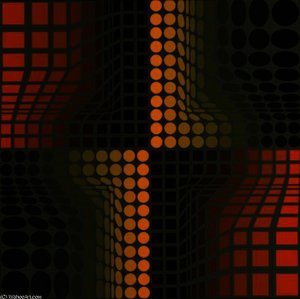
Akryl na płótnie.

§ 1Dane katalogowe

Ten utwór podlega ochronie prawem autorskim
Dzieło sztuki prezentowane na tej stronie podlega ochronie prawem autorskim, co oznacza, że nie mamy prawa do tworzenia ani sprzedaży jego identycznej reprodukcji. Ochrona ta jest egzekwowana na mocy umów międzynarodowych, takich jak Konwencja berneńska oraz przez przepisy prawa krajowego, w tym te określone w Prawo autorskie USA – Tytuł 17.
Jako pełną szacunku i legalną alternatywę oferujemy personalizowane, malowane ręcznie dzieła sztuki inspirowane oryginałem. Nasi wykwalifikowani i profesjonalni artyści starannie analizują styl, nastrój oraz artystyczną esencję pierwowzoru, aby stworzyć nowe, unikalne dzieło, które przywołuje te same emocje – pozostając jednocześnie w pełni oryginalną kreacją.
Metoda ta jest w pełni zgodna z przepisami prawa autorskiego, ponieważ nie polega na kopiowaniu ani powielaniu chronionego dzieła. Stanowi ona kreatywną reinterpretację – nowy obraz, który czerpie inspirację z oryginału, ale nie jest z nim tożsamy.
 Dowiedz się więcej
§ 2Abstrakcja
Opis obiektu
Zapoznaj się z obrazem Victora Vasarely'ego „Haynal”, pioniera Op Art! Geometryczne abstrakcje i optyczne iluzje tego twórcy zainspirowały świat sztuki nowoczesnej i dekoracyjnej.
Biografia artysty
Victor Vasarely (1906-1997) – pionier op-art i sztuki kinetycznej. Jego geometryczne abstrakcje, iluzje optyczne i wpływ na współczesny design są niezapomniane.
§ 3Komentarz
Haynal – Geometry’s Dance in Purple Hues
Victor Vasarely’s “Haynal” is more than just a painting; it's an invitation into a realm where visual perception bends and shifts, embodying the very essence of Op Art—Optical Art. Created sometime between 1963 and 1964, this artwork captures a serene interior space dominated by calming shades of purple and accented with emerald green. The photograph showcases a room bathed in diffused light, highlighting the intricate geometric pattern that adorns the walls – a mesmerizing tapestry of interlocking circles and squares arranged in a dynamic equilibrium.- Subject Matter: The painting depicts an unassuming domestic setting—a room furnished with two chairs and a bench—serving as a canvas for Vasarely’s groundbreaking visual experiment.
- Style: “Haynal” firmly establishes Vasarely within the Op Art movement, characterized by its illusionistic effects achieved through precise repetition of geometric forms. It rejects traditional representational art in favor of stimulating sensory experience.
- Technique: Vasarely employed a meticulous process involving silkscreen printing—a technique that ensured exceptional color accuracy and reproducibility. This method allowed him to translate his conceptual designs into tangible artworks with remarkable consistency.
Historical Context – The Bauhaus Legacy & Beyond
Vasarely’s artistic journey began in Budapest, Hungary, where he initially pursued medical studies before discovering his passion for painting. Influenced profoundly by the Bauhaus school’s emphasis on functional design and abstraction—a movement that championed simplicity and geometric precision—he honed his skills at Műhely, furthering his exploration of visual perception. “Haynal” reflects this intellectual lineage, aligning with the broader artistic trends of the mid-20th century, which sought to challenge established conventions and embrace new approaches to artistic expression. Symbolism: The geometric shapes themselves aren’t merely decorative elements; they represent a deliberate attempt to decode visual information and manipulate perception. Circles and squares symbolize wholeness and stability alongside dynamism and movement—a harmonious interplay mirroring the painting's overall aesthetic. Vasarely believed that art could communicate ideas beyond language, utilizing visual forms to evoke emotions and stimulate contemplation.Emotional Impact – Tranquility Amidst Complexity
Despite its intricate geometric composition, “Haynal” exudes a palpable sense of calm. The dominant purple hue evokes feelings of serenity and introspection, complemented by the refreshing coolness of green—creating an atmosphere that invites relaxation and contemplation. Vasarely’s masterful manipulation of color and form transcends mere visual stimulation; it aims to engage the viewer's subconscious mind, prompting them to consider the fundamental nature of perception itself. This artwork remains a testament to Vasarely’s unwavering commitment to exploring the boundaries of artistic innovation and communicating profound ideas through deceptively simple visual forms.Pytania i odpowiedzi
Jakie emocje przekazuje „Haynal” – Wiktór Wasaryli?
Emocjonalny ton przypisany do „Haynal” – Wiktór Wasaryli to Refleksyjny. Oddaje on emocje, jakie wyraża to dzieło.
Jaki nastrój budzi "Haynal"?
Ogólny nastrój dzieła „Haynal” – Wiktór Wasaryli to Spokój. Nastrój ten oddaje ogólną atmosferę pracy.
Jaki poziom luminancji ma „Haynal” – Wiktór Wasaryli?
Jasność zarejestrowana dla „Haynal” – Wiktór Wasaryli wynosi Najciemniejszy.


 Przełącz na wydania drukowane


 W przypadku dzieł sztuki lub reprodukcji, których którykolwiek z boków przekracza 105 cm (około 41 cali), rama zostanie wysłana w formie zestawu do samodzielnego montażu. Metoda ta zapewnia bezpieczną dostawę i zapobiega uszkodzeniom podczas transportu.