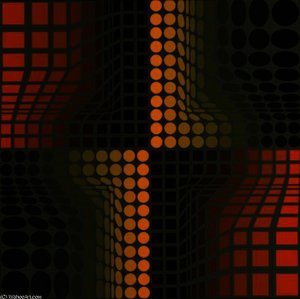
Painting.

§ 1Dane katalogowe


Ten utwór podlega ochronie prawem autorskim
Dzieło sztuki prezentowane na tej stronie podlega ochronie prawem autorskim, co oznacza, że nie mamy prawa do tworzenia ani sprzedaży jego identycznej reprodukcji. Ochrona ta jest egzekwowana na mocy umów międzynarodowych, takich jak Konwencja berneńska oraz przez przepisy prawa krajowego, w tym te określone w Prawo autorskie USA – Tytuł 17.
Jako pełną szacunku i legalną alternatywę oferujemy personalizowane, malowane ręcznie dzieła sztuki inspirowane oryginałem. Nasi wykwalifikowani i profesjonalni artyści starannie analizują styl, nastrój oraz artystyczną esencję pierwowzoru, aby stworzyć nowe, unikalne dzieło, które przywołuje te same emocje – pozostając jednocześnie w pełni oryginalną kreacją.
Metoda ta jest w pełni zgodna z przepisami prawa autorskiego, ponieważ nie polega na kopiowaniu ani powielaniu chronionego dzieła. Stanowi ona kreatywną reinterpretację – nowy obraz, który czerpie inspirację z oryginału, ale nie jest z nim tożsamy.
 Dowiedz się więcej
§ 2Abstrakcja
Opis obiektu
Victor Vasarely (1906-1997) was born Károly Vaszary in Pécs, Croatia. Initially pursuing medical studies at Eötvös Loránd University in Budapest, he abandoned medicine for painting in 1927 after enrolling at Sándor Bortnyik’s Műhely – a Bauhaus-influenced school. This formative experience instilled him with the principles of functional design and geometric abstraction, shaping his signature Op Art
Biografia artysty
Victor Vasarely (1906-1997) – pionier op-art i sztuki kinetycznej. Jego geometryczne abstrakcje, iluzje optyczne i wpływ na współczesny design są niezapomniane.
§ 3Komentarz
Geometric Composition and Color
The artwork consists of four circles arranged in a square configuration. Each circle is assigned a specific color: blue, orange, yellow, and purple. These shapes are positioned at different points within the square frame. One circle occupies the left side, another is on the right, one is placed above, and the final circle is situated below the others. The composition relies on sharp edges and distinct color zones rather than blended transitions. The artist utilized a method called hydrostatic printing to apply pigment to the canvas, ensuring consistent color application and mathematical precision across the surface.
The arrangement of these circles follows a square motif, a recurring element in the artist's body of work. This specific layout utilizes Euclidean geometry to establish a sense of order. The interplay between the colored circles and the surrounding space creates a shimmering effect that shifts as the viewer's gaze moves across the canvas. This visual phenomenon is a result of the interaction between the specific hues and the eye's perception of light and shape.
The Mechanics of Perception
This piece belongs to the Op Art movement, which emerged in the wake of World War II. The movement focused on the psychological and neurological aspects of vision, using illusionistic effects to challenge how the brain interprets visual information. By employing a systematic methodology involving grids and mathematical principles, the work moves away from representational art. It does not attempt to mimic nature or provide a narrative. Instead, it functions as a visual experiment in how the retina processes high-contrast colors and geometric forms.
The intellectual foundation of the work draws from the Bauhaus movement's focus on functional design and the reductive abstraction of Piet Mondrian. It also incorporates Gestalt principles, which concern how the mind organizes visual stimuli into coherent patterns. The use of hydrostatic printing allowed for a level of accuracy that traditional brushwork could not achieve, emphasizing the mathematical nature of the composition. The result is a work that prioritizes the stimulation of the mind through controlled visual input, focusing on the mechanics of sight rather than the depiction of objects.
Pytania i odpowiedzi
Do jakiego nurtu artystycznego należy „Lain” – Wiktór Wasaryli?
„Lain” to dzieło należące do nurtu Geometric Abstraction. Nurt ten określa tradycję artystyczną, w której osadzone jest dzieło.
Jakie miejsce w historii sztuki zajmuje „Lain” – Wiktór Wasaryli?
„Lain” – Wiktór Wasaryli należy do nurtu Geometric Abstraction, przypadającego na okres Modern. Razem nadają one dziełu jego miejsce w historii sztuki.
Jak mogę odkryć dzieła podobne do „Lain” – Wiktór Wasaryli?
Dzieła podobne do „Lain” można znaleźć na stronie Podobne dzieła danego dzieła.


 Przełącz na wydania drukowane


 W przypadku dzieł sztuki lub reprodukcji, których którykolwiek z boków przekracza 105 cm (około 41 cali), rama zostanie wysłana w formie zestawu do samodzielnego montażu. Metoda ta zapewnia bezpieczną dostawę i zapobiega uszkodzeniom podczas transportu.