

Acrylic On Canvas.

§ 1Dane katalogowe


Ten utwór podlega ochronie prawem autorskim
Dzieło sztuki prezentowane na tej stronie podlega ochronie prawem autorskim, co oznacza, że nie mamy prawa do tworzenia ani sprzedaży jego identycznej reprodukcji. Ochrona ta jest egzekwowana na mocy umów międzynarodowych, takich jak Konwencja berneńska oraz przez przepisy prawa krajowego, w tym te określone w Prawo autorskie USA – Tytuł 17.
Jako pełną szacunku i legalną alternatywę oferujemy personalizowane, malowane ręcznie dzieła sztuki inspirowane oryginałem. Nasi wykwalifikowani i profesjonalni artyści starannie analizują styl, nastrój oraz artystyczną esencję pierwowzoru, aby stworzyć nowe, unikalne dzieło, które przywołuje te same emocje – pozostając jednocześnie w pełni oryginalną kreacją.
Metoda ta jest w pełni zgodna z przepisami prawa autorskiego, ponieważ nie polega na kopiowaniu ani powielaniu chronionego dzieła. Stanowi ona kreatywną reinterpretację – nowy obraz, który czerpie inspirację z oryginału, ale nie jest z nim tożsamy.
 Dowiedz się więcej
§ 2Abstrakcja
Opis obiektu
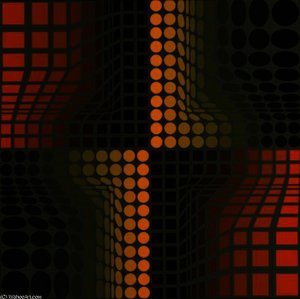
Experience Victor Vasarely’s iconic Monocolor Yellow, a groundbreaking Op Art masterpiece featuring a vibrant yellow square and intricate black dot patterns – a timeless exploration of perception and geometry. Discover this captivating artwork and bring its dynamic energy into your space.
Biografia artysty
Victor Vasarely (1906-1997) – pionier op-art i sztuki kinetycznej. Jego geometryczne abstrakcje, iluzje optyczne i wpływ na współczesny design są niezapomniane.
§ 3Komentarz
A Bold Statement in Yellow: Exploring Victor Vasarely’s *Monocolor Yellow*
Victor Vasarely's Monocolor Yellow is more than just a painting; it’s an invitation to reconsider the very nature of perception. This striking work, dominated by a vibrant yellow square punctuated with strategically placed black dots, embodies the core principles of Op Art – Optical Art – and represents a pivotal moment in the development of kinetic art. Created by a visionary artist deeply influenced by geometric abstraction and the Bauhaus movement, this piece offers a glimpse into Vasarely’s relentless pursuit of translating mathematical concepts into visual experiences.
The Genesis of Op Art: Vasarely's Intellectual Foundation
- Early Influences: Born in 1906 in Pécs, Croatia (then part of Austria-Hungary), Vasarely’s artistic trajectory began unexpectedly. Initially drawn to medicine, he ultimately recognized the power of visual expression and embraced painting, a decision profoundly shaped by his studies at the Podolini-Volkmann Academy and, crucially, Sándor Bortnyik's “Műhely” workshop.
- Bauhaus Principles: This workshop provided Vasarely with an invaluable education in functional design and geometric abstraction – concepts central to the Bauhaus movement’s emphasis on form following function. He meticulously analyzed how visual elements could create illusions of movement, depth, and vibration.
- Mathematical Precision: Vasarely's work wasn't simply about aesthetics; it was rooted in a rigorous understanding of mathematics and optics. He employed precise geometric forms – circles, squares, lines – to manipulate the viewer’s perception, creating an almost hypnotic effect.
Decoding *Monocolor Yellow*: Composition and Illusion
The composition of Monocolor Yellow is deceptively simple yet profoundly complex. The large yellow square commands immediate attention, acting as the primary focal point. However, it’s the surrounding black dots that truly elevate the work. Their varying sizes, arrangements, and spatial relationships generate a dynamic visual field, creating an illusion of movement and depth. Vasarely masterfully utilizes negative space to amplify this effect, drawing the eye across the canvas in a seemingly endless loop.
The technique employed is characteristic of Op Art: meticulous layering of paint to create subtle variations in tone and texture that enhance the optical illusion. The precise placement of each dot demonstrates Vasarely’s dedication to achieving maximum visual impact through controlled geometric precision.
Symbolism and Emotional Impact
While ostensibly a study in geometry, *Monocolor Yellow* resonates with deeper symbolic meanings. The yellow square can be interpreted as representing stability, energy, or even the sun – fundamental elements of human experience. The black dots, conversely, might symbolize disruption, chaos, or the inherent complexity within order. Together, they create a tension that mirrors the viewer’s own perceptual processes.
Ultimately, *Monocolor Yellow* is an artwork designed to provoke thought and stimulate the senses. It's a testament to Vasarely's genius – his ability to transform abstract mathematical principles into a captivating visual experience. This hand-painted reproduction captures the essence of this iconic piece, offering a unique opportunity to bring its bold aesthetic into your home or office.
Pytania i odpowiedzi
Gdzie mogę znaleźć statystyki dotyczące „Monocolor Yellow” – Wiktór Wasaryli?
Statystyki dotyczące „Monocolor Yellow” – Wiktór Wasaryli znajdują się na stronie Statystyki wyświetleń dzieła: obejmują one miesięczną liczbę odwiedzin danego dzieła, wizyty przy pracach artysty oraz podział ostatnich odwiedzających według krajów i języków.
Jakie miejsce w historii sztuki zajmuje „Monocolor Yellow” – Wiktór Wasaryli?
Dzieło „Monocolor Yellow” – Wiktór Wasaryli klasyfikuje się jako Op Art, pochodzące z okresu Modern.
Jaki kolor dominuje w dziele "Monocolor Yellow"?
„Monocolor Yellow” skłania się ku Ochre to Sepia tonacji.




 Przełącz na wydania drukowane


 W przypadku dzieł sztuki lub reprodukcji, których którykolwiek z boków przekracza 105 cm (około 41 cali), rama zostanie wysłana w formie zestawu do samodzielnego montażu. Metoda ta zapewnia bezpieczną dostawę i zapobiega uszkodzeniom podczas transportu.


