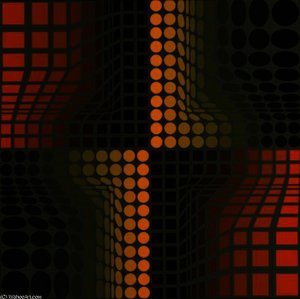
Akryl na płótnie.

§ 1Catalogue data

Ten utwór podlega ochronie prawem autorskim
Dzieło sztuki prezentowane na tej stronie podlega ochronie prawem autorskim, co oznacza, że nie mamy prawa do tworzenia ani sprzedaży jego identycznej reprodukcji. Ochrona ta jest egzekwowana na mocy umów międzynarodowych, takich jak Konwencja berneńska oraz przez przepisy prawa krajowego, w tym te określone w Prawo autorskie USA – Tytuł 17.
Jako pełną szacunku i legalną alternatywę oferujemy personalizowane, malowane ręcznie dzieła sztuki inspirowane oryginałem. Nasi wykwalifikowani i profesjonalni artyści starannie analizują styl, nastrój oraz artystyczną esencję pierwowzoru, aby stworzyć nowe, unikalne dzieło, które przywołuje te same emocje – pozostając jednocześnie w pełni oryginalną kreacją.
Metoda ta jest w pełni zgodna z przepisami prawa autorskiego, ponieważ nie polega na kopiowaniu ani powielaniu chronionego dzieła. Stanowi ona kreatywną reinterpretację – nowy obraz, który czerpie inspirację z oryginału, ale nie jest z nim tożsamy.
 Dowiedz się więcej
§ 2Abstract
Opis obiektu
"Vonal Szs" - abstrakcyjna kompozycja Victora Vasarely'ego wykorzystująca elementy geometrii i kolorystyki żółtej oraz czerni, reprezentująca istotę ruchu i iluzji optycznej."
Biografia artysty
Victor Vasarely (1906-1997) – pionier op-art i sztuki kinetycznej. Jego geometryczne abstrakcje, iluzje optyczne i wpływ na współczesny design są niezapomniane.
§ 3Commentary
Victor Vasarely: Pioneer of Op Art and Democratizing Visual Experience
Victor Vasarely (1906–1997) stands as an undisputed titan amongst the architects of modern art, particularly recognized for his seminal contribution to Op Art – Optical Art. Born Győző Vásárhelyi in Pécs, Croatia, then part of Austro-Hungary, his artistic journey defied conventional paths, initially steered towards medicine at Eötvös Loránd University before succumbing to the irresistible allure of visual expression. This pivotal decision irrevocably altered his trajectory, propelling him into a lifelong exploration of perception and form, ultimately shaping his groundbreaking style.- Early Influences: Vasarely’s formative years were marked by exposure to Bauhaus principles – a movement championing functional design and geometric abstraction – fostering an intellectual bedrock that would profoundly influence his artistic endeavors.
- The Bauhaus Workshop: His enrollment in Sándor Bortnyik’s workshop, Műhely, solidified this connection, immersing him in the revolutionary ideas circulating within the Bauhaus circle. This crucible of creativity instilled a meticulous approach to composition and color theory.
- A Shift Towards Geometric Abstraction: Abandoning medical studies in 1927, Vasarely embraced painting with fervor, enrolling at Podolini-Volkmann Academy where he honed his skills in traditional academic art alongside exploring avant-garde techniques.
The Birth of Op Art – Zebra and Beyond
Vasarely’s artistic breakthrough arrived in 1937 with “Zebra,” a mesmerizing exploration of optical illusion that instantly catapulted him to prominence within the burgeoning Op Art movement. This artwork exemplifies Vasarely's fascination with creating visual experiences that challenge conventional perception, utilizing geometric shapes and contrasting colors to generate dynamic patterns and stimulating visual effects. It’s considered by many as one of the earliest manifestations of this revolutionary aesthetic. Subsequent works continued to push boundaries, delving into cubistic influences alongside surrealist explorations – a testament to Vasarely's intellectual breadth and artistic versatility.A Systematic Approach: The Geometric Universe
Vasarely’s artistic philosophy revolved around establishing a systematic approach to visual representation. He meticulously crafted his style, prioritizing geometric forms—primarily squares, circles, and ellipses—and employing a restrained palette of colors – predominantly yellow and black – to achieve maximum impact. This deliberate methodology wasn't merely stylistic; it represented a profound engagement with the underlying principles governing how humans perceive reality.Legacy and Influence
Victor Vasarely’s legacy extends far beyond his individual creations, profoundly shaping the trajectory of modern art and design. His pioneering exploration of optical illusion paved the way for subsequent artists to investigate similar techniques, fostering a dialogue that continues to inspire creativity today. Furthermore, Vasarely championed accessibility in artistic expression, advocating for visual experiences that resonated with a broad audience—a sentiment that remains powerfully relevant in our contemporary world. He is rightfully hailed as “the grandfather” of Op Art and a visionary who democratized the realm of visual perception.Pytania i odpowiedzi
Czy „Vonal Szs” – Wiktór Wasaryli znajduje się w domenie publicznej?
Jeśli chodzi o prawa autorskie, "Vonal Szs" znajduje się w nadal objęte ochroną prawa autorskiego.
Czy "Vonal Szs" wpisuje się w typową tematykę twórczości Wiktór Wasaryli?
„Vonal Szs” przedstawia geometric patterns, optical illusion, color contrast, abstraction, hungarian art, victor vasarely, op art, podczas gdy powracające motywy u Wiktór Wasaryli to geometric abstraction, optical perception, hungarian heritage, op art pioneer, visual illusion. Porównanie tych dwóch elementów ukazuje, jak dzieło nawiązuje do typowej dla tego artysty tematyki.
Do jakiego nurtu w sztuce należy „Vonal Szs” – Wiktór Wasaryli?
„Vonal Szs” to dzieło należące do nurtu Geometric Abstract Art. Nurt ten określa tradycję artystyczną, w której osadzone jest dzieło.


 Przełącz na wydania drukowane


 W przypadku dzieł sztuki lub reprodukcji, których którykolwiek z boków przekracza 105 cm (około 41 cali), rama zostanie wysłana w formie zestawu do samodzielnego montażu. Metoda ta zapewnia bezpieczną dostawę i zapobiega uszkodzeniom podczas transportu.