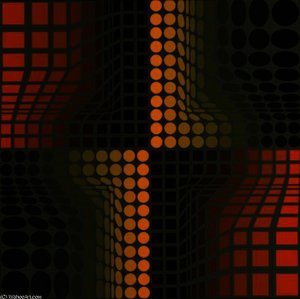
Acrylic On Canvas.

§ 1Catalogue data


Ten utwór podlega ochronie prawem autorskim
Dzieło sztuki prezentowane na tej stronie podlega ochronie prawem autorskim, co oznacza, że nie mamy prawa do tworzenia ani sprzedaży jego identycznej reprodukcji. Ochrona ta jest egzekwowana na mocy umów międzynarodowych, takich jak Konwencja berneńska oraz przez przepisy prawa krajowego, w tym te określone w Prawo autorskie USA – Tytuł 17.
Jako pełną szacunku i legalną alternatywę oferujemy personalizowane, malowane ręcznie dzieła sztuki inspirowane oryginałem. Nasi wykwalifikowani i profesjonalni artyści starannie analizują styl, nastrój oraz artystyczną esencję pierwowzoru, aby stworzyć nowe, unikalne dzieło, które przywołuje te same emocje – pozostając jednocześnie w pełni oryginalną kreacją.
Metoda ta jest w pełni zgodna z przepisami prawa autorskiego, ponieważ nie polega na kopiowaniu ani powielaniu chronionego dzieła. Stanowi ona kreatywną reinterpretację – nowy obraz, który czerpie inspirację z oryginału, ale nie jest z nim tożsamy.
 Dowiedz się więcej
§ 2Abstract
Opis obiektu
Experience Victor Vasarely’s iconic Op Art masterpiece featuring a vibrant, three-dimensional cube exploding with geometric patterns of pink, yellow, green, and red – a captivating exploration of perception from 1960s Hungary. Discover this unique artwork and bring its dynamic energy into your space.
Biografia artysty
Victor Vasarely (1906-1997) – pionier op-art i sztuki kinetycznej. Jego geometryczne abstrakcje, iluzje optyczne i wpływ na współczesny design są niezapomniane.
§ 3Commentary
A Symphony in Cubes: Exploring Victor Vasarely’s “VY-47-E”
Victor Vasarely's "VY-47-E" is more than just a colorful depiction of a cube; it’s a meticulously crafted portal into the heart of Op Art and a testament to the revolutionary ideas of one of its founding fathers. Painted by the Hungarian artist, born Károly Vaszary in 1906, this artwork embodies his lifelong fascination with geometry, perception, and the very nature of visual experience. The piece’s genesis lies within the Bauhaus-influenced workshop of Sándor Bortnyik, where Vasarely first encountered the principles of functional design and geometric abstraction – concepts that would ultimately define his groundbreaking artistic approach.
- Subject Matter: A seemingly simple three-dimensional cube dominates the composition.
- Color Palette: Vibrant hues of blue, pink, yellow, green, and red create a dynamic interplay of color.
- Composition: The inclusion of black squares adds depth and contrast, enhancing the visual complexity.
The Birth of Op Art – A Reaction to Impressionism
Created in the mid-20th century, “VY-47-E” is a quintessential example of Op Art, a movement that emerged as a direct response to the tenets of Impressionism and Post-Impressionism. While those earlier movements focused on capturing fleeting moments of light and color, Vasarely sought to create art that actively engaged with the viewer’s perception. He believed that through precise geometric forms and carefully controlled optical illusions, he could manipulate the way we see the world – a radical departure from traditional representational painting.
Technique and Process: Precision and Illusion
Vasarely's technique was remarkably meticulous. Initially, he employed a process of “static illusion,” creating layered paintings with precise geometric shapes that, when viewed at a certain distance or under specific lighting conditions, produced an optical illusion of movement and depth. "VY-47-E" exemplifies this approach, utilizing carefully calibrated color fields and black squares to generate a dynamic visual effect. The painting’s seemingly weightless quality – the cube appearing to float in space – is achieved through masterful manipulation of perspective and color theory. His work was often created using serigraphy techniques, ensuring exceptional color fidelity and sharpness.
Symbolism and Emotional Impact
Beyond its purely visual impact, “VY-47-E” carries a subtle symbolic weight. The cube itself is a foundational geometric form, representing stability, order, and the building blocks of reality. However, Vasarely’s treatment of it – its vibrant colors, dynamic composition, and illusionistic qualities – suggests a desire to transcend the limitations of the physical world and explore the realm of pure perception. The artwork evokes feelings of dynamism, energy, and intellectual curiosity, inviting the viewer to contemplate the relationship between form, color, and consciousness. It’s a piece that demands attention, stimulating the senses and challenging our assumptions about how we see.
Pytania i odpowiedzi
Jakie kolory dominują w dziele „VY-47-E” – Wiktór Wasaryli?
„VY-47-E” – Wiktór Wasaryli wykorzystuje paletę w odcieniach Neutrals, w której dominuje kolor Phthalo Green (#141526).
Czy kolory dzieła "VY-47-E" są intensywne czy stonowane?
Kolorystyka dzieła "VY-47-E" charakteryzuje się nasyceniem na poziomie Balanced Soft oraz intensywnością wynoszącą Balanced.
Gdzie mogę obejrzeć „VY-47-E” – Wiktór Wasaryli w formie pokazu slajdów?
Prezentację slajdów utworu "VY-47-E" można obejrzeć na stronie Prezentacja slajdów tego dzieła.


 Przełącz na wydania drukowane


 W przypadku dzieł sztuki lub reprodukcji, których którykolwiek z boków przekracza 105 cm (około 41 cali), rama zostanie wysłana w formie zestawu do samodzielnego montażu. Metoda ta zapewnia bezpieczną dostawę i zapobiega uszkodzeniom podczas transportu.