


 Zobacz w skali 1:1
 Wyślij
 Udostępnij
 Szczegóły
 Guide
Guide

 Pobierz plik obrazu
 Podobne obiekty
 RTG
RTG Pokaz slajdów
 Statystyki
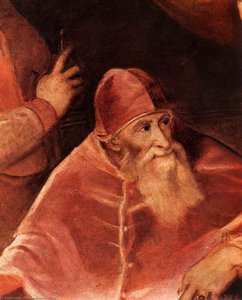
The Pilgrims Meet the Pope (detail)


 Czytaj więcej
Ręcznie malowana reprodukcja olejowa
Ręcznie malowany obraz olejny na płótnie, wykonany na zamówienie przez naszych artystów w wybranym przez Ciebie wymiarze i oprawie. ( Przełącz na wersję drukowaną Przełącz na wersję cyfrową)




P118B $10

P118H $10

P118W $10

P438Z $10

P508JH $12

P508YH $12

P805H $10

P805Z $10

P919BZ $10

P919G $10

P919XJ $10

P959ZH $10

P968JZ $12

W106C $8

W218G $10

W218JH $8

W218Y $10

W307PJ $10

W316G $10

W316PJ $8

W316Y $10

W398PJ $8

W4111J $10

W500HY $15

W500JH $15

W692G $12

W849H $8

W940BG $15

W953PJ $8




Wybierz spośród naszych standardowych rozmiarów, które zachowują oryginalne proporcje dzieła sztuki.

Możesz wprowadzić własne wymiary, aby dopasować obraz do konkretnej ramy lub przestrzeni. Jeśli wybrany rozmiar nie będzie odpowiadał proporcjom oryginału, przytniecie dzieło sztuki lub rozszerzymy je o dodatkowe elementy, ręcznie domalowane przez artystę. Przed rozpoczęciem produkcji wyślemy projekt cyfrowy do Twojej akceptacji.
Należy pamiętać, że podgląd na ekranie nie odzwierciedla rzeczywistego przycinania ani rozszerzania obrazu. Tylko projekt dokładnie pokaże ostateczną kompozycję.
Choć oferujemy możliwość zamówienia niestandardowych rozmiarów, zalecamy wybór wymiaru z gotowej listy, aby zachować oryginalne proporcje dzieła.
Po złożeniu zamówienia zespół AllPaintingsStore.com skontaktuje się z klientem drogą mailową w celu uzyskania instrukcji i prześle wizualizację projektu
Dostawa na całym świecie () w ciągu 3–4 tygodni zamiast standardowych 5 tygodni. (21 Wrzesień). Bez kompromisów w kwestii jakości.

Bezpłatna ekspresowa wysyłka na cały świat

Wysokiej jakości płótno lniane

Pełne ubezpieczenie transportowe

Gwarancja zwrotu należności celnych i podatków importowych

Gwarancja idealnego odwzorowania barw

100-dniowy okres na zwrot dzieła w przypadku wykrycia wad produkcyjnych

Gwarancja 100% zwrotu pieniędzy

Oferta przy zakupie wielu sztuk
 Opcja ze szkłem jest dostępna wyłącznie w rozmiarach poniżej 110 cm

The Pilgrims Meet the Pope (detail)
Technika wykonania
Rozmiar reprodukcji
-


Suma do zapłaty
$ 258
A Window into Venetian Life: The Pilgrims Meet the Pope
Vittore Carpaccio’s “The Pilgrims Meet the Pope” (detail) is not merely a depiction of a historical event; it's a meticulously crafted tableau vivant, a vibrant snapshot of 15th-century Venice brimming with religious fervor and civic pride. Painted around 1492, this tempera on canvas panel offers an intimate glimpse into the heart of Venetian society – a world where art, faith, and commerce intertwined seamlessly. The scene unfolds within the grand setting of Rome’s Castel Sant'Angelo, a fortress transformed into a stage for a momentous encounter between pilgrims and the Pope. Carpaccio masterfully utilizes perspective and light to draw the viewer into this bustling gathering, creating an illusion of depth and immediacy that transcends the limitations of the medium.
- Composition & Perspective: Carpaccio’s genius lies in his calculated arrangement of figures and his innovative use of perspective. The scene is dominated by a central pyramid formed by Pope Cyriacus, flanked by the English Prince and Ursula, creating a sense of stability and importance. Notice how Carpaccio employs atmospheric perspective – distant figures are rendered paler and less detailed, reinforcing the illusion of space.
- Color Palette: The painting’s rich palette—a harmonious blend of reds, blues, and golds—immediately captivates the eye. The vibrant red robes of the papal court contrast sharply with the cooler tones of the pilgrims' garments, drawing attention to the central figures.
- Detail & Ornamentation: Carpaccio’s meticulous attention to detail is remarkable. From the intricate folds of the drapery to the delicate rendering of facial features, every element contributes to the painting’s overall realism and sense of immediacy. The sheer number of details—the clarion players on the castle's bastions, the ivy clinging to the walls—demonstrates Carpaccio’s commitment to capturing the richness and complexity of Venetian life.
The Legacy of Early Netherlandish Influence
Carpaccio’s style is often described as a synthesis of early Netherlandish painting – particularly the work of Antonello da Messina – with the more conservative tendencies of Venetian art during his time. Unlike the burgeoning Renaissance humanism that was transforming Italy, Carpaccio remained rooted in a more traditional approach, prioritizing narrative clarity and meticulous detail over idealized beauty or dramatic emotion. This influence is evident in his use of precise linear perspective, his careful observation of natural forms, and his penchant for depicting scenes with a sense of realism and immediacy. He absorbed the lessons of artists like Jan van Eyck and Rogier van der Weyden, incorporating their techniques into his own distinctive style.
Carpaccio’s work stands apart from the more flamboyant styles of his contemporaries, such as Giovanni Bellini, due to its restrained palette and focus on narrative detail. He eschewed the use of bright colors and dramatic lighting in favor of a more subdued and contemplative approach.Symbolism & Religious Narrative
“The Pilgrims Meet the Pope” is not simply a historical record; it’s a complex allegory laden with religious symbolism. The painting depicts a pivotal moment in the legend of Saint Ursula, recounting her journey to Rome to receive relics from the Pope. Each figure—the pilgrims, the clergy, and the papal court—represents a specific role within the Christian community. The presence of the English Prince underscores England’s allegiance to the papacy, while the numerous bishops and prelates symbolize the authority and power of the Church. The scene itself is imbued with a sense of pilgrimage – a journey of faith undertaken for spiritual enlightenment. The inclusion of figures like Ermolao Barbaro, a prominent humanist scholar and Venetian ambassador, highlights the intersection of religious belief and intellectual inquiry during this period.
A Window into 15th-Century Venice
Beyond its religious significance, “The Pilgrims Meet the Pope” offers a valuable glimpse into the vibrant culture of 15th-century Venice. The painting captures the city’s wealth, power, and civic pride – its bustling markets, magnificent palaces, and thriving artistic community. Carpaccio's meticulous depiction of Venetian architecture, fashion, and social customs provides a rich source of information for art historians and scholars alike. Reproducing this artwork allows us to experience a moment in time, transporting us back to the heart of Renaissance Venice. The painting’s enduring appeal lies not only in its artistic merit but also in its ability to connect us to a distant past.
Podobne dzieła



Biografia artysty
Early Life and Training
Vittore Carpaccio, a prominent Italian painter of the Venetian school, was born in Venice around 1465. He descended from a family of fishermen and boat builders—a heritage that instilled in him an appreciation for craftsmanship and observation of nature. His artistic education began under the tutelage of Gentile Bellini, a celebrated artist of the Venetian Renaissance, whose workshop fostered a tradition of meticulous detail and narrative storytelling. This formative apprenticeship profoundly shaped Carpaccio’s future artistic endeavors, equipping him with foundational skills and introducing him to the stylistic conventions of his time.Artistic Style and Influences
Carpaccio's distinctive style was characterized by its remarkable conservatism—a deliberate rejection of the radical innovations sweeping through Italian art during the humanist era. Unlike many of his contemporaries who embraced new perspectives and experimented with groundbreaking techniques, Carpaccio adhered to established artistic traditions, primarily influenced by Antonello da Messina’s refined realism and early Netherlandish painting. This singular blend resulted in a visual language that was both deeply rooted in Venetian heritage and subtly informed by Northern European aesthetics. His palette favored muted hues—particularly deep reds and blues—creating an atmosphere of solemn contemplation and conveying profound emotional depth.Notable Works
Carpaccio’s artistic output spanned from 1490 to 1519, cementing his position as one of the earliest masters of the Venetian Renaissance. Among his most enduring achievements is undoubtedly “The Legend of Saint Ursula,” a monumental cycle of nine paintings housed in the Gallerie dell'Accademia—a testament to Carpaccio’s unparalleled ability to depict biblical narratives with breathtaking accuracy and emotional resonance. The altarpiece depicting Saint Ursula and her companions exemplifies Carpaccio’s masterful command of light and color, mirroring Bellini’s luminous style and capturing the spiritual fervor of the period. Furthermore, “Miracle of the Relic of the Cross at the Ponte di Rialto” showcases Carpaccio's exceptional compositional skill—balancing intricate detail with a dynamic sense of movement to heighten dramatic impact. His oeuvre includes depictions of Saint George Baptizing the Selenites, demonstrating his fascination with oriental motifs and reflecting the broader intellectual currents of Renaissance Venice.Career Highlights and Legacy
Carpaccio’s artistic career flourished during a period of significant cultural transformation in Italy—a time when Venetian art was undergoing a gradual shift toward greater naturalism and psychological complexity. He collaborated closely with Bellini on the decoration of Doge's Palace, contributing to the grandeur and prestige of Venice’s ruling elite. Despite being somewhat overshadowed by luminaries like Bellini and Giorgione, Carpaccio nonetheless left an indelible mark on Venetian art history—his meticulous observation of reality and his unwavering devotion to artistic tradition securing him a place among the most revered figures of the Renaissance. His legacy continues to inspire artists today who strive for authenticity and emotional depth in their work.References and Further Reading
Discover more about Vittore Carpaccio and the Venetian School on AllPaintingsStore.
Vittore Carpaccio
1465 - 1526 , Włochy
Najważniejsze informacje
- Artistic Movement Or Style: Early Venetian Renaissance
- Artists Who Influenced This Artist:
- Gentile Bellini
- Antonello da Messina
- Date Of Birth: Venice, Italy (c. 1465)
- Date Of Death: Koper, 1526
- Full Name: Vittore Carpaccio
- Nationality: Italian
- Notable Artworks:
- The Legend of Saint Ursula
- Glory of St. Ursula Altarpiece
- Miracle of the Relic of the Cross at the Ponte di Rialto
- Place Of Birth: Venice
Zobacz także powiązane artykuły
Francis Bacon: 25 Arcydzieł Ekspresjonizmu i Wnętrza Pełne Emocji | AllPaintingsStore.com
Poznaj 25 najbardziej znanych obrazów Francis Bacona – arcydzieł ekspresjonizmu pełnych emocji i dramatyzmu. Odkryj historię, technikę i wpływ tego wybitnego artysty. Reprodukcje najwyższej jakości na AllPaintingsStore.com! Eksploruj kolekcję online.

Thomas Stothard: Bridging Neoclassical Ideals with Romantic Sensibility – A Reassessment
Explore the life & art of Thomas Stothard (1755-1834), a pivotal figure bridging Neoclassicism and Romanticism. Discover his exquisite book illustrations, iconic paintings like 'The Canterbury Pilgrims,' and lasting influence on British art.

Vittore Carpaccio: Venetian Renaissance Narrative & the Poetics of Detail
Explore the captivating world of Vittore Carpaccio, a master storyteller of the Venetian Renaissance. Discover his intricate details, narrative cycles like 'The Legend of St. Ursula,' and unique artistic style.

Timeless Italy: A Visual Journey Through Iconic Masterpieces and Eternal Landscapes
Embark on a visual journey through Italy's most iconic landscapes and Renaissance masterpieces. Discover the profound beauty of classical art, from Venetian altarpieces to serene countryside vistas, curated for the discerning art enthusiast and collector.


