


 Zobacz w skali 1:1
 Wyślij
 Udostępnij
 Szczegóły
 Guide
Guide

 Pobierz plik obrazu
 Podobne obiekty
 RTG
RTG Pokaz slajdów
 Statystyki
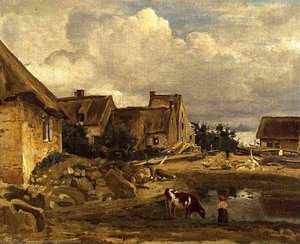
Granary and Stables of the 'Old Swan and Sugar Loaf' Inn

 Czytaj więcej
Ręcznie malowana reprodukcja olejowa
Ręcznie malowany obraz olejny na płótnie, wykonany na zamówienie przez naszych artystów w wybranym przez Ciebie wymiarze i oprawie. ( Przełącz na wersję drukowaną Przełącz na wersję cyfrową)




































Wybierz spośród naszych standardowych rozmiarów, które zachowują oryginalne proporcje dzieła sztuki.

Możesz wprowadzić własne wymiary, aby dopasować obraz do konkretnej ramy lub przestrzeni. Jeśli wybrany rozmiar nie będzie odpowiadał proporcjom oryginału, przytniecie dzieło sztuki lub rozszerzymy je o dodatkowe elementy, ręcznie domalowane przez artystę. Przed rozpoczęciem produkcji wyślemy projekt cyfrowy do Twojej akceptacji.
Należy pamiętać, że podgląd na ekranie nie odzwierciedla rzeczywistego przycinania ani rozszerzania obrazu. Tylko projekt dokładnie pokaże ostateczną kompozycję.
Choć oferujemy możliwość zamówienia niestandardowych rozmiarów, zalecamy wybór wymiaru z gotowej listy, aby zachować oryginalne proporcje dzieła.
Po złożeniu zamówienia zespół AllPaintingsStore.com skontaktuje się z klientem drogą mailową w celu uzyskania instrukcji i prześle wizualizację projektu
Dostawa na całym świecie () w ciągu 3–4 tygodni zamiast standardowych 5 tygodni. (21 Wrzesień). Bez kompromisów w kwestii jakości.

Bezpłatna ekspresowa wysyłka na cały świat

Wysokiej jakości płótno lniane

Pełne ubezpieczenie transportowe

Gwarancja zwrotu należności celnych i podatków importowych

Gwarancja idealnego odwzorowania barw

100-dniowy okres na zwrot dzieła w przypadku wykrycia wad produkcyjnych

Gwarancja 100% zwrotu pieniędzy

Oferta przy zakupie wielu sztuk
 Opcja ze szkłem jest dostępna wyłącznie w rozmiarach poniżej 110 cm

Granary and Stables of the 'Old Swan and Sugar Loaf' Inn
Technika wykonania
Rozmiar reprodukcji
-


Suma do zapłaty
$ 258
Podobne dzieła




Biografia artysty
The Visionary of Surrey: The Life and Legacy of Walter William Acock
In the quiet, rolling landscapes of late 19th-century England, few artists captured the delicate transition between pastoral serenity and urban expansion as intimately as Walter William Acock. Born in 1847 in the picturesque town of Epsom, Surrey, Acock’s early years were steeped in the very scenery that would later become his life's work. This childhood immersion in the verdant beauty of the English countryside gifted him with a profound sensitivity to light and atmosphere, an innate ability to observe the subtle shifts in a landscape that many of his contemporaries overlooked in favor of more dramatic, idealized vistas.
Acock’s formal artistic journey led him from the local traditions of Epsom Grammar School to the prestigious Slade School of Fine Art in London. It was within these hallowed halls that his technical prowess began to crystallize under the guidance of masters such as Frederic Leighton and Joseph Noel Paton. From these mentors, he inherited a sophisticated command of realism tempered by an elegant, almost poetic approach to composition. This period of rigorous training allowed him to master both the fluid, translucent qualities of watercolor and the rich, textured depth of oil on canvas, creating a versatile repertoire that could oscillate between the ephemeral light of a morning mist and the sturdy, tactile reality of a farmhouse wall.
A Chronicler of Croydon’s Transformation
While many Victorian landscape painters sought escape in distant, romanticized realms, Acock found his greatest inspiration in the immediate and evolving world around him. He became, in many ways, the unofficial visual historian of Croydon. As the town underwent a rapid metamorphosis from a quiet settlement into a burgeoning urban center, Acock’s brush documented every stage of this transformation. His work serves as a vital temporal bridge, capturing the tension between the old world and the new.
His oeuvre is characterized by an extraordinary attention to detail that elevates mere topographical recording into high art. Through his eyes, we witness:
- The Bustling High Street: Vivid depictions of commerce and community, where the movement of pedestrians and the character of local shops breathe life into the urban fabric.
- Suburban Expansion: Meticulous sketches of residential streets and terraced houses, documenting the architectural growth of the Surrey suburbs.
- The Pastoral Remnants: Serene landscapes such as Haling Clumps and At the Foot of Addington Hills, which preserve the memory of a more tranquil, agrarian England even as industrialization loomed.
Technique, Emotion, and Enduring Significance
The true magic of Acock’s work lies in his ability to imbue even the most mundane scenes with a sense of profound tranquility and emotional resonance. Whether working in the soft, layered washes of watercolor or the thick, expressive impasto of his oil paintings, he possessed a unique talent for capturing the "soul" of a location. In pieces like Brighton Road, South Croydon, the presence of grazing sheep and sun-drenched fields evokes a sense of harmony and peace, inviting the viewer to linger in a moment of timelessness.
Acock’s historical significance extends far beyond his technical skill; he provided a visual record of a vanishing way of life. His paintings are not merely aesthetic objects but are essential documents for anyone seeking to understand the social and geographical evolution of the Surrey region during the late Victorian and Edwardian eras. Today, as much of his work resides in cherished collections like the Museum of Croydon, Walter William Acock remains a celebrated figure—a master who found the extraordinary within the ordinary, and whose legacy continues to illuminate the storied landscapes of his beloved home.

walter william acock
1847 - 1933
Najważniejsze informacje
- Artistic Movement Or Style: Victorian Watercolor
- Artists Or Movements Influenced By This Artist: ['Hudson River School']
- Artists Who Influenced This Artist: ['George Frederic Leighton']
- Date Of Birth: 1847
- Date Of Death: 1933
- Full Name: Walter William Aock
- Nationality: British
- Notable Artworks:
- Surrey Landscapes
- Croydon Scenes
- Place Of Birth: Croydon, England

