

WahooArt
Classical Head Study (William Blake)
Classical Head Study to dzieło William Blake (1757–1827). Należy do nurtu WahooArt. Wykonano w technice Acrylic On Canvas.
- Acrylic On Canvas

 Podgląd w skali 1:1

 Wydruk
 Wyślij jako kartkę
 Udostępnij
 Karta informacyjna


 Pobierz obraz
 Podobne obiekty
 RTG
 Pokaz slajdów
 Pytania i odpowiedzi

 Statystyki
Classical Head Study: kluczowe informacje
- Tytuł
- Classical Head Study
- Artysta
- William Blake (1757–1827)
- Miejsce urodzenia artysty
- Londyn, Wielka Brytania
- Technika wykonania
- Acrylic On Canvas
- Ruch
- WahooArt
- Temat
- portrait, romanticism, head study, sadness, royalty, introspection
Co przedstawia Classical Head Study?
A Study in Melancholy: Unveiling William Blake’s Classical Head
William Blake's *Classical Head Study* is a work that whispers of Romantic yearning and the weight of unspoken emotion. The painting immediately draws the viewer into an intimate encounter with its subject – a woman rendered with delicate precision, her gaze cast downward in what appears to be profound sadness or contemplation. While seemingly straightforward as a portrait or head study, the piece transcends simple representation, becoming a vessel for exploring themes of beauty, sorrow, and perhaps even regal burden. The dark background serves not merely as contrast but as an enveloping atmosphere, intensifying the focus on the woman’s face and heightening the sense of introspection. It's a darkness that feels less like absence of light and more like a protective shroud around her private world.Echoes of Romanticism and Classical Influence
The style of *Classical Head Study* is deeply rooted in the Romantic tradition, yet subtly informed by Blake’s engagement with classical forms. The flowing lines of the woman's hair, reminiscent of Pre-Raphaelite aesthetics, contribute to a sense of movement and emotional turbulence. However, the presence of the crown introduces an element of formality and alludes to classical depictions of goddesses or queens – figures often associated with both power and tragedy. Blake was known for his unique artistic vision, blending spiritual intensity with technical skill honed during his apprenticeship as an engraver. This background is evident in the meticulous detail of the facial features and the delicate rendering of light and shadow. While this particular work doesn’t showcase Blake's famed illuminated printing techniques, it demonstrates his mastery of form and composition within a more traditional painting medium. The influence of artists like Henry Flaxman, known for neoclassical sculpture and illustration, can be subtly detected in the refined lines and idealized beauty of the subject.Symbolism and Emotional Resonance
The symbolism embedded within *Classical Head Study* is open to interpretation, adding layers of complexity to its emotional impact. The crown, while signifying royalty or status, could also represent a weight of responsibility or a loss of freedom. The woman’s downward gaze suggests humility, grief, or perhaps a weary acceptance of fate. Blake often imbued his work with personal and spiritual meaning, drawing upon mythology, biblical stories, and his own visionary experiences. It is plausible that this portrait isn't simply of an individual but embodies a universal archetype – the suffering queen, the melancholic muse, or the embodiment of lost innocence. The overall effect is one of quiet drama, inviting viewers to project their own emotions and narratives onto the image.A Timeless Appeal for Modern Interiors
For those seeking to enrich their living spaces with art that possesses both historical significance and emotional depth, a reproduction of *Classical Head Study* offers a compelling choice. The painting’s subdued palette and intimate scale make it suitable for a variety of interior styles, from traditional drawing rooms to contemporary minimalist settings. Its melancholic beauty can add a touch of sophistication and intrigue to any room, sparking conversation and inviting contemplation. Whether displayed as a focal point or incorporated into a gallery wall arrangement, this work promises to be a source of enduring aesthetic pleasure and emotional resonance. The ability to bring such a poignant piece of art history into one’s home is a testament to the lasting power of William Blake's vision.Classical Head Study: pliki graficzne
William Blake, Classical Head Study. Domena publiczna
Kolory sprawdzone pod kątem zgodności z oryginałem, plik poddany profesjonalnej retuszy cyfrowej.
Kup obraz w wysokiej rozdzielczościPytania o Classical Head Study
W jakiej technice wykonano „Classical Head Study” – William Blake?
William Blake wykorzystał/a technikę Acrylic On Canvas w pracy „Classical Head Study”. Technika ta definiuje materię oryginalnego dzieła.
Co przedstawia „Classical Head Study” – William Blake?
„Classical Head Study” – William Blake przedstawia: portrait, romanticism, head study, sadness, royalty, introspection, classical art, dark background.
Czy dzieło "Classical Head Study" znajduje się w domenie publicznej?
Status praw autorskich dla „Classical Head Study” – William Blake: dzieło znajduje się w należy do domeny publicznej – autorskie prawa majątkowe wygasły. Określa to, czy reprodukcje obrazu mogą być sporządzane swobodnie.
Kto stworzył "Classical Head Study"?
Autorstwo dzieła "Classical Head Study" przypisuje się William Blake.
Do jakiego nurtu w sztuce należy „Classical Head Study” – William Blake?
„Classical Head Study” to dzieło należące do nurtu WahooArt. Nurt ten określa tradycję artystyczną, w której osadzone jest dzieło.
Do którego okresu twórczości William Blake należy dzieło „Classical Head Study”?
„Classical Head Study” pochodzi z okresu Mature Period w twórczości William Blake. Klasyfikacja ta wiąże dzieło z rozwojem artysty.
Z czego wynika obecny status praw autorskich dzieła "Classical Head Study"?
„Classical Head Study” – William Blake jest należy do domeny publicznej – autorskie prawa majątkowe wygasły. Okres ochrony praw autorskich liczony jest od śmierci artysty, która nastąpiła w 1827.
Co łączy "Classical Head Study" z resztą twórczości William Blake?
"Classical Head Study" wpisuje się w nurt WahooArt w twórczości William Blake, której charakterystyczne motywy obejmują influenced by renaissance art, romantic era emotional depth, exploration of inner turmoil, reflects blake’s spiritual vision, part of his head study series, themes of sorrow and beauty, corpus: explores human psyche.
Jakie miejsce zajmuje „Classical Head Study” wśród powracających motywów w twórczości William Blake?
Wśród motywów charakterystycznych dla twórczości William Blake – takich jak influenced by renaissance art, romantic era emotional depth, exploration of inner turmoil, reflects blake’s spiritual vision, part of his head study series, themes of sorrow and beauty, corpus: explores human psyche – dzieło „Classical Head Study” wprowadza własne skupienie na portrait, romanticism, head study, sadness, royalty, introspection, classical art, dark background.
O William Blake
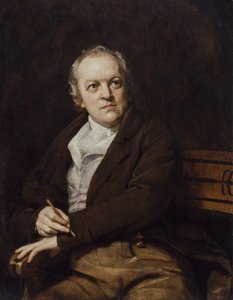
1757–1827, Wielka Brytania
William Blake
Wczesne lata, rodzina i edukacja William Blake przyszedł na świat 28 listopada 1757 roku w Londynie, w Anglii. Dorastał w domu znajdującym się nad sklepem pasmanteryjnym swojego ojca przy 28 Broad Street. Jego rodzice, James Blake i Catherine Wright Armitage Blake, zapewnili mu stabilne warunki życia w czasie znaczących przemian społecznych zachodzących w ówczesnym mieście. Choć jego wychowanie upływało w skromnych warunkach rodziny rzemieślniczej, wczesne lata artysty zdefiniowała niezwykła, intensywna wyobraźnia, która często przejawiała się w postaci wizji – jak choćby widzenie aniołów w gałęziach drzew podczas dziecięcych spacerów.
Każde dzieło William Blake wraz z wymiarami i cenami → O artyście Słynne dzieła William Blake
Inne dzieła artysty William Blake
 Pradawny Dni1794
 Newton
 Przestępca Dnia1794
 Wielki Czerwony Smok i Kobieta Przyodziana w Słońce
Artykuły o Classical Head Study
 Emocjonalna Transmutacja w Sztuce Wizualnej: Studium Reprezentacji Afektywnych Poprzez Kolor, Formę i TeksturęZgłębiaj subtelny język emocji w sztuce wizualnej! Analizujemy kolor, formę i teksturę w malarstwie barokowym i ekspresjonistycznym. Eksper…
 R.B.A. John William Godward: A Study in Neoclassical Sensibility & DecadenceExplore the captivating Neo-Classical world of John William Godward. Discover his exquisite paintings, artistic influences, and investment …
 25 Masterpieces by William Blake: The Visionary Art of a Romantic LegendStep into the visionary world of William Blake. Explore 25 iconic Romantic masterpieces, from his mystical illuminated prints to legendary …