


 Podgląd w skali 1:1
 Wyślij jako kartkę
 Udostępnij
 Szczegóły dzieła
 Przewodnik

 Pobierz obraz
 Podobne obiekty
 RTG
RTG Pokaz slajdów
 Statystyki
Lady Luck


 Rozwiń treść
Giclée / Wydruk artystyczny
Wydruki giclée lub płótna o jakości muzealnej, szybka realizacja i szeroki wybór opcji wykończenia. ( Zamów ręcznie malowaną reprodukcję Przejdź do wersji cyfrowej)




P118B zł10

P118H zł10

P118W zł10

P438Z zł10

P508JH zł12

P508YH zł12

P805H zł10

P805Z zł10

P919BZ zł10

P919G zł10

P919XJ zł10

P959ZH zł10

P968JZ zł12

W106C zł8

W218G zł10

W218JH zł8

W218Y zł10

W307PJ zł10

W316G zł10

W316PJ zł8

W316Y zł10

W398PJ zł8

W4111J zł10

W500HY zł15

W500JH zł15

W692G zł12

W849H zł8

W940BG zł15

W953PJ zł8




Wybierz spośród naszych standardowych rozmiarów, które zachowują oryginalne proporcje dzieła sztuki.

Wpisz wymaganą szerokość i wysokość, aby dopasować grafikę do ramy lub ściany. Wydruk można jedynie przyciąć, nigdy nie powiększając go poza oryginalny obraz, dlatego format o innych proporcjach spowoduje utratę części kompozycji. Przed rozpoczęciem druku prześlemy Ci cyfrowy podgląd do zatwierdzenia. Obraz wyświetlany na tej stronie nie pokazuje rzeczywistego przycięcia — jedynie podgląd oddaje ten efekt.
Dostawa na cały świat () w ciągu 2 tygodni zamiast standardowych 4/5 tygodni. (25 Październik)

Bezpłatna ekspresowa wysyłka na cały świat

Wysokiej jakości płótno lniane

Pełne ubezpieczenie przesyłki

Gwarancja zwrotu należności celnych i podatków importowych

Gwarancja wiernego odwzorowania kolorów

100-dniowa polityka zwrotów (tylko w przypadku wad)

Gwarancja 100% zwrotu pieniędzy

Zniżka przy zakupie wielu sztuk
 Opcja ze szkłem jest dostępna wyłącznie w rozmiarach poniżej 110 cm

Lady Luck
Giclée / Wydruk artystyczny
Wymiary reprodukcji
-


Cena całkowita
zł 246
A Descent into the Subconscious: Exploring William Blake’s ‘Lady Luck’
- Subject & Composition: This watercolor sketch plunges the viewer into a harrowing scene of torment, reminiscent of Blake's own vividly imagined 'Hell'. A nude female figure is submerged within a swirling vortex of fiery orange – a circular pit that dominates the composition. Above, indistinct forms and chaotic clouds amplify the sense of distress and confinement. The arrangement isn’t about realistic depiction; it’s about conveying an overwhelming emotional state.
- Style & Technique: ‘Lady Luck’ is firmly rooted in the Romanticism movement, prioritizing intense emotion and symbolic representation over precise realism. Blake employs loose, gestural lines and layered watercolor washes to create a sense of instability and anxiety. The texture is mottled, with visible brushstrokes contributing to the overall feeling of unrest. The flattened perspective further enhances the claustrophobic atmosphere.
- Historical Context & Artistic Lineage: William Blake (1757-1827) was a truly unique figure – poet, painter, and printmaker – who rejected conventional artistic norms. He created his own mythology and explored themes of spirituality, imagination, and the duality of human existence. This work aligns with his broader exploration of good versus evil, innocence versus experience, and the darker aspects of the psyche. While this particular piece’s exact date is unknown, it clearly echoes the visual language found in his illuminated books like *The Marriage of Heaven and Hell*.
- Symbolism & Interpretation: The fiery pit undeniably represents a form of hellish torment or psychological anguish. The nude figure embodies vulnerability and despair, stripped bare both physically and emotionally. Swirling clouds symbolize chaos and the overwhelming forces at play. It’s important to note that Blake often used female figures as representations of broader concepts – in this case, perhaps humanity grappling with its own inner demons or facing divine judgment.
- Emotional Impact & Interior Design Considerations: ‘Lady Luck’ is not a comforting image; it's deliberately unsettling. The artwork evokes feelings of anxiety, despair, and the sublime terror of confronting one’s deepest fears. However, its dramatic intensity and striking visual language can be powerfully captivating. In an interior design context, this piece would serve as a compelling focal point in a study, library, or living space with a sophisticated, slightly gothic aesthetic. Its dark palette pairs well with rich jewel tones and textured materials. It’s a conversation starter – a work that demands attention and invites contemplation.
- Collecting & Reproduction: As an original Blake watercolor is exceptionally rare and valuable, high-quality reproductions offer an accessible way to experience the power of this artwork. When selecting a reproduction, prioritize accurate color representation and textural detail to capture the essence of Blake’s technique. This piece would be a significant addition to any collection focused on Romanticism, visionary art, or works exploring the human condition.
Pytania i odpowiedzi
Jak kolory w dziele "Lady Luck" współgrają ze sobą?
„Lady Luck” – William Blake prezentuje Strong Color Unity harmonię kolorystyczną.
Jaki poziom luminancji ma „Lady Luck” – William Blake?
„Lady Luck” – William Blake ma luminancję na poziomie Luminous. Luminancja określa, jak dużą ilość światła zdają się odbijać kolory.
Czy mogę obejrzeć "Lady Luck" w formie pełnoekranowej prezentacji slajdów?
Dzieło „Lady Luck” – William Blake można obejrzeć w formie pokazu slajdów na stronie Prezentacja slajdów danego dzieła.
Podobne dzieła


Biografia artysty
William Blake - A Visionary’s Journey: The Life and Art of William Blake
William Blake, born in London on November 28, 1757, was a figure perpetually out of step with his time, yet destined to become one of the most celebrated artists and poets of the Romantic Age. His life unfolded against the backdrop of a rapidly changing England—a world grappling with industrialization, political upheaval, and shifting spiritual beliefs. From humble beginnings as the son of a hosier, Blake’s early years were marked by an intensely vivid imagination and a propensity for visionary experiences that would profoundly shape his artistic trajectory. Though largely self-taught in formal academics, he received drawing instruction at a young age, quickly revealing a talent that hinted at the extraordinary path ahead. His apprenticeship with engraver James Basire proved pivotal, providing him not only with technical mastery but also an understanding of printmaking techniques he would later revolutionize. These early influences—the Gothic grandeur of Westminster Abbey, the classical forms of Raphael and Michelangelo—served as foundational elements in his developing aesthetic, though Blake was never one to remain bound by convention.Early Life and Artistic Training
Blake’s formative years instilled within him a deep appreciation for both beauty and terror – sensations he would translate into unforgettable imagery throughout his artistic career. Despite lacking formal schooling, he possessed an innate aptitude for drawing, nurtured by encouragement from his father who recognized his son's exceptional talent. This early training honed his observational skills and established a bedrock of classical knowledge that informed his stylistic choices. His apprenticeship with James Basire, London’s leading engraver, was instrumental in developing his printmaking abilities—a craft he would elevate to an art form through his groundbreaking technique of illuminated printing. It wasn't merely copying existing designs; it demanded meticulous attention to detail and a profound understanding of tonal gradation, skills that would prove invaluable as he pursued his artistic vision.Illuminated Printing: A Revolutionary Technique
Blake’s artistic innovation resided fundamentally in *how* he created—a departure from the prevailing methods of engraving prevalent during his era. Dissatisfied with conventional printing processes, he devised a unique method known as “illuminated printing,” which involved etching both text and illustrations onto copper plates before applying hand-colored inks to produce stunning prints. This wasn’t simply illustration accompanying poetry; it was an integrated art form where image and verse were inextricably linked, each enriching the meaning of the other. Blake's meticulous process demanded considerable labor—often taking weeks or months to complete—but it afforded him unparalleled artistic control over color, texture, and overall visual impact. This technique allowed for a level of expressive nuance unattainable through traditional methods, cementing his place as a pioneer in printmaking history. He skillfully combined etching with watercolor washes and gouache pigments, creating images that pulsed with vibrant hues and captivating detail—a stylistic hallmark that distinguishes his work from many of his contemporaries.Major Works and Artistic Style
Blake’s oeuvre encompasses poetry, engravings, watercolors, drawings, and illuminated manuscripts—each reflecting his distinctive worldview and artistic sensibilities. Among his most celebrated works are *Songs of Innocence & Experience* (1794), a dual collection exploring themes of innocence and corruption through allegorical narratives; *The Marriage of Heaven & Hell* (1793), a provocative prose poem challenging societal morality with its embrace of energy, desire, and rebellion; and *Jerusalem*, an ambitious epic poem depicting a utopian vision of Albion—ancient name for Britain—inspired by biblical prophecy. His engravings are equally remarkable for their dramatic compositions, symbolic imagery, and masterful execution. Illustrations for Dante’s *Divine Comedy* exemplify his ability to translate complex literary narratives into powerful visual representations—a feat achieved through meticulous attention to detail and a deliberate rejection of linear perspective in favor of emotive symbolism. Blake's artistic style is characterized by its bold use of color, its incorporation of fantastical elements, and its unwavering commitment to conveying profound spiritual truths. He rejected the conventions of academic art, prioritizing imaginative vision over realistic representation—a stance that aligned him with the burgeoning Romantic movement and cemented his legacy as a visionary artist.Blake’s Enduring Influence
Despite facing considerable obscurity during his lifetime, William Blake's influence on subsequent generations of artists and writers has proven to be profound. The Pre-Raphaelites, captivated by his stylistic innovations and symbolic depth, embraced him as a kindred spirit—drawing inspiration from his use of color, texture, and imaginative storytelling. Later movements—Symbolism and Modernism—found resonance in his exploration of psychological complexity and spiritual yearning—a testament to the enduring power of Blake’s artistic vision. Today, William Blake is recognized as a cornerstone of Romantic art, an artist whose uncompromising pursuit of creative freedom continues to inspire artists worldwide. His work serves as a reminder that true artistry lies not merely in technical skill but in conveying profound emotional truths—a legacy that transcends time and resonates powerfully with audiences across cultures.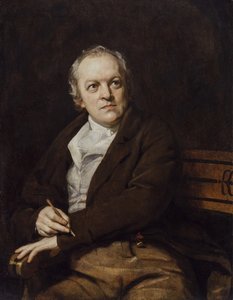
William Blake
1757 - 1827 , Wielka Brytania
Krótka nota
- Artistic Movement Or Style: Romanticizm
- Artists Who Influenced This Artist:
- Rafael
- Michał Anioł
- Date Of Birth: Londyn, Wielka Brytania (1757)
- Date Of Death: Londyn, Wielka Brytania (1827)
- Full Name: William Blake
- Nationality: Brytyjski
- Notable Artworks:
- Pieśni Innocencji i Doświadczenia
- Święcący Smok i Żona Ubierana na Słońce
- Żądza i Jego Rodzina Odzyskuje Dobrobyt
- Place Of Birth: Londyn
Powiązane artykuły

Watercolor Art Guide: Mastering Transparency and Light for Professional Hospitality Decor
Elevate hospitality interiors with our professional guide to watercolor art. Discover how transparency and light enhance hotel decor through expert selection of high-quality, custom reproductions and large-scale murals tailored for designers and procurement managers.


