


 Podgląd w skali 1:1
 Wyślij jako kartkę
 Udostępnij
 Szczegóły dzieła
 Przewodnik

 Pobierz obraz
 Podobne obiekty
 RTG
RTG Pokaz slajdów
 Pytania i odpowiedzi
 Statystyki
Los

- 146.0 x 222.0 cm


 Rozwiń treść
Giclée / Wydruk artystyczny
Wydruki giclée lub płótna o jakości muzealnej, szybka realizacja i szeroki wybór opcji wykończenia. ( Zamów ręcznie malowaną reprodukcję Przejdź do wersji cyfrowej)




P118B zł10

P118H zł10

P118W zł10

P438Z zł10

P508JH zł12

P508YH zł12

P805H zł10

P805Z zł10

P919BZ zł10

P919G zł10

P919XJ zł10

P959ZH zł10

P968JZ zł12

W106C zł8

W218G zł10

W218JH zł8

W218Y zł10

W307PJ zł10

W316G zł10

W316PJ zł8

W316Y zł10

W398PJ zł8

W4111J zł10

W500HY zł15

W500JH zł15

W692G zł12

W849H zł8

W940BG zł15

W953PJ zł8




Wybierz spośród naszych standardowych rozmiarów, które zachowują oryginalne proporcje dzieła sztuki.

Wpisz wymaganą szerokość i wysokość, aby dopasować grafikę do ramy lub ściany. Wydruk można jedynie przyciąć, nigdy nie powiększając go poza oryginalny obraz, dlatego format o innych proporcjach spowoduje utratę części kompozycji. Przed rozpoczęciem druku prześlemy Ci cyfrowy podgląd do zatwierdzenia. Obraz wyświetlany na tej stronie nie pokazuje rzeczywistego przycięcia — jedynie podgląd oddaje ten efekt.
Dostawa na cały świat () w ciągu 2 tygodni zamiast standardowych 4/5 tygodni. (15 Listopad)

Bezpłatna ekspresowa wysyłka na cały świat

Wysokiej jakości płótno lniane

Pełne ubezpieczenie przesyłki

Gwarancja zwrotu należności celnych i podatków importowych

Gwarancja wiernego odwzorowania kolorów

100-dniowa polityka zwrotów (tylko w przypadku wad)

Gwarancja 100% zwrotu pieniędzy

Zniżka przy zakupie wielu sztuk
 Opcja ze szkłem jest dostępna wyłącznie w rozmiarach poniżej 110 cm

Los
Giclée / Wydruk artystyczny
Wymiary reprodukcji
-


Cena całkowita
zł 253
A Profound Vision of Innocence and Suffering: Exploring William Blake’s “Los”
William Blake's "Los," painted in 1804, stands as a haunting testament to the Romantic spirit—a collision between sublime beauty and unsettling psychological depth. More than just a depiction of figures amidst a forest landscape, it embodies Blake’s complex exploration of human experience, grappling with themes of innocence, corruption, and divine judgment. The painting's immediate impact is one of arresting visual splendor; meticulously rendered trees dominate the composition, illuminated by an ethereal moonlight that casts long shadows across the scene. Stars twinkle overhead, adding to the atmosphere of otherworldly contemplation. Yet, beneath this surface tranquility lies a narrative fraught with symbolic significance. The central trio—three nude figures—represent archetypal characters engaged in a dramatic confrontation. The figure on the left possesses a prominent erect penis, a deliberate allusion to primal sexuality and vulnerability. This anatomical detail isn’t merely descriptive; it serves as a visual metaphor for the inherent tension between innocence and desire, mirroring Blake's broader preoccupation with reconciling spiritual idealism with earthly realities. Adjacent to him is another figure holding what appears to be a crucifix—a poignant emblem of Christian faith juxtaposed against the raw physicality of the scene. This gesture speaks to the struggle between piety and transgression, highlighting the inescapable paradoxes of human existence. The third figure reaches upwards towards an unseen celestial realm, symbolizing aspiration for transcendence and divine grace. However, this upward gaze is countered by a palpable sense of unease; the positioning of the figures suggests a precarious balance—a vulnerability exposed to forces beyond comprehension. The inclusion of a wheel at the base of the painting adds another layer of complexity. Often interpreted as representing cyclical time and karmic retribution, it underscores Blake’s belief that human actions inevitably bear consequences, shaping our destinies in ways we may not fully grasp. Blake's technique—primarily watercolor on paper—contributes significantly to the artwork’s emotive power. Watercolor allows for subtle gradations of tone and color, capturing the luminescence of moonlight and creating an illusion of depth that enhances the scene’s dramatic effect. The artist’s meticulous attention to detail ensures that every element—from the texture of bark to the glimmering stars—is rendered with remarkable precision. This painstaking craftsmanship underscores Blake's commitment to conveying not just what he saw but also what he felt—a profound engagement with the spiritual and psychological dimensions of his subject matter. “Los” resonates powerfully with viewers today, prompting contemplation on fundamental questions about morality, faith, and the human condition. Its unsettling beauty compels us to confront uncomfortable truths about our own desires and vulnerabilities, reminding us that true enlightenment requires acknowledging both innocence and suffering—a duality perfectly captured in Blake’s masterful depiction of this unforgettable tableau. It remains a cornerstone of Romantic art, securing its place as an enduring symbol of artistic vision and spiritual inquiry.Pytania i odpowiedzi
Gdzie mogę znaleźć przewodnik do "Los"?
Przewodnik po "Los" to strona Karta informacyjna dla uczniów dzieła sztuki – nadrukowalna karta informacyjna zawierająca opis utworu, informacje o autorstwie oraz tabelę danych (artysta, daty, technika, wymiary oryginału, kolekcja).
Ile lat miał(a) William Blake, tworząc "Los" w 1804 roku?
William Blake stworzył/a "Los" w wieku 47 lat. Artysta urodził/a się w 1757, a datowanie dzieła to 1804.
Czy prawa autorskie do „Los” – William Blake pozwalają na tworzenie reprodukcji?
Oryginał dzieła „Los” znajduje się w Yale Center for British Art, a utwór jest należy do domeny publicznej – autorskie prawa majątkowe wygasły.
Podobne dzieła


Biografia artysty
Wczesne lata, rodzina i edukacja
William Blake przyszedł na świat 28 listopada 1757 roku w Londynie, w Anglii. Dorastał w domu znajdującym się nad sklepem pasmanteryjnym swojego ojca przy 28 Broad Street. Jego rodzice, James Blake i Catherine Wright Armitage Blake, zapewnili mu stabilne warunki życia w czasie znaczących przemian społecznych zachodzących w ówczesnym mieście. Choć jego wychowanie upływało w skromnych warunkach rodziny rzemieślniczej, wczesne lata artysty zdefiniowała niezwykła, intensywna wyobraźnia, która często przejawiała się w postaci wizji – jak choćby widzenie aniołów w gałęziach drzew podczas dziecięcych spacerów.
Formalna edukacja rozpoczęła się, gdy artysta miał dziesięć lat, kiedy to został zapisany do szkoły rysunku Henry'ego Parsa. To wczesne nauczanie położyło techniczne fundamenty pod karierę, która ostatecznie wykraczała daleko poza proste szkicowanie. W wieku 14 lat konieczność podjęcia pracy zarobkowej zaprowadziła go na siedmioletnią praktykę u rytownika Jamesa Basire'a. Okres ten okazał się kluczowy dla jego rozwoju, wprowadzając go w rygorystyczne mechanizmy grafiki warsztatowej oraz pozwalając poznać fizyczne właściwości metalu i kwasu.
Podczas praktyki zawodowej Blake poświęcał wiele czasu na szkicowanie nagrobków w Opactwie Westminsterskim. Gotycka architektura i zwietrzały kamień tych pomników wywarły trwałe piętno na jego wrażliwości estetycznej. Te studia pozwoliły mu przyswoić formy przeszłości, które później redefiniował przez pryzmat własnego, unikalnego spojrzenia. Jego szkolenie nie było jedynie nauką rzemiosła, lecz głębokim zanurzeniem w wizualny język historii i struktury.
Technika i artystyczna innowacja
Proces twórczy Blake'a definiowała nieustanna, wręcz niespokojna potrzeba połączenia słowa pisanego z obrazem wizualnym. Wykraczał on daleko poza standardowe, komercyjne miedzioryty swojej epoki, aby opracować unikalną metodę druku wypukłego, którą wykorzystywał w swoich iluminowanych księgach. Technika ta polegała na nakładaniu kwasoodpornego werniksu na miedziane płyty, co pozwalało mu na wygrawerowanie zarówno tekstu, jak i ilustracji w jednej, zintegrowanej formie. Wybór ten nie miał jednak charakteru czysto technicznego, lecz był głęboko duchowy; artysta twierdził, że proces ten został mu objawiony w wizji po śmierci jego brata, Roberta. Współpracując ze swoją żoną, Catherine, która pomagała mu w druku i nakładaniu barw, William Blake osobiście nadzorował cały proces produkcji – od pierwszego żłobienia w metalu, aż po końcowe zszywanie gotowych ksiąg.
Jego estetyka stanowiła świadome odejście od sztywnych reguł narzuconych przez współczesnych mu artystów. Odrzucił tradycyjne stosowanie perspektywy linearnej, która dążyła do naśladowania świata fizycznego, na rzecz bardziej emocjonalnej i symbolicznej reprezentacji przestrzeni. To spłaszczenie pola wizualnego pozwoliło mu nadać priorytet wewnętrznej logice wizji, stawiając ją ponad ograniczeniami naturalizmu. Aby tchnąć życie w te wizje, często sięgał po akwarele i farby temperowe, nakładając kolor ręcznie na wydrukowane arkusze, co pozwalało uzyskać unikalną, osobistą teksturę. Jego praca była wysiłkiem zarówno rąk, jak i ducha, powstającym często w ciszy jego londyńskiego domu.
Kluczowe dzieła i najważniejsze publikacje
Wczesny etap twórczości artysty rozpoczął się od wydania Poetical Sketches w 1783 roku. Po tej pierwszej kolekcji wierszy nadeszły jego najbardziej rozpoznawalne osiągnięcia liryczne: Songs of Innocence z 1789 roku oraz Songs of Experience z 1794 roku. Dzieła te wprowadziły do jego twórczości powracające napięcie, zgłębiające kontrast między stanem nieskazitelnego dzieciństwa a korupcją dorosłej rzeczywistości. W latach 1790–1793 stworzył natomiast The Marriage of Heaven and Hell – prowokacyjną pracę, która poprzez prozę i wiersz rzuciła wyzwanie ustalonym doktrynom moralnym oraz religijnym.
Zaangażowanie artysty w polityczne turbulencje jego epoki znalazło wyraz w księgach profetycznych. W 1793 roku wydał America, a Prophecy, a w 1794 roku Europe, a Prophecy – dzieła te stanowiły odzwierciedlenie rewolucyjnego ducha tamtych czasów. Publikacje te nie były jedynie tekstami, lecz zintegrowanymi wizjami, w których trawiony kwasem obraz i spisane słowo funkcjonowały jako jedna, nierozerwalna całość. Późniejsze lata jego życia upłynęły pod znakiem rozległych, niezwykle złożonych projektów, które wymagały wieloletniego, nieustannego wysiłku.
W późniejszym okresie życia artysta oddał się tworzeniu monumentalnych i misternych cykli. W latach 1804–1808 pracował nad serią Milton, natomiast jego ostatnim wielkim przedsięwzięciem było Jerusalem, nad którym pracował od 1804 aż do 1820 roku. Dzieła te stanowią kulminację jego całego życia poświęconego próbie zbudowania prywatnej mitologii – systemu, który poprzez głęboko osobisty język symboli dążył do pogodzenia ludzkiego ducha z boskością.
Mecenasi, warsztat i zlecenia
Finansowa rzeczywistość życia, jakie prowadził William Blake, była często nieustanną walką o stabilizację. Przez większą część swojej kariery utrzymywał się jako czeladnik rytownika, podejmując się komercyjnych zleceń, aby zapewnić sobie byt. Około 1784 roku podjął próbę ustanowienia bardziej trwałego fundamentu zawodowego, otwierając pracownię graficzną wspólnie z Jamesem Parkerem, przyjacielem i byłym towarzyszem z okresu terminowania. Przedsięwzięcie to nie przyniosło jednak oczekiwanej, trwałej pewności jutra. Zamiast tego, jego utrzymanie często zależało od stałego wsparcia nielicznych, oddanych mecenasów, wśród których najbardziej wyróżniał się Thomas Butts, którego patronat stanowił życiodajną linię wsparcia dla bardziej osobistych, wizjonerskich poszukiwań artysty.
Geografia jego zawodowej drogi zmieniała się wraz z jego życiowymi okolicznościami. Między 1800 a 1803 rokiem Blake przeniósł się do nadmorskiego miasteczka Felpham. W tym czasie żył i tworzył pod mecenatem Williama Hayleya. Pobyt w Felpham przyniósł mu chwilowe wytchnienie od miejskich napięć Londynu, pozwalając skupić się na tworzeniu złożonych cykli dzieł. Nawet gdy musiał mierzyć się z wymaganiami komercyjnych zleceń, jego twórczość pozostawała głęboko związana ze specyficznymi potrzebami osób wspierających jego wizję, często balansując między praktycznymi wymogami rytownictwa na zlecenie innych a prywatnym trudem własnej, iluminowanej grafiki.
Dziedzictwo i nieprzemijający wpływ
Za życia wizja Blake'a często spotykała się z niezrozumieniem, a jego twórczość bywała spychana na margines jako owoc ekscentrycznego lub niestabilnego umysłu. Artysta prowadził życie w relatywnym zapomnieniu, często zmagając się o przetrwanie i stabilność finansową, pracując jako rzemieślnik-grawer. Jednak to właśnie te cechy, które spychały go na ubocze w pierwszej połowie XIX wieku, ostatecznie zapewniły mu miejsce jako kluczowej postaci ruchu romantycznego. Jego nieugięte przekonanie o prymacie wyobraźni nad ograniczeniami rozumu stało się wzorcem dla tych, którzy w późniejszych latach pragnęli zerwać z tradycyjnymi strukturami akademickimi.
Oddziaływanie jego unikalnego stylu z czasem wykraczyło daleko poza jego bezpośrednie kręgi towarzyskie. Bractwo Pre 인해-Raphaelitów przyjęło go jako bliską sobie duszę, odnajdując wspólny język w jego odrzuceniu neoklasycznych konwencji. Wraz z upływem dekad jego wpływ przenikał przez ruchy symbolistyczne i modernistyczne, znajdując oddźwięk w ich wspólnym zainteresowaniu subiektywnym doświadczeniem i duchową głębią. William Blake nie tylko ilustrował wiersze; on konstruował prywatną mitologię, która do dziś pozostaje niewyczerpanym źródłem inspiracji dla poetów, malarzy i myślicieli z wielu różnych dziedzin.
- The Tyger
- The Lamb
- London
- Jerusalem
Gdzie dziś można podziwiać jego dzieła
Materialne pozostałości wizji Blake'a są rozproszone w kilku najważniejszych instytucjach, co odzwierciedla globalny zasięg jego wpływu. W Londynie Tate Gallery przechowuje sześć jego prac, w tym niezwykle istotny, powstały w 1795 roku wizerunek Isaaca Newtona. Kolekcja ta oferuje wgląd w techniczną precyzję, jaką artysta wkładał w swoje miedzioryty, oraz w sposób, w jaki potrafił przekładać złożone koncepcje duchowe na formę wizualną.
Po drugiej stronie Atlantyku jego obecność jest wyczuwalna w kilku znamienitych amerykańskich zbiorach. Yale Center for British Art w New Haven posiada cztery dzieła, takie jak grafika z 1804 roku przedstawiająca Los Entering the Grave. Tymczasem Museum of Fine Arts w Bostonie również skrywa cztery obiekty, w tym jego studium z 1808 roku pt. Adam and Eve Sleeping. Zasoby te pozwalają na porównawczą analizę jego ewolucji – od rzemieślnika zajmującego się komercyjnym grawerstwem do niezależnego twórcy iluminowanych woluminów.
Jego oddziaływanie sięga jeszcze dalej, aż na półkulę południową. National Gallery of Victoria w Melbourne posiada jedno dzieło, powstałe w 1827 roku, zatytułowane Antaeus setting down Dante and Virgil in the last circle of hell. Ta pojedyncza obecność w Australii podkreśla nieprzemijające, międzynarodowe zainteresowanie jego osobliwą, głęboko intymną mitologią.
- The Ancient of Days (1794)
- The Tyger
- The Lamb
- London
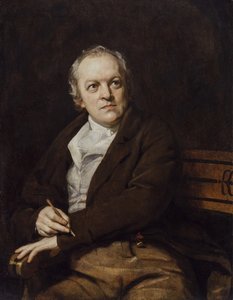
William Blake
1757 - 1827 , Wielka Brytania
Krótka nota
- Artistic Movement Or Style: Romantyzm
- Artists Or Movements Influenced By This Artist:
- Bractwo Spoleczników Przedrafaelitów
- Symbolizm
- Modernizm
- Artists Who Influenced This Artist:
- Rafael
- Michał Anioł
- Date Of Birth: 1757
- Date Of Death: 1827
- Full Name: William Blake
- Nationality: Brytyjska
- Notable Artworks:
- The Ancient of Days
- Isaac Newton
- Tyger
- Czystość
- Londyn
- Place Of Birth: Londyn, Zjednoczone Królestwo
Powiązane artykuły

25 Masterpieces by William Blake: The Visionary Art of a Romantic Legend
Step into the visionary world of William Blake. Explore 25 iconic Romantic masterpieces, from his mystical illuminated prints to legendary illustrations. Find inspiration and museum-quality art reproductions for your decor. Discover all masterpieces on AllPaintingsStore.com.

25 Must-See Masterpieces at the Yale Center for British Art
Explore 25 iconic works from Turner to Hogarth at Yale Center for British Art. Discover the full collection online at AllPaintingsStore.com.


