Wczesne lata, rodzina i edukacja
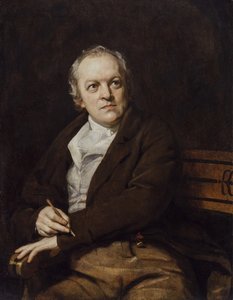
William Blake przyszedł na świat 28 listopada 1757 roku w Londynie, w Anglii. Dorastał w domu znajdującym się nad sklepem pasmanteryjnym swojego ojca przy 28 Broad Street. Jego rodzice, James Blake i Catherine Wright Armitage Blake, zapewnili mu stabilne warunki życia w czasie znaczących przemian społecznych zachodzących w ówczesnym mieście. Choć jego wychowanie upływało w skromnych warunkach rodziny rzemieślniczej, wczesne lata artysty zdefiniowała niezwykła, intensywna wyobraźnia, która często przejawiała się w postaci wizji – jak choćby widzenie aniołów w gałęziach drzew podczas dziecięcych spacerów.
Formalna edukacja rozpoczęła się, gdy artysta miał dziesięć lat, kiedy to został zapisany do szkoły rysunku Henry'ego Parsa. To wczesne nauczanie położyło techniczne fundamenty pod karierę, która ostatecznie wykraczała daleko poza proste szkicowanie. W wieku 14 lat konieczność podjęcia pracy zarobkowej zaprowadziła go na siedmioletnią praktykę u rytownika Jamesa Basire'a. Okres ten okazał się kluczowy dla jego rozwoju, wprowadzając go w rygorystyczne mechanizmy grafiki warsztatowej oraz pozwalając poznać fizyczne właściwości metalu i kwasu.
Podczas praktyki zawodowej Blake poświęcał wiele czasu na szkicowanie nagrobków w Opactwie Westminsterskim. Gotycka architektura i zwietrzały kamień tych pomników wywarły trwałe piętno na jego wrażliwości estetycznej. Te studia pozwoliły mu przyswoić formy przeszłości, które później redefiniował przez pryzmat własnego, unikalnego spojrzenia. Jego szkolenie nie było jedynie nauką rzemiosła, lecz głębokim zanurzeniem w wizualny język historii i struktury.
Technika i artystyczna innowacja
Proces twórczy Blake'a definiowała nieustanna, wręcz niespokojna potrzeba połączenia słowa pisanego z obrazem wizualnym. Wykraczał on daleko poza standardowe, komercyjne miedzioryty swojej epoki, aby opracować unikalną metodę druku wypukłego, którą wykorzystywał w swoich iluminowanych księgach. Technika ta polegała na nakładaniu kwasoodpornego werniksu na miedziane płyty, co pozwalało mu na wygrawerowanie zarówno tekstu, jak i ilustracji w jednej, zintegrowanej formie. Wybór ten nie miał jednak charakteru czysto technicznego, lecz był głęboko duchowy; artysta twierdził, że proces ten został mu objawiony w wizji po śmierci jego brata, Roberta. Współpracując ze swoją żoną, Catherine, która pomagała mu w druku i nakładaniu barw, William Blake osobiście nadzorował cały proces produkcji – od pierwszego żłobienia w metalu, aż po końcowe zszywanie gotowych ksiąg.
Jego estetyka stanowiła świadome odejście od sztywnych reguł narzuconych przez współczesnych mu artystów. Odrzucił tradycyjne stosowanie perspektywy linearnej, która dążyła do naśladowania świata fizycznego, na rzecz bardziej emocjonalnej i symbolicznej reprezentacji przestrzeni. To spłaszczenie pola wizualnego pozwoliło mu nadać priorytet wewnętrznej logice wizji, stawiając ją ponad ograniczeniami naturalizmu. Aby tchnąć życie w te wizje, często sięgał po akwarele i farby temperowe, nakładając kolor ręcznie na wydrukowane arkusze, co pozwalało uzyskać unikalną, osobistą teksturę. Jego praca była wysiłkiem zarówno rąk, jak i ducha, powstającym często w ciszy jego londyńskiego domu.
Kluczowe dzieła i najważniejsze publikacje
Wczesny etap twórczości artysty rozpoczął się od wydania Poetical Sketches w 1783 roku. Po tej pierwszej kolekcji wierszy nadeszły jego najbardziej rozpoznawalne osiągnięcia liryczne: Songs of Innocence z 1789 roku oraz Songs of Experience z 1794 roku. Dzieła te wprowadziły do jego twórczości powracające napięcie, zgłębiające kontrast między stanem nieskazitelnego dzieciństwa a korupcją dorosłej rzeczywistości. W latach 1790–1793 stworzył natomiast The Marriage of Heaven and Hell – prowokacyjną pracę, która poprzez prozę i wiersz rzuciła wyzwanie ustalonym doktrynom moralnym oraz religijnym.
Zaangażowanie artysty w polityczne turbulencje jego epoki znalazło wyraz w księgach profetycznych. W 1793 roku wydał America, a Prophecy, a w 1794 roku Europe, a Prophecy – dzieła te stanowiły odzwierciedlenie rewolucyjnego ducha tamtych czasów. Publikacje te nie były jedynie tekstami, lecz zintegrowanymi wizjami, w których trawiony kwasem obraz i spisane słowo funkcjonowały jako jedna, nierozerwalna całość. Późniejsze lata jego życia upłynęły pod znakiem rozległych, niezwykle złożonych projektów, które wymagały wieloletniego, nieustannego wysiłku.
W późniejszym okresie życia artysta oddał się tworzeniu monumentalnych i misternych cykli. W latach 1804–1808 pracował nad serią Milton, natomiast jego ostatnim wielkim przedsięwzięciem było Jerusalem, nad którym pracował od 1804 aż do 1820 roku. Dzieła te stanowią kulminację jego całego życia poświęconego próbie zbudowania prywatnej mitologii – systemu, który poprzez głęboko osobisty język symboli dążył do pogodzenia ludzkiego ducha z boskością.
Mecenasi, warsztat i zlecenia
Finansowa rzeczywistość życia, jakie prowadził William Blake, była często nieustanną walką o stabilizację. Przez większą część swojej kariery utrzymywał się jako czeladnik rytownika, podejmując się komercyjnych zleceń, aby zapewnić sobie byt. Około 1784 roku podjął próbę ustanowienia bardziej trwałego fundamentu zawodowego, otwierając pracownię graficzną wspólnie z Jamesem Parkerem, przyjacielem i byłym towarzyszem z okresu terminowania. Przedsięwzięcie to nie przyniosło jednak oczekiwanej, trwałej pewności jutra. Zamiast tego, jego utrzymanie często zależało od stałego wsparcia nielicznych, oddanych mecenasów, wśród których najbardziej wyróżniał się Thomas Butts, którego patronat stanowił życiodajną linię wsparcia dla bardziej osobistych, wizjonerskich poszukiwań artysty.
Geografia jego zawodowej drogi zmieniała się wraz z jego życiowymi okolicznościami. Między 1800 a 1803 rokiem Blake przeniósł się do nadmorskiego miasteczka Felpham. W tym czasie żył i tworzył pod mecenatem Williama Hayleya. Pobyt w Felpham przyniósł mu chwilowe wytchnienie od miejskich napięć Londynu, pozwalając skupić się na tworzeniu złożonych cykli dzieł. Nawet gdy musiał mierzyć się z wymaganiami komercyjnych zleceń, jego twórczość pozostawała głęboko związana ze specyficznymi potrzebami osób wspierających jego wizję, często balansując między praktycznymi wymogami rytownictwa na zlecenie innych a prywatnym trudem własnej, iluminowanej grafiki.
Dziedzictwo i nieprzemijający wpływ
Za życia wizja Blake'a często spotykała się z niezrozumieniem, a jego twórczość bywała spychana na margines jako owoc ekscentrycznego lub niestabilnego umysłu. Artysta prowadził życie w relatywnym zapomnieniu, często zmagając się o przetrwanie i stabilność finansową, pracując jako rzemieślnik-grawer. Jednak to właśnie te cechy, które spychały go na ubocze w pierwszej połowie XIX wieku, ostatecznie zapewniły mu miejsce jako kluczowej postaci ruchu romantycznego. Jego nieugięte przekonanie o prymacie wyobraźni nad ograniczeniami rozumu stało się wzorcem dla tych, którzy w późniejszych latach pragnęli zerwać z tradycyjnymi strukturami akademickimi.
Oddziaływanie jego unikalnego stylu z czasem wykraczyło daleko poza jego bezpośrednie kręgi towarzyskie. Bractwo Pre 인해-Raphaelitów przyjęło go jako bliską sobie duszę, odnajdując wspólny język w jego odrzuceniu neoklasycznych konwencji. Wraz z upływem dekad jego wpływ przenikał przez ruchy symbolistyczne i modernistyczne, znajdując oddźwięk w ich wspólnym zainteresowaniu subiektywnym doświadczeniem i duchową głębią. William Blake nie tylko ilustrował wiersze; on konstruował prywatną mitologię, która do dziś pozostaje niewyczerpanym źródłem inspiracji dla poetów, malarzy i myślicieli z wielu różnych dziedzin.
- The Tyger
- The Lamb
- London
- Jerusalem
Gdzie dziś można podziwiać jego dzieła
Materialne pozostałości wizji Blake'a są rozproszone w kilku najważniejszych instytucjach, co odzwierciedla globalny zasięg jego wpływu. W Londynie Tate Gallery przechowuje sześć jego prac, w tym niezwykle istotny, powstały w 1795 roku wizerunek Isaaca Newtona. Kolekcja ta oferuje wgląd w techniczną precyzję, jaką artysta wkładał w swoje miedzioryty, oraz w sposób, w jaki potrafił przekładać złożone koncepcje duchowe na formę wizualną.
Po drugiej stronie Atlantyku jego obecność jest wyczuwalna w kilku znamienitych amerykańskich zbiorach. Yale Center for British Art w New Haven posiada cztery dzieła, takie jak grafika z 1804 roku przedstawiająca Los Entering the Grave. Tymczasem Museum of Fine Arts w Bostonie również skrywa cztery obiekty, w tym jego studium z 1808 roku pt. Adam and Eve Sleeping. Zasoby te pozwalają na porównawczą analizę jego ewolucji – od rzemieślnika zajmującego się komercyjnym grawerstwem do niezależnego twórcy iluminowanych woluminów.
Jego oddziaływanie sięga jeszcze dalej, aż na półkulę południową. National Gallery of Victoria w Melbourne posiada jedno dzieło, powstałe w 1827 roku, zatytułowane Antaeus setting down Dante and Virgil in the last circle of hell. Ta pojedyncza obecność w Australii podkreśla nieprzemijające, międzynarodowe zainteresowanie jego osobliwą, głęboko intymną mitologią.


 Rozwiń treść


 Przełącz na wydania drukowane


 W przypadku dzieł sztuki lub reprodukcji, których którykolwiek z boków przekracza 105 cm (około 41 cali), rama zostanie wysłana w formie zestawu do samodzielnego montażu. Metoda ta zapewnia bezpieczną dostawę i zapobiega uszkodzeniom podczas transportu.


