


 Podgląd w skali 1:1
 Wyślij jako kartkę
 Udostępnij
 Szczegóły dzieła
 Przewodnik

 Pobierz obraz
 Podobne obiekty
 RTG
RTG Pokaz slajdów
 Statystyki
The bathing machine
 Rozwiń treść
Ręcznie malowana reprodukcja olejowa
Ręcznie malowany obraz olejny na płótnie, wykonany na zamówienie przez naszych artystów w wybranym przez Ciebie wymiarze i oprawie. ( Przełącz na wydania drukowane Przejdź do wersji cyfrowej)




































Wybierz spośród naszych standardowych rozmiarów, które zachowują oryginalne proporcje dzieła sztuki.

Wpisz wymaganą szerokość i wysokość, aby obraz pasował do Twojej ramy lub ściany. Ponieważ jest to dzieło malowane ręcznie, w przypadku rozmiaru o innych proporcjach artysta może domalować nieco więcej wokół obrazu lub przyciąć jego fragmenty — wybór należy do Ciebie. Przed rozpoczęciem pracy prześlemy Ci cyfrową wizualizację do zatwierdzenia. Obraz widoczny na tej stronie nie przedstawia rzeczywistego efektu — jedynie wizualizacja oddaje realny rezultat.
Po złożeniu zamówienia zespół AllPaintingsStore.com skontaktuje się z klientem drogą mailową w celu uzyskania instrukcji i prześle wizualizację projektu
Dostawa na całym świecie () w ciągu 3–4 tygodni zamiast standardowych 5 tygodni. (28 Październik). Bez kompromisów w kwestii jakości.

Bezpłatna ekspresowa wysyłka na cały świat

Wysokiej jakości płótno lniane

Pełne ubezpieczenie przesyłki

Gwarancja zwrotu należności celnych i podatków importowych

Gwarancja wiernego odwzorowania kolorów

100-dniowa polityka zwrotów (tylko w przypadku wad)

Gwarancja 100% zwrotu pieniędzy

Zniżka przy zakupie wielu sztuk
 Opcja ze szkłem jest dostępna wyłącznie w rozmiarach poniżej 110 cm

The bathing machine
Technika reprodukcji
Wymiary reprodukcji
-


Cena całkowita
zł 992
Podobne dzieła


Biografia artysty
William Francis Freelove: A Pioneer of Zoological Illustration
William Francis Freelove (1840 – 1920) stands as a remarkable figure in the annals of British art history, primarily recognized for his meticulous and influential contributions to zoological illustration. Born in Oxford, England, Freelove’s artistic journey began with a formal education at Marlborough College before pursuing studies at Ruskin School of Drawing & Sculpture, where he honed his skills under the tutelage of John Ruskin—a formative influence that instilled within him a profound appreciation for natural beauty and detailed observation. Freelove swiftly established himself as a prolific illustrator, specializing in depictions of animals – particularly birds – for scientific publications. His work graced journals like *The Zoological Record*, *Nature*, and *Science*, cementing his reputation as one of the foremost artists documenting the animal kingdom during the Victorian era. Unlike many contemporaries who favored idealized representations, Freelove championed realism, painstakingly capturing anatomical accuracy alongside subtle nuances of plumage coloration and behavior. This commitment to scientific rigor elevated his illustrations beyond mere decoration; they served as invaluable tools for biologists studying species identification and distribution. His artistic style was characterized by a masterful blend of watercolor techniques—often incorporating grisaille (grey wash) underpainting—that achieved remarkable tonal depth and luminosity. Freelove’s meticulous attention to detail extended beyond color palettes, encompassing precise rendering of feathers, musculature, and skeletal structures. He meticulously studied specimens brought back from expeditions around the globe, painstakingly recreating their appearance with unwavering precision. This dedication to scientific accuracy was not merely a stylistic choice but reflected his deep conviction that art could illuminate understanding of the natural world. Freelove’s most celebrated achievement resides in his collaboration with Sir William Dunn School of Pathology, where he produced stunning illustrations for textbooks detailing immunological research—specifically concerning penicillin's discovery. These images powerfully conveyed complex scientific concepts through visual storytelling, demonstrating Freelove’s ability to communicate intricate information effectively and aesthetically. His work continues to inspire artists and scientists alike, serving as a testament to the enduring power of artistic observation and representation. Freelove’s legacy extends beyond his individual artworks; he championed the importance of combining art and science—a philosophy that resonated deeply with Ruskin's teachings. He firmly believed that artistic endeavor should be guided by intellectual curiosity and underpinned by careful study, resulting in representations that were both beautiful and informative. Freelove remains a pivotal figure in Victorian zoological illustration, whose unwavering commitment to realism and scientific rigor continues to shape our understanding of art’s role in advancing knowledge.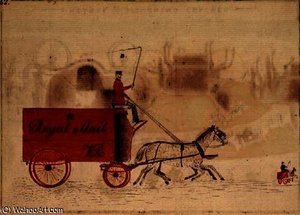
William Francis Freelove
1840 - 1920 , United Kingdom
Krótka nota
- Full Name: William Francis Freelove
- Nationality: British
- Date Of Birth: 1840
- Date Of Death: 1920
- Place Of Birth: United Kingdom
- Notable Artworks:
- Stone & Marble Cart
- The Furniture Van
- Artistic Movement Or Style: French Mannerism
- Artists Who Influenced This Artist: ['Jean-Baptiste Camille Corot']
- Artists Or Movements Influenced By This Artist: ['Romanticism']

