


 Zobacz w skali 1:1
 Wyślij
 Udostępnij
 Szczegóły
 Przewodnik

 Pobierz plik obrazu
 Podobne obiekty
 RTG
RTG Pokaz slajdów
 Statystyki
Landscape
 Impressionism
 1887
1887 53.0 x 29.0 cm
 Czytaj więcej
Dzieło sztuki prezentowane na tej stronie podlega ochronie prawem autorskim, co oznacza, że nie mamy prawa do tworzenia ani sprzedaży jego identycznej reprodukcji. Ochrona ta jest egzekwowana na mocy umów międzynarodowych, takich jak Konwencja berneńska oraz przez przepisy prawa krajowego, w tym te określone w Prawo autorskie USA – Tytuł 17.
Jako pełną szacunku i legalną alternatywę oferujemy personalizowane, malowane ręcznie dzieła sztuki inspirowane oryginałem. Nasi wykwalifikowani i profesjonalni artyści starannie analizują styl, nastrój oraz artystyczną esencję pierwowzoru, aby stworzyć nowe, unikalne dzieło, które przywołuje te same emocje – pozostając jednocześnie w pełni oryginalną kreacją.
Metoda ta jest w pełni zgodna z przepisami prawa autorskiego, ponieważ nie polega na kopiowaniu ani powielaniu chronionego dzieła. Stanowi ona kreatywną reinterpretację – nowy obraz, który czerpie inspirację z oryginału, ale nie jest z nim tożsamy.
Ręcznie malowana reprodukcja olejowa
Ręcznie malowany obraz olejny na płótnie, wykonany na zamówienie przez naszych artystów w wybranym przez Ciebie wymiarze i oprawie. ( Przełącz na wersję drukowaną Przełącz na wersję cyfrową)




































Wybierz spośród naszych standardowych rozmiarów, które zachowują oryginalne proporcje dzieła sztuki.

Wpisz wymaganą szerokość i wysokość, aby obraz pasował do Twojej ramy lub ściany. Ponieważ jest to dzieło malowane ręcznie, w przypadku rozmiaru o innym proporcji artysta może domalować nieco więcej wokół obrazu lub przyciąć fragmenty — wybór należy do Ciebie. Przed rozpoczęciem pracy prześlemy Ci cyfrową wizualizację do zatwierdzenia. Obraz widoczny na tej stronie nie przedstawia rzeczywistego efektu — jedynie wizualizacja oddaje realny rezultat.
Po złożeniu zamówienia zespół AllPaintingsStore.com skontaktuje się z klientem drogą mailową w celu uzyskania instrukcji i prześle wizualizację projektu
Dostawa na całym świecie () w ciągu 3–4 tygodni zamiast standardowych 5 tygodni. (24 Październik). Bez kompromisów w kwestii jakości.

Bezpłatna ekspresowa wysyłka na cały świat

Wysokiej jakości płótno lniane

Pełne ubezpieczenie transportowe

Gwarancja zwrotu należności celnych i podatków importowych

Gwarancja idealnego odwzorowania barw

100-dniowy okres na zwrot dzieła w przypadku wykrycia wad produkcyjnych

Gwarancja 100% zwrotu pieniędzy

Oferta przy zakupie wielu sztuk
 Opcja ze szkłem jest dostępna wyłącznie w rozmiarach poniżej 110 cm

Landscape
Technika wykonania
Rozmiar reprodukcji
-


Suma do zapłaty
zł 990
Podobne dzieła


Biografia artysty
The Dual Vision of William H. Snape: Where Science Meets the Canvas
In the annals of late nineteenth-century art, few figures possess a legacy as intellectually layered as William H. Snape. Born in 1860 in the historic surroundings of Oxford, Oxfordshire, Snape lived a life that functioned as a profound dialogue between the analytical rigor of the laboratory and the emotive freedom of the easel. While many of his contemporaries were content to explore the world through a single lens, Snape’s existence was defined by a unique duality. He was simultaneously a man of scientific precision—a physician dedicated to the complexities of pathology and immunology—and a painter possessed by an enduring passion for the ephemeral beauty of the English landscape.
His journey toward this synthesis of disciplines began at the Magdalen College School in Oxford, where his early brilliance in mathematics and science first emerged. This academic foundation led him to the prestigious Somerville College, Cambridge, an institution that would further refine his disciplined approach to observation. Graduating summa cum cum laude with honors in Natural Sciences, Snape embarked upon a medical career that would leave a permanent mark on the scientific community. His research into the pathogenesis of tuberculosis and his instrumental role in establishing The Sir William Dunn School of Pathology at Oxford University cemented his reputation as a pioneer in biomedical science. Yet, even amidst the microscopic scrutiny of disease mechanisms, the macroscopic beauty of the natural world remained ever-present in his mind.
A Mastery of Light and Atmosphere
Snape’s artistic development was deeply informed by his scientific training; the same meticulous eye required to identify cellular changes in pathology allowed him to capture the subtle gradations of light and shadow in the natural world. He found particular inspiration in the Cotswolds region, translating the rolling hills and seasonal shifts of the English countryside into evocative oil paintings. Heavily influenced by the Impressionist movement—and specifically the luminous explorations of Claude Monet—Snapec mastered the art of atmospheric perspective. His work often sought to capture not just a static scene, but the very feeling of the air, the moisture in a morning mist, or the warmth of an autumnal afternoon.
His repertoire was remarkably diverse, ranging from serene landscapes to intimate portraits and maritime scenes. In his landscapes, one can observe a sophisticated use of tonal gradations that suggest depth and movement, while his more structured works, such as Portrait of a Child Selling Flowers or his various still lifes, reveal a command over composition and form. Whether depicting the frozen stillness of a harbour scene or the rugged textures of a gamekeeper’s grounds, Snape utilized a palette that breathed with life, often employing warm, nostalgic tones that evoke a sense of timelessness.
Legacy of an Observational Life
The historical significance of William H. Snape lies in his ability to bridge two seemingly disparate worlds. He did not view science and art as conflicting forces, but rather as complementary methods of understanding existence. To Snape, the study of a biological process and the painting of a sunset were both acts of profound observation—both required an intimate engagement with the truth of what is seen. This commitment to seeing clearly allowed him to contribute significantly to both the medical advancements of his era and the aesthetic richness of British landscape art.
Though his life was relatively short, spanning from 1860 to the early twentieth century, the impact of his dual vocation remains palpable in the works that survive. His paintings serve as a testament to a period when the boundaries between disciplines were fluid, and where the pursuit of knowledge was as much about the heart as it was about the intellect. Today, collectors and historians alike look to Snape not merely as a painter of beautiful scenes, but as an artist whose very soul was shaped by the intricate dance of life and the enduring majesty of the earth.

Najważniejsze informacje
- Full Name: William H Snape
- Nationality: British
- Place Of Birth: Oxford, United Kingdom
- Notable Artworks: ['Landscape']
- Artistic Movement Or Style: Impressionism
- Artists Who Influenced This Artist: ['Claude Monet']
- Artists Or Movements Influenced By This Artist: ['Post-Impressionism']
Zobacz także powiązane artykuły

Golden Fields & Sun-Drenched Meadows: Capturing the Soul of Impressionist Landscapes
Immerse yourself in the luminous world of Impressionist landscapes. Discover how masters like Monet and Gauguin captured ephemeral light through plein air painting, and learn to bring the soul of sun-drenched meadows into your home with exquisite, hand-painted oil reproductions.

Beyond the Light: Capturing Raw Emotion and Subjective Vision in Post-Impressionist Landscapes
Explore the profound emotional depth of Post-Impressionist landscapes. Discover how masters like Van Gogh moved beyond light to capture raw human feeling through vibrant color and expressive texture in this expert art history retrospective.
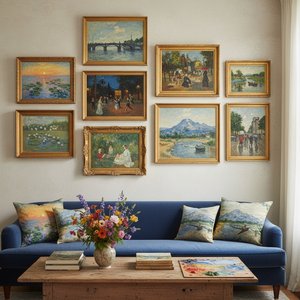
10 Arcydzieł Impresjonizmu Krajobrazowego, Które Zdefiniowały Sztukę
Odkryj 10 arcydzieł impresjonizmu krajobrazowego! Poznaj historie Moneta, Renoir'a i Van Gogha. Inspiracje wnętrzarskie, techniki malarskie i piękne reprodukcje obrazów na AllPaintingsStore.com. Eksploruj kolekcję online!

10 Arcydzieł Impresjonizmu Krajobrazowego: Sztuka, Artyści i Dekoracje Wnetrz
Odkryj 10 arcydzieł impresjonizmu krajobrazowego! Poznaj historie Monet, Renoir i innych mistrzów. Inspiracje wnętrzarskie, techniki malarskie i reprodukcje obrazów najwyższej jakości na AllPaintingsStore.com. Eksploruj pełną kolekcję online!

Capturing the Soul: The Most Emotionally Moving Impressionist and Post-Impressionist Masterpieces
Discover the profound emotional depth of Impressionist and Post-Impressionist masterpieces. Explore how legends like Monet, Van Gogh, and Gauguin captured light and soul through evocative landscapes and vibrant brushwork for a timeless connection to art history.

