


 Podgląd w skali 1:1
 Wyślij jako kartkę
 Udostępnij
 Szczegóły dzieła
 Przewodnik

 Pobierz obraz
 Podobne obiekty
 RTG
RTG Pokaz slajdów
 Statystyki
Eastern Point Light


 Rozwiń treść
Ręcznie malowana reprodukcja olejowa
Ręcznie malowany obraz olejny na płótnie, wykonany na zamówienie przez naszych artystów w wybranym przez Ciebie wymiarze i oprawie. ( Przełącz na wydania drukowane Przejdź do wersji cyfrowej)




P118B zł10

P118H zł10

P118W zł10

P438Z zł10

P508JH zł12

P508YH zł12

P805H zł10

P805Z zł10

P919BZ zł10

P919G zł10

P919XJ zł10

P959ZH zł10

P968JZ zł12

W106C zł8

W218G zł10

W218JH zł8

W218Y zł10

W307PJ zł10

W316G zł10

W316PJ zł8

W316Y zł10

W398PJ zł8

W4111J zł10

W500HY zł15

W500JH zł15

W692G zł12

W849H zł8

W940BG zł15

W953PJ zł8




Wybierz spośród naszych standardowych rozmiarów, które zachowują oryginalne proporcje dzieła sztuki.

Wpisz wymaganą szerokość i wysokość, aby obraz pasował do Twojej ramy lub ściany. Ponieważ jest to dzieło malowane ręcznie, w przypadku rozmiaru o innych proporcjach artysta może domalować nieco więcej wokół obrazu lub przyciąć jego fragmenty — wybór należy do Ciebie. Przed rozpoczęciem pracy prześlemy Ci cyfrową wizualizację do zatwierdzenia. Obraz widoczny na tej stronie nie przedstawia rzeczywistego efektu — jedynie wizualizacja oddaje realny rezultat.
Po złożeniu zamówienia zespół AllPaintingsStore.com skontaktuje się z klientem drogą mailową w celu uzyskania instrukcji i prześle wizualizację projektu
Dostawa na całym świecie () w ciągu 3–4 tygodni zamiast standardowych 5 tygodni. (27 Październik). Bez kompromisów w kwestii jakości.

Bezpłatna ekspresowa wysyłka na cały świat

Wysokiej jakości płótno lniane

Pełne ubezpieczenie przesyłki

Gwarancja zwrotu należności celnych i podatków importowych

Gwarancja wiernego odwzorowania kolorów

100-dniowa polityka zwrotów (tylko w przypadku wad)

Gwarancja 100% zwrotu pieniędzy

Zniżka przy zakupie wielu sztuk
 Opcja ze szkłem jest dostępna wyłącznie w rozmiarach poniżej 110 cm

Eastern Point Light
Technika reprodukcji
Wymiary reprodukcji
-


Cena całkowita
zł 992
A Nocturne of Resilience: The Luminous Soul of Eastern Point Light
In the quietude of the night, where the boundary between sea and sky dissolves into a singular, breathing entity, Winslow Homer’s 1880 watercolor masterpiece, Eastern Point Light, finds its voice. This is not merely a maritime scene; it is a profound meditation on the interplay between vulnerability and strength. As the viewer gazes upon the dark, undulating waters of Gloucester Harbor, they are immediately drawn into a world governed by the rhythmic pulse of the tides and the watchful eye of the lighthouse beacon. Homer, a titan of American realism, transcends simple documentation to capture a moment of deep, atmospheric tension, inviting us to witness the silent dialogue between human endeavor and the vast, untamable forces of nature.
The composition is a masterclass in balanced movement and stillness. Three sailboats, positioned with a deliberate diagonal grace across the canvas, appear to navigate the obsidian depths, their forms suggesting a slow, rhythmic progression toward one another. This sense of motion is anchored by the celestial presence of the moon, perched high in the heavens, casting a silvery sheen that illuminates the clouds and provides a ghostly guide for the vessels below. Through his expert use of atmospheric perspective, Homer skillfully blurs the distant horizon, creating an immersive depth that pulls the observer into the cool, salt-misted air of a New England night. The watercolor medium itself plays a vital role, allowing for soft, bleeding edges and translucent washes that evoke the ethereal quality of moonlight reflecting off damp surfaces.
Technique and the Art of Light
Homer’s approach to this work reflects his unique position in American art history—a bridge between the meticulous detail of his early days as a commercial illustrator and the expressive, almost Impressionistic freedom of his mature period. In Eastern Point Light, he eschews the vibrant, saturated palettes of his contemporaries in favor of a more nuanced, muted spectrum. He utilizes subtle shifts in tone—deep indigos, charcoal greys, and soft creams—to build a sense of weight and volume within the darkness. The luminous glow emanating from the lighthouse is not merely a point of light; it is a focal point of hope, rendered with such precision that one can almost feel its warmth cutting through the nocturnal chill.
For the discerning collector or interior designer, this piece offers an unparalleled emotional resonance. It possesses a quiet dignity that makes it a sophisticated centerpiece for any curated space, particularly those seeking to introduce themes of stability, guidance, and peace. The painting’s ability to evoke the "sublime"—that specific mixture of awe and trepidation in the face of nature's grandeur—makes it more than just decor; it is an invitation to reflection. Whether placed in a sunlit study or a moody, contemporary gallery setting, a high-quality reproduction of this watercolor brings with it the enduring spirit of the American coast and the timeless, steadfast light of Homer’s vision.
Pytania i odpowiedzi
Czy dzieło "Eastern Point Light" jest w ogólnym rozrachunku jaśniejsze czy ciemniejsze?
Zarejestrowane wartości dla „Eastern Point Light” – Winslow Homer to: jasność shadow, luminancja Dark.
Jaki jest ogólny nastrój dzieła „Eastern Point Light” – Winslow Homer?
"Eastern Point Light" ma Calm atmosferę.
Z jakiej techniki wykorzystano "Eastern Point Light"?
Technika wykonania dzieła „Eastern Point Light” – Winslow Homer to Watercolor. Reprodukcje mają na celu wierne oddanie wyglądu tej techniki.
Podobne dzieła


Biografia artysty
Winslow Homer (1836-1910): A Brush With the American Spirit
Winslow Homer, born in Boston in 1836, wasn’t sculpted by the traditional European art academies that shaped so many of his contemporaries. Instead, he emerged from a distinctly American experience, one rooted in practicality and observation. His journey began not with grand historical canvases, but as a commercial illustrator at the tender age of twelve for Harper's Weekly. This early apprenticeship was formative, honing an exceptional ability to capture scenes with clarity and detail – skills that would become hallmarks of his mature work. He wasn’t learning perspective in Paris; he was learning to *see* America, its people, and its unfolding story. The bustling streets of Boston, the quiet dignity of rural New England life, these were his first subjects, rendered with a precision born of necessity for the demands of print media. This foundation allowed him to transition into painting, initially in watercolor, before fully embracing the expressive potential of oil paints.Early Life and Artistic Beginnings
Homer’s childhood was marked by a close relationship between his parents—Charles Savage Homer, a merchant with restless tendencies, and Henrietta Maria Benson Homer, a gifted amateur watercolorist who instilled in him a lifelong appreciation for artistic expression. His brother, Charles S. Homer Jr., pursued a successful career as a chemist, providing a contrasting perspective on the family’s ambitions. From a young age, Homer demonstrated an innate talent for drawing, sketching landscapes and portraits with remarkable accuracy. He began his formal artistic training at fourteen, studying briefly in Paris under Jean-Baptiste Camille Corot—a pivotal experience that exposed him to the Impressionist movement but ultimately solidified his commitment to a distinctly American aesthetic. This Parisian sojourn instilled in Homer a fascination with light and color, influencing his later paintings and establishing a foundation for his distinctive style.The Civil War Years: Witnessing History Through Art
The outbreak of the Civil War profoundly impacted Homer’s artistic vision. Recognizing the opportunity to document the realities of conflict—rather than glorifying heroic battles—he accepted a commission from Harper's Weekly to chronicle life on the Union front lines. Unlike many artists of his time who idealized warfare, Homer eschewed grand narratives and focused instead on portraying the everyday experiences of soldiers and civilians—the quiet moments of grief, resilience, and camaraderie amidst devastation. His sketches and lithographs captured the grim beauty of battlefields—the mud, the smoke, the exhausted faces of men—offering a visceral portrayal of the human cost of war. This experience instilled in him an unwavering commitment to portraying truthfulness and compassion—values that would permeate his subsequent works. Homer’s Civil War drawings stand as unparalleled examples of journalistic art, demonstrating his ability to transform observation into powerful visual storytelling.From Watercolor Landscapes to Monumental Oil Paintings
Initially experimenting with watercolor, Homer quickly mastered the medium's fluidity and luminosity, creating a prolific oeuvre of serene landscapes—primarily set in Maine—that celebrated the majesty of nature and captured the subtle nuances of light and atmosphere. His watercolors are characterized by delicate brushstrokes and vibrant colors—a testament to his meticulous attention to detail and his profound understanding of visual perception. However, Homer’s artistic ambition extended beyond watercolor; he sought to convey emotion and drama through larger canvases painted in oil. He achieved this goal with remarkable success, producing monumental paintings that commanded attention and evoked powerful responses from viewers. Works like *The Gulf Stream*—a dramatic depiction of a lone sailor battling the fury of the ocean—and *Breezing Up (A Fair Wind)*—a celebration of maritime life—demonstrate Homer’s mastery of technique and his ability to capture the sublime beauty of nature alongside its inherent dangers.Legacy and Influence: An American Icon
Winslow Homer's enduring legacy rests on his unwavering commitment to portraying America with honesty and authenticity—rejecting romantic idealism in favor of a direct engagement with reality. He established himself as one of America’s foremost painters, influencing generations of artists who followed him—particularly those committed to realism and landscape painting. His distinctive style—characterized by solidity, texture, and masterful use of light—continues to inspire contemporary artists today. Homer's paintings remain treasured for their emotional depth and visual power—testaments to his profound understanding of the human condition and his ability to convey complex ideas through simple yet evocative imagery. He is remembered not merely as a painter but as a chronicler of American life, capturing its spirit and beauty with unwavering conviction.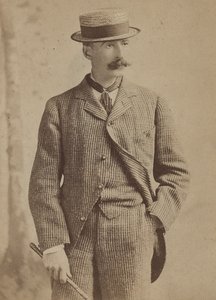
Winslow Homer
1836 - 1910 , Stany Zjednoczone
Krótka nota
- Artistic Movement Or Style: Realizm amerykański
- Artists Or Movements Influenced By This Artist: ['Amerykańskie malarstwo']
- Artists Who Influenced This Artist:
- École de Barbizon
- Courbet
- Millet
- Date Of Birth: 24 lutego 1836
- Date Of Death: 29 września 1910
- Full Name: Winslow Homer
- Nationality: Amerykański
- Notable Artworks:
- Breezing Up
- The Gulf Stream
- Innocence
- Place Of Birth: Boston, USA
Powiązane artykuły

Watercolor Art Guide: Mastering Transparency and Light for Professional Hospitality Decor
Elevate hospitality interiors with our professional guide to watercolor art. Discover how transparency and light enhance hotel decor through expert selection of high-quality, custom reproductions and large-scale murals tailored for designers and procurement managers.


