Visualizar em escala
 Enviar
 Compartilhar
 Ver detalhes

 Baixar
 Semelhantes
 Raio X
 Apresentação de slides
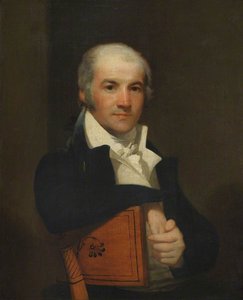
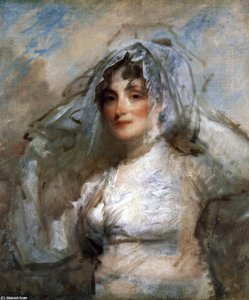
Catherine Brass Yates


 Ver mais
Giclée / Impressão de Arte
Impressão giclée ou em tela de qualidade de museu, com produção rápida e opções flexíveis de acabamento. ( Encomendar reprodução pintada à mão Comprar imagem em alta resolução)




P118B $10

P118H $10

P118W $10

P438Z $10

P508JH $12

P508YH $12

P805H $10

P805Z $10

P919BZ $10

P919G $10

P919XJ $10

P959ZH $10

P968JZ $12

W106C $8

W218G $10

W218JH $8

W218Y $10

W307PJ $10

W316G $10

W316PJ $8

W316Y $10

W398PJ $8

W4111J $10

W500HY $15

W500JH $15

W692G $12

W849H $8

W940BG $15

W953PJ $8




Escolha entre os nossos tamanhos pré-definidos que respeitam as proporções originais da obra de arte.

Você pode inserir suas próprias dimensões para se ajustar a uma moldura ou espaço específico. Se o tamanho selecionado não corresponder às proporções da imagem original, iremos recortar a obra de arte ou estender a imagem com uma borda espelhada ou preenchimento sólido. Um mockup digital será enviado para sua aprovação antes do início da produção.
Por favor, observe que a visualização na tela não reflete o recorte ou a extensão real. Apenas o mockup mostrará com precisão a composição final.
Embora tamanhos personalizados estejam disponíveis, recomendamos selecionar uma dimensão da lista predefinida para preservar as proporções originais.
Entrega mundial () em 2 semanas, em vez das 4/5 semanas padrão. (19 Agosto)

Envio Expresso Gratuito para todo o Mundo

Tela de Linho Premium

Seguro de transporte total

Garantia de Reembolso de Impostos Alfandegários

Garantia de Fidelidade de Cor

Política de Devolução de 60 Dias (Apenas para Defeitos)

Garantia de reembolso de 100%

Desconto para múltiplas unidades
 A opção de vidro está disponível apenas para tamanhos inferiores a 110 cm

Catherine Brass Yates
Giclée / Impressão de Arte
Dimensões da Reprodução
-


Preço Total
$ 64
Descrição do Item
A Portrait of Refined Life: Gilbert Stuart’s “Catherine Brass Yates”
Gilbert Stuart's "Catherine Brass Yates," painted in 1793-1794, is more than just a portrait; it’s a window into the burgeoning elegance and social dynamics of early American life. This captivating work, currently residing within the National Gallery of Art in Washington D.C., showcases Stuart’s mastery of capturing not only physical likeness but also the subtle nuances of personality and status. The painting immediately draws the eye to its subject – Catherine Brass Yates, wife of Richard Yates, a prominent New York merchant – presented with an understated yet profoundly dignified grace.
Stuart's style during this period leaned heavily into Neoclassicism, a movement that sought inspiration from the art and ideals of ancient Greece and Rome. This is evident in the carefully constructed composition: Catherine’s pose is formal and balanced, reflecting the classical emphasis on order and harmony. Her attire—a simple yet elegant white gown adorned with a delicate bow— speaks to her position within society, while the muted color palette reinforces this sense of refined taste. The artist skillfully employs light and shadow to sculpt her features, creating a three-dimensional effect that brings her face to life.
The Techniques of a Master: Brushwork and Detail
Examining the painting closely reveals Stuart’s exceptional technical skill. He utilized a loose, expressive brushstroke, particularly noticeable in the fabrics of Catherine's dress – the subtle folds and textures are rendered with remarkable accuracy. This technique wasn’t merely decorative; it served to convey the quality and expense of her garments, subtly communicating her family’s wealth and standing. Notably, Stuart paid meticulous attention to detail, from the delicate embroidery on her gown to the intricate patterns in the background, demonstrating a commitment to realism that was highly valued by his patrons.
Furthermore, Stuart's use of color is noteworthy. He masterfully employs light to highlight Catherine’s face and hands, drawing the viewer’s attention to her features while maintaining an overall sense of serenity. The subtle variations in tone create a sense of depth and volume, adding to the painting’s realism. The artist also demonstrates a keen understanding of how light reflects off different materials – the sheen on the silk ribbon, the texture of the linen fabric—all contribute to the illusion of tangible reality.
Symbolism and Social Context
Beyond its technical brilliance, “Catherine Brass Yates” is rich in symbolic meaning. The painting offers a glimpse into the social conventions of the late 18th century, where portraiture served as both a personal keepsake and a statement of status. Catherine’s pose—seated with a piece of yarn or string – suggests domesticity and refinement, reflecting the role expected of women within her social circle. The inclusion of the wedding ring subtly alludes to her marital status and family life.
Considering the historical context, it's important to note that Stuart was returning to America after a significant period in England and Ireland. He found a different demand for portraiture than he had experienced abroad – a preference for realism and directness. This shift is reflected in his portrayal of Catherine Yates; her face isn’t idealized but rather presented with an honest, appraising gaze, capturing the character of a woman accustomed to navigating the complexities of business and social life.
A Timeless Portrait: Reproduction Possibilities
AllPaintingsStore.com offers meticulously crafted hand-painted reproductions of Gilbert Stuart's “Catherine Brass Yates,” allowing you to bring this iconic work into your home or office. Our skilled artists replicate Stuart’s techniques, brushstrokes, and color palette with exceptional accuracy, ensuring that the reproduction captures the essence of the original painting. Whether you seek a faithful representation for display or a unique piece of art for your collection, our reproductions provide an authentic and beautiful tribute to this masterpiece of American portraiture.
Explore our selection of “Catherine Brass Yates” reproductions today and discover the timeless elegance of Gilbert Stuart’s artistry.
Obras Relacionadas


Biografia do Artista
Gilbert Stuart: Uma Vida na Retratística
- Nascimento: 3 de dezembro de 1755, Saunderstown, Rhode Island
- Falecimento: 9 de julho de 1828, Boston, Massachusetts
- Nacionalidade: Americano
- Movimento: Neoclassicismo
- Conhecido por: Retratística, particularmente retratos de figuras proeminentes da história inicial da América.
Primeira Infância e Formação
- Gilbert Stuart nasceu em uma família com raíções escocesas; seu pai, também chamado Gilbert, era um inventor que estabeleceu o primeiro moinho de tabaco em Rhode Island.
- Seu talento artístico emergiu ainda muito jovem, demonstrando habilidade desde a infância.
- Aos 14 anos, ele pintou "Os Spaniels do Dr. Hunter", revelando uma promessa precoce.
- Ele viajou para a Escócia por volta de 1771 para estudar com Cosmo Alexander, mas retornou após a morte de Alexander em 1775.
- Um treinamento mais profundo ocorreu em Londres com Benjamin West, um proeminente pintor americano que residia na Inglaterra, de 1775 a 1780. Este período foi crucial para o desenvolvimento de seu estilo artístico e para ganhar reconhecimento dentro da Royal Academy.
Carreira Artística e Grandes Obras
- A carreira de Stuart enfrentou desafios durante a Revolução Americana, o que o levou a se mudar para a Inglaterra em 1775.
- Ele alcançou o sucesso inicial com "O Patinador" (1782), um retrato que estabeleceu sua reputação.
- Sua obra mais famosa é o retrato inacabado de George Washington, conhecido como o Retrato Athenaeum (iniciado em 1796). Esta imagem tornou-se icônica, aparecendo na moeda dos EUA e em selos postais. Stuart produziu inúmeras cópias deste retrato para patronos em toda a América e Europa.
- Ele pintou retratos de várias outras figuras proeminentes, incluindo John Adams, Thomas Jefferson, James Madison e muitos membros da elite Federalista.
- O estilo de Stuart era caracterizado por uma abordagem Neoclássica, enfatizando o realismo e capturando a semelhança e o caráter de seus modelos. Ele frequentemente empregava um uso dramático de luz e sombra para aumentar o impacto dos retratos.
Influências e Desenvolvimento
- Cosmo Alexander proporcionou o treinamento inicial em técnica e composição.
- A influência de Benjamin West foi significativa, moldando a compreensão de Stuart sobre a retratística e os princípios artísticos.
- O movimento Neoclássico, com sua ênfase em formas e ideais clássicos, influenciou fortemente seu estilo.
- As próprias observações e interações de Stuart com seus modelos contribuíram para a profundidade psicológica e o realismo em seus retratos. Ele buscava capturar não apenas uma semelhança física, mas também o caráter e a personalidade daqueles que pintava.
Significância Histórica e Legado
- Gilbert Stuart é considerado um dos mais importantes retratistas da América, desempenhando um papel vital na documentação dos primeiros anos dos Estados Unidos.
- O Retrato Athenaeum de George Washington tornou-se um símbolo duradouro da identidade e liderança americana.
- Seus retratos oferecem valiosas percepções históricas sobre a vida e a aparência de figuras proeminentes do final do século XVIII e início do século XIX.
- A obra de Stuart está representada em grandes museus nos Estados Unidos e na Europa, garantindo que seu legado continue sendo apreciado por gerações.
- Ele estabeleceu um estilo americano distinto de retratística, que fundiu técnicas europeias com sensibilidades unicamente americanas.

Gilbert Stuart
1755 - 1828 , Reino Unido
Informações Rápidas
- Artistic Movement Or Style: Neoclassicismo
- Artists Who Influenced This Artist:
- Cosmo Alexander
- Benjamin West
- Date Of Birth: 3 de dezembro de 1755
- Date Of Death: 9 de julho de 1828
- Full Name: Gilbert Charles Stuart
- Nationality: Americano
- Notable Artworks:
- O Ateneu e o Retrato inacabado
- George Washington
- Place Of Birth: Saunderstown, Rhode Island
Artigos Relacionados

Neoclassical Portraiture: A Procurement Guide to Timeless Elegance for Luxury Hotel Interiors
A professional procurement guide for hotel designers sourcing Neoclassical portraiture. Discover how to integrate timeless elegance into luxury interiors with high-volume, hand-painted oil reproductions, custom sizing, and reliable global logistics for large-scale hospitality projects.