


 Previzualizare
 Trimite
 Distribuie
 Detalii despre lucrare

 Descarcă
 Produse similare
 Radiografie
 Diapozitive automate
Hanging Cabinet
 Victorian Gothic Revival
 1880
1880 97.0 x 87.0 cm
 Vezi mai mult
Giclée / Imprimare artistică
Printuri giclée sau pe canvas de calitate muzeală, cu proces de producție rapid și opțiuni flexibile de finisare. ( Comandă pictură lucrată manual Cumpără imaginea)




































Alegeți dintre dimensiunile noastre prestabilite, care respectă proporțiile originale ale operei de artă.

Puteți introduce propriile dimensiuni pentru a se potrivi unui anumit cadru sau spațiu. Dacă dimensiunea selectată nu corespunde proporțiilor imaginii originale, vom decupa lucrarea de artă sau vom extinde imaginea cu margini oglindite sau cu o culoare uniformă. Un mockup digital va fi trimis pentru aprobarea dumneavoastră înainte de începerea producției.
Vă rugăm să rețineți că previzualizarea de pe ecran nu reflectă decuparea sau extinderea reală. Doar mockup-ul va arăta cu exactitate compoziția finală.
Deși dimensiunile personalizate sunt disponibile, vă recomandăm să selectați o dimensiune din lista predefinită pentru a păstra proporțiile originale.
Livrare în întreaga lume () în 2 săptămâni, în loc de cele 4/5 săptămâni standard. (18 August)

Livrare expres gratuită la nivel mondial

Pânză de in de înaltă calitate

Asigurare completă pentru transport

Garanție de rambursare a taxelor vamale

Garanția fidelității culorilor

Politica de retur în 60 de zile (doar pentru defecte)

Garanție de rambursare 100%

Ofertă pentru comenzi multiple
 Opțiunea cu sticlă este disponibilă doar pentru dimensiuni de sub 110 cm

Hanging Cabinet
Giclée / Imprimare artistică
Dimensiune reproducere
-


Preț total calculat
$ 64
Opere similare




Biografie artist
A Legacy of Precision and Poetry
Born in the quiet English town of Trowbridge in 1822, Benjamin Pitman’s life was an extraordinary tapestry woven from the threads of linguistic innovation and artistic devotion. His early years were shaped by a unique duality; under the tutlege of the poet George Crabbe, he developed a profound sensitivity to the rhythms of language, while his brother, Isaac Pitman, introduced him to the meticulous, scientific world of phonography. This period was not merely about learning a craft but about mastering the very essence of sound and symbol. As he traveled across Great Britain lecturing on this revolutionary shorthand system, Benjamin became more than just a teacher; he became a pioneer of a new way to capture the fleeting spoken word, preparing him for a life that would bridge continents and disciplines.The Stenographer’s Witness
The mid-19th century brought a transformative migration as Pitman crossed the Atlantic in 1853, carrying his linguistic expertise to the burgeoning United States. In America, his role evolved from a lecturer to a foundational figure in communication, establishing the Phonographic Institute and cementing the utility of Pitman shorthand in a rapidly expanding nation. Yet, it was amidst the smoke and shadows of the American Civil War that his presence became truly historical. Serving as an official stenographer during some of the era's most harrowing legal proceedings—most notably the inquest into the assassination of Abraham Lincoln—Pitman acted as a silent, precise witness to the unfolding tragedy of a nation. His ability to transcribe the gravity of these moments with unerring accuracy ensured that the voices of history were preserved for posterity.The Artisan’s Renaissance
In 1873, a profound metamorphosis occurred within Pitman, as he turned his gaze away from the ephemeral ink of journalism toward the enduring textures of the decorative arts. This transition marked his emergence as a vital proponent of the Arts and Crafts movement in America. Abandoning the rapid-fire pace of the newsroom, he embraced the slow, deliberate artistry of woodcarving and engraving. As an instructor at the McMicken School of Design, later known as the Art Academy of Cincinnati, he sought to instill a reverence for craftsmanship and the inherent beauty of natural materials. His work, characterized by an appreciation for intricate detail and organic form, reflected a deep-seated belief in the dignity of manual labor and the spiritual value of the handmade object. Through his dedication, Benjamin Pitman left behind a legacy that transcends the mere recording of words, finding instead a permanent expression in the very grain of the wood he so lovingly shaped.
benjamin pitman
1822 - 1910 , United Kingdom
Detalii rapide
- Artistic Movement Or Style: Arts & Crafts Movement
- Artists Or Movements Influenced By This Artist: ['Isaac Pitman']
- Artists Who Influenced This Artist: ['George Crabbe']
- Date Of Birth: July 24, 1822
- Date Of Death: December 28, 1910
- Full Name: Benjamin Pitman
- Nationality: English
- Notable Artworks:
- The Reporter's Companion
- History of Shorthand
- Place Of Birth: Trowbridge, United Kingdom
Articole similare

Gothic Vibes: From Dark Shadows to Bold Modern Edge | The Ultimate Trend Forecast
Explore the evolution of Gothic vibes, from historical shadows to bold modern edge. Discover how dark aesthetics, noir interiors, and contemporary subcultures are redefining modern design through a high-impact, trend-focused lens.

Shadows & Splendor: A Journey Through the Soul of Gothic Art and Architectural Grandeur
Embark on a profound journey through the spiritual intensity of Gothic art. Explore the architectural marvels, luminous stained glass, and sacred sculptures that define this era of grandeur and human devotion.

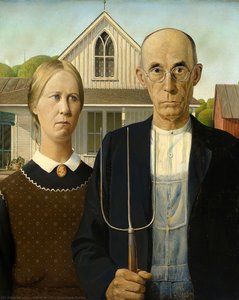
Grant Wood & American Regionalism: Identity, Myth & the Rural Landscape
Explore the world of Grant Wood & American Regionalism with AllPaintingsStore. Discover the symbolism behind 'American Gothic', recurring themes, and the movement's lasting impact on art history. High-quality reproductions available.

Gothic Art Unveiled: The Dark Beauty and Drama of a Timeless Era
Embark on a journey through the dramatic era of Gothic art. Discover the profound beauty of illuminated manuscripts, sacred gold leaf masterpieces, and the transition to naturalism in this expert-led exploration of medieval artistry and historical grandeur.

The Radiant Dusk of Medieval Vision: Exploring Late Gothic Art's Synthesis of Faith, Form & Emotionality (c. 1300-1500)
Explore the exquisite beauty & spiritual depth of Late Gothic art (c. 1300-1500). Discover key artists, symbolism, and its lasting influence on the Renaissance. Expert insights at AllPaintingsStore.



