

1918. Acrylic.

§ 1Date catalog


§ 2Abstract
Descriere obiect de colecție
French modernist Fernand Léger’s Still Life in the Machine Elements captures the rhythmic energy of industrial forms through geometric abstraction and meticulous detail—a captivating glimpse into 1918's artistic landscape. Explore this iconic piece and bring its timeless beauty into your home.
 Vezi mai mult
Biografie artist
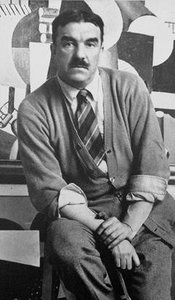
Descoperiți Fernan Léger (1881-1955): Pionier al Cubismului & "Tubism". Admirați picturi îndrăznețe despre viața modernă, mașinării și forma umană – un precursor cheie al Pop Art-ului!
§ 3Comentariu
Still Life in the Machine Elements – A Reflection of Industrial Progress
Fernand Léger’s “Still Life in the Machine Elements,” painted in 1918, transcends mere depiction; it embodies a profound dialogue between tradition and innovation—a characteristic hallmark of Léger's artistic philosophy. Emerging from the fertile soil of Normandy’s rural heritage, Léger embarked on an ambitious journey to translate the burgeoning anxieties and aspirations of the era into a visual language that defied conventional boundaries. This painting isn’t simply about arranging objects; it’s about articulating a worldview shaped by the accelerating pace of industrialization and its transformative influence on human experience.- Subject Matter: The composition centers around a carefully curated assemblage of everyday items – a vase, a bowl, cups, and three clocks – seemingly commonplace yet imbued with symbolic significance. Léger deliberately eschewed the prevailing trend toward pure abstraction, opting instead for a meticulously constructed tableau that anchors its abstract forms in recognizable reality.
- Style: Léger’s style is undeniably geometric, reflecting the dominant aesthetic sensibilities of his time. Bold lines and simplified shapes dominate the canvas, prioritizing structural clarity over illusionistic detail. This approach aligns perfectly with the burgeoning fascination for machine aesthetics – the precision, repetition, and rhythmic patterns inherent in industrial machinery.
Technique & Material Considerations
Léger’s masterful technique involved applying pigment directly onto a primed canvas using a spatula or palette knife. This method—a departure from traditional brushwork—allowed for textured surfaces and expressive layering, contributing to the painting's palpable physicality. The deliberate roughness of the surface mimics the textures found in industrial environments – the metal casings of machines, the concrete foundations of factories – mirroring Léger’s desire to convey not just visual form but also tactile sensation.Historical Context & Influences
Painted during the tumultuous years following World War I, “Still Life in the Machine Elements” speaks directly to the anxieties and uncertainties surrounding the postwar period. The pervasive influence of Futurism—a movement championing speed, dynamism, and technological advancement—is evident in Léger’s stylistic choices. However, Léger distinguishes himself from his Futurist counterparts by grounding his abstraction in a recognizable visual vocabulary. He wasn't merely celebrating machinery; he was grappling with its impact on human consciousness and attempting to capture the essence of this new reality.Symbolism & Emotional Resonance
The inclusion of clocks is particularly noteworthy, symbolizing not just time but also measurement and control—themes central to Léger’s critique of industrial society. Their placement strategically punctuates the composition, emphasizing the relentless march forward while simultaneously hinting at a sense of disorientation. The overall effect is one of contemplative observation – inviting viewers to contemplate the relationship between humanity and technology, and to consider the profound implications of this transformative era.Întrebări și răspunsuri
Ce punct comun are "Still life in the machine elements" cu restul creației lui Fernand Léger?
„Still life in the machine elements” împarte cu celelalte opere ale lui Fernand Léger stilul Cubist Still Life și temele recurente: futurism inspiration, industrial progress reflection, geometric composition emphasis, exploring modern reality.
În ce etapă a carierei lui Fernand Léger se încadrează „Still life in the machine elements” (1918)?
Data din 1918 plasează „Still life in the machine elements” în Mature Period dezvoltării lui Fernand Léger.
Din ce țară provine lucrarea de Cubist Still Life „Still life in the machine elements”?
"Still life in the machine elements" a fost creat de Fernand Léger, născut în Franța, în cadrul mișcării Cubist Still Life. Originea artistului leagă această operă de Cubist Still Life, așa cum este practicat de artiștii din Franța.


 Comută pe versiunea Print


 Pentru opere de artă sau reproduceri care depășesc 105 cm (aproximativ 41 de inch) pe oricare dintre laturi, cadrul va fi livrat demontat, sub formă de kit. Această metodă asigură o livrare sigură și previne deteriorarea în timpul transportului.


