Tinerețe, Familie și Formare
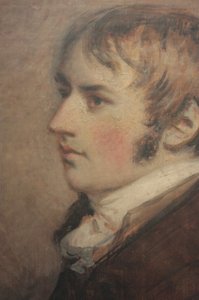
John Constable s-a născut în anul 1776 în satul East Bergholt, din Suffolk. Fiul al doilea al lui Golding și Ann (Watts) Constable, el a crescut într-un mediu definit de activitatea economică a familiei sale. Tatăl său, un comerciant prosper de cereale și cărbune, deținea Flatford Mill. Această legătură strânsă cu râul și cu comerțul local însemna că ritmurile apei și mișcarea mărfurilor erau parte integrantă din viața cotidiană a căminului său. În jurul anului 1792, acesta a început să lucreze în afacerea familiei, învățând aspectele practice ale comerțului cu cereale, înainte ca destinul său să se îndrepte, iremediabil, spre suprafața de pânză.
Formarea sa artistică a început cu adevărat atunci când a fost admis ca elev la Școlile Academiei Regale în 1799. Primii ani de studiu au fost dedicați anatomiei și copiilor după lucrările marilor maeștri, eforturi necesare pentru a înțelege structura profundă a lumii. Această educație formală i-a oferit fundația necesară pentru observațiile sale ulterioare asupra peisajului. Astfel, a navigat între liniștea vieții de fiu de comerciant și studiul riguros al desenului și picturii, găsind în cele din urmă drumul spre Londra pentru a-și urma vocația artistică.
O viață înrădăcinată în Valea Stour
Peisajul copilăriei sale a rămas o prezență constantă, o ancoră spirituală ce l-ar fi urmărit mereu. Născut în East Bergholt, Regatul Unit, John Constable a crescut într-un loc unde fluviul sculpta ritmul cotidian al existenței. Tatăl său, un comerciant de cereale prosper, deținea arrendarea morilor de pe malurile râului Stour și poseda terenuri în cadrul Dedham Vale. Această legătură profundă cu apa și cu pământul nu era doar o chestiune de afaceri, ci o atașment de o viață întreagă. El a păstrat în suflet o nostalgie adâncă pentru satele din Suffolk, precum East Bergholt, Dedham, Stratford St Mary și Langham. Chiar și atunci când viața l-a îndepărtat de aceste locuri, imaginea unei lunci specifice sau modul în care lumina mângâia un anumit mal al râului Stour rămâneau gravate în memoria sa vizuală.
În cele din urmă, destinul l-a atras spre agitația urbană. A locuit în Bloomsbury, la Londra, mutându-se pe strada Keppel în 1817 și, ulterior, pe strada Charlotte în 1822. Aceste străzi urbane erau o lume îndepărtată de liniștea malurilor râului. De asemenea, a petrecut timp în Staffordshire, Derbyshire, în Lake District și la Brighton. În ciuda acestor călătorii, contururile familiare ale Văii Stour au rămas principala sa referință estetică. El a privit lumea prin lentila locurilor pe care le cunoștea cel mai bine, găsind un sentiment de apartenență în pământul umed și în norii migratori ai regiunii natale.
Patronaj, Atelier și Comenzi
Calea către o carieră profesională depinde adesea de introducerile potrivite. Pentru John Constable, acest moment a venit prin intermediul lui George Beaumont, un colecționar care i-a deschis porțile către o nouă perspectivă asupra lumii. Prin intermediul lui Beaumont, artistul a fost introdus în universul lucrilor lui Claude Lorrain, a cărui influență a ajutat la modelarea înțelegerii sale profunde a peisajului. Aceste primele conexiuni au pus temelia pe care a pornit în tranziția de la afacerea de comerț cu cereale a familiei către studiul formal al artei. În anul 1805, el a acceptat o comandă specifică: pictarea unui altarpiece pentru biserica din Brantham.
Prestigijul său în cadrul comunității academice a crescut constant de-a lungul deceniilor. În 1819, a fost ales membru asociat al Royal Academy, un pas care i-a marcat recunoașterea tot mai mare în rândul colegilor săi. Până în 1829, la vârsta de 52 de ani, a ajuns la rangul de Academician Regal. Această evoluție a reflectat o carieră construită pe o observație persistentă și tăcută a lumii din jurul său, evoluând de la comenzi locale către o poziție consacrată în structura instituțională a artei britanice.
Tehnică și Stil Artistic
John Constable nu a apelat la teatralitatea spectaculoasă a bravurii pentru a transmite un mesaj. În schimb, el a căutat o reprezentare autentică a lumii naturale, un demers care a necesitat un proces lent și metodic de observație. Pictorul obișnuia să lucreze în aer liber, utilizând schițele plein air pentru a surprinde modul în care lumina interacționează cu peisajul. Pentru a construi compozițiile sale de mari dimensiuni, acesta se sprijina pe o fundație formată din schițe pictate în ulei, desene cu grafite și studii la acuarelă. Aceste straturi preliminare îi permiteau să analizeze complexitatea unei scene înainte de a se consacra pe pânza finală.
Tratamentul său pictural posedă o greutate fizică palpabilă. Folosind un impasto dens pentru a construi texturi, Constable a creat o metodă ce conferă suprafeței sale un sentiment de mișcare și vitalitate. Această abordare tactilă l-a ajutat să surprindă modul specific în care lumina și atmosfera se schimbă de-a peste un câmp sau un râu. El numia această studiere a luminii și a umbrei „chiaroscuro-ul naturii”, o metodă de a înregistra condițiile reale și schimbătoare ale cerului și ale apei, în locul unei versiuni idealizate a acestora.
Lucrări Cheie și Capodopere
Râul și cerul ocupă o mare parte din viziunea sa artistică. În 1821, a creat The Hay Wain, o scenă a râului Stour care a devenit cea mai recunoscută operă a sa. Adesea, a lucrat pe formate de mari dimensiuni pentru a surprinde mișcarea aerului și a apei, fapt care a dus la o serie de pânze de peste doi metri, precum The Leaping Horse (1825), unde a utilizat schițe preparatorii pe ulei la dimensiuni reale pentru a coordona lumina și compoziția. Aceste lucrări monumentale i-au permis să stăpânească detaliile peisajului înainte de aplicarea finală a vopselei.
Interesul său pentru peisajul local s-a extins asupra proprietăților deținut de mari proprietari și a structurilor care se aflau în interiorul acestora. În 1816, a pictat Wivenhoe Park, capturând armonia rurală a câmpiei Essex. De asemenea, și-a îndreptat atenția către interacțiunea dintre lumină și arhitectură, așa cum se poate observa în Salisbury Cathedral from the Bishop's Grounds, pictată în 1823. Capacitatea sa de a traduce atmosfera unui loc specific se reflecta adesea în modul în care gestiona greutatea norilor și textura pământului.
Unele dintre picturile sale au atins o valoare extraordinară mult timp după finalizarea lor. The Lock (1824) a fost vândută la Christie's în 2012 pentru suma de 22.441.250 lire sterline. Producția sa artistică a inclus diverse alte studii și lucrări finalizate, printre care:
Cercul de influențe, rivali și inspirații
Pășul pincelat al Văii Stour a fost modelat de prezența discretă a flerei maeștri. Operele lui Claude Lorrain și ale lui Jacob van Ruisdael i-au oferit o perspectivă vizuală care se îndepărta de teatralitate. Totodată, acesta a privit spre compozițiile lui Thomas Gainsborough și spre texturile pline de viață ale lui Peter Paul Rubens. Aceste influențe l-au ajutat să transcendă regulile academice rigide ale Academiei Regale, căutând o adevărată esență în umiditatea aerului și în modul în care lumina mângâie suprafața unui râu, în locul scenelor mitologice grandioase preferate de contemporanii săi.
Calea sa artistică a parcurs adesea, în paralel, drumul lui JMW Turner. Cei doi au fost contemporani, iar rivalitatea lor a izbucnit în timpul expozițiilor de la Academia Regală. În timp ce unul tindea spre dramatic și sublim, celălalt rămânea ancorat în peisajele locale, familiare, din tinerețea sa. Această dedicare pentru observarea directă a naturii a ajuns, în cele din urmă, dincolo de Canalul Mânecii. Abordarea sa asupra luminii și a atmosferei a lăsat o amprentă profundă asupra Școlii de la Barbizon în Franța, unde pictorii căutau o conexiune similară cu lumea naturală.
Relațiile personale i-au ghidat, de asemenea, parcursul. John Constable a menținut o legătură strânsă cu John Fisher, nepotul Episcopului de Salisbury, care l-a invitat să locuiască în acea zonă. Aceste prietenii au oferit mai mult decât simple legături sociale; ele i-au deschis porțile către peisajele specifice pe care le-ar fi studiat și pictat timp de ani de zile. Prin intermediul acestor oameni și al acestor locuri, opera sa a devenit o cronică a unei realități autentice, trăite cu intensitate.
Anii de la sfârșit și moartea
Anii care au urmat căsătoriei sale cu Maria Bicknell în 1816 au fost marcați de o schimbare profundă a sentimentului de apartenență. Deși opera sa rămânea strâns legată de râu și de câmpurile tinereții sale, viața sa a început să se îndepărteze spre agitația urbană. Până în 1827, se stabilise definitiv în Hampstead, Londra. Această perioadă a fost umbrită de declinul sănătății Mariei, care a murit de tuberculoză în 1828, un eveniment care a lăsat o amprentă dureroasă asupra existenței sale. În ciuda suferinței, John Constable a continuat să picteze, găsind adesea consolare în lumina mutabile a peisajelor pe care le studiasese de decenii.
Ultimele sale ani de viață au fost petrecuti în Bloomsbury, Londra. El și-a păstrat devotamentul față de artă, navigând printre complexitățile vieții personale și cerințele fizice impuse de mediul său de lucru. Pe 31 martie 1837, John Constable a încetat viața în Bloomsbury. A fost înmormântat în cimitirul bisericii St John's din Hampstead, un loc care devenise, în anii săi de la sfârșit, adevăratul său cămin.
Moștenire și Influență
Purtând privirea asupra lucrurilor comune din mediul rural englezesc, John Constable a schimbat modul în care peisajul era perceput. El s-a îndepărtat de scenele teatrale și idealizate, preferate de academii, alegând în schimb să găsească profunzime în banal. Un căruț de fân sau o simplă clădire de fermă au devenit subiecte demne de o studiere atentă. Această schimbare a ajutat la mutarea focalizării picturii de la marile narațiuni mitologice către o reprezentare autentică a lumii naturale. El a demonstrat că un peisaj poate purta un sentiment profund de emoție personală, transformând o vedere a unui râu sau a unei pampuri într-un mod de a exprima stări interioare.
Obiceinul său de a lucra în aer liber pentru a surprinde modul în care lumina lovește norii și umiditatea din aer a lăsat o amprentă asupra celor care l-au urmat. Această dedicare observării directe și a studiului efectelor atmosferice a anticipat multe dintre preoccupările pictorilor impresionist de mai târziu. Influența sa a traversat Canalul înspre Franța, unde abordarea sa a rezonat cu Școala de la Barbizon. Acești artiști au împărtășit interesul său pentru pictura „din viață” și pentru observarea calităților imediate și schimbătoare ale naturii. Opera sa rămâne o punte către un mod de a vedea care prioritizează textura reală a pământului și lumina mutante a cerului.
Unde pot fi admirate astăzi lucrările sale
Urmărirea prezenței sale în diverse colecții de artă dezvăluie modul în care viziunile sale asupra peisajului rural englezesc au fost adunate de-a lungul timpului. La Yale Center for British Art din New Haven se află 25 de lucrări ale sale, printre care și o schiță a unui peisaj de lângă Dedham, datată aproximativ în 1802. În Londra, influența sa este simțită în cadrul mai multor instituții de prestigiu. Victoria and Albert Museum păstrează 6 opere, precum o scenă cu construcția de bărți lângă Flatford Mill. National Gallery găzduiește 5 lucrări, inclusiv piesa monumentală The Hay Wain din 1821. Tate Gallery menține 4 opere, printre care un detaliu al lui Flatford Mill din 1817.
Amprenta sa artistică se extinde dincolo de Insulele Britanice, ajungând pe continentul european. Le Louvre din Paris deține 2 lucrări, inclusiv o reprezentare a lui Helmingham Dell. Aceste piese demonstrează diversele modalități prin care a reușit să surprindă lumina și atmosfera, de la norii grei care plâng deasupra râului Stour, până la colțurile liniștite ale unui sat. Admirarea acestora în aceste cadre diverse oferă posibilitatea unei priviri aprofundate asupra modului în care a utilizat straturi groase de pictură pentru a construi textură pe pânză.
The Hay Wain (1821)
Salisbury Cathedral from the Meadows (1831)
The Lock (1824)
Stonehenge at Sunset (1836)
Wivenhoe Park, Essex (1816)


 Vezi mai mult




 Comută pe versiunea Print


 Pentru opere de artă sau reproduceri care depășesc 105 cm (aproximativ 41 de inch) pe oricare dintre laturi, cadrul va fi livrat demontat, sub formă de kit. Această metodă asigură o livrare sigură și previne deteriorarea în timpul transportului.