


 Vezi în context
 Trimite
 Distribuie
 Detalii
 Guide
Guide

 Descarcă
 Produse similare
 Radiografie
 Diaporama
 Statistici
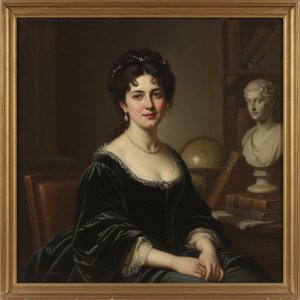
Reverie Far Away Thoughts
 Oil On Canvas
- WallArt
- Academic Painting
 1874
1874- 19th Century
 25.0 x 13.0 cm
 Doncaster Museum And Art Gallery
 Citește mai mult
Reproducere pictată manual în ulei
Pictură în ulei pe pânză, realizată manual de artiștii noștri la dimensiunea și ramele dorite de dumneavoastră, pe comandă. ( Comută pe versiunea Print Treci la imagine digitală)




P118B $10

P118H $10

P118W $10

P438Z $10

P508JH $12

P508YH $12

P805H $10

P805Z $10

P919BZ $10

P919G $10

P919XJ $10

P959ZH $10

P968JZ $12

W106C $8

W218G $10

W218JH $8

W218Y $10

W307PJ $10

W316G $10

W316PJ $8

W316Y $10

W398PJ $8

W4111J $10

W500HY $15

W500JH $15

W692G $12

W849H $8

W940BG $15

W953PJ $8




Alegeți dintre dimensiunile noastre prestabilite, care respectă proporțiile originale ale operei de artă.

Puteți introduce propriile dimensiuni pentru a se potrivi unui anumit cadru sau spațiu. Dacă dimensiunea selectată nu corespunde proporțiilor imaginii originale, vom decupa opera de artă sau vom extinde pictura cu elemente suplimentare pictate manual. O simulare digitală vă va fi trimisă pentru aprobare înainte de începerea producției.
Vă rugăm să rețineți că previzualizarea de pe ecran nu reflectă decuparea sau extinderea reală. Doar macheta va arăta cu exactitate compoziția finală.
Deși sunt disponibile dimensiuni personalizate, vă recomandăm să selectați o dimensiune din lista predefinită pentru a păstra proporțiile originale.
După plasarea comenzii, echipa AllPaintingsStore.com va contacta clientul prin e-mail pentru instrucțiuni și îi va furniza o previzualizare a machetei
Livrare în întreaga lume () în 3-4 săptămâni, în loc de cele 5 săptămâni standard. (21 Septembrie). Fără compromisuri în ceea ce privește calitatea.

Livrare expres gratuită la nivel mondial

Pânză de in premium

Asigurare completă pentru transport

Garanție de rambursare a taxelor vamale

Garanția fidelității culorilor

Politica de retur în 100 de zile (doar pentru defecte)

Garanție de rambursare 100%

Reducere pentru comenzi multiple
 Opțiunea cu sticlă este disponibilă doar pentru dimensiuni de sub 110 cm

Reverie Far Away Thoughts
Tip de reproducere
Dimensiune reproducere
-


Preț total
$ 258
A Moment of Quiet Contemplation: Reverie Far Away Thoughts by Lawrence Alma Tadema
Lawrence Alma Tadema’s “Reverie Far Away Thoughts,” painted in 1874, is more than a simple portrait; it's a meticulously crafted tableau of Victorian domesticity and the profound solitude of intellectual pursuit. Measuring a modest 25 x 13 cm, this oil on canvas work transports us to a moment frozen in time – a young woman lost within the pages of a book, bathed in the soft glow of an unseen window.
- Subject and Composition: The central figure, a young woman seated with an ornate lace collar, dominates the frame. Her posture suggests absorption, her gaze fixed on the text, inviting the viewer to share in her quiet contemplation. The slightly off-center placement adds a subtle dynamism to the otherwise static scene, drawing our attention directly to the subject’s internal world.
- Style and Influences: Tadema firmly established himself within the late 19th-century academic tradition, a style characterized by its rigorous realism and detailed observation of everyday life. This piece echoes the prevalent Victorian interest in portraying domestic scenes with an almost photographic accuracy, reflecting the burgeoning middle class’s desire to document their lives and values.
Technical Mastery: The Language of Oil Paint
Tadema's skill lies not just in his subject matter but also in his masterful technique. He employed a layered glazing method – applying thin, translucent layers of oil paint – to build up tone and detail with remarkable precision. This approach allowed him to achieve the smooth surface texture observed here, capturing the subtle nuances of fabric (the delicate lace), wood grain, and paper with astonishing fidelity. The diffused lighting, emanating from an unseen source, further enhances the sense of realism, casting gentle shadows that define form and volume, creating a truly immersive experience.
- Color Palette: The predominantly blues and browns evoke a mood of calm and seriousness, aligning with the themes of introspection and intellectual engagement.
- Perspective & Depth: Shallow perspective creates intimacy, drawing the viewer into the scene’s quiet sanctuary. Layering objects – books, furniture, architectural elements – subtly recedes into the background, reinforcing the sense of depth and spatial realism.
Symbolism and Emotional Resonance
"Reverie Far Away Thoughts" transcends a mere portrait; it's imbued with symbolic weight. The act of reading itself represents intellectual pursuit, introspection, and perhaps even a retreat from the demands of daily life. The woman’s solitary activity speaks to the burgeoning individualism of the Victorian era, while the opulent setting hints at wealth and privilege. Tadema skillfully captures not just a likeness but also an emotional state – a moment of serene contemplation, inviting us to pause and reflect alongside her.
Historical Context & Legacy
Painted in 1874, this work reflects the social and artistic currents of its time. Tadema was one of the leading figures in the English Pre-Raphaelite movement, though he ultimately distanced himself from its more overtly romantic tendencies. His focus on realistic depictions of everyday life, combined with his technical virtuosity, cemented his reputation as a master portraitist. “Reverie Far Away Thoughts” stands as a testament to Tadema’s enduring legacy – a beautiful and evocative image that continues to resonate with viewers today.
Opere similare


Biografie artist
Early Life and Artistic Beginnings
Lourens Alma Tadema, mai târziu Lawrence Alma Tadema, s-a născut în Dronryp, Friesland, Țările de Jos, pe 8 ianuarie 1836. Tatăl său, Pieter Jiltes Tadema, notar local, avea trei băieți din prima căsătorie și mama sa, Hinke Dirks Brouwer, era sora jumătate a soției sale primului soț. Familia Tadema s-a mutat în Leeuwarden în 1838, unde Pieter a obținut o poziție mai profitabilă ca notar. Tatăl său a murit când Laurens avea patru ani, lăsând-o pe mama sa cu cinci copii: Laurens, sora sa și trei băieți din primul soț al lui Pieter. Hinke Brouwer avea aspirații artistice și a decis să includă lecțiile de desen în educația copiilor. A primit primele sale instruiri de artă de la un maestru local angajat să le predea pe cei mai mari dintre frații săi jumătate. Era intenționat ca Laurens să devină avocat, dar în 1851 a suferit o criză fizică și mentală. Diagnosticit cu consumție, fiind dat doar câteva luni de viață, i-au fost permise să își petreacă zilele rămase la eliberare, desenând și pictând. Lăsat pe seama propriei sale inițiative, a recuperat sănătatea și a decis să urmeze o carieră în artă. În 1852 s-a înscris la Academia Regală din Antwerpen, unde a studiat maeștri olandezi și flamande timpurii, absorbând în același timp detaliile minuțioase cerute de acuratețea istorică. În cei patru ani petrecuți ca student înregistrat la Academie, Laurens a câștigat mai multe premii respectabile. Înainte de a pleca din școală, spre sfârșitul anului 1855, a devenit asistentul pictorului Louis Jan de Taeye, cursurile despre istorie și costume istorice pe care le-a apreciat foarte mult la Academie. De Taeye i-a prezentat cărți care au influențat dorința sa de a reprezenta subiecte merovingiene devreme în carieră. I s-a încurajat să descrie acuratețe istorică în picturile sale, o trăsătură pentru care artistul a devenit cunoscut. Laurens Tadema a luat această critică foarte în serios și aceasta l-a determinat să își îmbunătățească tehnica și să devină cel mai bun pictor din lume al marmurei și al granitelor varioate.Exploring Antiquity: Merovingian Mysteries and Egyptian Visions
Laurens Alma Tadema’s artistic trajectory began with explorations of Merovingian themes—the Frankish dynasty that ruled after the fall of the Western Roman Empire. These early works, though demonstrating his burgeoning talent for historical detail and narrative composition, didn’t achieve the widespread acclaim he would later find. He was encouraged to depict historic accuracy in his paintings, a trait for which the artist became known. However Merovingian subjects did not have a wide international appeal, so he switched to themes of life in ancient Egypt, then to the classical world of Greece and Rome. This transition wasn’t arbitrary; it reflected a growing public appetite for romanticized visions of antiquity, fueled by archaeological discoveries and a Victorian fascination with moral lessons drawn from the past.The Architect of Atmosphere: Detail and Light
What truly set Alma Tadema apart was his unparalleled ability to create atmosphere. He wasn't just painting objects; he was capturing the very *feeling* of sunlight on marble, the coolness of mosaic floors underfoot, the gentle murmur of fountains in a Roman atrium. This mastery stemmed from an obsessive attention to detail and a deep understanding of materials. He meticulously researched ancient architecture, furniture, and clothing, ensuring that every element within his compositions was historically plausible. But beyond accuracy, he possessed a remarkable talent for rendering light and texture. His marble gleamed with a lifelike luminosity, his fabrics flowed with graceful realism, and his water shimmered with captivating clarity. This dedication to verisimilitude wasn’t merely about technical skill; it was about creating an illusion of reality so convincing that viewers felt transported to another time and place. He even went as far as to build miniature models of the settings he intended to paint, ensuring perfect perspective and architectural accuracy.The Roman Ideal: Opulence and Grandeur
Alma-Tadema’s most celebrated works depict scenes from the Roman Empire—a period that held an enduring fascination for Victorian England. He didn't simply recreate historical events; instead, he constructed idealized visions of Roman life, filled with luxurious interiors, elaborate costumes, and a pervasive sense of leisure and decadence. His paintings are not portraits of history but rather carefully crafted fantasies, designed to evoke the grandeur and sophistication of a bygone era. The use of rich colors, intricate patterns, and meticulously rendered details—from the folds of silk drapery to the gleam of polished marble—created an immersive experience for the viewer, transporting them to a world of opulent beauty.Influence and Legacy
Despite a somewhat belated recognition during his lifetime, Alma-Tadema’s work gained considerable popularity in the 20th century, particularly after World War II. His meticulous realism and atmospheric effects were admired by critics and collectors alike, establishing him as one of the most important figures in Victorian painting. He influenced generations of artists with his dedication to detail and his ability to capture the essence of a bygone era. Today, his paintings are exhibited in major museums around the world, and his legacy continues to inspire artists and art lovers who appreciate the beauty and technical skill of classical representation. His depictions of Roman life profoundly influenced popular perceptions of antiquity, shaping how generations imagined the world of emperors, gladiators, and philosophers.Laura Theresa Alma-Tadema
Laura Theresa Alma-Tadema, Lady Alma-Tadema (născută 16 aprilie 1852, Londra, Regatul Unit al Marii Britanii și Irlandei – decedată pe 15 august 1909, Hindhead, Anglia, Regatul Unit al Marii Britanii și Irlandei) a fost o pictoriță engleză specializată în realizarea picturilor de scene domestice și a unor scene cu femei și copii. Optsprezece dintre picturile ei au fost expuse la Royal Academy. Soțul ei, Lawrence Alma-Tadema, a fost și el pictor.
lourens alma tadema
1836 - 1912 , Olanda
Informații rapide
- Artistic Movement Or Style: Pictură victoriană
- Artists Or Movements Influenced By This Artist: ['Romanticism']
- Artists Who Influenced This Artist: ['Louis Jan de Taeye']
- Date Of Birth: 8 ianuarie 1836
- Date Of Death: 25 iunie 1912
- Full Name: Lourens Alma Tadema
- Nationality: Olandez
- Notable Artworks:
- A Kiss
- Ask Me No More
- A Coign of Vantage
- Place Of Birth: Dronryp, Olanda
Articole conexe
Timeless Elegance: The Art of Classical Portraiture Explained
Explore the profound beauty of classical portraiture. From Netherlandish realism to 19th-century mastery, discover the techniques, symbolism, and enduring elegance that define the world's most iconic painted legacies.


