Previzualizare
 Trimite
 Distribuie
 Detalii despre lucrare

 Descarcă
 Produse similare
 Radiografie
 Diapozitive automate
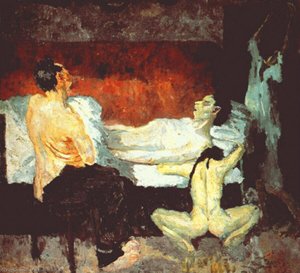
Day and Dream. Magic Mirror
 Acrylic On Canvas
- WallArt
- Expressionist Modernism
 1946
1946- Early Modern
 31.0 x 22.0 cm
 Vezi mai mult
Giclée / Imprimare artistică
Printuri giclée sau pe canvas de calitate muzeală, cu proces de producție rapid și opțiuni flexibile de finisare. ( Comandă pictură lucrată manual Cumpără imaginea)




P118B $10

P118H $10

P118W $10

P438Z $10

P508JH $12

P508YH $12

P805H $10

P805Z $10

P919BZ $10

P919G $10

P919XJ $10

P959ZH $10

P968JZ $12

W106C $8

W218G $10

W218JH $8

W218Y $10

W307PJ $10

W316G $10

W316PJ $8

W316Y $10

W398PJ $8

W4111J $10

W500HY $15

W500JH $15

W692G $12

W849H $8

W940BG $15

W953PJ $8




Alegeți dintre dimensiunile noastre prestabilite, care respectă proporțiile originale ale operei de artă.

Puteți introduce propriile dimensiuni pentru a se potrivi unui anumit cadru sau spațiu. Dacă dimensiunea selectată nu corespunde proporțiilor imaginii originale, vom decupa lucrarea de artă sau vom extinde imaginea cu margini oglindite sau cu o culoare uniformă. Un mockup digital va fi trimis pentru aprobarea dumneavoastră înainte de începerea producției.
Vă rugăm să rețineți că previzualizarea de pe ecran nu reflectă decuparea sau extinderea reală. Doar mockup-ul va arăta cu exactitate compoziția finală.
Deși dimensiunile personalizate sunt disponibile, vă recomandăm să selectați o dimensiune din lista predefinită pentru a păstra proporțiile originale.
Livrare în întreaga lume () în 2 săptămâni, în loc de cele 4/5 săptămâni standard. (18 August)

Livrare expres gratuită la nivel mondial

Pânză de in de înaltă calitate

Asigurare completă pentru transport

Garanție de rambursare a taxelor vamale

Garanția fidelității culorilor

Politica de retur în 60 de zile (doar pentru defecte)

Garanție de rambursare 100%

Ofertă pentru comenzi multiple
 Opțiunea cu sticlă este disponibilă doar pentru dimensiuni de sub 110 cm

Day and Dream. Magic Mirror
Giclée / Imprimare artistică
Dimensiune reproducere
-


Preț total calculat
$ 64
Descriere obiect de colecție
Max Beckmann's "Day and Dream. Magic Mirror" – A Study in Disquiet
This meticulously crafted hand-painted reproduction of Max Beckmann’s “Day and Dream. Magic Mirror” (1946) offers a profound glimpse into the artist’s intensely personal and psychologically charged vision. Executed on archival quality paper with exacting attention to detail, this artwork transcends mere representation; it is an exploration of identity, reflection, and the unsettling nature of perception itself. Beckmann, born in Leipzig in 1884, was a pivotal figure in 20th-century art, moving from early academic training to a powerfully expressive style marked by distortion and fragmentation – a direct response to his experiences during World War I.
- Subject Matter: The scene depicts a solitary woman confronting her reflection within a mirror. This seemingly simple composition is layered with complex symbolism, inviting viewers to contemplate the nature of self-awareness and the potential for illusion.
- Style & Technique: Beckmann’s technique is characterized by bold lines, flattened perspective, and a deliberate rejection of traditional realism. The use of stark black and white amplifies the emotional intensity, creating a sense of claustrophobia and unease. Notice the meticulous rendering of textures – the smooth surface of the mirror contrasting with the rough fabric of the chairs – adding to the artwork’s tactile quality.
Historical Context & Beckmann's Vision
Created in 1946, “Day and Dream. Magic Mirror” emerged from a period of profound upheaval in Europe following World War II. Beckmann’s artistic trajectory was deeply influenced by the trauma of war and his experiences as a medical orderly during the conflict. This led to a shift in his style – moving away from representational accuracy towards a more subjective and emotionally driven approach. His work echoes the anxieties and uncertainties of the post-war era, reflecting a fractured sense of reality and a questioning of established values. Beckmann’s artistic lineage is equally significant; he drew inspiration from medieval stained glass, particularly the symbolic imagery found in Bosch and Grünewald, alongside influences from Cézanne, Van Gogh, Blake, Rembrandt, and Rubens – creating a unique synthesis that anticipates both Expressionism and Surrealism.
- Medieval Symbolism: The mirror itself is a potent symbol, harking back to medieval iconography where mirrors were often associated with divine revelation and the soul’s journey.
- Expressionist Roots: Beckmann's distortion of form anticipates the key tenets of Expressionism, prioritizing emotional impact over objective representation.
Symbolic Layers & Emotional Resonance
The inclusion of two additional figures – one on either side of the woman – adds another layer of complexity to the scene. These ambiguous presences could represent memories, anxieties, or perhaps even distorted versions of the self. The dining table, a recurring motif in Beckmann’s work, suggests themes of social interaction and isolation. The overall effect is deeply unsettling, prompting viewers to confront uncomfortable questions about identity, perception, and the fragility of human experience. “Day and Dream. Magic Mirror” isn't merely a depiction; it’s an invitation to engage with the darker aspects of the human psyche.
- The Mirror as Metaphor: The mirror serves as a powerful metaphor for self-reflection, but also for the potential for deception and illusion.
- Emotional Impact: This artwork evokes feelings of melancholy, introspection, and perhaps even a sense of dread – qualities that have long defined Beckmann’s most compelling works.
Perfect for Interior Design & Art Collection
This hand-painted reproduction of “Day and Dream. Magic Mirror” is more than just a beautiful image; it's an investment in art history and a statement of sophisticated taste. Its compact size (31 x 22 cm) makes it ideal for a variety of settings, from a study or bedroom to a gallery wall. The high-quality materials and meticulous craftsmanship ensure that this reproduction will retain its beauty and value for years to come. Bring the profound vision of Max Beckmann into your home or office – a timeless piece that continues to challenge and inspire.
Opere similare


Biografie artist
early life and artistic development
Max Beckmann, a renowned german painter, draftsman, printmaker, sculptor, and writer, was born on february 12, 1884, in leipzig, saxony. his artistic journey began with academically correct depictions, which later transformed into distorted figures and spaces, reflecting his altered vision of humanity after serving as a medical orderly in world war i. Beckmann's style, rooted in the imagery of medieval stained glass, was influenced by various artists, including cézanne, van gogh, blake, rembrandt, and rubens. he also drew inspiration from northern european artists of the late middle ages and early renaissance, such as bosch, bruegel, and matthias grünewald. Beckmann's formative years were marked by a dedication to mastering traditional techniques and absorbing the stylistic precepts of established masters—a pursuit that would ultimately propel him toward a radically innovative artistic path. His initial works showcased meticulous attention to detail and adherence to classical conventions, mirroring the prevailing aesthetic sensibilities of his time. However, this careful craftsmanship soon yielded to a profound shift in perspective as he confronted the horrors of trench warfare, an experience that irrevocably altered his worldview and fueled his desire to express the psychological complexities inherent in human existence.artistic style and influences
Beckmann's distinctive artistic style emerged from a confluence of diverse inspirations—primarily stemming from the expressive fervor of Expressionism but also incorporating elements of Surrealism and Byzantine iconography. He meticulously studied the works of artists such as cézanne, van gogh, blake, rembrandt, and rubens—artists who championed emotional intensity and subjective experience as paramount to artistic endeavor. Furthermore, Beckmann's gaze turned toward the unsettling visions of northern european artists of the late middle ages and early renaissance, notably bosch, bruegel, and matthias grünewald—artists whose art explored themes of morality, death, and the grotesque with unflinching honesty. These influences coalesced into a singular artistic idiom characterized by angular figures, flattened perspectives, and jarring color palettes—a stylistic hallmark that would define Beckmann's oeuvre for decades to come.notable works and exhibitions
Beckmann’s artistic legacy rests upon a monumental body of work encompassing paintings, prints, sculptures, and literary endeavors. Among his most celebrated creations are *The Bark*, acquired by the national gallery in berlin—a haunting depiction of human vulnerability against the backdrop of an indifferent cosmos—and *Self-Portrait in Tuxedo*, purchased in 1928—a psychologically astute portrayal of introspection and artistic ambition. Beckmann’s retrospective exhibitions at the städtische kunsthalle mannheim (1928) and in basle and zurich (1930) solidified his position as a pivotal figure within the Expressionist movement, garnering critical acclaim and establishing him as one of the foremost artists of his generation. These exhibitions showcased the breadth and depth of Beckmann’s artistic vision—spanning from monumental canvases imbued with symbolic resonance to intimate portraits reflecting profound psychological insight.later life and exile
Beckmann's personal trajectory mirrored the turbulent political landscape of germany during the interwar period, culminating in a dramatic episode marked by persecution and displacement. Following the ascension of adolf hitler to power, Beckmann experienced firsthand the chilling consequences of artistic intolerance—his dismissal from the art school in frankfurt and the confiscation of over 500 of his artworks representing an irreparable loss for him and for german culture. Forced into exile in amsterdam for ten years, Beckmann endured considerable hardship while grappling with the existential anxieties engendered by the looming shadow of nazism. Despite facing insurmountable obstacles—including visa denials and governmental restrictions—Beckmann persevered in his artistic pursuits, producing a prolific output during his time abroad, notably including the monumental triptychs *Acrobats*, *Christ and the Woman Taken in Adultery*, and *New Objectivity*.legacy
Beckmann’s enduring influence extends beyond the realm of visual art—he served as an inspiring mentor to numerous aspiring artists, fostering a generation of creatives committed to confronting social injustices and exploring the complexities of human consciousness. His retrospective at the city art museum, saint louis (1948)—the first major exhibition of his work in the united states—marked a watershed moment in american art history, introducing Beckmann’s groundbreaking aesthetic principles to a wider audience. Max Beckmann's unwavering dedication to artistic integrity and his unflinching engagement with profound philosophical questions cemented his place as one of germany’s most significant artists—a figure whose oeuvre continues to resonate with audiences worldwide.
Max Beckmann
1884 - 1950 , Germania
Detalii rapide
- Artistic Movement Or Style: Expressionism
- Artists Or Movements Influenced By This Artist: ['Rembrandt']
- Artists Who Influenced This Artist:
- Georges Seurat
- Vincent van Gogh
- Date Of Birth: Feb 12, 1884
- Date Of Death: Dec 27, 1950
- Full Name: Max Carl Friedrich Beckmann
- Nationality: German
- Notable Artworks:
- The Bark
- Self-Portrait in Tuxedo
- Place Of Birth: Leipzig, Germany
Articole similare

Top 10 Capodopere Alb-Negru: Frumusețe Atemporală în Artă | AllPaintingsStore.ro
Descoperă top 10 picturi celebre dominate de alb, de la Monet la Kandinsky! Explorează istoria artei, tehnicile artistice și frumusețea atemporală a capodoperelor clasice. Reproduceri de calitate muzeală pe AllPaintingsStore.com – inspiră-ți decorul!

Top 10 Tablouri Celebre Dominante de Negru: Artă, Istorie și Decor Rafinat
Descoperă Top 10 tablouri celebre dominate de negru! Explorează istoria, simbolismul și tehnicile artistice ale unor opere iconice de Rembrandt, Goya și alți maeștri. Reproduceri de artă de calitate muzeală pe AllPaintingsStore.com – inspiră-ți decorul!

Giclée Prints: Archival Quality & Aesthetic Nuances for the Discerning Collector
Explore the world of giclée prints with AllPaintingsStore. Learn about archival quality, aesthetic nuances & investment potential. Expert guidance for discerning art collectors seeking museum-quality reproductions and lasting value.

Beyond Color: The Timeless Power and Artistry of Black and White Photography
Explore the profound artistry of black and white photography. From the chemistry of gelatin silver to the chiaroscuro of the Old Masters, discover how monochrome captures the eternal essence of light, form, and emotion for the discerning art collector.

Monochrome Visions: Exploring the Aesthetic & Historical Significance of Black & White Photography
Explore the rich history & artistic power of black and white photography. From early techniques to iconic masters like Ansel Adams, discover why monochrome continues to captivate art lovers today. Expert insights for collectors.