


 Previzualizare
 Trimite prin felicitare
 Distribuie
 Detalii despre lucrare
 Ghid
Ghid

 Descarcă imaginea
 Produse similare
 Radiografie
 Galerie foto
 Întrebări și răspunsuri
 Statistici
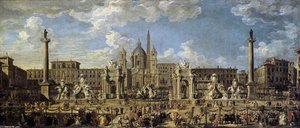
St Peter's, Rome

- 168.0 x 220.0 cm


 Vezi mai mult
Giclée / Imprimare artistică
Printuri giclée sau pe canvas de calitate muzeală, cu proces de producție rapid și opțiuni flexibile de finisare. ( Comandă pictură realizată manual Comută pe Imagine Digitală)




P118B lei10

P118H lei10

P118W lei10

P438Z lei10

P508JH lei12

P508YH lei12

P805H lei10

P805Z lei10

P919BZ lei10

P919G lei10

P919XJ lei10

P959ZH lei10

P968JZ lei12

W106C lei8

W218G lei10

W218JH lei8

W218Y lei10

W307PJ lei10

W316G lei10

W316PJ lei8

W316Y lei10

W398PJ lei8

W4111J lei10

W500HY lei15

W500JH lei15

W692G lei12

W849H lei8

W940BG lei15

W953PJ lei8




Alegeți dintre dimensiunile noastre prestabilite, care respectă proporțiile originale ale operei de artă.

Introduceți lățimea și înălțimea necesare pentru a se potrivi ramei sau peretelui dumneavoastră. O printare poate fi doar tăiată, niciodată extinsă dincolo de dimensiunea imaginii originale, astfel încât o dimensiune cu o formă diferită va pierde o parte din imagine. Vă trimitem o simulare digitală pentru aprobare înainte de a imprima orice. Imaginea afișată pe această pagină nu prezintă tăierea reală — doar simularea arată acest lucru.
Livrare în întreaga lume () în 2 săptămâni, în loc de cele 4/5 săptămâni standard. (6 Noiembrie)

Livrare expres gratuită la nivel mondial

Pânză de in de înaltă calitate

Asigurare completă pentru transport

Garanție de rambursare a taxelor vamale

Garanția fidelității culorilor

Politica de retur în 100 de zile (doar pentru defecte de fabricație)

Garanție de rambursare 100%

Ofertă pentru comenzi multiple
 Opțiunea cu sticlă este disponibilă doar pentru dimensiuni de sub 110 cm

St Peter's, Rome
Giclée / Imprimare artistică
Dimensiune reproducere
-


Preț total calculat
lei 311
St Peter's Basilica by Viviano Codazzi – A Baroque Masterpiece
Viviano Codazzi’s “St Peter’s, Rome” stands as an exceptional testament to the grandeur and artistic fervor of the Italian Baroque period (roughly 1600-1750). Painted in 1630, this monumental oil on canvas resides within the Museo Nacional del Prado in Madrid, Spain, offering visitors a breathtaking glimpse into Codazzi’s unparalleled skill at capturing architectural magnificence. More than just a depiction of a building, it's an immersive experience of Roman spirituality and artistic ambition.A Vision of Baroque Grandeur
Codazzi expertly employs techniques characteristic of the Baroque style—primarily chiaroscuro—to illuminate the basilica’s imposing façade. Dramatic contrasts between light and shadow sculpt the stone surfaces, emphasizing the monumental scale of St Peter's and conveying a palpable sense of drama. The artist meticulously renders textures, from the rough-hewn granite of the lower walls to the polished marble of the upper tiers, demonstrating an astonishing level of detail that would have captivated audiences accustomed to theatrical presentations of art. This masterful manipulation of light contributes significantly to the painting’s emotional impact, fostering a feeling of awe and reverence.Historical Context: Rome Under Papal Patronage
The commission for “St Peter’s” reflects the immense influence wielded by the papacy during this era. Michelangelo Buonarroti's groundbreaking dome—a feat of engineering and artistic innovation—had been completed just decades prior, establishing St Peter’s as a symbol of papal authority and spiritual aspiration. Codazzi’s painting captures this moment in history, portraying the basilica not merely as a religious edifice but as an embodiment of Rome’s cultural prestige and artistic prowess. It served as inspiration for many artists of the time, cementing Codazzi's legacy as one of the foremost Baroque architectural painters.Symbolism Within the Landscape
Beyond its architectural representation, “St Peter’s” incorporates elements that resonate with broader symbolic meanings. The expansive Roman landscape surrounding the basilica—depicted in muted tones—suggests a connection to classical ideals of harmony and order. This backdrop underscores St Peter's role as the spiritual heart of Christendom, anchoring it firmly within the traditions of antiquity. Codazzi skillfully uses perspective to draw the viewer’s eye towards the dome, reinforcing its central importance and elevating the painting's visual impact.Emotional Resonance: Capturing Divine Majesty
Ultimately, Codazzi succeeds in conveying a profound emotional response—a feeling of sublime beauty and spiritual contemplation. The artist’s meticulous attention to detail combined with his masterful use of chiaroscuro creates an atmosphere that is both captivating and reverent. Viewing “St Peter’s” evokes memories of Michelangelo's dome and the grandeur of Rome, transporting the viewer back to a time when art served as a conduit for faith and artistic excellence. It remains a powerful reminder of the Baroque period's ability to inspire awe and elevate the human spirit.- Artist: Viviano Codazzi
- Year Painted: 1630
- Medium: Oil on Canvas
- Location: Museo Nacional del Prado, Madrid
Further Exploration:
For more information about Viviano Codazzi and his artistic contributions, visit Viviano Codazzi’s Artist Database. You can also delve deeper into the Museo Nacional del Prado's collection at Museo del Prado Website.
Întrebări și răspunsuri
Pot comanda o reproducere în ulei a operei "St Peter's, Rome"?
„St Peter's, Rome” este disponibil ca o reproducere pictată manual în ulei pe pânză de in. Comanda poate fi plasată pe pagina de Reproducere pictată în ulei, cu posibilitatea de a alege dimensiunea dorită.
Cât de armonios interacționează culorile din "St Peter's, Rome"?
"St Peter's, Rome" de Viviano Codazzi prezintă o armonie cromatică Strong Color Unity.
Ce paletă și ce culoare dominantă definesc "St Peter's, Rome"?
"St Peter's, Rome" de Viviano Codazzi utilizează o paletă de culori Neutrals, având culoarea Putty (#edddb4) ca nuanță dominantă.
Opere similare




Biografie artist
The Architect of Baroque Visions
Viviano Codazzi stands as a pivotal figure in the Italian Baroque, an artist whose meticulous architectural paintings and evocative capricci cemented his place within the grand artistic landscape of the seventeenth century. Born in Bergamo, Italy, around 1604, his early life was shaped by the vibrant currents of the era. While biographical details remain somewhat sparse, evidence suggests he moved through the influential artistic circles of Rome and Naples, establishing himself as a master of perspective and light. His journey took him from the northern reaches of Italy to the sun-drenched studios of Naples, where he began to refine his skills in quadratura—the art of architectural perspective—setting the stage for a career defined by structural grandeur and historical nostalgia.
Codazzi’s fame rests primarily upon his architectural paintings, grand compositions that depict Roman ruins and idealized landscapes populated by figures rendered with remarkable realism. Unlike many of his contemporaries who focused on portraiture or mythological subjects, Codazzi dedicated himself to capturing the complexity of the built environment. He possessed a unique ability to breathe life into stone, using dramatic light and shadow to evoke the passage of time. His approach was often collaborative; he skillfully employed bamboccianti—specialized painters adept at creating realistic, everyday figures within architectural backgrounds. This technique, involving luminaries like Michelangelo Cerquozzi and Domenico Gargiulo, ensured a harmonious integration of human presence into monumental spaces, elevating his works beyond mere topographical representations into profound narratives of human existence amidst the ruins of antiquity.
Mastery of Light and Illusion
The technical brilliance of Codazzi lies in his ability to manipulate space and atmosphere. His works often feature capricci—architectural fantasies that blend real landmarks with imagined structures to create a sense of wonder. Through the use of deep shadows and brilliant highlights, he could guide the viewer's eye through labyrinthine corridors and across vast, sunlit piazzas. This mastery of light served not only to define form but also to instill a sense of melancholy and grandeur, reflecting the Baroque fascination with the ephemeral nature of power and the enduring strength of classical heritage.
His development as an artist was marked by several significant milestones:
- The Neapolitan Period: In Naples, Codazzi worked on prestigious commissions, such as those for the Certosa di San Martino, where he honed his ability to depict massive, imposing structures with startling clarity.
- The Madrid Commission: A landmark achievement arrived in 1633 when he undertook a series of four large canvases portraying scenes from Roman history for the Buen Retiro palace in Madrid. This project, which included a dramatic depiction of gladiatorial combat in the Colosseum, showcased his ability to convey epic scale and historical drama.
- The Roman Influence: His later years in Rome allowed him to engage with the city's topographical richness, using architectural treatises and prints to reconstruct the glory of the past for a contemporary audience.
Legacy and Historical Significance
The historical significance of Viviano Codazzi extends far beyond his own lifetime. He was more than just a painter of buildings; he was a storyteller of stone. By bridging the gap between realistic architectural documentation and imaginative fantasy, he paved the way for the 18th-century vedutisti. His influence can be traced directly to later masters such as Giovanni Paolo Panini, who would further refine the genre of the architectural view. Codazzi’s ability to evoke the weight of history through the texture of a crumbling column or the play of light on a marble frieze left an indelible mark on the European tradition of landscape and architectural painting.
Today, his works remain essential for understanding the Baroque psyche—a period caught between the reverence for classical antiquity and the burgeoning realism of the modern age. Through his canvases, we are invited to walk through the ruins of a lost world, experiencing the same sense of awe and contemplation that captivated his original patrons in the courts of Europe. His legacy lives on in every brushstroke that captures the eternal dialogue between humanity and the monuments we leave behind.

Viviano Codazzi
1604 - 1670 , Italy
Detalii rapide
- Full Name: Viviano Codazzi
- Nationality: Italian
- Date Of Birth: 1604
- Date Of Death: 1670
- Place Of Birth: Bergamo, Italy
- Notable Artworks:
- The Pantheon, Rome
- Classical Ruins with Figures in the Evening
- An architectural fantasy
- Artistic Movement Or Style: Baroque
- Artists Who Influenced This Artist: ['Michelangelo Merisi da Caravaggio']
- Artists Or Movements Influenced By This Artist:
- Bartolomeo Gennari
- Giovanni Battista Gaulli
Articole similare

The Dramatic Flourish: Exploring the Baroque Movement's Enduring Legacy in Art History
Explore the dramatic world of Baroque art! Discover iconic artists like Caravaggio & Rubens, defining techniques, and its lasting impact on art history. Expert insights for collectors & enthusiasts at AllPaintingsStore.

Barocul în Splendoare: Cele Mai Reprezentative 10 Capodopere Artistice | AllPaintingsStore.ro
Descoperă splendoarea Barocului! Explorează cele mai importante 10 capodopere ale lui Caravaggio, Rembrandt și Rubens. Află poveștile din spatele picturilor iconice și adu eleganța clasică în casa ta cu reproduceri de artă premium pe AllPaintingsStore.ro

Drama Barocă: Cum să Aduceți Splendoare și Emoție în Interioarele Contemporane
Descoperiți cum să integrați splendoarea stilului baroc în locuința dumneavoastră! Ghid complet cu elemente de design, culori și inspirație pentru interioare luxoase și pline de emoție.

Baroque Classicism: The Grandeur of Order and Drama in 17th-Century Art History
Explore the profound elegance of Baroque Classicism. Discover how 17th-century masters synthesized dramatic emotion with classical order through the lens of the Counter-Reformation and the works of legends like Carlo Maratta and Andrea Sacchi.

The Visceral Stage: Exploring Dramatic Narratives & Emotional Intensity in Baroque Art
Explore the dramatic world of Baroque art! Discover iconic masters like Caravaggio & Rembrandt, their techniques, and the movement's lasting impact. Expert insights for collectors & enthusiasts at AllPaintingsStore.