

- Главная

- Репродукция картины маслом
- jefferson eugene grigsby jr.
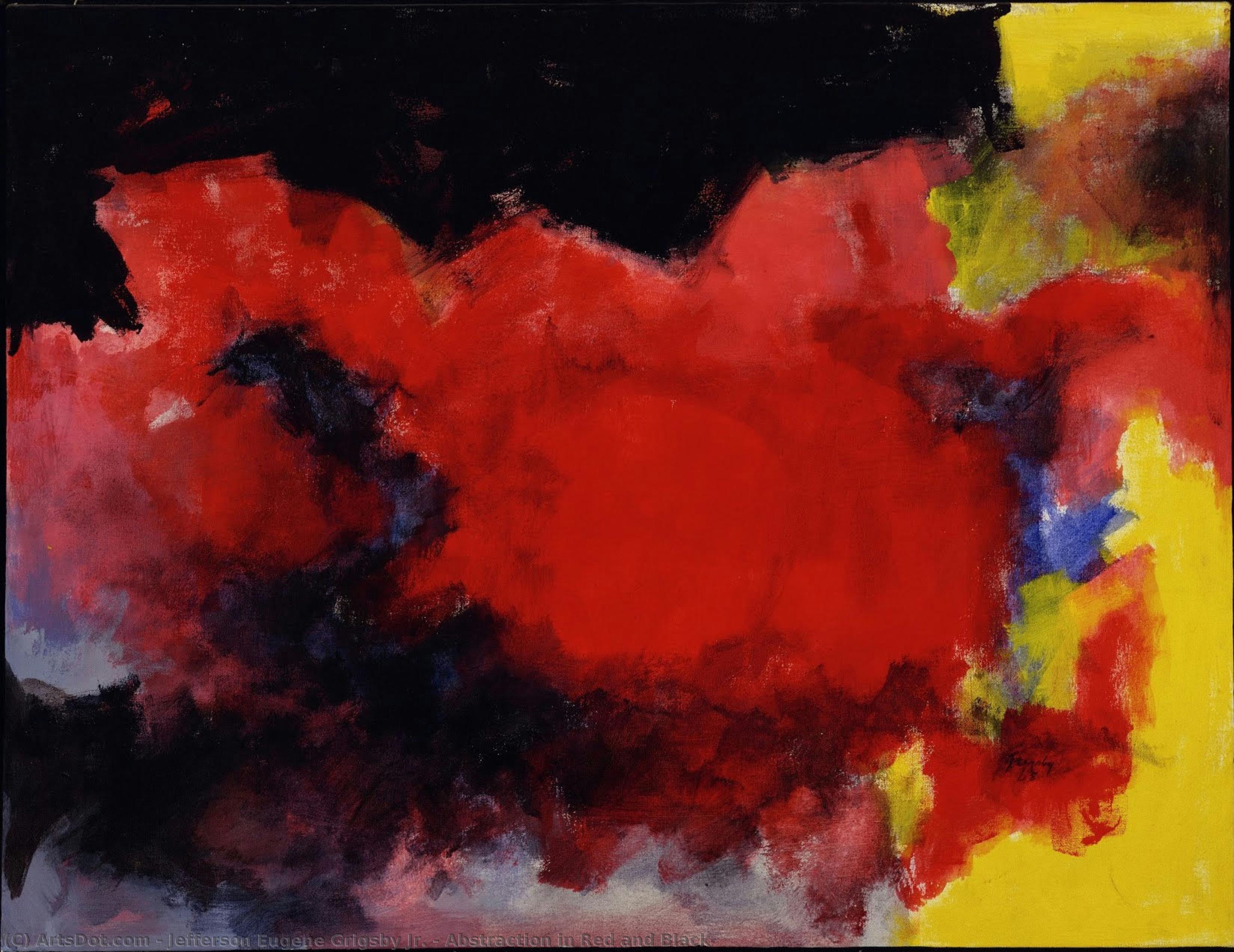
- Abstraction in Red and Black
 Заказать принт Купить цифровое изображение
 Поделиться
 Поделиться
 Детали произведения
 Добавить в избранное

 Скачать
 Похожие работы
 Рентгенография
 Слайд-шоу
Abstraction in Red and Black
 Oil On Canvas
- WallArt
- Abstract Expressionism
 1963
1963- Modern
 Harvey B. Gantt Center for African-American Arts + Culture
 Читать далее
Масляная репродукция ручной работы
Картина маслом на холсте в выбранном вами размере и раме, написанная на заказ нашими художниками.




































Выберите один из наших стандартных размеров, соответствующих оригинальным пропорциям произведения искусства.

Вы можете указать собственные размеры, чтобы картина идеально вписалась в выбранную раму или пространство. Если выбранный вами размер не соответствует пропорциям оригинала, мы либо обрежем полотно, либо расширим его за счет дополнительных элементов, написанных вручную. Цифровой макет будет отправлен вам на утверждение перед началом производства.
Обратите внимание, что предварительный просмотр на экране не отражает фактическую обрезку или расширение. Только макет точно покажет окончательную композицию.
Хотя доступны индивидуальные размеры, мы рекомендуем выбирать вариант из предопределенного списка, чтобы сохранить исходные пропорции.
После оформления заказа команда AllPaintingsStore.com свяжется с клиентом по электронной почте для уточнения деталей и предоставит предварительный макет
Доставка по всему миру () за 3–4 недели вместо стандартных 5 недель. (16 Июль). Без компромиссов в качестве.

Бесплатная экспресс-доставка по всему миру

Высококачественный льняной холст

Полное страхование доставки

Гарантия возмещения таможенных пошлин

Гарантия точного соответствия цветов

Политика возврата в течение 60 дней (только при наличии дефектов)

Гарантия возврата 100% средств

Предложение оптовых скидок
 Вариант со стеклом доступен только для размеров менее 110 см

Abstraction in Red and Black
Техника репродукции
Размер репродукции
-


Итоговая стоимость
-
Описание произведения
A Symphony of Crimson and Shadow
In the realm of mid-century abstraction, few works command the room with such visceral intensity as Abstraction in Red and Black. Created in 1963 by the visionary American artist Jefferson Eugene Grigsty Jr., this masterpiece serves as a profound exploration of color, movement, and raw emotion. At first glance, the viewer is enveloped by a sea of dominant, pulsating red—a hue that breathes with life and urgency. This expansive crimson field is not merely a backdrop but a living entity, punctuated by strategic, rhythmic accents of deep black that anchor the composition. The interplay between these two primal colors creates a magnetic tension, drawing the eye into a swirling dance of shapes that seem to vibrate against the canvas.
The technique employed in this piece speaks to the height of Abstract Expressionism. Utilizing oil on canvas, Grigsby achieved a rich, tactile depth that invites close inspection. The texture is far from uniform; instead, it possesses a sculptural quality where layers of pigment build upon one another to create a sense of physical weight. Through masterful brushwork, the artist orchestrates a central focus surrounded by a constellation of smaller, energetic forms. This arrangement generates a kinetic energy, as if the painting itself is caught in a moment of perpetual motion, making it an ideal centerpiece for those looking to inject a sense of dynamic life into a sophisticated interior space.
The Soul of the Canvas: Context and Emotion
To understand Abstraction in Red and Black, one must look toward the legacy of its creator. J.E. Grigsby Jr. was an artist whose work was deeply informed by his role as a cultural bridge-builder and social advocate. While the painting avoids literal representation, its symbolic language is unmistakable. The choice of red—often associated with passion, struggle, and vitality—juxtaposed against the somber, grounding presence of black, evokes a narrative of resilience and strength. It reflects the turbulent yet transformative era of the 1960s, mirroring the social shifts and the powerful search for identity that defined much of Grigsby’s intellectual and artistic life.
For the discerning collector or interior designer, this artwork offers more than mere decoration; it offers an emotional experience. The painting functions as a focal point of high drama, capable of anchoring a minimalist modern gallery or adding a layer of historical gravity to a contemporary living suite. Its ability to evoke both warmth and intensity makes it a versatile choice for creating a mood of contemplative power. Owning a reproduction of this work is an opportunity to possess a fragment of American art history—a piece that continues to pulse with the same energy and profound message that Grigsby intended over six decades ago.
Похожие произведения



Биография художника
Jefferson Eugene Grigsby Jr.: A Legacy of Color, Justice, and Cultural Bridge
Born in Greensboro, North Carolina, in 1918, Jefferson Eugene Grigsby Jr., later known simply as J.E. Grigsby, was more than just an artist; he was a multifaceted educator, social advocate, and a pivotal figure in bridging artistic traditions across continents. His life’s work, spanning nearly eight decades, is characterized by bold abstract expressionism interwoven with deep-seated commitments to social justice and the celebration of diverse cultural heritages. Grigsby's journey, marked by rigorous academic pursuits and profound engagement with both the art world and his community, ultimately cemented his place as a significant voice in American art history.
Grigsby’s early life instilled within him a deep appreciation for visual expression. Growing up amidst the vibrant cultural landscape of Charlotte, North Carolina, he discovered his passion for art at the tender age of twelve after visiting a neighbor's home and witnessing the walls adorned with works of art. This encounter, facilitated by a stonemason and painter who took him under their wing, ignited a lifelong pursuit. Despite his father’s initial skepticism about a career in art, Grigsby’s mother wholeheartedly supported his artistic aspirations, recognizing the burgeoning talent within her son. His formal education began at Johnson C. Smith University before he transferred to Morehouse College in Atlanta, where he studied under the renowned social activist and artist Hale Woodruff – an influence that would profoundly shape his artistic vision.
A Synthesis of Influences: Harlem Renaissance and Beyond
Grigsby’s artistic style evolved through a rich tapestry of influences. The spirit of the Harlem Renaissance, with its celebration of African American culture and identity, served as a foundational element in his work. However, Grigsby's vision extended far beyond this singular movement. He was deeply impacted by the art of indigenous cultures from North America, Africa, and South America, particularly the Kuba people of the Congo. His doctoral thesis at New York University explored the parallels between the masks of the Kwakiutl Tribe and the Kuba people, demonstrating a keen interest in cross-cultural artistic traditions and their symbolic significance. This research journey broadened his understanding of art as a universal language, transcending geographical boundaries.
Furthermore, Grigsby’s travels as a Fulbright Fellow throughout Africa, South America, Asia, and Europe proved transformative. These experiences exposed him to a vast array of artistic practices and perspectives, solidifying his belief in the interconnectedness of human cultures. He meticulously documented these encounters, incorporating elements of diverse aesthetics into his teaching methods and ultimately informing the themes explored within his paintings. His work became a testament to this global perspective, reflecting a deep respect for cultural heritage and a commitment to fostering cross-cultural understanding.
Thematic Concerns: Social Justice and Community Engagement
Grigsby’s art was not merely aesthetically pleasing; it carried a powerful social message. Throughout his career, he consistently addressed issues of social justice, inequality, and the plight of marginalized communities. His paintings often depicted scenes of hardship, poverty, and systemic oppression, serving as visual commentaries on the realities faced by many Americans. Works like “Will Work for Food” and “Job Seekers” powerfully conveyed the struggles of those struggling to survive in a rapidly changing world.
Beyond his artistic practice, Grigsby was deeply committed to community engagement. He recognized the transformative power of art education and actively sought opportunities to share his knowledge and passion with young people. His tenure at Carver High School in Phoenix, Arizona, where he served as Art Department Chair for eight years, provided a platform for nurturing talent and fostering creativity within the local community. He also established COBA (Consortium of Black Artists and Others for the Arts), an organization dedicated to supporting minority artists and promoting cultural diversity through art exhibitions and educational programs. His dedication extended to initiatives like “Arts in Job Development,” which utilized artistic expression as a tool for vocational training and empowerment.
A Lasting Legacy: Art Education and Cultural Representation
Jefferson Eugene Grigsby Jr.’s impact extends far beyond his individual artwork. He was a pioneering figure in art education, advocating for the inclusion of diverse cultural perspectives within curricula. His 1977 book, *Art & Ethnics*, remains a seminal work in the field, emphasizing the importance of understanding and appreciating the rich tapestry of human cultures through artistic exploration. Grigsby’s commitment to fostering inclusivity and promoting cross-cultural dialogue continues to resonate today.
Grigsby's life exemplified a rare combination of artistic talent, intellectual curiosity, and unwavering social conscience. He passed away in 2013 at the remarkable age of 94, leaving behind a legacy that celebrates both the beauty of art and the importance of using creativity as a force for positive change. His work stands as a testament to his belief that art can be a powerful tool for understanding ourselves, our communities, and the world around us.

jefferson eugene grigsby jr.
1918 - 2013 , United States of America
Основные сведения
- Artistic Movement Or Style: Abstract/Expressionism
- Artists Or Movements Influenced By This Artist: ['Harlem Renaissance']
- Artists Who Influenced This Artist: ['Hale Woodruff']
- Date Of Birth: October 15, 1918
- Date Of Death: June 9, 2013
- Full Name: Jefferson Eugene Grigsby Jr.
- Nationality: American
- Notable Artworks:
- The Family
- Job Seekers
- Place Of Birth: Greensboro, USA
Похожие статьи

Топ-10 шедевров абстрактного экспрессионизма: искусство для вашего интерьера от AllPaintingsStore.com
Погрузитесь в мир абстрактного экспрессионизма! Откройте для себя 10 шедевров Поллока, Ротко и других гениев. История искусства, техники живописи и вдохновение для вашего интерьера от AllPaintingsStore.com. Explore the full collection online!

Марк Ротко: 25 шедевров абстрактного экспрессионизма для вашего интерьера | AllPaintingsStore
Погрузитесь в мир Марка Ротко! 25 шедевров абстрактного экспрессионизма, полных эмоций и цвета. Узнайте историю создания культовых картин и найдите идеальную репродукцию для вашего интерьера на AllPaintingsStore.com.
Топ-25 шедевров Василия Кандинского: Абстрактное искусство для вашего интерьера
Погрузитесь в мир абстрактного искусства с Василием Кандинским! 25 шедевров экспрессионизма, баухауса и русского авангарда. Репродукции картин Кандинского для вдохновения и декора вашего интерьера. Откройте всю коллекцию на AllPaintingsStore.com
Beyond Representation: Exploring the Emotional Landscape of Abstract Expressionism
Explore the profound emotional world of Abstract Expressionism with AllPaintingsStore. Discover key artists like Pollock & Rothko, learn about collecting, and find museum-quality reproductions to inspire your space.

Топ-10 знаменитых картин в черных тонах: шедевры искусства для вашего интерьера
Погрузитесь в мир темных шедевров! Топ-10 знаменитых картин в черных тонах от Гойи, Рембрандта и Мунка. История искусства, техники живописи и вдохновение для вашего интерьера. Купите репродукции высокого качества на AllPaintingsStore.com



