Гарантия возврата средств · 100 дней Бесплатная доставка по всему миру
449 564произведения искусства 30 613художники 4 660музеи 32языки
Запись в каталоге

Annunciation

1560. Oil On Canvas, 110.0 x 87.0 cm. Fundación Colección Thyssen-Bornemisza.

Рис. 1. Паоло Веронезе, Annunciation, 1560. Показано в виде выбранной вами репродукции: , .

§ 1Данные каталога

Размеры
110.0 x 87.0 cm

§ 2Абстракция

Описание предмета коллекционирования

Explore Paolo Veronese’s ‘Annunciation’ (1560) – a stunning Renaissance masterpiece! Admire its dramatic lighting, rich colors & intricate details of this iconic religious artwork.

Биография художника

Паоло Веронезе – великий венецианский художник, мастер ярких красок и роскошных пиров. Его картины – это взрыв цвета и театральность эпохи Ренессанса, знаменитые своими пышными празднествами и величественными сценами.

§ 3Комментарий

Paolo Veronese’s Annunciation: A Renaissance Symphony of Light and Color

The Annunciation, painted circa 1560 by Paolo Veronese, stands as an emblem of Venetian High Renaissance artistry—a monumental fresco that transcends mere depiction to embody a profound spiritual vision. Located in the Museo Nacional Thyssen-Bornemisza in Madrid, Spain, this masterpiece continues to captivate viewers with its breathtaking scale and masterful execution, cementing Veronese’s legacy as one of the era's foremost painters.
  • Subject Matter & Narrative: At its core lies a biblical narrative—the Virgin Mary receiving the divine announcement that she will conceive Jesus Christ from the Holy Spirit. Veronese meticulously portrays this pivotal moment with an unwavering focus on conveying theological significance, prioritizing symbolic representation over literal realism.
  • Style & Composition: Characterized by Mannerism, Veronese’s style eschews the idealized beauty of earlier Renaissance art in favor of a dynamic and theatrical approach. The composition is deliberately asymmetrical, creating visual tension and directing the eye across expansive architectural spaces—a hallmark of Venetian artistic tradition.
  • Technique & Materials: Executed in oil paint on canvas, Veronese’s technique demonstrates unparalleled skill in blending colors and achieving luminous effects. Layers upon layers of pigment create a rich tapestry of hues—gold dominating the celestial realm, contrasted by cooler blues and purples adorning Mary's robe—resulting in an immersive sensory experience for the viewer.
  • Historical Context: Created during the Counter-Reformation, Veronese’s Annunciation reflects the fervent piety of the time while simultaneously engaging with humanist ideals inherited from antiquity. The fresco was commissioned by Cardinal Alessandro Farnese II, reflecting the papal patronage that fueled artistic innovation in Rome and Venice.
  • Symbolism & Emotional Impact: Beyond its narrative content, the painting is laden with symbolic imagery—the radiant angel Gabriel representing divine grace, Mary’s kneeling posture signifying humility and receptivity, and the architectural backdrop symbolizing holiness—all contributing to a powerful emotional resonance. Veronese's masterful use of light and shadow amplifies these themes, evoking awe and contemplation.

Architectural Grandeur: Setting the Stage for Divine Revelation

Veronese’s genius lies not only in his artistic prowess but also in his ability to transform architectural spaces into conduits of spiritual grandeur. The monumental building depicted behind Mary and Gabriel—a lavish palazzo adorned with columns and arches—serves as more than mere backdrop; it embodies the ideals of Renaissance patronage and elevates the scene's theological significance. Perspective is skillfully employed to create a sense of depth, drawing viewers into the sacred space and emphasizing its immensity. The architectural elements are rendered with meticulous detail, mirroring Veronese’s commitment to realism while simultaneously conveying an overarching impression of majesty.

Color Palette & Luminosity: Mastering Renaissance Light

The Annunciation's color palette is a testament to Veronese’s mastery of oil paint—a vibrant symphony of hues orchestrated to evoke emotion and illuminate the narrative. Dominating the celestial realm is gold, symbolizing divine glory and illuminating Gabriel’s wings and halo with radiant light. Complementing this opulent tone are cooler blues and purples used for Mary's robe, conveying serenity and piety. Veronese achieves breathtaking luminosity through layering pigments—a technique perfected during his time—creating an immersive visual experience that transcends mere representation. The interplay of light and shadow sculpts the figures and architecture alike, enhancing their dimensionality and amplifying the painting’s emotional impact.

A Legacy Enduring Through Time: Influence & Artistic Significance

Paolo Veronese's Annunciation stands as a cornerstone of Venetian Renaissance art—a seminal work that profoundly influenced subsequent generations of painters. His innovative compositional techniques and masterful use of color established him as a pivotal figure in Mannerism, shaping the artistic landscape of Europe. The fresco’s enduring appeal lies not only in its aesthetic beauty but also in its ability to convey timeless themes of faith, humility, and divine grace—a testament to Veronese's unparalleled artistic vision.

Вопросы и ответы

Какой размер печати рекомендуется для работы "Annunciation"?

Для работы "Annunciation" рекомендуется размер печати Large. Также доступны другие размеры с сохранением тех же пропорций.

Что изображено на картине «Annunciation»?

На полотне «Annunciation», Паоло Веронезе изображены: annunciation, religious art, angel, renaissance, italy, divine communication, architecture, gold.

Кто является автором «Annunciation» и к какому направлению относится это произведение?

«Annunciation» был создан Паоло Веронезе в стиле Renaissance. Автор и направление определяют художественную традицию этого произведения.
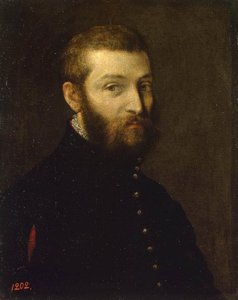
§ 4Автор работы

Паоло Веронезе

Паоло Веронезе

1528 - 1588, Италия

Краткая информация об авторе: Паоло Веронезе

  • Artistic Movement Or Style: Ренессанс, Маньеризм
  • Artists Or Movements Influenced By This Artist: ['Рафаэль']
  • Artists Who Influenced This Artist: ['Тициан']
  • Date Of Birth: 1528
  • Date Of Death: 1588
  • Full Name: Паоло Веронезе
  • Nationality: Итальянец
  • Notable Artworks:
    • Свадьба Канны
    • Пир в доме Леви
  • Place Of Birth: Верона, Италия

Биография художника

A Venetian Visionary: The Life and Art of Paolo Veronese

Paolo Caliari, universally known as Paolo Veronese, emerged from the vibrant artistic landscape of 16th-century Venice as a master of color, composition, and breathtaking spectacle. Born in Verona in 1528, the son of a stonecutter, his early life was deeply intertwined with the visual richness of his surroundings – the classical architecture, sculpted forms, and burgeoning humanist ideals that defined the region. His initial training under Antonio Badile and Giovanni Francesco Caroto provided him with a solid foundation in traditional techniques, but it was his relocation to Venice in the 1550s that truly ignited his artistic genius. The city itself became his muse, its bustling marketplaces, magnificent palazzi, and shimmering waterways profoundly shaping the scale and dramatic intensity of his work. He quickly absorbed the influences of established Venetian masters like Titian, whose mastery of color exerted a powerful impact on Veronese’s palette, yet he forged a distinctive style characterized by an unparalleled sense of theatricality and grandeur.

The Painter of Feasts and Grand Narratives

Veronese's enduring legacy rests primarily upon his monumental paintings, particularly those depicting lavish feasts and biblical scenes reimagined as dazzling displays of Venetian life. The *Wedding at Cana*, completed in 1563 for the Benedictine monastery of San Giorgio Maggiore, stands as a testament to his extraordinary skill. This colossal canvas transcends mere illustration; it’s a vibrant panorama of 16th-century society, teeming with elegantly dressed figures, musicians, and architectural details rendered with astonishing precision. The painting isn't simply about *what* happened at Cana but rather *how* it would have appeared if enacted in Venice during Veronese’s time – a remarkable feat of historical reconstruction. Similarly, *The Feast in the House of Levi*, originally titled *The Last Supper*, provoked considerable controversy with the Inquisition due to its inclusion of contemporary figures and an atmosphere that seemed almost irreverent. Veronese defended his artistic choices, asserting that painters possessed the same creative liberty as poets and jesters – a bold declaration reflecting his belief in art’s capacity to interpret and reimagine sacred narratives. These works weren't merely religious depictions; they were celebrations of life, wealth, and the splendor of Venice itself. He prioritized capturing the joy and abundance of existence over austere spirituality.

Influences and Artistic Development

While Titian’s influence on Veronese’s color palette is undeniable, his artistic development was a complex synthesis of various influences. The architectural precision evident in his compositions draws heavily from the classical traditions prevalent in Verona during his formative years, particularly the work of architects like Michele Sanmicheli. He also absorbed elements from Central Italian masters such as Raphael and Parmigianino, reflected in the graceful lines and harmonious arrangements within his paintings. However, Veronese didn’t merely imitate these influences; he skillfully integrated them into a uniquely Venetian style characterized by its dramatic use of light, vibrant color schemes, and meticulous attention to detail. He excelled at creating illusions of space and depth, employing perspective techniques to draw viewers directly into the heart of his elaborate scenes. His mastery of oil painting allowed him to achieve an unparalleled luminosity and richness of texture – a hallmark of his distinctive style. He also maintained a large workshop, with contributions from his brother Benedetto and sons Gabriele and Carlo (or ‘Carletto’), ensuring that his artistic vision continued to flourish even after his death in 1588.

Major Achievements and Notable Works

Veronese’s career was marked by a succession of significant commissions and masterpieces. His decoration of the Venetian church of S. Sebastiano between 1555 and around 1570 is considered one of his most important achievements, showcasing his ability to create immersive environments filled with dynamic movement and vibrant color. The ceiling and wall paintings for the library of S. Marco (1556-57) and the Ducal Palace (early 1550s and 1575-82) further demonstrated his skill in grand scale and opulent design. Perhaps most famously, he created a series of mythological pictures for an international clientele, including *Venus and Adonis* and *The Judgment of Paris*. His *Last Supper*, painted for a Dominican friar in 1573 (now housed in the Accademia di Venezia), stands as a particularly striking example of his innovative approach to religious narrative. The painting’s inclusion of contemporary figures and its seemingly irreverent atmosphere caused considerable controversy, leading to a title change – *Supper in the House of Levi* – reflecting Veronese's determination to defend his artistic freedom.

Legacy and Historical Significance

Paolo Veronese’s impact extends far beyond the realm of Renaissance art. His work has resonated through centuries, inspiring artists across various disciplines. His dramatic compositions and vibrant color schemes have been cited as influences on everything from Baroque painting to modern cinema – even finding echoes in the visual aesthetics of Spaghetti Westerns. He was a key figure within the “great trio” of Venetian painters—alongside Titian and Tintoretto—each contributing uniquely to the city’s artistic legacy, yet Veronese often stands apart for his sheer exuberance and celebration of earthly pleasures. His paintings continue to captivate audiences with their grandeur and spectacle, offering a glimpse into the opulent world of 16th-century Venice. Veronese's legacy remains a testament to his artistic genius, his ability to capture the essence of an era, and his enduring contribution to the history of art.

§ 5Сравнимые работы

§ 6Вопросы

Основные сведения

  • Medium: Oil on Canvas
  • Subject or theme: Religious Scene; Divine Intervention
  • Artist: Paolo Veronese
  • Location: Thyssen-Bornemisza Museum, Madrid, Spain
  • Notable elements or techniques: Dramatic lighting; Rich colors; Detailed drapery
  • Artistic style: Renaissance

Тест на знание искусства

В каждом вопросе только один правильный ответ.

Вопрос 1:
What artistic movement is Paolo Veronese’s ‘Annunciation’ primarily associated with?
Вопрос 2:
The painting depicts a biblical scene featuring which two prominent figures?
Вопрос 3:
What is the dominant color palette used in ‘Annunciation’, contributing to its dramatic atmosphere?
Вопрос 4:
Veronese employed perspective techniques to create a sense of what in the artwork’s composition?
Вопрос 5:
The architectural backdrop of ‘Annunciation’ is characterized by which elements – reflecting the grandeur and formality of Renaissance art?

§ 7Как сослаться на эту запись

AllPaintingsStore.com, “Паоло Веронезе, Annunciation (1560)”, https://allpaintingsstore.com/ru/art/paolo-veronese-annunciation-8Y2VBJ-en/ArtistReproduction/ (дата обращения 7 Октябрь 2026).

§ 8Репродукция

Масляная репродукция ручной работы

Картина маслом на холсте в выбранном вами размере и раме, написанная на заказ нашими художниками. ( Перейти к печатным копиям Перейти к цифровым изображениям)

Это указано на полях заказного листа; текущее состояние этого листа выглядит следующим образом.

Annunciation

Техника репродукции

Размер репродукции

-

Выдающийся мастер высокого класса

Более высокая детализация, изысканность и дополнительное время на создание работы

-

Оформление репродукции

-

-

Для произведений искусства или репродукций, размер которых превышает 105 см (приблизительно 41 дюйм) по любой из сторон, рама будет доставлена в разобранном виде (в виде комплекта). Этот метод обеспечивает безопасную доставку и предотвращает повреждения при транспортировке.

Требуется профессиональная сборка — это не продукт для самостоятельной сборки (DIY).
Комплект должен быть собран, а холст натянут опытным мастером по багетным рамам с использованием клеевого ПВА (не входит в комплект), струбцин для натяжки холста и зажимов, чтобы удерживать подрамник ровным до полного высыхания клея. Неправильная сборка или неравномерное натяжение холста могут привести к необратимому повреждению произведения искусства и не являются гарантийным случаем.

  • В комплект входят все бруски из массива дерева, точно вырезанные по размеру.

  • Собирается с помощью предоставляемых винтов, а также столярного клея для угловых соединений, который не входит в комплект и должен быть приобретен вашим мастером.

  • Требуются профессиональные инструменты, не входящие в комплект: щипцы для натяжки холста (натяжитель) и зажимы, чтобы удерживать рейки ровно во время высыхания клея.

Важно:
Для соединения углов требуется клей для дерева, перекладины необходимо зафиксировать струбцинами до полного высыхания клея, а для натяжки холста на собранную раму требуются щипцы для натяжки холста. Ни один из этих инструментов не входит в комплект. Пожалуйста, убедитесь в наличии опытного мастера по багетным работам перед заказом рамы такого размера.

Этикетка

-

-

Защитный лак

Глянцевый лак (насыщает цвета, защищает от воздействия света и влаги)

-

Персонализация картины

Примеры возможных изменений: замена лица на фото клиента; добавление домашнего питомца (например, замена кошки на собаку); добавление скрытого сообщения на фоне; изменение пейзажа или элементов фона.

-

Экспресс-доставка

Доставка по всему миру () за 3–4 недели вместо стандартных 5 недель. (4 Ноябрь). Без компромиссов в качестве.

-

Экспресс-доставка

Доставка по всему миру () в течение 5 недель. (11 Ноябрь).

Включено в стоимость

Итоговая стоимость

$ 283

Включено в каждый заказ

  • Бесплатная экспресс-доставка по всему миру
  • Высококачественный льняной холст
  • Полное страхование при доставке
  • Гарантия возмещения таможенных пошлин
  • Гарантия точного цветового соответствия
  • 100-дневная гарантия возврата (только при обнаружении дефектов)
  • Гарантия возврата 100% средств
  • Скидка при оптовом заказе
Форма заказа