


 Предпросмотр

 Поделиться
 Поделиться
 Детали произведения
 Справка об объекте


 Скачать
 Похожие предметы
 Рентгенография
 Слайд-шоу
 Вопросы и ответы

 Статистика просмотров
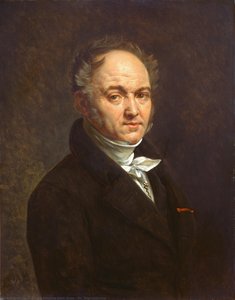
6th Lord Byron


 Читать далее
Получите файл, готовый к печати, качество которого значительно превосходит веб-превью. Каждое цифровое изображение в нашем каталоге создано на основе мастер-файла высокого разрешения — обычно шириной от 5 000 до 15 000 пикселей, — что позволяет вам уверенно печатать работы большого формата, использовать кадрирование или воспроизводить мельчайшие детали.
Ни один файл не покидает нашу студию без обработки. Эксперт по цифровой ретуши сверяет цвета с оригинальной картиной и при необходимости корректирует их, после чего повышает четкость и детализацию с помощью профессиональных инструментов — неизменно сохраняя верность мазкам кисти и стилю автора. В результате получается изображение, которое выглядит как подлинная живопись, а не как отсканированный снимок с наложенными фильтрами.
Вы одобряете результат до завершения заказа: наш эксперт отправит изображение по электронной почте в течение 72 часов для вашего ознакомления. Не удовлетворены результатом? Попросите внести правки или исправления, либо запросите возврат средств, если качество не соответствует ожиданиям.
Именно на это качество полагаются издательства, дизайн-студии, галереи и типографии.
Цифровое изображение
Скачайте файл высокого разрешения для личного использования, печати и творческих проектов. ( Печать в галерее Картина маслом
)
Преимущества каждого заказа цифровых изображений
Гарантия профессиональной цифровой доставки изображений
Выбирая AllPaintingsStore.com, вы получаете не просто изображение — вы приобретаете профессионально обработанное цифровое произведение искусства, созданное с безупречной точностью и под защитой гарантии качества. Вот всё, что автоматически входит в ваш заказ:

Мгновенная доставка по e-mail
Ваш цифровой файл в высоком разрешении будет отправлен по электронной почте в течение 72 часов после оформления заказа и сразу станет доступен для использования.

Цифровой файл с улучшением ИИ
Ваше произведение искусства проходит профессиональную оптимизацию с использованием передовых инструментов ИИ и ручной обработки, что гарантирует максимальную детализацию, четкость и точность цветопередачи.

Бесплатная пожизненная повторная отправка
Случайно удалили или потеряли файл? Не беспокойтесь — мы отправим его вам повторно в любое время и совершенно бесплатно.

Никаких импортных пошлин — никогда
Наслаждайтесь вашим произведением искусства мгновенно без таможенных пошлин, сборов или затрат на доставку — цифровые загрузки всегда не облагаются налогом.

Гарантия точности цветопередачи
Мы гарантируем максимально точное соответствие цветов цифрового изображения оригиналу благодаря использованию профессиональных инструментов и систем управления цветом.

Гарантия удовлетворенности 100 дней
Если вы не будете удовлетворены своим цифровым изображением, мы внесем правки или вернем 100% стоимости в течение 100 дней — без лишних вопросов.

100% Гарантия возврата средств
Не удовлетворены покупкой? Мы вернем вам полную стоимость в течение 100 дней после получения цифрового файла — без лишних вопросов.

Скидки на оптовые заказы
При покупке 3 изображений — скидка 10%; при покупке 5 — скидка 15%; от 10 изображений — скидка 20%. Отличное решение для творческих проектов, галерей и агентств.
The Portrait of the 6th Lord Byron
In this portrait, titled 6th Lord Byron, the English painter Thomas Phillips captures the likeness of George Gordon Byron, 6th Baron Byron. The work presents a formal study of the man, focusing on his upper body and his steady, serious gaze. Phillips, who was born in Dudley, United Kingdom, in 1770, brings a meticulous attention to the subject's features and the textures of his attire. The sitter is positioned slightly off-center, looking toward his left, which lends a sense of quiet introspection to the composition.
The artist, who passed away in London on 20 April 1845, utilizes a dark, receding background to ensure the viewer's attention remains fixed upon the subject. This choice of lighting creates a chiaroscuro effect, highlighting the contours of the face and the white of the shirt against the darker tones of the coat. There is a palpable sense of dignity in the subject's expression, a quality Phillips often sought when portraying the prominent figures of his era. The painting remains a significant example of the artist's ability to render both physical presence and character through oil on canvas.
Composition and Visual Elements
The composition focuses on the subject's upper body, with the figure cropped just below the waist. He is positioned slightly off-center, gazing toward his left with a serious expression that suggests a sense of dignity and status. This deliberate placement avoids a static, frontal view, lending a quiet gravity to his presence. The dark background recedes into obscurity, which serves to emphasize the figure and create a palpable sense of depth within the frame.
Lighting is used with precision, concentrated primarily on the man's face and upper body. This creates a chiaroscuro effect, where strong contrasts between light and shadow define his features and the folds of his attire. The interplay of light and dark provides a sculptural quality to the portrait, pulling the viewer's attention toward the sitter's contemplative gaze and the subtle textures of his clothing.
Technique and Artistic Style
Executed in oil on canvas, this portrait adheres closely to the formal traditions of the late 18th and early 19th centuries. The artist employs a meticulous realism, focusing on the precise rendering of the subject's features and the specific textures of his attire. Through a disciplined application of paint, the work achieves a smooth finish where brushstrokes remain largely invisible to the eye. This controlled approach allows the viewer to focus entirely on the character and presence of the sitter rather than the hand of the painter.
The technical proficiency is most evident in the handling of light and material. There is a sophisticated contrast between the surfaces depicted; the artist has successfully captured the subtle sheen of the white shirt against the matte quality of the dark coat. This interplay of light and shadow, achieved through careful blending and the layering of paint, provides the figure with a tangible, three-dimensional presence. The result is a portrait that prioritizes a quiet, dignified accuracy over dramatic flourish.
Related Works by Thomas Phillips
The artist's engagement with the Romantic era is perhaps most visible through his various depictions of the poet. In 1813, he produced Lord Byron in Albanian Dress, a work that captures the subject in traditional costume. This particular theme was revisited in a 1835 version of Lord Byron in Albanian Dress, which is currently held in the National Portrait Gallery, London. He also completed a Portrait of Lord Byron in 1814, offering a different perspective on the same figure.
Beyond his portraits of literary figures, Phillips demonstrated a keen ability to render the likenesses of significant intellectuals and professionals. His 1807 portrait of William Blake remains a notable example of his skill. He continued this practice into the following decades, producing a portrait of Sir Francis Chantrey in 1818 and a work featuring George Crabbe in 1819.
Вопросы и ответы
Какой основной оттенок у «6th Lord Byron», Томас Филлипс?
В работе «6th Lord Byron», Томас Филлипс преобладает Golden Yellow Range-й оттенок.
Какие цвета преобладают в работе «6th Lord Byron», Томас Филлипс?
В работе «6th Lord Byron», Томас Филлипс используется палитра Earthy, где доминирующим цветом является Black (#060201).
К какому периоду творчества Томас Филлипс относится произведение «6th Lord Byron»?
«6th Lord Byron» относится к Mature Period художника Томас Филлипс.
Похожие произведения




Биография художника
Early Life and Artistic Foundations
Thomas Phillips, born in Dudley, Worcestershire, in 1770, emerged from relatively modest beginnings to become a prominent figure in the British art scene of the late 18th and early 19th centuries. His initial artistic training wasn’t within the traditional confines of painting, but rather in the craft of glass-painting under Francis Eginton in Birmingham. This foundational experience instilled in him a meticulous attention to detail and an understanding of color and light – skills that would prove invaluable when he later transitioned to portraiture. The intricate designs and vibrant hues of stained glass demanded precision and a keen eye for composition, shaping his early artistic sensibilities. A pivotal moment arrived in 1790 when Phillips journeyed to London, armed with an introduction to Benjamin West, a leading artist of the time and a key figure in the Royal Academy. West’s guidance proved transformative, opening doors to opportunities within the established art world and providing him with invaluable mentorship. He was immediately immersed in the atmosphere of London's artistic circles, absorbing the techniques and philosophies of his esteemed teacher.A Rising Portraitist: Style and Subject Matter
Phillips quickly found his niche in portraiture, though not without navigating a competitive landscape already populated by renowned artists like Thomas Lawrence and John Hoppner. Initially, his sitters were largely unknown individuals – tradesmen, minor officials, and members of the gentry seeking to immortalize their likenesses. However, through dedication, skill, and an innate ability to capture personality, he steadily ascended the social ladder, attracting increasingly prominent figures to his studio. His style was characterized by a remarkable realism, reflecting both the influence of his early training in glass-painting – particularly his understanding of light and shadow – and the prevailing artistic tastes of the era. He possessed an extraordinary talent for not just replicating physical likenesses but also conveying something of the sitter’s character, intellect, and inner life. This ability to capture a sense of presence and emotion was what truly distinguished his work from mere imitation. He often employed subtle details – a fleeting expression, a particular gesture – to reveal the essence of his subjects. His portraits weren't simply representations; they were windows into the souls of those he depicted.Royal Patronage and Academic Recognition
The year 1804 marked a significant turning point in Phillips’ career with his election as an associate of the Royal Academy, alongside William Owen. This recognition solidified his position within the artistic establishment and signaled a period of increased demand for his services. Shortly thereafter, he relocated to 8 George Street, Hanover Square, a prestigious address that would remain his home and studio for the next four decades – a symbol of his rising status and success. His clientele continued to expand dramatically, encompassing members of the royal family (including Prince of Wales), the aristocracy, and leading figures in various fields – scientists, writers, poets, and explorers. He painted portraits of the Prince of Wales (later George IV), the Marchioness of Stafford, Lord Thurlow, and many others, each portrait reflecting his meticulous attention to detail and his ability to capture the unique character of his subjects. The demand for his work was so high that he often had multiple commissions underway simultaneously, a testament to his reputation as one of London’s most sought-after portrait painters.Notable Works and Artistic Evolution
Among Phillips's most celebrated works are *The Death of Talbot, Earl of Shrewsbury, at the Battle of Castillon* (1793), a dramatic historical scene showcasing his mastery of composition and color; *Ruth and her Mother-in-law* (1794), a poignant depiction of domestic life imbued with emotional depth; and *Elijah restoring the Widow’s Son* (1795), demonstrating his ability to convey religious themes with sensitivity and grace. However, it was in 1807 that he produced one of his most enduring portraits – a captivating likeness of William Blake, the visionary poet and artist. This painting, now housed in the National Portrait Gallery, is particularly admired for its evocative portrayal of Blake’s intense gaze and spiritual intensity. Phillips's artistic style evolved subtly over time, becoming increasingly refined and expressive. He experimented with different techniques and approaches, always striving to capture the essence of his subjects while maintaining a consistent level of technical excellence. His later works often displayed a greater sense of psychological depth and emotional complexity than his earlier portraits.Legacy and Historical Significance
Thomas Phillips’s contributions to British art are considerable. He was not merely a skilled portrait painter; he was also a dedicated teacher and a keen observer of the cultural landscape of his time. His appointment as Professor of Painting at the Royal Academy in 1825 provided him with an opportunity to share his knowledge and expertise with aspiring artists, shaping the artistic sensibilities of a generation. His *Lectures on the History and Principles of Painting*, published in 1833, offered valuable insights into his artistic philosophy and pedagogical approach. Phillips’s legacy extends beyond his individual works; he helped to establish portraiture as a respected and enduring art form in Britain. His meticulous realism, combined with his sensitivity to character and emotion, continues to resonate with viewers today. He left behind a body of work that reflects both the technical skill and the intellectual curiosity of an artist deeply engaged with the cultural and social currents of his era – a testament to his lasting contribution to British art history.
Томас Филлипс
1770 - 1845 , Великобритания
Основные сведения
- Artistic Movement Or Style: Романтизм
- Artists Or Movements Influenced By This Artist: ['Романтизм']
- Artists Who Influenced This Artist: ['Бенджамин Уэст']
- Date Of Birth: 1770
- Date Of Death: 1845
- Full Name: Thomas Phillips
- Nationality: Британский
- Notable Artworks:
- Венера и Адонис
- Лорд Байрон
- Place Of Birth: Дудли, Великобритания