


 Predogled v realnem okolju
 Pošlji
 Deli
Deli
 Podrobnosti o delu
 Priročnik

 Prenesi sliko
 Podobni izdelki
 Rentgenski posnetek
 Predvajaj diaporama
 Vprašanja in odgovori
 Statistika
Apples


 Preberi več
Giclée tisk / Umetniški tisk
Giclée ali platnati odtis muzejske kakovosti z hitro proizvodnjo in prilagodljivimi možnostmi končne obdelave. ( Kupite ročno slikano delo Preklop na digitalno sliko)




P118B €10

P118H €10

P118W €10

P438Z €10

P508JH €12

P508YH €12

P805H €10

P805Z €10

P919BZ €10

P919G €10

P919XJ €10

P959ZH €10

P968JZ €12

W106C €8

W218G €10

W218JH €8

W218Y €10

W307PJ €10

W316G €10

W316PJ €8

W316Y €10

W398PJ €8

W4111J €10

W500HY €15

W500JH €15

W692G €12

W849H €8

W940BG €15

W953PJ €8




Izberite eno od naših vnaprej določenih velikosti, ki ustrezajo prvotnim proporcijam umetničkega dela.

Vnesite širino in višino, ki jih potrebujete za svoj okvir ali steno. Tiskanje se lahko le odreže, vendar ga ni mogoče narediti večjega od slike, zato format z drugačno obliko pomeni izgubo dela slike. Pred tiskanjem vam pošljemo digitalni predogled za potrditev. Slika, prikazana na tej strani, ne prikazuje dejanskega izrezka — le predogled to omogoča.
Globalna dostava () v 2 tednih namesto standardnih 4/5 tednov. (16 november)

Brezplačna ekspresna dostava po vsem svetu

Visokokakovostno laneno platno

Popolno zavarovanje pošiljke

Garancija povračila carine in uvoznih davkov

Garancija popolnega barvnega ujemanja

100-dnevna politika vračil (le v primeru okvar)

Garancija 100% povračila denarja

Popust pri večjem naročilu
 Možnost stekla je na voljo le za velikosti pod 110 cm

Apples
Giclée tisk / Umetniški tisk
Velikost reprodukcije
-


Skupna cena
€ 58
A Quiet Abundance: Exploring James Ensor’s “Apples”
This still life, simply titled “Apples,” offers a glimpse into James Ensor's often-overlooked explorations beyond his more famous grotesque and satirical works. While known for challenging artistic conventions, Ensor also possessed a keen eye for the beauty of everyday objects, as evidenced in this intimate depiction of fruit arranged on a table. The painting features a collection of apples – alongside oranges and bananas – scattered with casual abundance. A bowl suggests further bounty hidden from full view, while a solitary chair anchors the composition to a domestic setting.Style & Technique: Impressionistic Touches within Symbolist Framework
Though Ensor is firmly placed within the Symbolist movement, “Apples” reveals subtle influences of Impressionism in its handling of light and color. The brushwork isn’t overtly expressive, but it's loose enough to capture the sheen on the fruit and suggest a sense of immediacy. Ensor’s technique here is characterized by a careful observation of form combined with a slightly muted palette, creating an atmosphere that feels both realistic and dreamlike. This contrasts sharply with the often-garish colors found in his more well-known pieces, like “The Fall of the Rebellious Angels.” He employs a relatively traditional oil painting technique, building up layers to achieve depth and texture, but always with a distinctive personal touch.Historical Context: A Moment of Repose
Created sometime during Ensor’s prolific career (1860-1949), “Apples” stands as a quiet counterpoint to the turbulent social and political climate of late 19th and early 20th century Belgium. While Europe braced for war, and artistic movements like Expressionism began to emerge, Ensor occasionally retreated into these more intimate studies of still life. These works offer insight into his personal world and a respite from the anxieties that fueled much of his satirical output. He was moving away from direct social commentary at times, exploring instead the inherent beauty in simple subjects. His earlier training at the Académie Royale des Beaux-Arts provided him with a solid foundation in traditional techniques, which he then subverted and adapted to his unique vision.Symbolism & Interpretation: Beyond Simple Representation
While seemingly straightforward, even Ensor’s still lifes are imbued with potential symbolism. Apples themselves have long held symbolic weight – representing temptation, knowledge, and the fall of man in religious iconography. In this context, however, their meaning is more ambiguous. The presence of other fruits—oranges symbolizing prosperity and bananas hinting at exoticism—adds layers to the interpretation. The chair, often a symbol of absence or waiting, introduces a subtle melancholic note. It’s possible Ensor intended these elements not as explicit allegories but rather as evocative details that invite contemplation on themes of transience, abundance, and the beauty of fleeting moments.Emotional Impact & Aesthetic Appeal
“Apples” evokes a sense of peaceful domesticity and quiet contemplation. The composition is balanced and harmonious, creating a visually pleasing experience. The painting’s subdued colors and soft lighting contribute to its calming effect. For collectors and interior designers, this work offers versatility – it can seamlessly integrate into various settings, from traditional to contemporary spaces. Its understated elegance makes it an ideal piece for those seeking artwork that is both beautiful and intellectually stimulating. It's a reminder that even within the oeuvre of a radical artist like James Ensor, there exists a profound appreciation for the simple pleasures of life.Vprašanja in odgovori
Katero temo in vzdušje združuje "Apples" avtorja James Ensor?
"Apples" prikazuje still life, fruit, abundance, ensor, symbolism, domesticity, light, njegovo udejanjeno vzdušje pa je Calm.
Ali je "Apples" avtorja James Ensor znano umetniško delo?
"Apples" je razvrščeno kot Recognized.
Ali je za "Apples" na voljo predogled v augmented reality?
Delo "Apples" ima predogled z augmented reality: stran Predogled v AR za to umetnino prikazuje delo v vašem lastnem prostoru na združljivi napravi.
Sorodna umetniška dela


Biografija umetnika
Mladost, družina in umetniška izobrazba
James Ensor se je rodil 13. aprila 1860 v belgijskem Ostendu. Njegovo dojemanje identitete je oblikovalo specifično kulturno stičišče: njegov oče, James Frederic Ensor, se je rodil v Bruselju v družini Angležev, medtem ko je bila njegova mama, Maria Catherina Haegheman, Belgijanka. Ta dvojna dediščina je postavila temelj za perspektivo, ki je pogosto ostajala zunaj ozkih okvirjev lokalne tradicije. V otroštvu je umetnik odihajal v stenah trgovine s spominki, ki jo je vodila njegova starša v Ostendu. To okolje ni bilo le bivalno prosto, temveč hram čudovitosti in okrasja. Trgovina je bila polna školj, karnevalskih mask in nenavadnih predmetov, ki so mu v kasnejšem delu tvorine ponudili vizualni nabiralnik simbolov.
Njegova formalna izobrazba v umetnosti je bila proces poskusa in napak. Preden je stopil v strukturirano okolje akademije, je začel svoj umetniški razvoj pod mentorstvom dveh lokalnih slikarjev. Ta zgodnja izobraževalna faza mu je zagotovila tehnično podlago, ki jo je pozneje manipuliral in deformiral. Med leti 1877 in 1880 je obiskoval Académie Royale des Beaux-Arts v Bruselu. Tudi znotraj teh akademskih zidov so bili njegovi interesi popolnoma odmaknjeni od strogih pričakovanj institucije. Ni bil učenec statusa quo; bil je učenec predmetov, ki so ga obdajali v Ostendu.
Razvoj njegovega umetniškega sloga
Ensorjeva zgodnja dela niso še imela tiste psihološke trenja, ki opredeljajo njegovo zrelo stvaritvijo. V delih, kot sta Russian Music (1881) in The Drunkards (1883), je ustvarjal znotraj sogobnega, realističnega okvirja. Te kompozicije so temeljile na utihnjenih tonih in tradicionalnih prikazih vsakdanjega življenja, ki prikazujejo umetnika, ki je bil še vedno navezan na gravitacijo realizma, preden je njegov vizualni jezik doživel radikalno spremembo. Sčasaj je opustil to zdržnost in se namesto tega odločil za paleto barv, ki se je z vsakim novim, vse bolj bizarnim motivom močno posvetila.
Premik proti groteski je bil pogojen z globoko fascinacijo maskami. Privlačile so ga plastične oblike in intenzivne barve karnevalskih mask, ki so se nahajale v družinski trgovini s spominki. Ti predmeti niso bili le rekviziti; postali so osrednji del njegove estetike. V svoje morte naravne življenja je vključil maske, da bi v njih vnesel teatralno kakovost in s tem pretrgel domačnost scene. Ta odklon proti iracionalnosti mu je omogočil prehod iz preproste reprezentacije v prostor psihološke napetosti.
- The Scandalized Masks (1883)
- The Oyster Eater (1882/1883)
- The Man of Sorrows (1891)
Ključna dela in glavne teme
Ensorjeva obsesija maskami in groteskno nudi neposredno povezavo s psihološkimi napetostmi sodobne dobe. V delu Skandalizirane maske (1883) je vzpostavil zgodnji interes za moč disguise, kjer je uporabil karnivalni motiv za razvodenje družbenih pretvarjanj. Ta fascinacija z teatralnostjo in nesprejemljivim ni bila le stilistična izbira, temveč način raziskovanja identitete. Njegovo del iz leta 1882, Jeztva ostrig, prikazuje drugačno stran njegove sposobnosti obravnavanja svetlobe in barv, ko portretira njegovo sestro Mitche v sceni, ki je izzivala konzervativne občutke Antwerpenskega salona. Zavrnitev slike s strani ustanavitelja izpostavlja trenje med njegovo vizijo in strogimi normami tistega časa.
Prehod umetnika k bolj agresivnim, ekspresivnim oblikam je najbolj opazen v njegovih monumentalnih kompozicijah. Kristov vhod v Bruselj (1888-1889) deluje kot predtečnik ekspresionizma v dvavedstletju, saj uporablja kaotičen, živahnih barv procesijo grotesknih figur za parodijo sodobne družbe. Ta občutek eksistencialne borbe se poglobi v delu Mož žalosti (1891), oljanem slikarstvu, ki združuje Kristovo trpljenje z neustrezno podobo japajnske maske gledališča Noh. Takšna dela razkrivajo človeka, ki uporablja religijske in alegorične teme za izražanje globoke frustracije nad človeškim obnašanjem in družbeno ravnodušnostjo.
Smrtnost in absurdnost obstoječega življenja ostajata osrednja deloma njegovega dela. Skeleti, ki se prepirajo zaradi uranjenega človeka (1891) uporablja skeletne figure, da se sooči z gledalcem z realnostjo razpada in smrti. Te ponavljajoče se teme gril, prevare in fragilnosti videza zagotavljajo, da njegovo del ostaja močan predmet raziskovanja. Njegova sposobnost sinteze teh temnih, pogosto neprijetnih resnic v koherenten vizualni jezik je tisto, kar definiše njegov prispevek k prehodu v modernizem.
Kje si danes lahko ogledate njegova dela
Prisotnost James Ensor v največjih mednarodnih zbirkah potrjuje njegov trajni vpliv na razvoj modernizma. V Antwerpenu Kraljevi muzej likovnih umetnosti hrani dva pomembna dela: Človek žalosti in Jezteljica. Ta dela razkrivajo tehnično vsestranost umetnika, ki je lahko brez težav prehajal od religiozne napetosti do vsakdanjih, domačih scen. Njegov vpliv se razprostira čez Atlantik, kjer Muzej sodobne umetnosti v New Yorku čuva Mučenje svetega Antona. To delo ostaja ključen primer njegovega prevolta v smeri bizarnosti in psihološke globine.
Doseg njegovega vizualnega izrazov je globalen. V Los Angelesu Getty Center hrani Kristov vhod v Bruselj, masivno kompozicijo, ki zajema njegovo najbolj agresivno družbeno kritiko. Medtem Muzej umetnosti Kimbell v Fort Worthu ohranja Skeleti, ki se ogrevajo. Te razpršene lokacije zagotavljajo, da njegov vizualni jezik, ki ga definira zavrnitev akademskih norm, ostaja dostopem do raznolikih občodih strokovnjakov in opazovalcev.
- Človek žalosti
- Jezteljica
- Mučenje svetega Antona
- Kristov vhod v Bruselj
- Skeleti, ki se ogrevajo
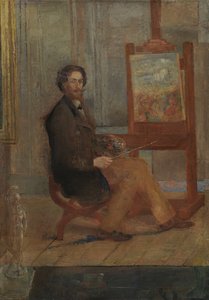
James Ensor
1860 - 1949 , Belgija
Hitri podatki
- Artistic Movement Or Style:
- Simbolizem
- Ekspresionizem
- Artists Or Movements Influenced By This Artist:
- Ekspresionizem
- Surrealizem
- Artists Who Influenced This Artist:
- Pieter Bruegel starejši
- Francisco Goya
- James Abbott McNeill Whistler
- Date Of Birth: 1860
- Date Of Death: 1949
- Full Name: James Sidney Edouard Ensor
- Nationality: Belgijski
- Notable Artworks:
- Kristov vhod v bruselj
- Človek utrpelosti
- Jezdalka
- Trpljanja svetega Antona
- Skeleti, ki se prepirajo zaradi uranjenega človeka
- Place Of Birth: Ostend, Belgija
Sorodni članki

Sweet & Simple: How Apple Art Can Transform Your Home Decor with Timeless Impressionist Elegance
Discover how apple-themed Impressionist art can bring warmth and vitality to your home. From Renoir-inspired oils to custom fruit commissions, our expert guide helps you select the perfect hand-painted masterpiece to transform your interior decor with timeless elegance.

The Weight of an Apple: From Biblical Allegory to the Structural Vision of Cézanne
Explore the evolution of the apple from biblical allegory to Cézanne's geometry. Trace this artistic legacy with our expert analysis.

James Ensor's Grotesque Visions: Social Commentary & Artistic Innovation
Explore the unsettling yet captivating world of James Ensor, a pioneer of Expressionism. Discover his satirical masterpieces, symbolic imagery & lasting influence on modern art. High-quality reproductions available at AllPaintingsStore.
Sun-Drenched Citrus: The Vibrant Beauty of Oranges in Impressionist Masterpieces
Embark on a sensory journey through Impressionist masterpieces. Discover how Renoir and Cézanne captured the vibrant light and luscious textures of sun-drenched oranges in exquisite still life paintings designed to inspire and transform your home.
The Bountiful Still Life: Symbolism & Artistic Representation of Fruit Across Art History
Explore the rich history of still life painting & the symbolism of fruit across art movements. Discover masterpieces from Caravaggio to Cézanne with AllPaintingsStore – expert guidance & museum-quality reproductions.


