Jamstvo za povračilo denarja · 100 dni Brezplačna svetovna dostava
449.582umetninine 30.616umetniki 4.660muzeji 32jeziki
Valuta
    Jezik
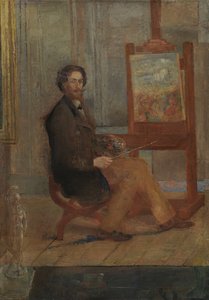
      Atelje · Zakor. 2015 · Pariz, Francija
      AllPaintingsStore
      allpaintingsstore.com
      Preverite v realnem okolju Predogled v AR Preklop na tiskanine Preklop na digitalno sliko Pošlji kot čestitko
      Podrobnosti Priročnik Dodaj v priljubljene Prenesi Podobni artefakti Rentgenski posnetek Predvajaj diaporama Statistika

      Cranes Fleuris

      James Ensor je belgijski mojster ekspresionizma in surrealizma znan po svojih brezobličnih slikah, karnevalskih motivih ter groteskni estetiki. Pogosto je prikazoval smrt, družbeno kritiko in religiozno satiro.

      Ročno izdelana oljna reprodukcija

      Ročno slikano olje na platnu v vaši izbiri velikosti in okvirja, izdelano po naročilu naših umetnikov. ( Preklop na tiskanine Preklop na digitalno sliko)

      Corner sample of the P118B picture frame: izoblit polistiren, 5 cm wide and 3 cm thick
      P118B 10
      Corner sample of the P118H picture frame: izoblit polistiren, 5 cm wide and 3 cm thick
      P118H 10
      Corner sample of the P118W picture frame: izoblit polistiren, 5 cm wide and 3 cm thick
      P118W 10
      Corner sample of the P438Z picture frame: izoblit polistiren, 5.5 cm wide and 3.5 cm thick
      P438Z 10
      Corner sample of the P508JH picture frame: izoblit polistiren, 7 cm wide and 3.5 cm thick
      P508JH 12
      Corner sample of the P508YH picture frame: izoblit polistiren, 7 cm wide and 3.5 cm thick
      P508YH 12
      Corner sample of the P805H picture frame: izoblit polistiren, 5 cm wide and 3.5 cm thick
      P805H 10
      Corner sample of the P805Z picture frame: izoblit polistiren, 5 cm wide and 3.5 cm thick
      P805Z 10
      Corner sample of the P919BZ picture frame: izoblit polistiren, 7 cm wide and 3.5 cm thick
      P919BZ 10
      Corner sample of the P919G picture frame: izoblit polistiren, 7 cm wide and 3.5 cm thick
      P919G 10
      Corner sample of the P919XJ picture frame: izoblit polistiren, 7 cm wide and 3.5 cm thick
      P919XJ 10
      Corner sample of the P959ZH picture frame: izoblit polistiren, 5 cm wide and 3 cm thick
      P959ZH 10
      Corner sample of the P968JZ picture frame: izoblit polistiren, 6 cm wide and 4 cm thick
      P968JZ 12
      Corner sample of the W106C picture frame: masivno drevo, 5 cm wide and 3 cm thick
      W106C 8
      Corner sample of the W218G picture frame: masivno drevo, 5 cm wide and 3 cm thick
      W218G 10
      Corner sample of the W218JH picture frame: masivno drevo, 5 cm wide and 3 cm thick
      W218JH 8
      Corner sample of the W218Y picture frame: masivno drevo, 5 cm wide and 3 cm thick
      W218Y 10
      Corner sample of the W307PJ picture frame: masivno drevo, 6 cm wide and 3 cm thick
      W307PJ 10
      Corner sample of the W316G picture frame: masivno drevo, 6 cm wide and 3 cm thick
      W316G 10
      Corner sample of the W316PJ picture frame: masivno drevo, 6 cm wide and 3 cm thick
      W316PJ 8
      Corner sample of the W316Y picture frame: masivno drevo, 6 cm wide and 3 cm thick
      W316Y 10
      Corner sample of the W398PJ picture frame: masivno drevo, 5 cm wide and 3 cm thick
      W398PJ 8
      Corner sample of the W4111J picture frame: masivno drevo, 6.5 cm wide and 3.5 cm thick
      W4111J 10
      Corner sample of the W500HY picture frame: masivno drevo, 7 cm wide and 5 cm thick
      W500HY 15
      Corner sample of the W500JH picture frame: masivno drevo, 7 cm wide and 5 cm thick
      W500JH 15
      Corner sample of the W692G picture frame: masivno drevo, 8 cm wide and 4 cm thick
      W692G 12
      Corner sample of the W849H picture frame: masivno drevo, 5 cm wide and 3 cm thick
      W849H 8
      Corner sample of the W940BG picture frame: masivno drevo, 7.5 cm wide and 4.5 cm thick
      W940BG 15
      Corner sample of the W953PJ picture frame: masivno drevo, 6 cm wide and 3.5 cm thick
      W953PJ 8

      Standardna velikost
      po meri
      CM
      INCH

      Izberite eno od naših vnaprej določenih velikosti, ki ustrezajo prvotnim proporcijam umetničkega dela.

      širina
      višina

      Vnesite širino in višino, ki jih potrebujete, da se slika prilega vašemu okviru ali steni. Ker je delo ročno slikano, lahko umetnik pri različnih oblikih slik pri robovih doda malo več barve ali pa jih malo odreže — izberite sami. Pred začetkom slikanja vam pošljemo digitalni predogled za potrditev. Slika, prikazana na tej strani, ni končni rezultat — le predogled prikazuje dejansko podobo.

      Primeri možnih sprememb: Zamenjava obraza s fotografijo stranke; Dodajanje hišnega ljubljenčka (npr. zamenjava mačke s psom); Vključitev skritega sporočila v ozadje; Sprememba pokrajine ali elementov v ozadju.
      Po oddaji naročila bo ekipa AllPaintingsStore.com stranki po e-pošti poslala navodila in predogled digitalnega predogleda.

      Mednarodna dostava () v 3/4 tednih namesto običajnih 5 tednov. (21 oktober). Brez kompromisov pri kakovosti.

      Brezplačna ekspresna dostava po vsem svetu
      Visokokakovostno laneno platno
      Popolno zavarovanje pošiljke
      Garancija povračila carine in uvoznih davkov
      Garancija popolnega barvnega ujemanja
      Politika vračila v 100 dneh (le v primeru okvar)
      Garancija 100% povračila denarja
      Popust pri večjem naročilu

      Skupna cena

      € 225

      Cranes Fleuris

      Tehnika reprodukcije

      Velikost reprodukcije

      -

      Skupna cena

      € 225

      Hitri podatki

      • Medium: Oil on canvas
      • Subject or theme: Death, decay, life
      • Movement: Expressionism
      • Artistic style: Symbolic, surreal

      Kviz o umetnosti

      Pri vsakem vprašanju je na voljo le eden pravilen odgovor.

      Vprašanje 1:
      What is the primary theme explored in James Ensor’s ‘Crane Fleuris’?
      Vprašanje 2:
      Which artistic movement is ‘Crane Fleuris’ most closely associated with?
      Vprašanje 3:
      What symbolic element is represented by the blue ribbon around the skeleton’s neck?
      Vprašanje 4:
      The painting’s composition features a juxtaposition of life and death. What elements contribute to this contrast?

      A Portrait of Transient Beauty: Unpacking James Ensor's "Crane Fleuris"

      James Ensor’s “Crane Fleuris” isn’t merely a painting; it’s an unsettling encounter. Created in the early 20th century, this arresting work plunges the viewer into a world where life and death intertwine with unnerving beauty. Born in Ostend, Belgium, to an English father and Belgian mother – a heritage that undoubtedly shaped his artistic perspective – Ensor spent his career exploring themes of identity, social commentary, and, most powerfully, the ephemeral nature of existence. “Crane Fleuris,” painted around 1896, stands as a cornerstone of his Expressionist style, a bold declaration against academic tradition and a profound meditation on mortality.

      The painting immediately confronts us with its arresting central image: a woman whose head is replaced by a meticulously rendered skeleton. This isn’t a gruesome spectacle, however; rather, it's presented within an opulent tableau of flowers – roses, lilies, and other blooms – that seem to both adorn and engulf her. The blue ribbon encircling the skeletal neck adds a layer of poignant formality, suggesting a ritualistic preparation for departure. Ensor masterfully juxtaposes these elements, creating a visual paradox: death is not presented as frightening or terrifying, but rather as an integral part of life’s cycle, beautifully framed within the transient beauty of floral arrangements.

      Expressionist Techniques and a Distorted Reality

      Ensor's technique in “Crane Fleuris” is deliberately jarring. He employs thick, impasto brushstrokes that build up layers of color, creating a tactile surface that draws the eye into the painting’s depths. The palette is dominated by rich, saturated hues – deep reds, blues, and greens – intensified with touches of gold and silver. These colors aren't used to represent reality faithfully; instead, they are employed to evoke emotion, amplifying the sense of drama and unease that permeates the scene. The forms themselves are distorted, figures rendered with a deliberate lack of precision, contributing to the overall feeling of disorientation and psychological tension.

      Notably, Ensor’s use of color and form aligns closely with the principles of Expressionism, an artistic movement that sought to convey subjective emotions rather than objective reality. He deliberately rejects naturalistic representation in favor of a more visceral and emotionally charged approach. The skeletal head, rendered with such detail, isn't simply a symbol of death; it’s a visual embodiment of vulnerability and the inevitability of decay.

      Symbolism and the Weight of Mortality

      Beyond its immediate visual impact, “Crane Fleuris” is laden with symbolism. The flowers themselves represent life, beauty, and the fleeting nature of earthly pleasures. Their presence around the skeleton suggests a poignant acceptance of mortality – a recognition that even in death, there can be a kind of grace or dignity. The scattered skulls and bones further reinforce this theme, creating a haunting reminder of our shared fate. The inclusion of potted plants, small pockets of life amidst the morbid setting, adds another layer of complexity, hinting at the persistence of nature’s cycle despite human mortality.

      Furthermore, Ensor's background in theatrical design and his membership in the avant-garde group Les XX – a collective known for its experimentation with form and color – informed his approach to creating unsettling yet captivating imagery. “Crane Fleuris” echoes works like "Coquillages" and "Les pommes rouges," demonstrating Ensor’s consistent exploration of themes related to death, decay, and the human condition. It's a painting that invites contemplation on the fragility of existence and the beauty found within its inevitable end.

      A Timeless Masterpiece: Reproduction Possibilities

      AllPaintingsStore offers meticulously crafted hand-painted reproductions of “Crane Fleuris,” allowing art lovers to experience Ensor’s masterpiece in stunning detail. Whether you're a collector, an interior designer seeking a thought-provoking statement piece, or simply someone captivated by the power of art, our reproductions capture the essence of this iconic work. Each reproduction is created using archival quality materials and techniques, ensuring that it will retain its beauty and vibrancy for generations to come. Explore our collection today and bring the haunting allure of “Crane Fleuris” into your space.

      Vprašanja in odgovori

      Koliko je izražen kontrast v delu "Cranes Fleuris" avtorja James Ensor?

      "Cranes Fleuris" avtorja James Ensor prikazuje Bold kontrast med svetlim in temnimi cončami.

      Kako znano je delo "Cranes Fleuris" avtorja James Ensor?

      "Cranes Fleuris" avtorja James Ensor ima Recognized stopnjo priljubljenosti. Ta razvrstitev odraža, kako široko je del prepoznano.

      い哪種媒介是用來創作 "Cranes Fleuris" avtorja James Ensor 的?

      Tehnika za delo "Cranes Fleuris" avtorja James Ensor je Acrylic On Canvas. Različice imajo za namen natančno prikazati videz te tehnike.


      Biografija umetnika

      James Ensor: A Pioneer of Expressionism and Surrealism

      James Sidney Edouard Ensor (Ostend, 13 April 1860-19 November 1949) was a Belgian painter and printmaker who stands as one of the most influential figures in the development of Expressionism and Surrealism. Born into an English father and Belgian mother—a duality that profoundly shaped his artistic worldview—Ensor defied convention from the outset, rejecting academic formalism and embracing unsettling imagery rooted in psychological exploration.

      Early Influences and Artistic Training

      His formative years were marked by exposure to Ostend’s vibrant seaside atmosphere and his parents’ souvenir shop, which stocked exotic objects and carnival masks – stimuli that ignited his imagination and instilled a lifelong fascination with disguise. Ensor pursued formal artistic training at the Académie Royale des Beaux-Arts in Brussels, where he encountered fellow artists like Fernand Khnopff and Theo Van Rysselberghe—connections that fostered intellectual debate and propelled him beyond traditional boundaries.

      A Shift Towards Grotesque Visionary Art

      Around 1886-1889 Ensor embarked on a transformative stylistic journey, abandoning Impressionistic ideals for Expressionist techniques characterized by bold brushwork and vibrant color palettes. Influenced by Rembrandt’s masterful use of chiaroscuro, Francisco Goya’s unflinching depictions of human suffering, and Japanese woodcuts—a fascination with visual symbolism—Ensor developed a distinctive iconography focused on grotesque figures and unsettling narratives.

      Key Masterpieces and Recurring Themes

      His most celebrated works – including *Christ's Entry into Brussels* (1888-1889), *The Scandalized Masks* (1883) and *Skeletons Fighting over a Hanged Man* (1891) – exemplify Ensor’s commitment to confronting uncomfortable truths about human psychology and societal hypocrisy. Recurring themes throughout his oeuvre include death, decay, social critique, religious satire, and the boundless potential of imagination—elements that continue to resonate with audiences today.

      Legacy and Influence

      James Ensor's uncompromising artistic vision solidified his position as a pivotal innovator in modern art, paving the way for Expressionist artists like Edvard Munch and Surrealists like René Magritte. His rejection of academic conventions and embrace of psychological depth profoundly impacted subsequent generations of painters—establishing him as an enduring symbol of artistic rebellion and intellectual courage.

      James Ensor

      James Ensor

      1860 - 1949 , Belgija

      Ključne informacije

      • Artistic Movement Or Style: Expressionism, Surrealism
      • Artists Who Influenced This Artist:
        • Pieter Bruegel the Elder
        • Francisco Goya
        • Whistler
      • Date Of Birth: April 13, 1860
      • Date Of Death: November 19, 1949
      • Full Name: James Sidney Edouard Ensor
      • Nationality: Belgian
      • Notable Artworks:
        • The Scandalized Masks
        • Skeletons Fighting...
        • Christ's Entry into Brussels
      • Place Of Birth: Ostend, Belgium
      Raziščite umetniška dela, razvrščena po temah, slogih in značilnostih.