


 Pregledaj u prostoru
 Pošalji
 Podeli
 Detalji o delu
 Vodič
Vodič

 Preuzmi
 Slični predmeti
 Rendgenski snimak
 Automatska prezentacija
 Q&A
Q&A Statistika
Forest Landscape

- 27.0 x 32.0 cm


 Pročitaj više
Giclee štampa / Umetnički otisak
Giclée štampa ili print na platnu muzejskog kvaliteta uz brzu izradu i raznovrsne opcije završne obrade. ( Kupite ručno oslikano delo Pređi na digitalnu sliku)




P118B дин10

P118H дин10

P118W дин10

P438Z дин10

P508JH дин12

P508YH дин12

P805H дин10

P805Z дин10

P919BZ дин10

P919G дин10

P919XJ дин10

P959ZH дин10

P968JZ дин12

W106C дин8

W218G дин10

W218JH дин8

W218Y дин10

W307PJ дин10

W316G дин10

W316PJ дин8

W316Y дин10

W398PJ дин8

W4111J дин10

W500HY дин15

W500JH дин15

W692G дин12

W849H дин8

W940BG дин15

W953PJ дин8




Izaberite jednu od naših unapred definisanih veličina koje odgovaraju originalnim proporcijama umetničkog dela.

Unesite željenu širinu i visinu kako bi se štampa uklopila u vaš ram ili zid. Štampu je moguće samo iseći, ali nikada povećati iznad dimenzija originalne slike, stoga format sa drugačijim proporcijama uzrokuje gubitak dela slike. Pre početka štampe, poslaćemo vam digitalni prikaz radi potvrde. Slika prikazana na ovoj stranici ne predstavlja stvarni isrez — to pokazuje samo digitalni prikaz.
Dostava širom sveta () za 2 nedelje umesto uobičajenih 4/5 nedelja. (2 новембар)

Besplatna ekspresna dostava širom sveta

Visokokvalitetno laneno platno

Potpuno osiguranje transporta

Garancija povraćaja carine i uvoznih dažbina

Garancija vernosti boja

Politika povraćaja u roku od 100 dana (samo u slučaju nedostataka)

Garancija povrata 100% novca

Popust na više proizvoda
 Opcija sa staklom dostupna je samo za dimenzije manje od 110 cm

Forest Landscape
Giclee štampa / Umetnički otisak
Dimenzije reprodukcije
-


Ukupna cena
дин 6667
A Journey into the Italianate Dream
To gaze upon this depiction of a forest landscape is to step across the threshold of time, transported to the sun-dappled, yet subtly shadowed corners of Italia in the early seventeenth century. This piece captures the very essence of the Dutch fascination with the Mediterranean world—a yearning for the classical grandeur and luminous atmosphere that beckoned Northern European artists away from their familiar northern skies. It speaks volumes about the cultural currents of the time, when study trips to Italy were not merely leisure pursuits but vital academic pilgrimages for painters seeking mastery.
The Hand of Jan Both: Mastering Mediterranean Light
Created around 1643 by Jan Both, this work places us squarely within his mature period. Both was a key figure in the "Dutch Italianate" movement, an artistic current defined by its deep absorption of Roman and Venetian landscape ideals. While the subject matter is profoundly natural—a gently sloping hillside descending toward placid waters, framed by dense, brooding foliage—the execution reveals a meticulous technical prowess. The style leans heavily into the detailed realism characteristic of Dutch Golden Age drawing or etching. Notice how the lines themselves become carriers of light and shadow; they are not merely outlines but carefully modulated tonal passages built through expert hatching and cross-hatching.
Technique and Atmosphere: An Etcher's Precision
The physical evidence suggests a technique rooted in drypoint or fine etching upon copper plate. This medium allowed Both to achieve an astonishing level of linear precision, giving the forest its palpable texture. The light is not harsh; rather, it is diffused, suggesting the soft veil of an overcast day or the deep cool shade beneath a canopy. This masterful handling of shadow creates an incredible sense of depth—a visual recession where foreground details give way to atmospheric haze in the distance. The organic shapes of the trees and the water’s edge are rendered with such care that one can almost hear the quiet murmur of the stream.
Symbolism of Solitude and Nature's Embrace
Beyond its technical brilliance, the painting resonates with profound emotional undertones. The subtle inclusion of small figures wandering through the woods transforms the scene from a mere topographical study into a meditation on human experience. These travelers seem absorbed in their own contemplation, dwarfed by the immensity and tranquility of nature. This quietude speaks to an era grappling with both intense artistic patronage (as Both himself experienced) and a growing appreciation for the sublime power of the natural world—a refuge from the bustling life of the city.
Bringing the Italianate Spirit Home
For the collector or designer, this reproduction offers more than just decoration; it offers an atmosphere. It is a window into scholarly aspiration, a celebration of masterful draftsmanship, and an invitation to pause. The deep greens, muted earth tones, and the silvery quality of the water lend themselves beautifully to creating a space that feels both historically rich and serenely contemporary—a perfect anchor for any room seeking the quiet dignity of a classical landscape.
Pitanja i odgovori
U kojoj fazi stvaralaštva umetnika Jan Bot se nalazi delo "Forest Landscape"?
„Forest Landscape“ pripada Mature Period u karijeri umetnika Jan Bot. Ova klasifikacija povezuje delo sa razvojem samog umetnika.
Preporučena veličina i orijentacija štampe za "Forest Landscape"?
Preporučuje se štampa dela „Forest Landscape”, autor Jan Bot u veličini Medium i Landscape orijentaciji.
Gde i za šta se preporučuje "Forest Landscape"?
Preporučena upotreba (Accent) i prostor (Living Room) su dve opcije navedene za „Forest Landscape”, autor Jan Bot.
Srodna umetnička dela


Biografija umetnika
Jan Both (1610-1652): Gospodar mediteranske svetlosti
Jan Dirksz Both bio je holandski slikar, crtač i kovač, koji se istakao kao jedna od najistaknutijih figura u uspensivoj „italijanskoj“ pokretu pejzaža tokom holandskog zlatnog doba. Rođen oko 1615/16mla u Utrehtu, bio je mlađi brat Andriesa Botha, a njihov otac, Dirck Both, koji je bio staklar, u njima je rano usadio duboko poštovanje prema umetničkom umeću i zanatu. Iako biografski detalji ostaju pomalo oskudni, naučna istraživanja sugerišu da je Janovo obrazovanje obuhvatalo podučavanje od strane Abrahama Bloemaerta i Gerita van Honthorsta, što ga je svrstalo među najuticajnije umetnike svog vremena.- Rano detinjstvo i obuka: Bothove formativne godine provedene su u Utrehtu, gde je usavršavao svoje veštine zajedno sa bratom Andriesom, upijajući tehnike iz očevske zanatske prakse vitraja – veštine duboko ukorenjene u flamanskim tradicijama.
- Rimski uticaj: Oko 1638. godine, Jan i Andries krenuli su na transformativno putovanje u Rim preko Francuske, uranjajući u umetničku vrevu papinske dvorske scene i susrećući luminare poput Bloemaerta i Gerita van Honthorsta. Ovo iskustvo je duboko oblikovalo njihovu stilsku senzibilitetnost.
Romanistički stil i saradnja sa Lorrainom
Rim se pokazao kao ognjište za Bothov umetnički razvoj. Dok se Andries fokusirao na žanrovske scene u maniru Pietersa van Laera, Jan se posvetio prvenstveno slikarstvu pejzaža — stilu koji duguje mnogo Klodu Lorrainu — hvatajući eteričnu lepotu mediteranskog regiona uz neprevaziđeno umeće svetlosti i boje. Posebno je značajna njegova bliska saradnja sa Hermanom van Swaneveltom na monumentalnom projektu za palatu Buen Retiro u Madridu, čime je demonstrirao svoju ambiciju i umetničku moć unutar najviših slojeva evropskog pokroviteljstva. Ovo partnerstvo je učvrstilo Bothovu reputaciju kao vodećeg inovatora pejzaža.Značajna dela i umetničke karakteristike
Bothovo delo karakterišu prostrani, maštoviti pejzaži okovani u luminoznu zlatnu svetlost — što je zaštitni znak Lorrainovog stila i indikator širih umetničkih struja koje su cirkulisale širom Evrope. Njegovo remek-delo, „Pejzaž sa banditima koji vode zatvorenike” (Muzej lepih umetnosti, Boston), predstavlja primer ove estetske briljantnosti. Dijagonalni put privlači oko u samu scenu, suprotstavljajući realistične figure idiličnom vidiku ispunjenom precizno prikazanim vegetacijom. Ponavljajući se motivi uključuju religijske ili mitološke figure — kao što se vidi u „Parisuovom suđenju” (London, Nacionalna galerija) — koje su često izvodili kolege iz Utrehta poput Cornelisa van Poelenburcha, naglašavajući Bothovu posvećenost humanističkim idealima i umetničkim konvencijama.Nasleđe i uticaj
Bothov brat Andries je tragično preminuo od bolesti u Veneciji tokom njihovog povratka iz Rima. Uprkos kratkoći svog života, Andries se etablirao kao poštovani umetnik specijalizovan za seljačke scene — žanr koji je odražavao društvene realnosti tog vremena. Umetničko nasleđe Jana Botha prevazilazi pojedinačna dela; on je služio kao učitelj talentovanim učenicima poput Barenda Bispincka i Willema de Heuscha, osiguravajući da njegove stilske inovacije nastave da inspirišu generacije umetnika. Njegovo delo ostaje slavljeno zbog svoje evokativne atmosfere, majstorskog tehnike i doprinosa razvoju holandskog pejzažnog slikarstva — kao svedočanstvo o Bothovom trajnom uticaju na evropsku istoriju umetnosti.Kolekcije
- Fitzwilliam Museum, Univerzitet u Cambridgeu
- Ermitaž, Sankt Trotro
- Kunsthistorisches Museum, Beč
- Louvre, Pariz
- Mauritshuis Kraljevska slikarska galerija

Jan Bot
1610 - 1652 , Holandija
Osnovne informacije
- Artistic Movement Or Style: Italijanski pejzažni stil
- Artists Or Movements Influenced By This Artist: ['Klod Loran']
- Artists Who Influenced This Artist:
- Abraham Bloemaert
- Gerrit van Honthorst
- Date Of Birth: Utreht, Holandija (1610)
- Date Of Death: 9. avgust 1652.
- Full Name: Jan Dirksz Both
- Nationality: Holandski
- Notable Artworks:
- Sveta Ana sa Devicom i Deteom
- Pejzaž sa banditima koji vode zatvorenike
- Sud Parisivca
- Place Of Birth: Utreht
Povezani članci

Nicolaes Berchem: Dutch Golden Age Pastoralism & the Evolution of Landscape Painting
Explore the captivating world of Nicolaes Berchem, a leading Dutch Golden Age painter. Discover his idyllic landscapes, masterful technique & lasting influence on art history. Learn more at AllPaintingsStore.
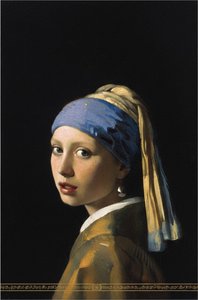
Zlatno doba Holandske umetnosti: Top 10 remek dela za vaš dom
Otkrijte remek dela Holandskog zlatnog doba! Uronite u svet Rembrandta, Vermeera i drugih majstora. 10 ikoničnih slika koje su definisale umetnost. Inspiracija za vaš dom i kolekciju - ekskluzivne reprodukcije na AllPaintingsStore.com!

Golden Light & Dutch Skies: The Timeless Magic of Dutch Golden Age Landscapes
Discover the breathtaking beauty of Dutch Golden Age landscapes. Explore the mastery of light, chiaroscuro, and 17th-century realism through an expert art history lens, celebrating the enduring legacy of the Dutch Masters for discerning collectors and art lovers.

Golden Light & Dutch Skies: Bringing the Magic of Dutch Golden Age Landscapes into Your Home
Transform your home with the breathtaking light of Dutch Golden Age landscapes. Discover how hand-painted oil reproductions of masterworks like Ruisdael and Vermeer bring timeless elegance, atmosphere, and soulful texture to modern interiors. Elevate your space with museum-quality art.

Charles Leickert: Capturing the Dutch Golden Age Light – A Comprehensive Study of Technique, Context, and Legacy
Explore the captivating winter landscapes of Charles Leickert, a master of Dutch Golden Age light & atmosphere. Discover his techniques, symbolism, and lasting legacy – a comprehensive study for art enthusiasts and collectors.
