- Додому

- Репродукція картини олією
- Марсель Дюшан
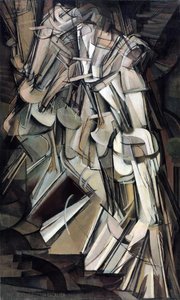
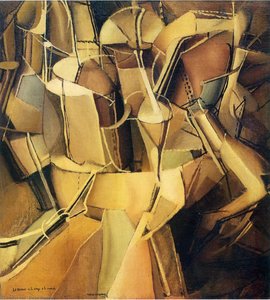
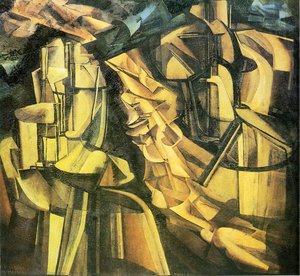
- Нюд спускающийся по лестнице №2

 Замовити друк Купити цифрове зображення
 Надіслати
 Поділитися
 Деталі витвору
 Додати до улюблених

 Завантажити
 Схожі вироби
 Рентгенівське дослідження
 Слайд-шоу
Нюд спускающийся по лестнице №2
 Олія на полотні
- Настінне мистецтво
- Cubist Revolution
 1912
1912- Модерн і сучасне мистецтво
 89.0 x 147.0 cm
 Филладельфийський музей искусств
 Розгорнути текст
Олійная репродукція ручної роботи
Написана вручну олією на полотні у вашому розмірі та рамі, виготовлена на замовлення нашими художниками.




P118B $10

P118H $10

P118W $10

P438Z $10

P508JH $12

P508YH $12

P805H $10

P805Z $10

P919BZ $10

P919G $10

P919XJ $10

P959ZH $10

P968JZ $12

W106C $8

W218G $10

W218JH $8

W218Y $10

W307PJ $10

W316G $10

W316PJ $8

W316Y $10

W398PJ $8

W4111J $10

W500HY $15

W500JH $15

W692G $12

W849H $8

W940BG $15

W953PJ $8




Обирайте з наших стандартних розмірів, що відповідають оригінальним пропорціям твору мистецтва.

Ви можете вказати власні розміри, щоб репродукція підійшла до конкретної рами або інтер'єру. Якщо вибраний вами розмір не відповідає пропорціям оригіналу, ми або обріжемо полотно, або доповнимо картину додатковими елементами, промальованими вручну. Цифровий макет буде надіслано вам на затвердження перед початком виробництва.
Зверніть увагу, що попередній перегляд на екрані не відображає фактичне обрізання або розширення зображення. Тільки макет точно покаже остаточну композицію.
Хоча ми можемо виготовити виріб у нестандартному розмірі, для збереження оригінальних пропорцій рекомендуємо обирати варіанти зі встановленого списку.
Після оформлення замовлення команда AllPaintingsStore.com зв'яжеться з клієнтом електронною поштою для отримання інструкцій та надасть попередній макет
Доставка по всьому світу () за 3–4 тижні замість стандартних 5 тижнів. (16 Липень). Без жодних компромісів у якості.

Безкоштовна експрес-доставка по всьому світу

Високоякісне лляне полотно

Повне страхове покриття доставки

Гарантія відшкодування митних зборів

Гарантія точного відтворення кольорів

Політика повернення протягом 60 днів (лише у разі виявлення дефектів)

Гарантія повернення 100% коштів

Знижка на багатоелементні замовлення
 Скляний варіант доступний лише для розмірів до 110 см

Нюд спускающийся по лестнице №2
Матеріал репродукції
Розмір репродукції
-


Підсумкова ціна
-
Опис твору
Революційна Кубістська Шедевр: Нюд Спускається Сходами №2
Нюд Спускається Сходами №2 Марселя Доучампа – це шедевр кубізму, який перевернув уявлення про мистецтво та перспективу. Цей новаторський твір є вершиною кубістського руху, що прагнув зображувати об'єкти з кількох точок зору одночасно. Картина захоплює суть руху вперед, роблячи її ключовим елементом історії мистецтва XX століття. Динамічна Композиція та Техніка У картині представлено складну композицію з переплетених конусів і циліндрів абстрактних елементів, що символізують ритм і рух. Доучамп використовує різкі кутові лінії та перекриваються форми для створення відчуття глибини та тривимірності. М’яка палітра кольорів, домінувана охрами та коричневими відтінками, додає картині чарівний час і елемент класики. Прозорі шари фарби підсилюють тактильні властивості роботи, роблячи її особливо привабливою для колекціонерів та дизайнерів інтер'єру. Історичний Контекст та Вплив Картину представили на Салоні Незалежних у Парижі в 1912 році і спочатку вона була відхилена кубістами через те, що вважалася занадто футуристичною. Проте вона отримала широке визнання на Арсенальній Виставці в Нью-Йорку в 1913 році, де викликала бурхливу дискусію та критику. Інноваційний підхід Доучампа до зображення руху вплинув на наступні мистецькі течії, зокрема футуризм і дадаїзм. Його творчий дух був справжньою революцією в мистецтві! Символізм та Емоційний Відгук Розбита фігура символізує складність і багатогранність сучасного досвіду. Динамічна взаємодія форм і ліній передає відчуття енергії та життєвої сили, запрошуючи глядача замислитися над течією часу та руху. Доучамп прагнув не просто відтворити світ, а викликати в глядачів емоції та інтелектуальні роздуми. Його мистецтво – це справжнє дзеркало душі! Чому Цю Репродукцію? Придбайте частинку історії мистецтва з нашою високоякісною репродукцією Нюда Спускається Сходами №2. Ідеально підходить для любителів мистецтва, колекціонерів та дизайнерів інтер'єру, які прагнуть додати в свій дім елемент модерністської культури та витонченої естетики. Ми гарантуємо збереження оригінальної красоти та глибини твору Доучампа у вашому будинку!- Висока Якість Репродукції:
- Ідеальний Вибір для Декору:
- Справжня Історична Значення:
Схожі витвори мистецтва





Біографія митця
Marcel Duchamp: A Revolutionary Spirit
Marcel Duchamp, born Henri-Robert-Marcel Duchamp in 1887 in Blainville-Crevon, Normandy, was more than an artist; he was a philosophical provocateur who fundamentally altered the course of modern art. His early life, though seemingly conventional – nurtured within a family that appreciated artistic expression with both brothers pursuing successful careers as artists – hinted at the iconoclasm to come. Duchamp initially pursued formal training, mastering traditional techniques and experimenting with post-impressionist styles. However, this academic foundation served not as an end in itself, but as a springboard for questioning the very nature of art, its purpose, and its definition. He wasn’t content merely to depict the world; he sought to challenge how we perceive it, and what constitutes artistic value. This restless intellectual curiosity would become the defining characteristic of his prolific career.Early Artistic Explorations: Cubism and Impressionism
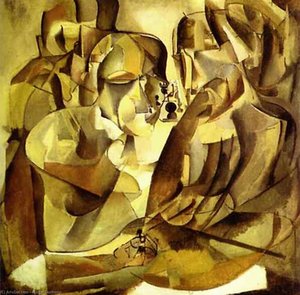
Duchamp's initial foray into art began with a fascination for Cubism, spearheaded by Pablo Picasso and Georges Braque. Influenced by Cézanne’s exploration of geometric forms and spatial relationships, Duchamp produced works like *Portrait of Chess Players* (1911), demonstrating an early grasp of fragmented perspectives and multiple viewpoints—a decisive departure from the single-point perspective dominant in traditional painting. Yet, he swiftly recognized that simply rearranging visual elements wasn't sufficient to address the deeper philosophical concerns animating him. He diligently honed his skills in watercolor and gouache, mastering techniques that allowed for nuanced tonal gradations and subtle textural variations – skills that would prove invaluable throughout his artistic journey. These formative experiences instilled in him a profound appreciation for craftsmanship while simultaneously fueling his desire to transcend mere representation.The Dadaist Rebellion: Challenging Artistic Conventions
The horrors of World War I profoundly impacted Duchamp’s worldview, shattering his faith in reason and prompting him to embrace Dadaism—a movement born out of utter disillusionment and vehement rejection of logic, rationality, and the established artistic conventions of the time. Dadaists like Tristan Tzara and Hugo Ball sought to dismantle bourgeois values and satirize societal hypocrisy through absurdist poetry, performance art, and collage. Duchamp wholeheartedly embraced this rebellious spirit, producing provocative pieces that deliberately defied aesthetic standards and questioned the role of the artist in society. His Dadaist output included collages incorporating found objects—such as newspaper clippings and photographs—that juxtaposed disparate images to create jarring visual effects. This period solidified his conviction that art should provoke thought and confront uncomfortable truths.The Birth of Conceptual Art: The Readymade Revolution
Duchamp’s most enduring contribution to the history of art arrived in 1917 with the introduction of the ‘readymade.’ Recognizing that artistic creativity didn't necessarily reside in skillful execution but rather in conceptual innovation—the idea behind the artwork—he selected an ordinary manufactured object – Marcel Duchamp famously chose a urinal (*Fountain*) – signed “R. Mutt,” and submitted it to an exhibition organized by Guy Debord and Tristan Tzara. This audacious act challenged the very definition of art, arguing that it was the artist’s intention, not its physical form, that conferred artistic significance. The resulting uproar solidified Duchamp's position as a pioneer of Conceptual Art—a movement that prioritized intellectual discourse over visual aesthetics.Later Works and Legacy: Exploring Symbolism and Complexity
Throughout his subsequent career, Duchamp continued to explore complex themes and intricate visual puzzles. His monumental *The Large Glass* (1915–1923), a labyrinthine assemblage of glass panels adorned with enamel paint and miniature sculptures, represents an ambitious attempt to synthesize Cubist fragmentation with Surrealist dreamlike imagery—a testament to his unwavering commitment to artistic experimentation. He meticulously crafted intricate geometric patterns and explored the interplay between light and shadow, demonstrating a mastery of technique that belied his philosophical stance. Duchamp’s influence extended far beyond the confines of Conceptual Art, inspiring artists across disciplines to question established norms and embrace unconventional approaches. His legacy endures as a symbol of artistic freedom and intellectual courage—a reminder that art can challenge conventions and provoke profound contemplation. He died in Paris in 1968, leaving behind an unparalleled body of work that continues to fascinate and inspire audiences worldwide.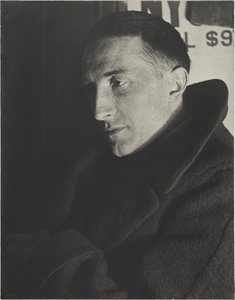
Марсель Дюшан
1887 - 1968 , Франція
Короткі факти
- Artistic Movement Or Style:
- Кубізм
- Дадаїзм
- Концептуальне мистецтво
- Artists Or Movements Influenced By This Artist:
- Концептуальне мистецтво
- Поп арт
- Мінімалізм
- Date Of Birth: 28 липня 1887 р.
- Date Of Death: 2 жовтня 1968 р.
- Full Name: Marcel Duchamp
- Nationality: Французький
- Notable Artworks:
- Фонтан
- Л.Х.О.О.К.
- Велике скло
- Боîte-en-valise
- Place Of Birth: Блейнвіль-сюр-Мер, Франція
Пов'язані статті

Топ-10 шедеврів кубізму: виразність форми та новаторство в мистецтві для вашого інтер'єру
Відкрийте для себе 10 шедеврів кубізму від Пікассо, Брака та інших геніїв! Історія мистецтва, виразність форми та кольору. Репродукції картин високої якості для вашого інтер'єру на AllPaintingsStore.com. Дослідіть колекцію онлайн!

Гармонія Контрастів: Інтеграція Сучасної Абстрактної Живопису в Класичні Інтер'єри для Вічної Елегантності
Відкрийте гармонію контрастів! Експертні поради від AllPaintingsStore щодо інтеграції сучасного абстрактного живопису в класичні інтер'єри. Підберіть ідеальне мистецтво для вашого дому – ексклюзивні репродукції та картини на замовлення з доставкою по Україні.

Antoine Blanchard (Marcel Masson): Parisian Abstraction & the Legacy of Automatism
Explore the captivating world of Antoine Blanchard (Marcel Masson) and his nostalgic Parisian scenes. Discover his artistic influences, unique style, and the challenges of authentication. Expert insights & art appraisal information.
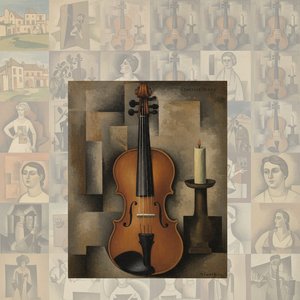
Топ-25 шедеврів Жоржа Брака: мистецтво кубізму для вашого дому | AllPaintingsStore
Відкрийте для себе 25 найвідоміших шедеврів Жоржа Брака! Пориньте у світ кубізму, аналізуйте кольори та техніку легендарного французького художника. Репродукції картин Брак для вашого дому – на AllPaintingsStore.com
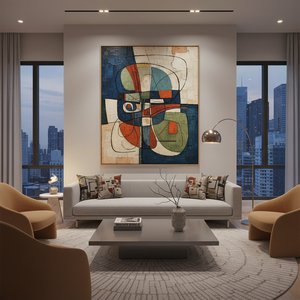
Абстрактне мистецтво в інтер'єрі: як створити вишуканий та сучасний простір
Дізнайтеся, як абстрактне мистецтво може перетворити ваш інтер'єр! Професійні поради від експертів для фріланс-декораторів та власників осель. Створюйте вишуканий та сучасний простір з нашими рекомендаціями.