

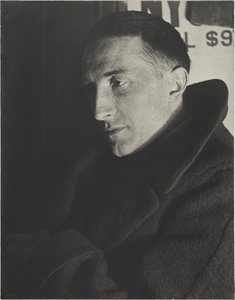
Чорно-біла фотографія.

§ 1Дані каталогу


Цей твір захищено авторським правом
Мистецький твір, представлений на цій сторінці, захищений законом про авторське право, що унеможливлює легальне створення або продаж його ідентичної репродукції. Цей захист забезпечується відповідно до міжнародних угод, таких як Бернська конвенція та національним законодавством, зокрема положеннями, що викладені в Законодавство США про авторське право — Розділ 17. Всі права захищені. Будь-яке використання без дозволу заборонено.
Як шанобливу та законну альтернативу, ми пропонуємо унікальні картини ручної роботи, створені натхненням від оригіналу. Наші досвідчені професійні художники ретельно вивчають стиль, настрій та художню сутність оригіналу, щоб створити новий, неповторний твір, який викликає ті ж почуття, — залишаючись при цьому самобутнім творінням.
Цей метод повністю відповідає нормам авторського права, оскільки він не передбачає копіювання чи дублювання захищеного твору мистецтва. Натомість це творче переосмислення — створення нового малюнка під впливом оригіналу, який не є його точним відтворенням.
 Читати далі
§ 2Абстракція
Опис експоната
This provocative monochromatic portrait of Marcel Duchamp as his female alter-ego Rrose Sélavy captures the playful ambiguity of Dadaism and invites you to discover this legendary piece of conceptual art.
Біографія митця
Марсель Дюшан: революційний митець, який кинув виклик визначенню мистецтва через дадаїзм та реди-мейди, як «Фонтан». Дослідіть його культові роботи та філософський вплив.
§ 3Коментар
Introduction to Marcel Duchamp
Marcel Duchamp (July 28, 1887 – October 2, 1968) was a French-American painter, sculptor, chess player, and writer whose work is associated with Cubism, Dada, and conceptual art. He is commonly regarded as one of the three artists who helped to define the revolutionary developments in the plastic arts in the opening decades of the 20th century, responsible for significant developments in painting and sculpture.The Painting: 'Rrose Sélavy'
Marcel Duchamp's "Rrose Sélavy" is an oil painting created in 1921. The painting depicts a female figure, which is one of the pseudonyms of the artist himself. The name, a pun, sounds like the French phrase 'Eros, c'est la vie', which translates to English as 'eros, that's life'. It has also been read as 'arroser la vie' ('to make a toast to life').Style and Influence
Duchamp's work is known for its conceptual nature, often challenging traditional notions of art. His use of puns and wordplay in his art reflects his interest in language and meaning. The painting "Rrose Sélavy" is a prime example of this, as it explores the relationship between identity, gender, and art.Relevance Today
Duchamp's work continues to be relevant today, as his exploration of language, meaning, and identity resonates with contemporary concerns. His use of puns and wordplay in his art has influenced many contemporary artists, who continue to explore these themes in their own work.Conclusion
In conclusion, Marcel Duchamp's painting "Rrose Sélavy" is a significant work that reflects the artist's interest in language, meaning, and identity. The painting continues to be relevant today, as its exploration of these themes resonates with contemporary concerns.Further Reading
To learn more about Marcel Duchamp and his work, please visit the following links: Rrose Sélavy, or Rose Sélavy, was one of the pseudonyms of artist Marcel Duchamp. The name, a pun, sounds like the French phrase 'Eros, c'est la vie', which translates to English as 'eros, that's life'. It has also been read as 'arroser la vie' ('to make a toast to life'). Sélavy emerged in 1921 in a series of photographs by Man Ray of Duchamp dressed as a woman. Through the 1920s Man Ray and Duchamp collaborated on more photos of Sélavy. Duchamp later used the name as the byline on written mate... Painting by 'Marcel Duchamp' | Marcel Duchamp:Rrose Sélavy (Dadaism,Oil,)Питання та відповіді
Кольори «Rrose Sélavy» роботи Марсель Дюшан яскраві чи приглушені?
Кольори твору «Rrose Sélavy» роботи Марсель Дюшан вирізняються Приглушений насиченістю та Монохромний інтенсивністю.
Для чого рекомендується використовувати репродукцію «Rrose Sélavy» роботи Марсель Дюшан?
Рекомендований спосіб використання «Rrose Sélavy» роботи Марсель Дюшан — це Акцент. Також він може слугувати для інших цілей.
Кольори у творі "Rrose Sélavy" виглядають насиченими чи ніжними?
Кольори в «Rrose Sélavy» роботи Марсель Дюшан мають Монохромний насиченість.


 Перейти до друку


 Для творів мистецтва або репродукцій, розмір яких перевищує 105 см (приблизно 41 дюйм) з будь-якого боку, рама доставляється у вигляді розібраного комплекту. Такий метод гарантує безпечну доставку та запобігає пошкодженням під час транспортування.


