

1944. Acrylic On Canvas.

§ 1Catalogue data


§ 2Abstract
藏品详情
Fernand Léger’s ‘Green Tree,’ painted in 1944, presents a surreal and captivating scene featuring a tree with a human face amidst industrial forms, embodying the artist's signature Cubist style. Discover this unique artwork and bring its vibrant expression into your space.
 展开全文
展开全文
艺术家简介
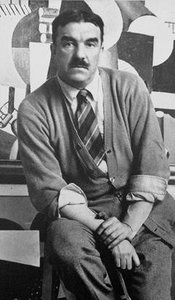
法国艺术家费尔南·莱热(1881-1955),现代主义先驱,以其独特的“筒状主义”和对机械美学的探索而闻名。他的作品融合了抽象与具象,预示着波普艺术的到来,并以大胆的色彩和简化形式描绘现代生活与工业景观。
§ 3Commentary
A Surreal Portrait of Industrial Age Anxieties: "Green Tree" by Fernand Léger
Fernand Léger’s “Green Tree,” painted in 1944, is more than just a depiction of a tree; it's a potent visual distillation of the anxieties and fascinations that defined the early 20th century. This seemingly simple image – a vibrant green tree with a deliberately anthropomorphic face, bathed in the glow of a yellow sun – unfolds as a complex meditation on modernity’s impact on humanity and the natural world. Léger, a key figure in the Cubist movement, was deeply concerned with representing the burgeoning industrial landscape, and “Green Tree” embodies this preoccupation with striking clarity.
- Subject Matter: The central subject is undeniably a tree, yet it’s transformed into an almost mournful portrait. The addition of a human-like face imbues the tree with a sense of awareness, perhaps even sorrow, suggesting a displacement or alienation within the rapidly changing world.
- Symbolism: The yellow sun, often associated with optimism and enlightenment, here feels somewhat melancholic, casting a warm but ultimately isolating light on the tree’s visage. Scattered objects – a clock, handbag, scissors – are not merely decorative; they represent the detritus of modern life, hinting at a loss of connection to nature and traditional values.
- Composition: Léger's signature geometric style is evident in the fractured forms of the tree and the surrounding elements. This deliberate fragmentation reflects the breakdown of traditional perspectives and the unsettling feeling of disorientation that accompanied industrialization.
Léger’s Cubist Vision and the Machine Age
Created during a period of immense social and technological upheaval, “Green Tree” is firmly rooted in Léger's artistic philosophy. He rejected purely abstract art, believing it detached from reality. Instead, he sought to capture the essence of modern life – the dynamism of machines, the angularity of urban landscapes, and the impact on human form – through a style he termed "Tubism," later evolving into “Concrete Art.” This approach involved breaking down objects into their fundamental geometric shapes, reassembling them in new configurations, and emphasizing the mechanical aspects of the world. Léger was profoundly influenced by the rise of industrialization and its effect on the human psyche, reflecting this concern through his art.
- Technique: Léger employed a bold, almost brutalist technique characterized by thick impasto – layers of paint applied with considerable force – creating a textured surface that emphasizes the physicality of form. The use of primary colors – green, yellow, and touches of brown – contributes to the painting’s raw energy and emotional intensity.
- Historical Context: Painted in 1944, during World War II, “Green Tree” carries an added layer of significance. The anxieties surrounding conflict, technological advancement, and the potential for destruction are subtly embedded within the artwork's unsettling imagery.
Emotional Resonance and Artistic Legacy
"Green Tree" is not a comfortable image; it’s deliberately provocative and emotionally charged. Léger wasn’t interested in creating pretty pictures; he wanted to confront viewers with the realities of modern life, prompting reflection on humanity's relationship with technology and nature. The painting’s enduring appeal lies in its ability to tap into universal anxieties about change, displacement, and the loss of innocence. Léger’s influence extends far beyond Cubism, shaping the course of 20th-century art and inspiring generations of artists to explore the possibilities of abstraction while remaining connected to the observable world.
Artist: Fernand Léger Date: 1944 Movement: Cubism, Concrete Art常见问题与解答
费尔南·莱热 的《Green Tree》 是运用了强烈的对比,还是呈现出柔和的和谐?
在“Green Tree”中,Statement的对比与Balanced Harmony的和谐交相辉映。
费尔南·莱热 的《Green Tree》 的色彩是如何与其情感表达相联系的?
费尔南·莱热 的《Green Tree》 的 Dark 色调与其 Playful 的情感基调相得益彰。色彩是作品传达情感的表达方式之一。
费尔南·莱热 的《Green Tree》 属于哪种艺术流派?
费尔南·莱热 的《Green Tree》 所属的艺术流派为 Cubist Modernity。这一分类将该作品置于相关艺术家及艺术作品的语境之中。


 切换至版画销售渠道


 对于任何边长超过 105 厘米(约 41 英寸)的艺术品或复制品,画框将以拆解后的组件形式发货。此方法可确保安全送达并防止运输过程中的损坏。


