

1943. , 56.0 x 76.0 cm.

§ 1目录数据

- 56.0 x 76.0 cm

 了解更多
§ 2摘要
艺术家简介
Explore Gerome Kamrowski's surrealist & abstract expressionist art. Discover his cosmic rhythms, dynamic symmetry, and influence on modern American art.
1943. , 56.0 x 76.0 cm.
Explore Gerome Kamrowski's surrealist & abstract expressionist art. Discover his cosmic rhythms, dynamic symmetry, and influence on modern American art.

1914 - 2004, United States

AllPaintingsStore.com, “Gerome Kamrowski, Forest Forms (1943)”, https://allpaintingsstore.com/zh/art/gerome-kamrowski-forest-forms-AQRUAX-en/ArtistReproduction/ (访问于 22 October 2026).
由我们的艺术家按需定制,为您提供您所选尺寸及画框的布面手工油画。 ( 切换至版画销售渠道 切换至数字图像销售渠道)
订单明细页的边栏中已有注明;该页目前的记录如下。
Forest Forms
复刻品尺寸
更丰富的细节、更精湛的工艺以及更充裕的制作时间
-
对于任何边长超过 105 厘米(约 41 英寸)的艺术品或复制品,画框将以拆解后的组件形式发货。此方法可确保安全送达并防止运输过程中的损坏。
需由专业人员组装 —— 本产品不适用于 DIY 操作。
该组件必须由经验丰富的专业装裱师进行组装及画布绷装,过程中需使用木工胶(不随附)、画布绷边钳以及夹具,以确保在胶水干燥期间保持内框方正。组装不当或画布张力不均可能会对艺术品造成永久性损坏,且此类情况不在我们的保修范围之内。
包含所有实木条,尺寸精确,便于组装。
使用随附的螺丝进行组装,另需准备用于角部连接的木工胶(本品不含木工胶),请由您的装裱师自行准备。
需另备专业工具(本套件不含):画布绷紧钳以及用于在胶水干燥过程中保持木条方正的夹具。
重要提示:
角部连接处需要使用木工胶,边框条必须使用夹具固定直至胶水完全干透,且在组装好的框架上绷紧画布需要用到画布拉伸钳。以上工具均不包含在套装内。请在订购此尺寸前,预先联系经验丰富的专业装裱师。
-
光泽清漆(提亮色彩,防光防潮)
定制化示例:替换面部为客户照片;添加宠物(例如,将猫替换为狗);在背景中加入隐藏信息;更改背景风景或元素。
全球配送()仅需 3-4 周即可送达,无需等待标准时效的 5 周。(19 November)。品质始终如一,绝不妥协。
全球配送(),预计 5 周送达。(26 November)。
每份订单均包含
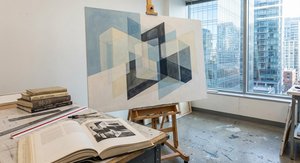
Explore the captivating world of geometric abstraction! Discover its origins, key artists like Malevich & Mondrian, and why this movement remains highly valued by art collectors today. Expert insights at AllPaintingsStore.

Explore Karl Blossfeldt's groundbreaking *Urformen der Kunst* & pioneering botanical photography. Discover the aesthetic power of nature, New Objectivity influences, and his lasting impact on modern art. Learn about collecting key works.

Journey through the radical world of Kazimir Malevich. Explore 25 iconic Suprematist masterpieces, from Black Square to White on White. Discover the stories behind these geometric legends and find museum-quality art reproductions for your space. Explore the full collection on AllPaintingsStore.com.

Explore the evolution of pine forest art from Sorolla to Van Gogh through expert analysis. Discover the soul of the woodland canvas today.


 对于任何边长超过 105 厘米(约 41 英寸)的艺术品或复制品,画框将以拆解后的组件形式发货。此方法可确保安全送达并防止运输过程中的损坏。


