

High Medieval 艺术家 at a glance
Famous High Medieval 艺术家 — Top 96 List
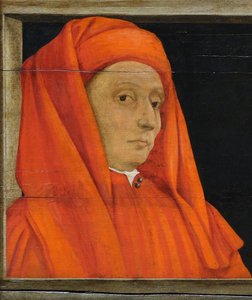
喬托·迪·邦多內 (1267–1337) is the most famous High Medieval 艺术家, best known for 宝座上的圣母(奥格尼桑蒂圣母) 及 第19号基督生平场景:3. 基督在圣殿的奉献. Then 杜喬·迪·博尼塞尼亞, 契马布埃, 赵孟頫 及 朱熹. The list covers 96 艺术家 born between 970 and 1269 in 25 countries, from Xu Daoning to Huang Gongwang.
Method. Scope: artists filed under High Medieval in our catalogue. Order: our artist fame ranking. Excluded: artists born after 1955 without a Wikidata identifier. Wikipedia figure: languages with an article, out of our 32.


Key data
High Medieval: key data
- 96艺术家
- 970–1269出生年份
- 25出生国家
- 3女性
- 3在世艺术家
- 1429馆藏作品
- 收藏核心作品最多的博物馆
- 大都会艺术博物馆 (12), 國立故宮博物院 (8), The Palace Museum (8), 克利夫兰艺术博物馆 (7)
- 榜单中的女性艺术家
- Herrad of Landsberg, Guan Daosheng, Hildegard von Bingen
Ranked list
96 High Medieval 艺术家, ranked with key works


Key works · Top 100 works


4/ 96
赵孟頫 1254–1322
中国 b. 湖州 文人画;山水画 Wikipedia 18/32

赵孟頫(1254–1322)是 元代 艺术史上的丰碑式人物,亦被视为中国现代 山水画 的奠基人。他的艺术视野从根本上挑战了既有的传统规范,开启了一个前所未有的风格创新时代,其影响力至今仍在中国艺术传统中激荡回响。出生于显赫的宋朝贵族世家,赵孟頫的早年生活虽享有优渥的地位,却也深受动荡政局的洗礼——蒙古的征服深刻地改变了中国的文化版图。作为宋室皇族的后裔,他的血液中流淌着一个王朝陨落的沉重记忆,这种身份或许正是其笔触中蕴含深沉怀旧情怀与文人深度的源头。 尽管在忽必烈及随后的蒙古统治者麾下担任武官,赵孟頫从未放弃对学术与艺术的追求。他步入声名显赫的翰林院,与文人志士们并肩磨砺才学,共同孕育了一个具有开创性的艺术探索时代。这种对博学与艺术的双重追求,对他对中国 艺术史 的变革性贡献至关重要。他的生命仿佛一场精妙的平衡艺术,一边是身为兵部高官的职责重担,另一边则是墨迹在纸上律动时所带来的精神解脱。 赵孟頫的艺术突破发生在一个艺术风格相对保守的时代。当许多画家仍恪守着宋代画院那种严谨的程式化风格——将 细腻的细节 与理想化的写实表现置于首位时——赵孟頫却倡导了一种截然不同的路径。他刻意摒弃了宋代山水画中典型的层峦叠嶂式构图,转而追求一种强调简约与即时感的表现技法。他不再费力地将远山深谷堆砌成宏大的全景图,而是通过对中景元素的精妙布局来捕捉景物的神韵,在不依赖复杂透视法的情况下,巧妙地营造出深邃的意境。 这种以含蓄优雅和深刻心理洞察为特征的手法,逐渐演变为人们所熟知的 山水画 。他的作品往往蕴含着浓厚的 文人画风格 ,在这种风格中,艺术家的个人情感表达与文人气质的升华,远比单纯模仿自然更为重要。凭借对多种书法书体的精湛驾驭,他架起了文字与图像之间的桥梁,将山水的每一笔线条都视作宏大而静默的诗篇中的字迹。他赋予单色水墨以如此充沛的生命力,使得那些云雾缭绕的山峰与古老森林的意象,能在笔墨间焕发出无与伦比的灵动感。 赵孟頫 的多才多艺或许是他最伟大的成就。尽管他作为山水画革命者的地位举世闻名,但他对书法及 动物绘画 的贡献同样深远。他拥有一种超凡脱俗的能力来驾驭 行楷 ,创作出的作品宛如跨越世纪的桥梁,将唐 朝 的传奇大师与元代不断演变的艺术需求紧密相连。他的书法题跋不仅仅是文字的记录,更是富有韵律感的艺术构图,与他山水画中的结构美感交相辉映。 在对动物,尤其是骏马的描绘中,赵孟頫 营造出一种灵动之气与田园宁静交织的意境。如《 白马行 》等作品,展现了他捕捉动中之静的非凡能力,通过细腻的青色调与灵动的笔触,引领观者进入一个永恒且富有节奏感的艺术世界。他的艺术造诣还涵盖了: 水墨山水: 以其“山水”之神韵著称,摒弃了繁琐的细节堆砌。. 书法题跋: 通过精妙的重构与独到的评述,提升了笔墨线条的艺术地位。. 白描风格: 以抒情性的线条进行创作,如他在诠释《 九歌 》等作品中所展现的笔墨韵律。. 动物肖像: 以文人雅士的审美视角,捕捉骏马的尊严与生命活力。. 赵孟頫的艺术成就及其历史地位,无论如何评价都不为过。他毅然背离了宋代那种写实性的 写实主义 风格,转向一种更具表现力、更具主观色彩的艺术表达,从而为在随后数百年间主导 中国艺术 的 文人画传统 奠定了坚实的基础。他将绘画从一种单纯的描摹技艺,升华为一种追求自我表达与精神反思的智力活动。这种深远的影响力,在后世一代又一代画家的笔触中清晰可见,他们不再仅仅满足于捕捉世间之形,更致力于捕捉山水之魂。 即便在今日,当我们凝视他笔下那气势磅礴的远景与韵律十足的书法时,依然能感受到这位大师在剧烈的政治动荡时代中所展现出的生命韧性——他通过创造一个美到无与伦比的精神世界,完成了对现实的超越。赵孟頫始终是文化传承的灯塔,他回首往昔的辉煌,并以此为基石,为通往全新、现代艺术意识的道路开辟了先河。


5/ 96
朱熹 1130–1200
中国 b. 福建 Wikipedia 31/32

朱熹是南宋时期杰出的中国哲学家、历史学家、政治家、诗人及书法家。他出生于福建,是理学(新儒家)发展的领军人物,致力于将道德修养、经学诠释、礼仪实践与宇宙论理论融合成一个严密的思想体系。他的学术思想强调严谨的治学与伦理修身,尤其是通过一种被称为“格物致知”的方法论,探求事物背后的理趣。 在漫长的一生中,朱熹曾多次出任政府官员,其中包括担任南康军 prefect 期间,他重兴了著名的白鹿洞书院。他是一位高产的作家与编纂者,曾汇编并编辑了近百部著作。他对《四书》的详尽注解,最终成为了历代科举考试的核心经典。 除了在哲学领域的卓越贡献,朱熹在书法艺术方面亦有深厚造诣。他早年研习曹操书风,后精于钟繇的楷书与颜真卿的行草书。他的笔触被评价为圆润、流畅、稳健且富有动感,展现出一种沉稳而优雅的气韵。他在行书与草书方面均表现出极高的造诣,尤其在书写大字时,更显功力深厚。 现存的朱熹书法作品多为行书短笺。在其公认的传世杰作中,最为人称道的是那卷行草书作品—— 《草堂书卷》 。这卷手卷包含了朱熹亲笔书写的102个字符,并收录了宋代与明代多位学者的题跋,具有极高的艺术与文献价值。
Key works · Top 100 works
6/ 96
马远 1160–1225
中国 b. 杭州 马夏画派,南宋 Wikipedia 19/32

若要领悟南宋山水的精髓,必须审视马远对“留白”的运用。他不仅仅是在描绘山峦,更是在构建空间。他那标志性的“残山剩水”式构图,将世界的重量推向丝绸的边缘,让广袤、灵动的云烟与空气占据中心。这与早期那些繁复、宏伟的山水风格截然不同。通过将主体——无论是形单影只的文人、嶙峋的峭壁,还是苍劲的古松——推向一角,他迫使观者去直面那些未着墨之处所蕴含的力量。这种对负空间的运用创造出一种张力,使得画面中可见的元素显得更加紧凑且厚重。 他的技法建立在果断且富有节奏感的笔触之上。他摒弃了前辈们那种柔和、绵延的风格,转而追求一种更具质感、近乎结构性的表现手法。他笔下的 松树 ,线条往往如铁丝般锐利且坚韧。这并非为了捕捉自然的摄影式写实,而是为了萃取其本质的神韵。在《 观瀑图 》等作品中, 水墨晕染 层层递进,运用微妙的色调变化来营造深度与意境,而无需依赖沉重的轮廓线。其结果是,画面中的山水既有一种身临其境的真实感,又散发出一种超脱尘世的灵性距离。 马远出生于一个以绘画为职业传承的家族。他的家族血脉深植于宫廷之中,其曾祖父马汾曾效力于北宋,而他的父亲与祖父在南宋时期也担任过类似的职务。这种显赫的家世赋予他的不仅仅是技艺的熏陶,更让他得以接触到最高层级的艺术赞助。他最终在宋光宗时期任职,并深受宋宁宗的赏识,后者甚至从马远的画作中汲取诗歌创作的灵感。这种与宫廷的紧密联系,确保了他的艺术风格成为了那个时代的典范。 他的影响力远超中国疆界。他与夏圭共同定义的“马夏画派”,成为了塑造“浙派”美学的主导力量。甚至连日本早期的画家如峻植(Shūbun)和雪舟(Sesshū)也采纳了他的创作手法,这证明了他独特的观察世界的方式具有超越地理限制的生命力。他的遗产体现在后世艺术家如何运用水墨去暗示无穷的境界,将一张平凡的纸张,化作一扇通往深邃宁静之境的窗户。


7/ 96
郭熙 1020–1090
中国 b. 扬州 北宋山水画 Wikipedia 16/32

Unlike preceding styles which often prioritized stylized representations, Guo Xi championed a revolutionary approach—the “angle of totality,” or “floating perspective”—that sought to capture the illusion of depth and atmosphere with unprecedented realism. This monumental painting exemplifies his mastery of “floating perspective,” transporting the viewer into a breathtaking vista of snow-capped peaks and verdant valleys.


8/ 96
宋徽宗 1082–1135
中国 b. 开封 宋代;瘦金体书法 Wikipedia 19/32

在中国历史的长河中,很少有像 宋徽宗 这样的人物,能如此深刻地体现出崇高艺术与政治灾难之间那场悲剧性的交汇。他于1082年出生,名为赵佶,在文化繁荣达到巅峰的时代登上帝位,然而他的统治最终却成为了北宋衰落的代名词。审视他的作品,仿佛是在见证一个沉浸于自然美学与宫廷高雅韵致的灵魂。他不仅仅是一位涉猎艺术的统治者,更是一位真正的博学家——作为画家、诗人、书法家和音乐家,他的创造性视野塑造了一个时代的文化底蕴。 他生命的上半场,被极致的奢华、精致的生活和对知识的追求所定义。作为艺术的赞助人,他将皇室宫廷转化为了人才的避风港,设立了 翰林图画院 ,汇聚了来自帝国各地的顶尖大师。他的私人收藏堪称传奇,传闻其中藏有六千多幅画作,反映出他对保存前朝之美的深切痴迷。在“宣和”盛世时期,宫廷音乐得到了精妙的升华,复杂的园林设计也随之兴起,这一切都源于他对道教的热爱以及对美学极致境界的追求。 宋徽宗的 艺术遗产 ,在其对细腻自然题材的精妙掌控中体现得最为生动。与许多专注于宏大山水的同时代画家不同,宋徽宗在生灵世界的细微之处寻得了深邃的意蕴。他的主要创作题材——花鸟——以一种捕捉生命瞬时本质的精准度被呈现出来。在《 落英缤纷中的五彩鹦鹉 》等作品中,人们可以感受到他赋予丝绸与水墨生命力的能力,为观者开启了一扇通往宁静、理想化自然之境的窗户。 除了绘画,他对 中国书法 的贡献亦是举世无双。他被誉为“瘦金体”的开创者,这种独特的书写风格带有他鲜明的个人印记。这种书法技法以纤细、锐利且优雅的笔触为特征,宛如金丝缠绕,又似“金错刀”般锋芒毕露。这些线条所展现出的力度与风韵,反映出一种既严谨自律又行云流水的手法,能够同时传达出结构的刚劲与超凡脱俗的轻盈。他对艺术的痴迷甚至延伸到了礼仪层面;他的《 点茶图 》(或相关茶事论述)至今仍是关于茶艺最精妙的历史记载之一,阐释了他如何将仪式之美注入到 日常生活 的每一个角落。 然而,宋徽宗在文化成就上所展现出的璀璨光辉,却与他晚年所经历的政治动荡形成了极其鲜明且令人心碎的对比。随着金朝的入侵,那个繁荣与和平交织的时代戛然而止。公元1126年,面对步步逼近的敌军,皇帝试图通过禅位给其子赵桓来抵御即将到来的风暴,这一绝望的举动未能挽救王朝。这段被称为 靖康之难 的历史,成为了中国帝制时代最令人蒙羞的篇章之一。 随着汴京的沦陷,宋徽宗及其皇室成员相继被俘。这位曾经尊贵的君主被剥夺了帝王的尊严,被押往北方沦为阶下囚,甚至被嘲弄地封为 昏君 。这位曾经主宰着世界上最精致、最优雅宫廷的统治者,最终沦落异国他国的囚徒。尽管他在生命最后的岁月里经历了肉体与政治地位的双重坠落,但他的艺术影响力却在岁月中长存。1135年,他于五国城病逝,留下的遗产既是对人类创造天才的永恒见证,也是对文明脆弱性的一次沉痛警示。 宋徽宗的历史意义在于他那双重身份的交织:他既是文化的缔造者,也是一位陨落的君主。尽管历史学家常对其治国理政的能力展开争论——往往将帝国的脆弱归咎于他沉溺于艺术——但无法否认他在将中国美学推向新高度方面所发挥的作用。从新书法风格的演变,到花鸟 画 的经久不衰,他的影响力在随后的数百年艺术史中清晰可见。 时至今日,他的作品宛如一座桥梁,连接着那个已逝去的皇室辉煌时代。对于现代观察者而言,他的画作不仅仅是对自然的描绘;它们是那个艺术与权力紧密交织时代的感性回响。正如当代艺术家曾梵志所指出的,他在构图中所蕴含的深邃之美——例如《听琴》中那份宁静的幽远——至今仍能引发共鸣,在动荡的个人生平之外,为世人提供了一抹超越时空的冥想之美。


9/ 96
牧谿 1210–1269
中国 b. 四川 禅宗画 Wikipedia 14/32

在十三世纪那静谧且云雾缭绕的山水间,一位来自四川省的僧侣悄然浮现,他的笔触将永远改变东亚美学的走向。 牧谿法高 ,在历史上以其禅名“牧谿”或“默溪”为人所知,他不仅是一位画家,更是一位精神的媒介,将禅宗深邃的寂静转化为水墨与纸张的语言。尽管他的个人生平大多掩映在僧侣无名的阴影之中,但他的存在却通过每一处捕捉生命瞬息本质的自发墨迹而得以感知。生于南宋末年,牧谿生活在一个文化剧烈转型的时代,他的作品成为了连接过去严谨传统与一种全新的、直觉式世界观的桥梁。 牧谿艺术造诣的根基,是在德高望重的禅师 梁楷 的指导下奠定的。这段师徒传承至关重要,因为它引导他进入了一种比起写实形体更注重神韵的风格。在这些导师的影响以及像流通寺这类寺院的禅意氛围熏陶下,牧谿发展出了一种植根于“云水”的研究技法。这种方法摒弃了学院派宫廷绘画中那种刻板、细致的描绘,转而采用一种通过墨点与宽阔挥洒的笔触来传达自然动态能量的手法。观赏牧谿的画作,便是见证一场对表象的刻意拒绝;他追求的是存在于最朴素题材之中的“气”,即那股生命的律动。 牧谿的艺术领域极其广泛,却始终锚定于一种单一且禅意的专注之中。他在神圣与世俗之间游刃有余,在宗教造像与日常事物中皆能发现深邃的意蕴。他的作品常呈现出以下特质: 神圣造像: 著名的 大德寺三联画 ,描绘了身披白衣的观音,两侧有猴与鹤相随,这体现了他赋予 宗教人物 一种自然优雅之美的能力。. 自然的简约: 他传奇般的 六柿图 或许是禅画中最具代表性的典范,果实的重量感、质感以及微妙的半透明感,通过近乎神迹般的简练线条得以呈现。. 灵动的生灵: 除了精神层面的追求,他还通过对老虎、野鹅和芦苇的描绘,捕捉了自然界原始的生命力,利用墨色的深浅变化来暗示动态与氛围。. 牧谿法高的历史意义远超中国疆界。随着政治局势的变迁,他被迫迁往临安(杭州),他的影响力随之跨海传至日本。在那里,他的“泼墨”风格成为了日本禅僧画家的基石,深刻地塑造了 水墨画(Sumi-e) 的美学。他那种在微观中发现无限——在一片落叶或一颗成熟的果实中洞察整个宇宙——的能力,为禅修者提供了延续数百年的视觉语言。即便在今天,牧谿依然是禅宗传统的巨擘,提醒着我们:真正的美不在于增添了什么,而在于留白了什么。
Key works · Top 100 works


10/ 96
圭多·达·锡耶纳 1230–1290
法国 b. 意大利 中世纪建筑/设计 Wikipedia 17/32

维拉尔·德·奥内库尔(Villard de Honnecourt)是一个笼罩在迷人神秘色彩中的人物,他是13世纪法国最重要却也最令人费解的艺术家之一。他大约于1230年出生在皮卡迪地区——那是一个在当时以艺术活力闻名的区域——而维拉尔留给世人的遗产几乎完全寄托于一本非凡的“素描本”或称《画册》( album ),该书现收藏于巴黎的法国国家图书馆。这份制作精良的手稿包含了约25 000幅涵盖惊人广泛主题的图纸与设计,从建筑平面图、机械装置到人物与动物形态的描绘,为我们提供了一个无与伦比的机会,去窥探这位真正具有创新精神的艺术家兼工程师的内心世界。由于他的生平记载极少,这为这位欧洲艺术史上的关键人物增添了更多令人神往的魅力。 这份幸存下来的素描本揭示了一位深植于古代知识与当代实践之中的智者。人们相信,维拉尔不仅仅是一名匠人,更拥有对几何、比例和建筑技术的深刻理解——这些原则虽根植于古典时代,却又被他巧妙地应用于他的时代。这份手稿是多种影响力的迷人融合,它在艺术呈现的同时附带了详尽的指令,暗示这可能是一本旨在指导建筑师与工匠的实用手册。早期的解读往往将维拉尔视为一名单纯的建筑师,但近期的学术研究提出了更为细致的角色定位:他是一位技艺精湛的工程师,甚至可能是一名受命为宗教机构寻找圣物的代理人,利用其艺术才华来记录并传播知识。手稿中包含了他在匈牙利停留“许多天”时的绘图,这暗示他在旅途中可能承担了外交或行政职责。 素描本本身就是一件非凡的文物——它是由一系列羊皮纸页以某种略显随意的形式装订而成的,这或许反映了维拉术本人或后世抄写员的编纂方式。其内容极其丰富多样,展现了一位能够游刃有余地设计高耸入云的哥特式大教堂、复杂的机械装置(包括一个迷人的水钟设计),以及对人体解剖和动物形态进行细致研究的艺术家。这些绘图展示了敏锐的观察力与对透视法的掌握——这种技能在随后的几个世纪中将变得愈发重要。值得注意的是,维拉尔声称他的许多画作是“写生”( al vif )完成的,这一点尤为引人入胜,表明其艺术实践在当时并不常见,暗示了他与周围世界之间存在着一种直接观察与互动的深度参与。 维拉尔的作品与13世纪正在改变欧洲的哥特式建筑运动有着密不可分的联系。素描本中包含了重要大教堂的详尽绘图,包括拉昂大教堂的西立面塔楼,以及兰斯大教堂的放射状小礼拜堂和中殿——这些结构体现了哥特式设计所特有的高耸感、复杂的装饰以及创新的结构解决方案。这些绘图并非简单的临摹;它们展示了对这些宏伟建筑底层原理的深刻理解——如尖拱、肋架拱顶、飞扶壁和彩色玻璃窗的使用——并反映了维拉尔记录并复制这些创新的渴望。他对细节的严谨关注,特别是在描绘建筑元素方面,揭示了他对哥特式建筑之美与复杂性的深厚鉴赏力。 虽然他的建筑图纸无疑是维拉尔作品中最著名的部分,但素描本还包含了大量的机械装置设计——这是对他发明精神和工程技能的有力证明。其中包括水钟、滑轮、杠杆及其他巧妙装置的设计方案,展示了他对力学的实用理解以及改善日常生活的愿望。此外,素描本中充满了对人体与动物形态的研究,展现了维拉尔对解剖学的掌握以及呈现写实形态的能力。他还收录了关于创作装饰图案、马赛克和其他艺术润饰技法的详细说明——这对于整个欧洲的工匠和手艺人来说都是一份宝贵的资源。 维拉尔·德·奥内库尔的遗产并不在于宏伟的纪念碑或享誉世界的杰作,而在于他那本非凡的素描本——这是一份独特的文献,为我们提供了洞察13世纪法国知识与艺术世界的无与伦比的视角。他代表了一个连接中世纪手工艺与文艺复兴创新的关键人物。他对建筑技术、机械设计和艺术实践的细致记录,为后世数代工匠与工程师提供了宝贵的资源。素描本本身被视为早期手稿插画中最重要的幸存范例之一,展示了在同时期作品中罕见的技艺水平与艺术造诣。维拉尔的影响力可以通过后来的艺术家和建筑师追溯,他们从他的设计与技术中汲取灵感,为哥特式建筑的持续发展以及文艺复兴思想在欧洲的传播做出了贡献。他的工作提醒着我们:创新往往并非源于宏大的宣言或革命性的理论,而是源于技艺精湛的匠人们对记录其手艺的那份默默奉献。 Wikipedia: https://en.wikipedia.org/wiki/Villard_de_Honnecourt.


12/ 96
Master Mateo 1161–1217
Spanish Romanesque Sculpture

While his contemporaries often relied on stylized, flat figures, Mateo meticulously studied human anatomy and the complex behavior of drapery, achieving an astonishing accuracy in his depictions.


13/ 96
乔凡尼·皮萨诺 1248–1318
意大利 b. 比萨 哥特式与罗马式融合

1248年,乔凡尼·皮萨诺(Giovanni Pisano)诞生于意大利比萨那充满艺术洗礼的熔炉之中。作为著名雕塑家尼古拉·皮萨诺(Nicola Pisano)之子,他的早年生活浸润在宏伟工艺的传统之中。正是在父亲工作室那浓厚的艺术氛围里,乔凡 尼开始吸收意大利哥特式风格所特有的严谨纪律与雄心壮志。这些最初的岁月对他而言具有奠基意义,已然成名的艺术天才之回响,指引着他初露锋芒的天赋。在早期的重要合作中,无论是参与锡耶纳大教堂(Siena Cathedral)的讲道坛(1265–1268),还是佩鲁贾的大喷泉(fontana maggiore,完成于1278年),都展现了他从父亲手中继承而来的、对形态无可置疑的掌控力。尽管这些早期作品带有鲜明的尼古拉风格烙印,但它们实则是为日后那位注定成为革命性艺术家的乔凡尼所谱写的关键序曲。 乔凡尼·皮萨诺个人天才的真正绽放,标志着其作品开始明显脱离父亲作品中那种宁静的回响。一个转折性的时刻出现在他受命于比萨大教堂期间,在1277年至1284年间,他雕刻了装饰洗礼堂两排花窗山墙的塑像。这些人物展现出一种全新的 生命力 ,这种蓬勃的能量预示着他在艺术上的自我解放。正是在这里,乔凡尼开始将历史中截然不同的丝线编织在一起:法国哥特式建筑那高耸入云的垂直感,与源自古罗马艺术那雄浑、古典的尊严感交相辉映。这种融合并非仅仅停留在装饰层面,它代表了雕塑表现手法上一次深刻的思想飞跃。 他的抱负很快便超越了单纯的雕塑创作,延伸到了神圣空间的结构本身。在1287年至1296年间,乔凡尼·皮萨诺被委以重任,担任锡耶纳大教堂的总建筑师。其立面工程成为了他不断演进的视觉愿景的宏伟见证——一场哥特式繁复装饰与古典主义克制美学之间令人屏息的对话。他能够将这些看似迥异的影响力和谐统一,从而创造出一种定义了随后意大利艺术发展轨迹的美学风格。此后,当他回到比萨开始圣乔万尼教堂(San Giovanni)的工作,并随后着手处理皮斯托亚圣安德烈教堂(Sant' Andrea in Pistoia)那精美的讲道坛时(该项目此前已启动),他的创作手法依然果敢有力。装饰在讲道坛上的浮雕——描绘了从受胎告知到末日审判的场景——是凭借卓越的技术与深邃的神学共鸣所雕琢出的大师级叙事史诗。 乔凡尼·皮萨诺的影响力产生了如此深远的回响,以至于连他的同代人都将其视为先驱。后世的亨利·摩尔(Henry Moore)甚至授予他“第一位现代雕塑家”的美誉,这一赞誉足以说明其革命精神之伟大。他的作品不仅仅是为了装饰;它重新定义了艺术、叙事与人体形态之间的关系。通过自信地将哥特式设计中升腾的灵性,与古罗马时期那种扎实的肌肉线条及理想化形态相结合,乔凡尼·皮萨诺锻造出了一种视觉语言,架起了从中世纪世界通往蓬勃发展的文艺复兴时期的桥梁。他留下的永恒遗产是一种动态的转型——一位引领意大利艺术从一个时代迈向下一个时代的宗师。
Key works · Top 100 works


14/ 96
米芾 1051–1107
中国 b. 江苏省 宋代艺术 Wikipedia 17/32

zhao mengfu: riders leading a white horse (indianapolis museum of art, silk) - showcases mi fei's influence on subsequent generations of artists. wen zhengming: the studio of true appreciation (zhen shang zhai) (china modern and contemporary art document research center, paper) - demonstrates the enduring impact of mi fei's style on chinese art.


15/ 96
Lorenzo Maitani 1255–1330
Italian b. Siena Gothic & Renaissance

These works include: Scenes from Genesis: Intricate reliefs that capture the primordial beginnings of humanity with a sense of movement and grace.


16/ 96
Li Gonglin 1049–1106
b. Tongcheng Song Dynasty painting Wikipedia 9/32

Instead, he turned to the works of artists like Zhan Ziqian, known for his precise depictions of horses, and Fan Kuan, celebrated for his monumental landscapes.


17/ 96
马麟 1180–1256
中国 b. 保定 “没骨”画法 Wikipedia 7/32

ma lin, a prominent chinese court painter, flourished during the early to mid 13th century (c. 1180 - 1256). as the son of the renowned artist ma yuan, ma lin was immersed in the art world from a young age, learning the intricacies of painting from his illustrious father.


18/ 96
Yi Kyu-Bo 1168–1241
Korean Confucianism

This dual commitment to tradition and creativity distinguishes Yi Kyu-Bo as a singular voice in Korean literary history—a figure who simultaneously honored the past while forging new paths toward artistic excellence.
19/ 96
Gislebertus 1120–1135
French Romanesque Sculpture

While biographical details remain scarce, scholars believe he was trained at Cluny Abbey, arguably the epicenter of European monastic art and intellectual life at the time.


20/ 96
Badīʿ Az-Zaman Abu L-ʿIzz Ibn IsmāʿĪl Ibn Ar-Razāz Al-Jazarī 1136–1206
Muslim b. Jazirat Ibn Omar Islamic Golden Age Engineering

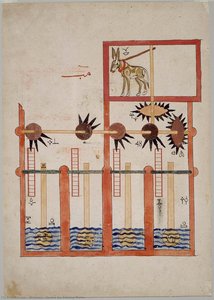
Born in Jazirat Ibn Omar, Turkey, around 1136 and passing away in 1206, Badīʿ az-Zaman Abu l-ʿizz ibn Ismāʿīl ibn ar-razāz al-jazarī – often simply known as al-Jazari – stands as a towering figure in the history of science, engineering, and art. Al-Jazari’s life unfolded within the vibrant, multicultural city of Jazira (modern-day Mosul), a crucial crossroads in the Artuqid dynasty's sphere of influence.


21/ 96
Giunta Pisano 1190–1260
Italian b. Pisa Renaissance style Wikipedia 10/32

Byzantine Influence: His early works show clear traces of Byzantine iconography, particularly in the composition and rendering of Christ’s figure. The Crucifix of San Raniero, housed in the Museo Nazionale di San Matteo in Pisa, exemplifies his groundbreaking approach.


22/ 96
Xia Gui 1195–1224
Song dynasty b. Hangzhou Wikipedia 16/32

The surviving works of Xia Gui include various genres, such as small album leaves and hand scrolls. Notable examples of his work include: His influence extended far beyond his own era, impacting the Japanese master Sesshū Tōyō, who was influenced by Xia's idiom and made studies of his landscape fans.

23/ 96
尼古拉·皮萨诺 1230–1284
意大利 b. 普利亚 罗马式艺术

尼古拉·皮萨诺(约 1220/1225 – 约 1284)是意大利雕塑史上的一座巍峨丰碑。他之所以被世人铭记,不仅在于其精湛的艺术技艺,更在于他从根本上成为了后来被称为“现代雕塑”的奠基人。他的艺术遗产建立在一项非凡的成就之上:通过为雕塑形式注入动态美与表现力,彻底变革了中世纪艺术——这种对既定传统的激进背离,为文艺复兴的到来埋下了伏笔。尽管关于他的出生日期和确切出身仍存在些许迷雾——他出生于意大利普利亚——但皮萨诺对艺术史产生的深远影响是无可辩驳的。 史料记载,尼古拉·皮萨诺的出生地为普利亚,尽管更确切的细节仍难以考证。他出身于一个与锡耶纳大教堂教会精英阶层有着紧密联系的家庭,他的父亲彼得鲁斯·德·阿普利亚曾担任大教堂的建筑师。这种家族纽带使他能够置身于腓特烈二世宫廷的艺术氛围之中,并在当时蓬勃发展的帝国作坊中接受了极其宝贵的训练。至关重要的是,皮萨索亲临了腓特烈的加冕典礼,这使他沉浸在帝国赞助传统的洗礼中,并亲眼见证了拜占庭与罗马影响力的融合如何塑造着当时的艺术审美。他的成长岁月充满了与宏伟雕塑的邂逅——尤其是那些装饰着古典纹样的石棺——这些作品深刻地塑造了他的美学视野。 皮萨诺早期的创作以约 1245 年为锡耶纳大教堂定制的两尊狮鹫头像为代表。这些雕塑体现了他对古典罗马雕塑风格坚定不移的追求,这种艺术志向最终定义了他的整个创作生涯。通过精湛的雕刻技艺所实现的细腻细节与微妙的明暗对比效果,展示了皮萨诺对罗马艺术原则的深刻理解。这两尊狮鹫头像标志着皮萨诺在雕塑中捕捉运动感与情感的初步尝试,预示着他正果断地打破早期中世纪艺术那种程式化的表现手法。 约 1245 年,皮萨诺移居佛罗伦萨,并获得了普拉托城堡的赞助,这一关键时刻推动了他的艺术创新进程。他承担了一项宏大的工程,用雪花石膏雕刻的狮子装饰城堡的入口,展现了他既能执行宏伟巨作,又能将古典影响融入哥特式形式的卓越能力。与此同时,他还参与创作了由埃尔巴大理石雕琢而成的《少女头像》(现藏于威尼斯宫博物馆),进一步巩固了他作为一名擅长驾驭多种材质与风格流派的雕塑家的声誉。在佛罗伦萨时期,皮萨诺对罗马雕塑传统的探索愈发深入,尤其是对在比萨考古挖掘中出土的石棺进行了深入研究。 皮萨诺对艺术史最持久的贡献在于他对比萨大教堂立面的创作——这是他与儿子乔瓦尼·皮萨诺共同完成的杰作,呈现出一种哥特式与罗马艺术风格令人屏息的完美融合。大教堂的半圆龛描绘了“基督从十字架上卸下”的情景,这不仅见证了皮萨诺对雕塑技艺的掌控力,更展示了他通过充满情感的动态人物来传达深邃神学主题的能力。他巧妙地将拜占庭的图像学与古典造型法结合在一起——其灵感源自海军远征期间在比萨发现的石棺——创造出一种超越风格界限、体现时代精神的艺术品。于 1260 年完工的讲道坛则是皮萨诺艺术生涯的巅峰之作:这座宏伟的雕塑融合了哥特与罗马的传统元素,反映了他对探索艺术可能性永无止境的追求。 尼古拉·皮萨诺的影响力远远超出了他的有生年华,他塑造了后世几代人的艺术审美,并确立了他在西方艺术发展史上的奠基地位。瓦萨里曾著名地记载,皮萨诺曾孜孜不倦地研究奥古斯都统治时期的罗马雕塑,这种实践在他心中植入了对古典理想的崇高敬意。他那以动态、情感和严谨细节为特征的先驱性表现手法,成为了文艺复兴的催化剂,开启了一个艺术创造力的新纪元,并深刻地改变了欧洲艺术史的进程。皮萨诺的遗产至今仍在激励着当代艺术家,确保了他作为 13 世纪最具影响力雕塑家之一的地位,并使其“现代雕塑之父”的美誉永垂不朽。


24/ 96
Li Tang 1050–1130
Song dynasty b. Meng Prefecture Academy-style landscape Wikipedia 15/32

Through this precision, his approach became the foundation for what is recognized as the academy-style landscape of the Southern Song. The inscription identifies the work as being painted by Li Tang of Ho-yang during the spring of the chia-ch'en year of the Hsüan-ho Reign of the Great Song.
Location The physical remnants of Li Tang's brushwork reside primarily within major institutional collections.

25/ 96
Qian Xuan 1235–1305
Chinese b. Wuxing District Fur and feathers painting; Song realism blended with archaic Tang style Wikipedia 12/32

In the turbulent transition between the Southern Song and the Yuan Dynasty, few figures embody the quiet resilience of the Chinese scholar-official as poignantly as Qian Xuan. Born around 1235 in the serene landscape of Zhuzhou, within the modern Wuxing District, Qian Xuan’s life was a profound study in the tension between worldly ambition and spiritual retreat.


26/ 96
Matthew Paris 1200–1259
English Medieval Art

To step into the world of Matthew Paris is to traverse a threshold of eight centuries, entering a vibrant and meticulously documented era of thirteenth-century England. A Benedictine monk at the renowned St Albans Abbey, Paris was far more than a mere silent observer of history; he was its most vivid architect.


27/ 96
Jingdezhen Ceramic Kiln 生于 1004
Chinese b. Jingdezhen Imperial porcelain

This transformative power finds its most sublime expression in the Jingdezhen ceramic kiln, an institution of artistry established around 1004 CE during the reign of Emperor Zhenzong. While archaeological evidence confirms that pottery production existed in the region as early as the sixth century CE, it was during the Yuan Dynasty (1271–1368) that the kilns truly ascended to global prominence.

28/ 96
Herrad of Landsberg 1130–1196
Wikipedia 16/32

Under the patronage of the Holy Roman Emperor Frederick Barbarossa, the Hohenburg Abbey flourished, providing Herrad with access to the most comprehensive education available to women of her time.


29/ 96
Fujiwara No Teika, Fujiwara No Sadaie 1162–1241
Japanese b. Kyoto Waka poetry

In the twilight of the Heian era and the burgeoning dawn of the Kamakura period, a figure emerged from the heart of Kyoto whose creative spirit would forever define the Japanese aesthetic. Born in 1162, Fujiwara no Teika—often known by his name Fujiwara no Sadaie—was far more than a mere scholar; he was a weaver of emotions and a master of the ephemeral.

30/ 96
Joannes Koulix 生于 1101
Byzantine b. standardized city name Manuscript illumination

Parchment, made from animal skin, was prepared meticulously before receiving the artist’s hand.

31/ 96
Břetislav I 1002–1055
Czech Medieval Coin Art

In the turbulent tapestry of medieval Europe, few figures loom as large or as formidable as Bretislav I, a ruler whose very name evokes the strength and strategic brilliance of the Přemyslid dynasty. Often whispered of in historical chronicles as the "Bohemian Achilles," Bretislav was far more than a mere conqueror; he was the visionary architect who reshaped the political landscape of Bohemia and Moravia.
32/ 96
Villard De Honnecourt 1200–1266
French Gothic architecture

He clearly drew upon the established traditions of medieval architecture, particularly the Cistercian style prevalent in northern France.


33/ 96
Fujiwara No Sadanaga 1139–1202
Japanese b. Kyoto Waka poetry

His most famous poem, included in the renowned Hyakunin Isshu anthology, vividly depicts mist rising over dew-kissed pines on an autumn evening—a motif that resonated deeply with later artists and poets.

34/ 96
Zhang Zeduan 1085–1145
Chinese Empire b. Zhucheng shan shui Wikipedia 15/32

By employing these precise boundaries, he captured the complexity of the Song dynasty's social and commercial infrastructure. Zhang Zeduan’s reputation rests primarily on a single, massive handscroll: Along the River During the Qingming Festival.
Location Tracing the physical presence of Zhang Zeduan's output requires looking toward two major institutions in East Asia.
Key works · Top 100 works
35/ 96
Sū Hànchén 1094–1172
Chinese b. Kaifeng Song Dynasty painting

He wasn't a prolific artist leaving behind an extensive body of work, but those pieces that have survived are testaments to his exceptional skill and sensitivity.

36/ 96
Saigyō Hōshi 1118–1190
Japanese b. Kyoto

Saigyō Hōshi, born in Kyoto in 1118, was far more than a mere monk; he was a wandering poet whose verses captured the very heartbeat of the Japanese wilderness. The essence of Saigyō’s work lies in his mastery of waka, a classical form of Japanese poetry characterized by its delicate emotional resonance and rhythmic elegance.


37/ 96
Gaddo Gaddi 1240–1312
Italian b. Florence Gothic Art

Born around 1240, Gaddi emerged from a lineage deeply rooted in the artisanal soul of Tuscany. He was the father of Taddeo Gaddi, one of Giotto’s most talented pupils, and a vital link in a chain of artists that would define the Florentine school.


38/ 96
Huang Gongwang 1269–1354
Yuan dynasty b. Changzhou Literati painters (wenrenhua) Wikipedia 12/32

This technical mastery was not merely intuitive; he sought to codify his understanding of the medium in his treatise, Secrets of Landscape Painting (寫山水訣, Xiě Shānshuǐ Jué). This period of experimentation continued through the 1330s and early 1340s with compositions such as Dwelling in the Fu-chun Mountains (about 1338), Clearing After Sudden Snow (about 1340), and Stone Cliff at the Pond of Heaven (about 1341).


39/ 96
Rai Kuniyuki 1219–1298
Japanese b. Kyoto Bizen tradition

Rai Kuniyuki (1219-1298) stands as a monumental figure within the annals of Japanese swordsmithing, embodying the zenith of the Bizen tradition—a style characterized by its exceptional purity of steel and meticulous craftsmanship. Born in Kyoto during the Kamakura period, Kuniyuki’s life coincided with a pivotal moment in Japanese history: the decline of centralized imperial rule and the rise of warrior clans vying for dominance.
40/ 96
Meliore Of Jacopo 1255–1285
Italian Medieval Italian art

This work, depicting Christ alongside the Virgin, Saint Peter, Saint Paul, and Saint John the Evangelist, represents a significant departure from his earlier geometric roots, embracing a style that is reminiscent of the great Cimabue.
41/ 96
Guan Daosheng 1262–1319
Chinese b. Huzhou Bamboo painting, Calligraphy Wikipedia 15/32

Among them shone Guan Zhongji (管道昇), also known as Lady Zhongji – a name that resonates through Chinese art history as a beacon of female accomplishment. Her life unfolded during a period of transition, following the Song Dynasty’s fall and under Mongol rule, a context that subtly informed her artistic choices and perhaps fueled her dedication to expressing inner resilience through nature.


42/ 96
Philippe le Bel 1268–1314
French b. Fontainebleau

Born in 1268 at the royal residence of Fontainebleau, his life unfolded during a period of immense transformation for France, a shift from medieval feudalism towards a more centralized state. His reign, stretching from 1285 to 1314, wasn't marked by patronage in the traditional sense—he didn’t commission grand paintings or sculptures for personal glory.

43/ 96
Coppo di Marcovaldo 1225–1276
Italian b. Florence Italo-Byzantine Art Wikipedia 12/32

Born in Florence around 1225, Coppo operated during an era of profound cultural shifts, where the solemnity of Byzantine iconography began to encounter the burgeoning naturalism of Italian sensibilities. His life was not merely one of quiet contemplation in a studio; historical records, such as those found in the Book of Montaperti, suggest he was even caught in the violent currents of Florentine military campaigns against Siena in 1260.


44/ 96
Fujiwara No Tadaie(Teika) 1033–1091
Japanese b. Kyoto Heian period art

Fujiwara no Tadaie, born in Kyoto in 1033 and passing away on December 19th, 1091, was a quintessential figure of the Japanese Heian period—a time celebrated for its refined aesthetic sensibilities and intricate courtly life. Serving under Emperors Go-Reizei, Shirakawa, and Horikawa, he steadily climbed to the Senior Second Rank—a prestigious position signifying high honor—and ultimately attained the office of Dainagon, or Major Counselor.

45/ 96
Kuo, River 1031–1095
Chinese b. Hangzhou Song Dynasty Science & Philosophy

While history often remembers the name Shen Kuo as the towering intellectual giant of the Song Dynasty—a man whose mind spanned the celestial mechanics of the stars and the magnetic pull of the earth—the contemporary artistic identity of River Kuo breathes new life into this ancestral legacy.

46/ 96
阿诺尔福·迪·坎比奥 1245–1310
中国 b. 科莱·瓦尔迪埃尔萨 元代绘画

在意大利艺术史的漫长篇章中,阿诺尔福·迪·坎比奥(Arnolfo di Cambio)无疑是一位巍然屹立的巨擘。作为一名建筑师与雕塑家,他的双手亲手勾勒了中世纪至文艺复兴早期佛罗伦萨的城市轮廓。他于1245年左右出生在科莱·瓦尔迪埃尔萨,其一生跨越了艺术史上的深刻转型期,这使他既能汲取古罗马文明的宏伟神韵,又能开创出足以定义此后数世纪哥特式审美的新形式。早年在尼古拉·皮萨诺(Nicola Pisano)等大师门下的学徒生涯,为他奠定了无与伦ת的基础,这一点在他1265年至1268年间为锡耶纳大教堂创作的大理石讲道坛作品中得到了清晰的体现。 然而,阿诺尔福的天才并未局限于单一的地域或风格。通过不断的旅行与承接各类委任,他积累了令人惊叹的广博经验。在罗马期间,他曾效力于安茹国王查理一世,并参与了坎皮多利奥广场上那座壮丽雕像的创作。正是在这种充满活力的罗马文化氛围中,他对古典形式的理解得到了升华,这种深厚的底蕴也随之渗透进他后期的装饰设计之中。 他的雕塑成就充分展现了其非凡的多样性。一个典型的范例是他于1282年左右为奥尔维耶托圣多米尼科教堂的纪尧姆·德·布雷枢机主教完成的纪念碑。在这件作品中,他的艺术愿景得到了震撼人心的实现,尤其是那尊端坐宝座的圣母像(maestà)。该作品的模型直接取材于古罗马雕塑——具体而言是丰饶女神阿班登提亚(Abundantia)——这使他能够将古典主义的语言天衣无缝地编织进纯粹的基督教叙事之中。此外,学者们特别注意到圣母冠冕与珠宝细节对古代模型的精细复刻,这足以证明他对历史有着极其深刻的研究与投入。 阿诺尔福与罗马装饰艺术之间存在着深厚的渊源;由于亲眼见证了科斯马蒂风格(cosmatesque)的精湛技艺,这种影响在其参与创作的重要遗迹中清晰可见,例如圣保罗大教堂以及特拉斯提弗列区的圣塞西莉亚教堂,他为这些场所贡献了复杂的镶嵌工艺与多色玻璃装饰。他的艺术实践通过一系列宏伟的委任工程持续延伸,包括在圣玛利亚马焦雷大教堂参与制作马槽(presepio),以及为教皇博尼法斯八世创作纪念碑。 阿诺尔福·迪·坎比奥不仅仅是一位匠人,他更是一位艺术的集大成者。他拥有一种罕见的能力,能够将截然不同的历史风格融为一体——既承载着古罗马文明的厚重感,又包含着哥特时期高耸入云的志向,同时还孕育了即将于文艺复兴时期绽放的人文主义精神。瓦萨里在其《艺苑名人传》中详尽记录了他的丰硕成果,这不仅巩固了他作为艺术史参与者的地位,更确立了他作为艺术史上最关键的建筑师与雕塑家之一的崇高地位。 他的天才之处在于这种融合: 一种通过创新的未来愿景所传达出的、对过去的深切敬畏。


47/ 96
穆罕默德·伊本·阿马尔 1031–1086
英国 b. 席尔夫斯 植物插图

(view on AllPaintingsStore). for a deeper understanding of ibn ammar's life and work, refer to his biography on wikipedia.org.


49/ 96
Sakyō No Daibu Akisuke 1090–1155
American b. Kyoto Hip Hop/Electronic

The artist known as 1090 Blokk Boyz, a name that simultaneously evokes the raw energy of Detroit’s underground hip-hop scene and hints at a deeper, almost ritualistic approach to creation, remains a somewhat shrouded figure. While biographical details are scarce – primarily gleaned from online music platforms like Last.fm and Popnable – his work speaks volumes about a dedication to sonic exploration and a unique visual aesthetic.

50/ 96
Magnus Sigurdsson Or Sigurd Haraldsson 1115–1155
Norwegian b. Oslo Medieval Kingship

At the heart of this tumultuous era stood two figures inextricably linked: Magnus Sigurdsson, known as Magnus the Blind, and Sigurd Haraldsson, often called Sigurd Munn. Born in Oslo around 1115, both were sons of Harald Gille, a king whose own ascent to the throne was steeped in controversy, and his mistress Thora Guttormsdotter.

51/ 96
Kamo No Shigeyasu 1119–1191
Japanese b. Kyoto Waka poetry

Born in Kyoto in 1119, Kamo no Shigeyasu (賀茂重保) was a figure of profound subtlety and quiet influence within the vibrant cultural landscape of 12th-century Japan. More than simply a poet, he served as head priest of the Kamo Shrine, a position that deeply intertwined his spiritual life with his artistic endeavors.

53/ 96
Hemachandra 1088–1172
b. Dhandhuka Wikipedia 10/32

Hemachandra was a prolific scholar and monk of the Śvetāmbara school of Jainism. Born in Dhandhuka, India, he was a man of immense intellect, earning the title kalikālasarvajña, meaning "the knower of all knowledge in his times." His vast contributions spanned numerous disciplines, including mathematics, history, philosophy, poetry, and grammar.
Key works · Top 100 works
 Leaf from a Jain Manuscript: Yoga-shastra: Jain monk with Disciple and Two Laymen, Two Nuns and a Laywoman below (verso)
 Rishabha enthroned, folio 1 (verso) from a Yoga-shastra of Hemachandra
 Leaf from a Jain Manuscript: Yoga-shastra: Text (recto); Leaf from a Jain Manuscript: Yoga-shastra: Jain monk with Disciple and Two Laymen, Two Nuns and a Laywoman below (verso)
- 66 works by Hemachandra
54/ 96
Bolesław Iv The Curly 1138–1173
Polish b. Krakow Medieval Art

In the turbulent landscape of twelfth-century Poland, where the echoes of the Piast dynasty's greatness still resonated, Bolesław IV the Curly emerged not merely as a ruler, but as a transformative force. Following the untimely passing of his elder brothers, Leszek and Casimir, Bolesław ascended to the dukedom of Masovia, stepping into a political arena fraught with tension and the looming shadow of his half-brother, Władysław II the Exile.

55/ 96
Fujiwara No Koreyuki 1139–1175
Japanese b. Zama Heian calligraphy & poetry

He is best known for his exquisite calligraphy on scrolls featuring poems from the Wakan Roeishu, a renowned anthology of Japanese and Chinese verses compiled in the early eleventh century.


56/ 96
Adelhog 1170–1190
German b. Hildesheim Medieval Art

Cultural Connectivity: Through his education in Toulouse, he acted as a conduit for French artistic influences within the German ecclesiastical tradition.
57/ 96
Urtu Saqaltu 1190–1244
Khitan b. Beijing Literati painting, Confucian tradition

Crucially, Chucai’s work was inseparable from his calligraphy. Despite the passage of centuries, several of Yelü Chucai's paintings offer glimpses into his artistic vision and the tumultuous world he inhabited.

58/ 96
Fernando Martins De Bulhões 1195–1231
Portuguese b. Lisbon Religious Art

This image symbolizes his deep love for Christ and his role as a protector of children.

59/ 96
Lanxi Daolong 1213–1278
Chinese b. Lanxi Zen Buddhism, Calligraphy

Born Ran Xī in 1213 in the verdant province of Sichuan during the Southern Song dynasty, his life was not one of worldly ambition but an unfolding quest for spiritual understanding. His arrival in Hakata, Kyushu, quickly drew attention, and he soon found himself invited by Hōjō Tokiyori, the powerful regent of Japan, to establish a Zen presence within the nation’s borders.

60/ 96
Master Of Bigallo 生于 1218
Italian Proto-Renaissance

Early evidence suggests he was already active by 1230, producing a “ Madonna and Child ” panel now housed in the Fiesole Cathedral.
61/ 96
Master Of Cabestany 1130–1180
Italian Romanesque

Unlike many artists of the period who were tied to a specific location or patron, the Master appears to have been remarkably mobile, leading a workshop that traversed considerable distances.


62/ 96
Hōgen En’I 1240–1300
Japanese b. Kyoto Yamato-e & Emakimono

En’i’s early training, steeped in the sacred iconography of Buddhism and the subtle nuances of the natural world, prepared him to become a singular voice in an age of transformation, turning the act of painting into a meditative bridge between the earthly and the divine.

63/ 96
Issan Ichinei 1247–1317
Chinese b. Linhai Zen Buddhism, Gozan Bungaku

Issan Ichinei, born Hu in 1247 in Linhai, Zhejiang province, China, stands as a pivotal figure in the transmission of Zen Buddhism from its native land to Japan. This initial exploration led him through various schools, including Tiantai, before he found his true calling in Chan Buddhism—the school we know as Zen in the West.
64/ 96
Xianyu Shu 1256–1301
Chinese b. Yuyang Yuan Dynasty Poetry & Calligraphy

Xianyu Shu, also known as Boji (1256-1301), stands as a compelling figure bridging the worlds of poetry, calligraphy, connoisseurship, and official life during the Yuan Dynasty. Born in Yuyang, Hebei province – a region steeped in northern traditions – his journey reflects a fascinating cultural exchange between the Mongol court and the established Han Chinese elite.
65/ 96
贝内德托·安特拉米 1150–1230
b. 伦巴第 Romanesque

This evolution is evident in masterpieces such as the Deposition from the Cross, where dramatic relief carving and poignant religious scenes showcase a burgeoning Gothic influence.


66/ 96
Saionji Kinhira 1264–1315
Japanese b. Kyoto Calligraphy

Saionji Kinhira, born into the esteemed lineage of the Japanese kuge – the aristocratic court class – in Kyoto in 1264, was a figure whose life epitomized the delicate balance between spiritual devotion and refined aesthetic sensibility.

67/ 96
Qingmao Gulin 1262–1329
Chinese b. Leying Zen Calligraphy, Wanshi-ha Poetry

Wanshi-ha Poetry Movement: Qingmao Gulin was an integral part of the Wanshi-ha poetry movement, known for its unique writing style influenced by the Sōtō monk-poet Hongzhi Zhengjue. Cultural Property: The recognition of “ Chinese Farewell Verse ” as an Important Cultural Property underscores its historical and artistic value within China and beyond.

68/ 96
Hildegard von Bingen 1098–1179
German

The themes of spiritual combat and the triumph of virtue are further explored in The Book of the Rewards of Life.


69/ 96
Fachang 1210–1269
Chinese b. Beijing Chan Buddhist Painting

In the quietude of the thirteenth century, amidst the shifting political landscapes of the Southern Song dynasty, a singular voice emerged from the monastic retreats of China to redefine the boundaries of visual expression. Fachang, known more intimately to history by his pseudonym Muqi, was not merely a painter but a practitioner of the Chan Buddhist path, whose brushstrokes served as an extension of meditative contemplation.


70/ 96
Filippo Rusuti 1255–1325
Italian Roman School

Filippo Rusuti (c. 1255 – c. 1325) stands as a cornerstone figure in the late thirteenth-century Roman school, an artistic movement that irrevocably transformed European painting and cemented Rome’s position as a center for artistic innovation.

71/ 96
覚猷 1053–1140
法国 b. 鸟渡 现实主义 Wikipedia 10/32

鸟渡僧正 ,亦被称为空游,是一位出生于1053年的日本僧人艺术家,身为源隆国之子,他的一生交织着世俗的显赫与宗教的虔诚。他在天台宗中成就了极高的地位,并于1138年正式登上了天台宗第48任座主(教主)的神圣宝座,在修行与职责之间寻得了精神的归宿。 鸟渡僧正以其在佛教艺术与讽刺漫画领域的卓越成就而闻名于世。他的作品不仅具有宗教的庄严感,更蕴含着独特的叙事张力,其中最为人称道的真迹包括位于醍醐寺的 不动明王立像 ,这件日本重要的文化财产充分展示了他对多种艺术媒介精湛的驾驭能力。 十六岁的圣德太子 (金箔,82.6cm x 52.2cm),这件杰作见证了他捕捉历史人物神韵的非凡技艺。. 他的艺术瑰宝现被永久收藏于 大都会艺术博物馆 与 密歇根大学艺术博物馆 ,这些珍贵的馆藏映射出他在艺术史上持久而深远的影响力。. 鸟渡僧正的艺术风格以金箔的使用与大胆的色彩著称,这深刻反映了 狩野派艺术运动 的特征,该流派曾主导了日本绘画界长达数个世纪的审美。时至今日,在他的艺术余韵中,我们依然能在许多现代日本绘画中窥见其踪迹,这些作品不断从狩野派所传承的传统与技法中汲取灵感。 鸟渡僧正的遗产早已超越了艺术本身 ,他在塑造天台宗的历史进程中扮演了至关重要的角色。他的一生不仅是艺术创作的典范,更是虔诚信仰、无限创意与精神领袖地位的完美结合。 欲了解更多 鸟渡僧正 的作品,请访问 https://AllPaintingsStore.com/@/toba-sojo. 探索对鸟渡僧正风格产生影响的 文人画运动 。. 鸟渡僧正 | AllPaintingsStore.com. 鸟渡僧正 - 维基百科.
Key works · Top 100 works

72/ 96
Memmo di Filippuccio 1263–1326
Italian b. Siena International Gothic

In the golden light of the early fourteenth century, amidst the rising humanism of Tuscany, the name Memmo di Filippuccio emerged as a vital voice in the Sienese school. Born around 1263 into a family deeply rooted in the prestigious goldsmithing traditions of Siena, Memmo’s artistic sensibilities were forged through the meticulous precision of metalwork and the delicate artistry of his father, Filippuccio.

73/ 96
Su Dongpo 1037–1101
Chinese b. Meishan Song Dynasty calligraphy and poetry

Su Dongpo, also known by his courtesy name Zizhan and his art name Householder Dongpo, was far more than a mere painter; he was a towering figure of the Song dynasty, a polymath whose influence stretched across literature, calligraphy, and gastronomy. Born in Meishan, China, into a prominent literary family, he was the son of Su Xun and brother to Su Zhe.


74/ 96
Yi Yuanji 1000–1064
Chinese b. Changsha Northern Song Dynasty Wikipedia 7/32

Born in the scenic region of Changsha, Hunan, around the year 1000, this master painter emerged from a cultural milieu deeply influenced by the contemplative depths of Buddhist philosophy and the organic aesthetics of Daoism.

75/ 96
Nicolas Of Verdun 1130–1205
Flemish [Gothic art](https://www.britannica.com/art/Gothic-art)[Romanesque art](https://www.britannica.com/art/Romanesque-art)[Mosan school](https://www.britannica.com/topic/Mosan-school)

Around 1205, Nicolas turned his attention to Cologne Cathedral, undertaking the creation of the Shrine of the Three Kings—a reliquary intended to house the bones of the biblical Magi.


76/ 96
无学祖源 1226–1286
Chinese b. Hangzhou Zen Buddhist ink art and calligraphy

Wuxue Zuyuan, known in Japan as Mugaku Sogen, was far more than a mere practitioner of the brush; he was a profound 13th-century Zen Buddhist monk whose life and legacy bridged the worlds of China and Japan. Born in Ningbo, Zhejiang, during the Song dynasty, his existence was defined by the spiritual rigors of the Linji school of Chan Buddhism.


78/ 96
Lombard Master 1096–1160
Italian b. Novara Late Gothic to Renaissance Art

Known to history as the Lombard Master, or Peter Lombard, this Italian painter and theologian possessed a rare duality of spirit. Born in Novara, Italy, around 1096, his life was a tapestry woven from the intellectual rigor of the cathedral schools and the luminous devotion of sacred iconography.


79/ 96
Liu Songnian 1174–1224
Chinese b. Hangzhou Southern Song Dynasty Wikipedia 7/32

Born around 1174 in what is now Hangzhou, China, Liu Songnian (also known as Liu Sung-nien) stands as a pivotal figure in the artistic landscape of the early Southern Song Dynasty (1127–1279). He entered the Southern Song Imperial Academy of Painting as a student in 1189, a prestigious institution that served as the training ground for all official court artists.


80/ 96
Master of Taüll 1100–1199
b. Roda de Isábena Wikipedia 7/32

The name of the person who painted the walls of Sant Climent remains lost to time, leaving only the title of the Master of Taüll to mark their presence. The focus remained on the central figure, a Christ in Majesty, seated upon a throne and surrounded by the symbols of the four Evangelists.


81/ 96
Wen Tong 1018–1079
Song dynasty b. Yanting County Scholar's painting (shi ren hua) Wikipedia 10/32

In the Northern Song dynasty, a period defined by intellectual rigor and aesthetic refinement, Wen Tong emerged as a figure of profound simplicity. Born in Sichuan, he lived a life that prioritized the internal landscape over external accolades.
Key works · Top 100 works
82/ 96
Wang Xi 1096–1119
Chinese Blue-green landscape Wikipedia 10/32

Wang Ximeng was a Chinese painter active during the Northern Song dynasty. A remarkable prodigy, he was a student at the imperial court's school of paintings. His talent was recognized by Emperor Huizong of Song, who saw his potential and personally taught him.
83/ 96
Fujiwara Nobuzane 1176–1266
Japanese b. Kyoto Nise-e, Yamato-e, Kamakura period Wikipedia 8/32

The nise-e style relied on thin, angular outlines to define form. Beyond the poetry sets, several other works are attributed to his hand or influenced by his direction: Portrait of Sugawara no Michizane in Formal Attire: A study in the dignity of courtly dress.


84/ 96
皮埃特罗·卡瓦利尼 1240–1330
意大利 b. 罗马 罗马自然主义

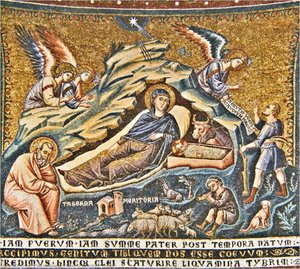
在从拜占庭艺术传统向那场即将定义意大利早期文艺复兴的蓬勃自然主义过渡的过程中,彼埃特罗·卡瓦利尼(Pietro Cavallini)无疑是一位举足轻重的关键人物。这位约于1240年出生于罗马的艺术家,其生平至今仍笼罩在相对的神秘之中——文献记载他曾以 pictor romanus (罗马画师)之名署名,这暗示了他与圣保罗大殿之间的深厚渊源,而那里正是他辉煌职业生涯的起点。这一最初的委约创作,标志着他对当时盛行于全欧洲的程式化、扁平化描绘的一次大胆背离,也由此确立了卡瓦利尼作为后来被称为“罗马自然主义”的最早捍卫者之一的地位。 凭借在1277年至1285年间装饰圣保罗大殿的宏伟壁画,卡瓦利尼的名声迅速崛起。这些雄心勃勃的作品以史无前例的写实主义手法诠释了圣经叙事,不仅通过解剖学的准确性来塑造人物,更捕捉到了能与观者产生深层情感共鸣的面部表情。尽管1823年的一场毁灭性大火不幸烧毁了这些壁画,抹去了卡瓦利尼许多最初的艺术构想,但幸存的碎片依然以其开拓精神持续激发着世人的敬畏与赞叹。这一壮举奠定了他作为一名创新者的声望,他敢于通过对光影与体积感的运用,去挑战既定的艺术教条。 卡瓦利尼天才的本质在于他赋予静态表面以生命的能力,使艺术脱离了拜占庭传统中那种僵硬、二维的图像化风格。他的作品具有一种深刻的重量感与存在感,这是通过细腻的阴影处理以及对光线如何与形态相互作用的精妙理解而实现的。在诸如 祭坛拱顶:圣母安息 等杰作中,人们可以领略到一幅宁静的马赛克作品,它捕捉到了神圣时刻那平和的过渡,邀请观者进入一个神性与人性触手可及的空间。 这种大师级的技艺延伸到了他对马赛克的使用和细腻构图的处理中,他通过融合金箔与复杂的纹理来创造深度。在 圣彼得向圣母推荐贝尔托尔多·斯特凡斯基 等作品中,精美的金色马赛克细节不仅是装饰,更是一种照亮自然界中神圣存在的手段。他能够通过 体积感形态 与 细腻阴影 将天界与尘世融合在一起,使他的创作能够映照出对自然世界的观察,从而在精神世界与物质世界之间架起了一座桥梁。 或许卡瓦利尼最持久的艺术遗产,就蕴藏在约1293年创作于罗马特拉斯提弗列区圣塞西莉亚教堂内的 最后的审判 壁画之中。作为他的巅峰之作,这件杰作完美体现了罗马自然主义对艺术感知的深远影响。不同于锡耶纳等地盛行的哥特式艺术那种扁平的透视感和繁复的装饰性,卡瓦利尼的描绘拥抱了具有三维空间感的形态,这种变革从根本上改变了西方绘画的发展进程。 他贡献的历史意义不言而喻,因为他的风格选择为后来的佛罗伦萨大师们提供了基础蓝图。通过重新引入重量感、阴影和解剖学真实性等古典元素,他助力开启了一场向文艺复兴迈进的运动。他的影响力可以从以下几个关键的艺术发展中寻得踪迹: 从拜占庭式的程式化向自然主义表现形式的转变。. 在罗马壁画与马赛克作品中引入了体积感形态。. 对佛罗伦萨早期文艺复兴绘画发展产生了深远影响。. 利用光影变化来创造情感共鸣与物理深度。. 尽管他的许多原作已在时光流逝与悲剧之中失落,但残存的碎片依然见证了一位艺术家的伟大——他看待世界的方式并非将其视为符号的集合,而是一个充满生机、呼吸着的现实,正等待着被捕捉在画布与石材之上。


85/ 96
Naumburg Master 1200–1300
French High Gothic Wikipedia 10/32

He was active in the towns of Noyon, Amiens, and Reims around 1225, absorbing the High Gothic style that defined the era.
Location Tracing the physical remains of his hand requires traveling across several locations.
86/ 96
Li Jie 1035–1110
Chinese b. Xinzheng Tribal Art Wikipedia 9/32

However, these symbols transcend mere decoration; they serve as vehicles for conveying spiritual truths—a hallmark of Daoist art alongside Buddhist principles.


87/ 96
Dietisalvi di Speme 1201–1291
b. Siena Wikipedia 8/32

The evolution of Dietisalvi's style is visible through his surviving works, moving toward a greater similarity with the work of Giunta Pisano and Cimabue, as well as the freer strokes of Guido da Siena. Some of his attributed works include: His later career is associated with a cross in the Museo delle pie disposizioni, which shows influence from Cimabue's Maestà.
88/ 96
Margaritone d'Arezzo 1240–1290
Italian b. Arezzo Byzantine influence Wikipedia 8/32

The very fact that Giorgio Vasari dedicated space to him in The Lives of the Artists, though often colored by inaccuracies regarding chronology, underscores Margarito’s importance within the local art historical consciousness. Madonna and Child Enthroned: Perhaps his most iconic work, showcasing the characteristic gold leaf background and stylized figures.


89/ 96
Gao Kegong 1248–1310
Chinese Landscapes Wikipedia 9/32

Gao Kegong remains a significant figure for anyone studying the shifting aesthetics of the Yuan dynasty. His technical foundation was built upon the heavy influence of Mi Fu and Mi Youren. The stylistic influence of Dong Yuan and Ju Ran.
Key works · Top 100 works

90/ 96
Cui Bai 1000–1074
Chinese b. Fengyang County Northern Song Dynasty painting Wikipedia 8/32

Cui Bai (崔白), a name synonymous with the delicate vitality of the Northern Song Dynasty, stands as a pivotal figure whose brushwork breathed new life into the classical traditions of China. Naturalistic Atmosphere: A skill for setting scenes that feel grounded in the physical reality of the Chinese landscape.
Key works · Top 100 works
91/ 96
Su Hanchen 1101–1161
Song dynasty b. Kaifeng Wikipedia 7/32

Su Hanchen lived during the Song dynasty, a period of significant change in China. Born in Kaifeng, he spent much of his life in Zhejiang. His talent was recognized early by the imperial court, where he served as a Painter-in-Attendance for Emperor Huizong.


92/ 96
Xu Daoning 970–1052
Chinese b. Xi'an Northern Song Dynasty Wikipedia 7/32

His early works, such as “ Snow-covered Mountains ” (雪山), demonstrate this clear influence; the composition is characterized by broad washes of ink, suggesting vast distances and an ethereal quality. This monumental mural, now housed in the National Palace Museum in Taipei, exemplifies his artistic maturity and technical skill.

93/ 96
Zhao Boju 1120–1182
Chinese Blue-and-green landscape painting Wikipedia 6/32

Zhao Boju’s brushwork was defined by a meticulous precision that bridged the gap between different eras of Chinese tradition. His ability to render the physical world is seen in the depiction of mountains and pavilions, as seen in Immortal Mountains and Pavilions.


94/ 96
Fujiwara no Takanobu 1142–1205
Japanese b. Kyoto nise-e (likeness picture) portraits Wikipedia 7/32

He is the half-brother of Fujiwara no Sadaie, a man whose name carries the weight of Japan's greatest poetic traditions. His most significant achievement survives in the likeness of Minamoto no Yoritomo. The portrait captures the founder of the Kamakura government, a man who reshaped the political structure of Japan.
95/ 96
Ren Renfa 1254–1327
b. China Tang dynasty style Wikipedia 6/32

Another significant work is Five Drunken Princes Returning on Horseback, a two-metre scroll depicting five princes on horseback with four attendants.


96/ 96
Kōkei
Wikipedia 7/32

Inside the temples of Tōdai-ji and Kōfuku-ji, Kōkei moves through a landscape of wood and chisel. As the head of the emerging Kei school, his hands guide the transition from the ethereal stillness of the He Heian period toward something far more grounded.
Key works · Top 100 works

Best-known works
Famous High Medieval paintings by artist
Chronology
High Medieval chronology
- 1055
- 1072
- 1085
- 1110
- 1124
- 1180
- 1188
- 1201
- 1203
- 1206
- 1230
- 1235
- 1240
- 1250
Statistics
Counts by country, period and museum
Index
Full list of 96 famous High Medieval 艺术家
- 1
 喬托·迪·邦多內意大利人 · 1267–1337
- 2
 杜喬·迪·博尼塞尼亞意大利 · 1255–1319
- 3
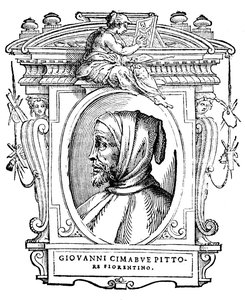 契马布埃意大利人 · 1240–1302
- 4赵孟頫中国 · 1254–1322
- 5朱熹中国 · 1130–1200
- 6马远中国 · 1160–1225
- 7郭熙中国 · 1020–1090
- 8宋徽宗中国 · 1082–1135
- 9牧谿中国 · 1210–1269
- 10圭多·达·锡耶纳法国 · 1230–1290
- 11
 博纳文图拉·贝林盖里意大利 · 1210–1287
- 12Master MateoSpanish · 1161–1217
- 13乔凡尼·皮萨诺意大利 · 1248–1318
- 14米芾中国 · 1051–1107
- 15Lorenzo MaitaniItalian · 1255–1330
- 16Li Gonglin1049–1106
- 17马麟中国 · 1180–1256
- 18Yi Kyu-BoKorean · 1168–1241
- 19GislebertusFrench · 1120–1135
- 20Badīʿ Az-Zaman Abu L-ʿIzz Ibn IsmāʿĪl Ibn Ar-Razāz Al-JazarīMuslim · 1136–1206
- 21Giunta PisanoItalian · 1190–1260
- 22Xia GuiSong dynasty · 1195–1224
- 23尼古拉·皮萨诺意大利 · 1230–1284
- 24Li TangSong dynasty · 1050–1130
- 25Qian XuanChinese · 1235–1305
- 26Matthew ParisEnglish · 1200–1259
- 27Jingdezhen Ceramic KilnChinese · 生于 1004
- 28Herrad of Landsberg1130–1196
- 29Fujiwara No Teika, Fujiwara No SadaieJapanese · 1162–1241
- 30Joannes KoulixByzantine · 生于 1101
- 31Břetislav ICzech · 1002–1055
- 32Villard De HonnecourtFrench · 1200–1266
- 33Fujiwara No SadanagaJapanese · 1139–1202
- 34Zhang ZeduanChinese Empire · 1085–1145
- 35Sū HànchénChinese · 1094–1172
- 36Saigyō HōshiJapanese · 1118–1190
- 37Gaddo GaddiItalian · 1240–1312
- 38Huang GongwangYuan dynasty · 1269–1354
- 39Rai KuniyukiJapanese · 1219–1298
- 40Meliore Of JacopoItalian · 1255–1285
- 41Guan DaoshengChinese · 1262–1319
- 42Philippe le BelFrench · 1268–1314
- 43Coppo di MarcovaldoItalian · 1225–1276
- 44Fujiwara No Tadaie(Teika)Japanese · 1033–1091
- 45Kuo, RiverChinese · 1031–1095
- 46阿诺尔福·迪·坎比奥中国 · 1245–1310
- 47穆罕默德·伊本·阿马尔英国 · 1031–1086
- 48
 Zheng Yuan1056–1093
- 49Sakyō No Daibu AkisukeAmerican · 1090–1155
- 50Magnus Sigurdsson Or Sigurd HaraldssonNorwegian · 1115–1155
- 51Kamo No ShigeyasuJapanese · 1119–1191
- 52
 Fujiwara no TameyoriJapanese · 1128–1201
- 53Hemachandra1088–1172
- 54Bolesław Iv The CurlyPolish · 1138–1173
- 55Fujiwara No KoreyukiJapanese · 1139–1175
- 56AdelhogGerman · 1170–1190
- 57Urtu SaqaltuKhitan · 1190–1244
- 58Fernando Martins De BulhõesPortuguese · 1195–1231
- 59Lanxi DaolongChinese · 1213–1278
- 60Master Of BigalloItalian · 生于 1218
- 61Master Of CabestanyItalian · 1130–1180
- 62Hōgen En’IJapanese · 1240–1300
- 63Issan IchineiChinese · 1247–1317
- 64Xianyu ShuChinese · 1256–1301
- 65贝内德托·安特拉米1150–1230
- 66Saionji KinhiraJapanese · 1264–1315
- 67Qingmao GulinChinese · 1262–1329
- 68Hildegard von BingenGerman · 1098–1179
- 69FachangChinese · 1210–1269
- 70Filippo RusutiItalian · 1255–1325
- 71覚猷法国 · 1053–1140
- 72Memmo di FilippuccioItalian · 1263–1326
- 73Su DongpoChinese · 1037–1101
- 74Yi YuanjiChinese · 1000–1064
- 75Nicolas Of VerdunFlemish · 1130–1205
- 76无学祖源Chinese · 1226–1286
- 77
 Buonamico Buffalmacco1262–1340
- 78Lombard MasterItalian · 1096–1160
- 79Liu SongnianChinese · 1174–1224
- 80Master of Taüll1100–1199
- 81Wen TongSong dynasty · 1018–1079
- 82Wang XiChinese · 1096–1119
- 83Fujiwara NobuzaneJapanese · 1176–1266
- 84皮埃特罗·卡瓦利尼意大利 · 1240–1330
- 85Naumburg MasterFrench · 1200–1300
- 86Li JieChinese · 1035–1110
- 87Dietisalvi di Speme1201–1291
- 88Margaritone d'ArezzoItalian · 1240–1290
- 89Gao KegongChinese · 1248–1310
- 90Cui BaiChinese · 1000–1074
- 91Su HanchenSong dynasty · 1101–1161
- 92Xu DaoningChinese · 970–1052
- 93Zhao BojuChinese · 1120–1182
- 94Fujiwara no TakanobuJapanese · 1142–1205
- 95Ren Renfa1254–1327
- 96Kōkei
FAQ
High Medieval: quick answers
Who was the greatest High Medieval 艺术家?
喬托·迪·邦多內 (#1) comes first, ahead of 杜喬·迪·博尼塞尼亞 (#2) and 契马布埃 (#3).
Which five High Medieval 艺术家 should everyone know?
喬托·迪·邦多內 (#1), 杜喬·迪·博尼塞尼亞 (#2), 契马布埃 (#3), 赵孟頫 (#4) 及 朱熹 (#5).
Which country produced the most High Medieval 艺术家?
Japan: 14 of the 96 艺术家 in this list were born there, then People's Republic of China (12) 及 China (12).
Which High Medieval 艺术家 from Japan are the most famous?
The highest-ranked 艺术家 born in Japan are Fujiwara No Teika, Fujiwara No Sadaie (#29), Fujiwara No Sadanaga (#33), Saigyō Hōshi (#36), Rai Kuniyuki (#39) 及 Fujiwara No Tadaie(Teika) (#44).
Who are the most famous living High Medieval 艺术家?
The highest-ranked living 艺术家 in this list are Jingdezhen Ceramic Kiln (#27), Joannes Koulix (#30) 及 Master Of Bigallo (#60).
Which city produced the most High Medieval 艺术家?
Kyoto: 12 of the 艺术家 in this list were born there.
Which techniques define High Medieval art?
“His meticulous brushwork and profound understanding of landscape aesthetics became foundational principles for subsequent painters—particularly Ma Yuan and Xia Gui—who further refined the “floating perspective” technique.” — from our biography of 郭熙 (#7).
Who was the first High Medieval 艺术家?
The earliest-born 艺术家 in this list is Xu Daoning (#92), born in 970.
Where can I see High Medieval art?
The museums holding the most key works of this list are 大都会艺术博物馆 (12), 國立故宮博物院 (8) 及 The Palace Museum (8).
Which women High Medieval 艺术家 are the most famous?
3 women are in this ranking: Herrad of Landsberg (#28), Guan Daosheng (#41) 及 Hildegard von Bingen (#68).
In which period did High Medieval art flourish?
Most 艺术家 in this list were born in the 13th 世纪 (39 of 96), between 970 and 1269 overall.
Where can I buy High Medieval art?
Our catalogue holds 1,429 works by these 艺术家. Each one can be ordered as a hand-painted oil reproduction or a print.
Guides
AllPaintingsStore.com guides
Other lists
Famous artists by movement
 著名的 Baroque 艺术家夜巡 (德·伦勃朗) · 伦勃朗
 著名的 Contemporary Realist 艺术家拾穗者 · 讓-弗朗索瓦·米勒
 著名的 Impressionist 艺术家星夜 (纽约,MoMA) · 文森特·梵高
 著名的 Romanticist 艺术家土星吞噬其子 · 弗朗西斯科·戈雅
 著名的 Neoclassicist 艺术家The Death of Marat · 雅克-路易·大卫
 著名的 Realist 艺术家世界的起源 · 居斯塔夫·库尔贝
 著名的 Renaissance 艺术家蒙娜丽莎 (La Gioconda) · 列奥纳多·达·芬奇
 著名的 Dutch Golden Age 艺术家《带着珍珠耳环的少女》 · 约翰尼斯·弗美尔
 著名的 Expressionist 艺术家构成 VII · 瓦西里·康定斯基
 著名的 Rococo 艺术家塞西莉岛的登船 · 让-安东尼·华托
By period
Famous artists by period


Related lists